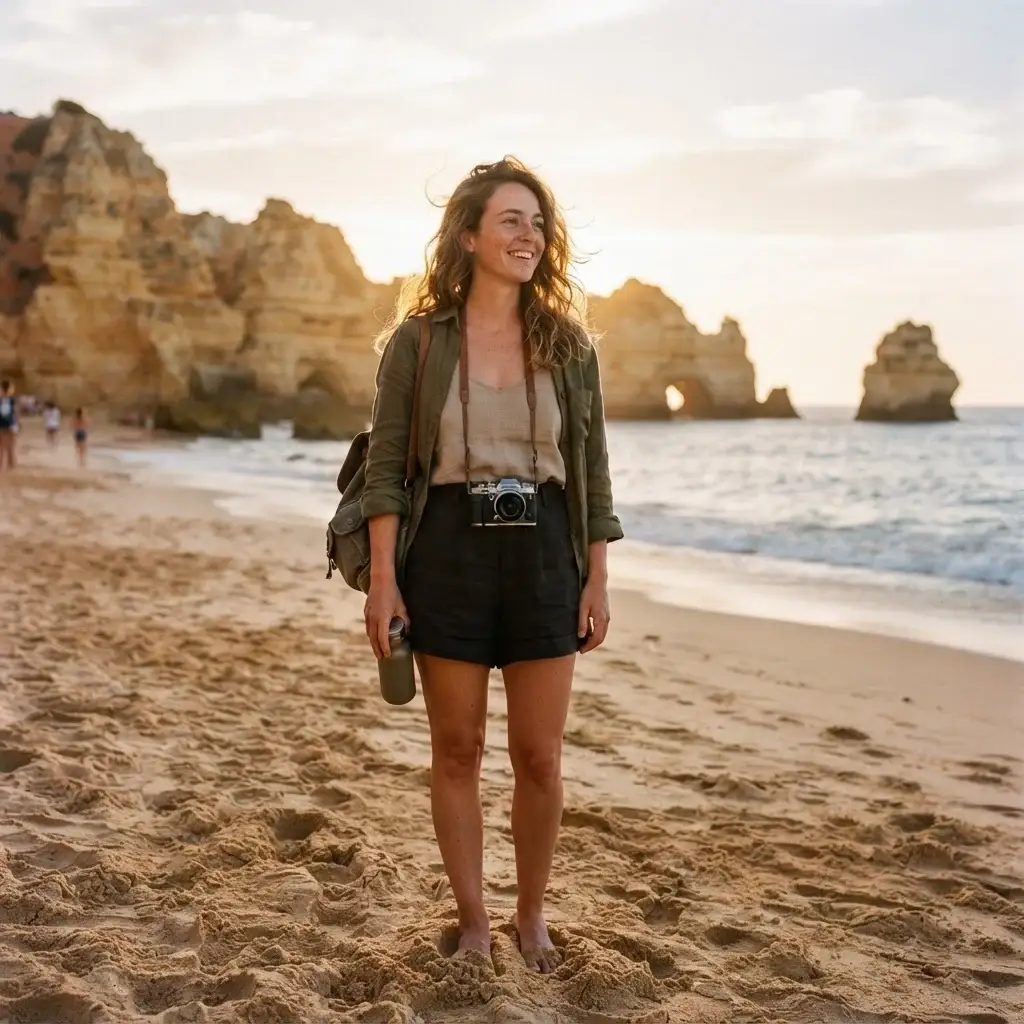
I used to spend my summers baking on the hot pavement of Manhattan. Back when I worked as a New York City sightseeing guide, my feet would throb by the end of the day. I would look out at the murky water of the Hudson River and daydream about cold, clear ocean waves. I was working a traditional 9-to-5 corporate job during the week and waitressing on the weekends just to save enough money to finally see the world.
When I finally bought a one-way ticket and left that exhausted version of myself behind, I realized something important. The world is not as scary as we are told it is. And if you are dreaming of golden sand, towering cliffs, and a place where you can sit quietly with a book and a plate of fresh fish, you need to look at Portugal.
Planning a trip by yourself can feel really scary. You might worry about how to get around, where to eat, or if you will feel lonely. But I am here to tell you that this country was made for independent explorers. The locals are warm, the transit is easy to figure out, and the coastline is pure magic. Today, I am going to walk you through exactly how to find the best beaches in Portugal, with every detail you need to step out of your comfort zone and into the sunshine.
Why Solo Travel to the Portuguese Coast is the Best Choice You Will Make
Portugal feels like a warm hug. When I first started traveling by myself, I was nervous about safety. But Portugal is known as one of the safest countries in the world. As a woman traveling alone, I have walked back to my guesthouse after sunset, eaten dinners by myself at tiny sidewalk tables, and asked strangers for bus directions without ever feeling on edge.
Of course, being a smart traveler means doing your homework. I always make it a habit to check the U.S. Department of State’s travel advisories for Portugal to stay aware of any minor transport strikes or local alerts before I fly. Being prepared is the quickest way to build your travel confidence.
The beach culture here is all about slowing down. Nobody is rushing you. You can spend five hours reading a novel under a beach umbrella, and nobody will look at you twice. If you want a broader look at the country’s vibe before packing your bags, you can browse through Lonely Planet’s overview of Portugal to get a feel for the different regions. But for now, let us focus on the sand, the sea, and the food.
The Algarve: Golden Cliffs and Famous Coves
When people think of the best beaches in Portugal, they usually picture the Algarve. This is the southern coast. It is famous for huge limestone cliffs that glow bright orange at sunset. Yes, it can get busy in the summer, but navigating it alone is totally doable.
Praia do Camilo (The Staircase to Heaven)
This is the beach you have probably seen in photos. To get down to the sand, you have to walk down about 200 wooden steps. As you walk down, the view of the blue water framed by giant orange rocks will take your breath away.
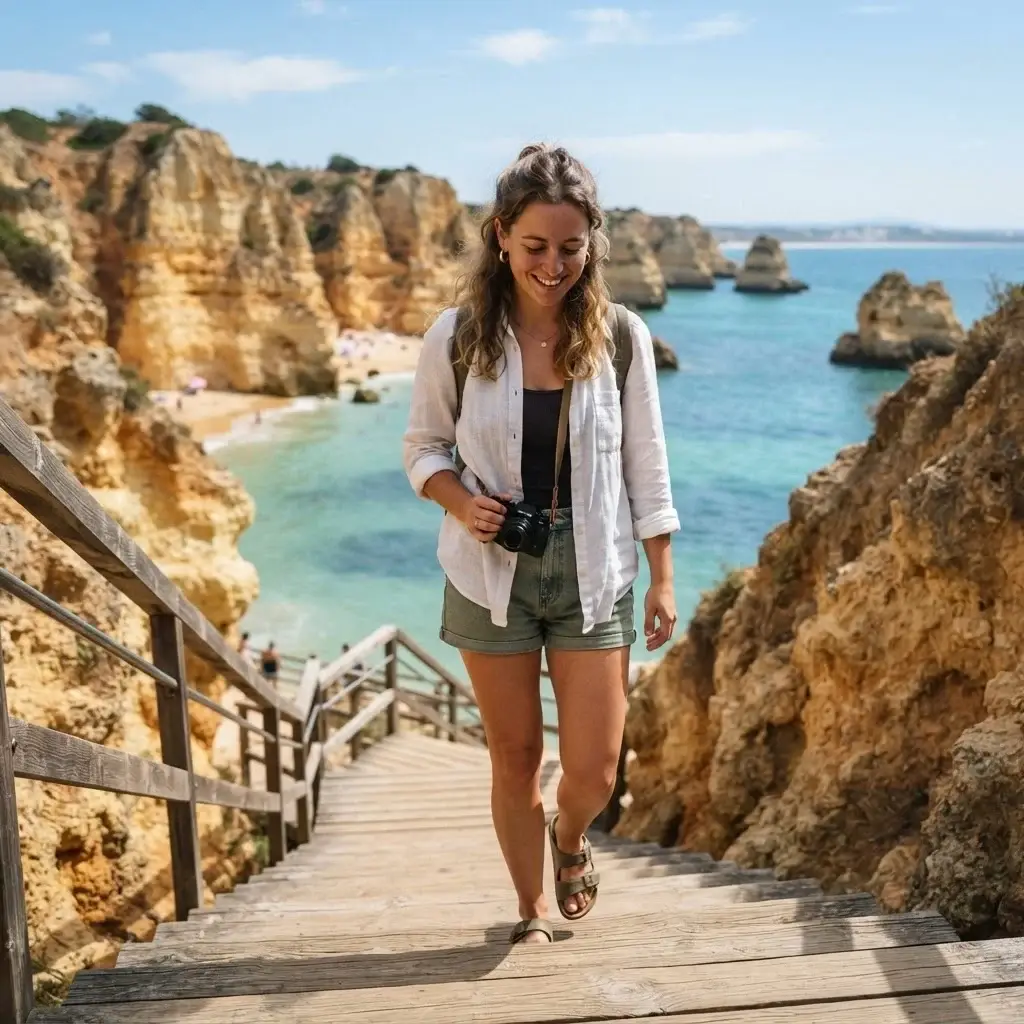
How to get there: Base yourself in the town of Lagos. From the center of Lagos, Praia do Camilo is about a 30-minute walk. The walk is safe and clearly marked. You do not need to rent a car. If you do not want to walk in the heat, you can use the Uber app to grab a cheap ride for around 5 Euros. Insider tip: Because this beach is small, it fills up fast. Go at 8:30 AM. You will have the whole cove to yourself for at least an hour. The water is super cold, even in August, but it is deeply refreshing.
What to eat: At the top of the wooden stairs is a restaurant called O Camilo. Treat yourself to a solo lunch here. Order the Robalo (sea bass). They grill it whole right in front of you with lots of garlic, olive oil, and sea salt. Pair it with a cold glass of Vinho Verde (a slightly fizzy young green wine from the north of Portugal).
Praia da Marinha (The Classic Beauty)
This beach often makes lists of the most beautiful beaches in the entire world. The sand is soft, and the rocks sitting out in the water look like giant sculptures.
How to get there: This one is a bit trickier without a car, but still very possible! Take the local Vamus bus from Lagoa. The bus drops you near the top of the cliffs. Make sure you check the return times on the bus stop pole as soon as you get off, because buses stop running early in the evening. Insider tip: Walk the cliff path before you go down to the sand. The Seven Hanging Valleys trail starts right here. Walking a mile of this trail by yourself, feeling the ocean wind in your hair, is the ultimate freedom. What to eat: There is a small snack bar right on the sand at Marinha. It is a bit overpriced, but grabbing a quick Bifana (a simple, greasy, amazing pork sandwich on a crusty roll) with a cold Super Bock beer is exactly what you need after a swim.
The Alentejo Coast: Wild, Untamed, and Perfect for Introverts
If the Algarve is the popular cheerleader, the Alentejo coast is the quiet, artsy kid reading a book under a tree. This region is just north of the Algarve, facing the Atlantic. The water is rougher, the cliffs are dark and jagged, and the crowds are gone. If you want peace, quiet, and raw nature, these are the best beaches in Portugal for you.
Praia de Zambujeira do Mar
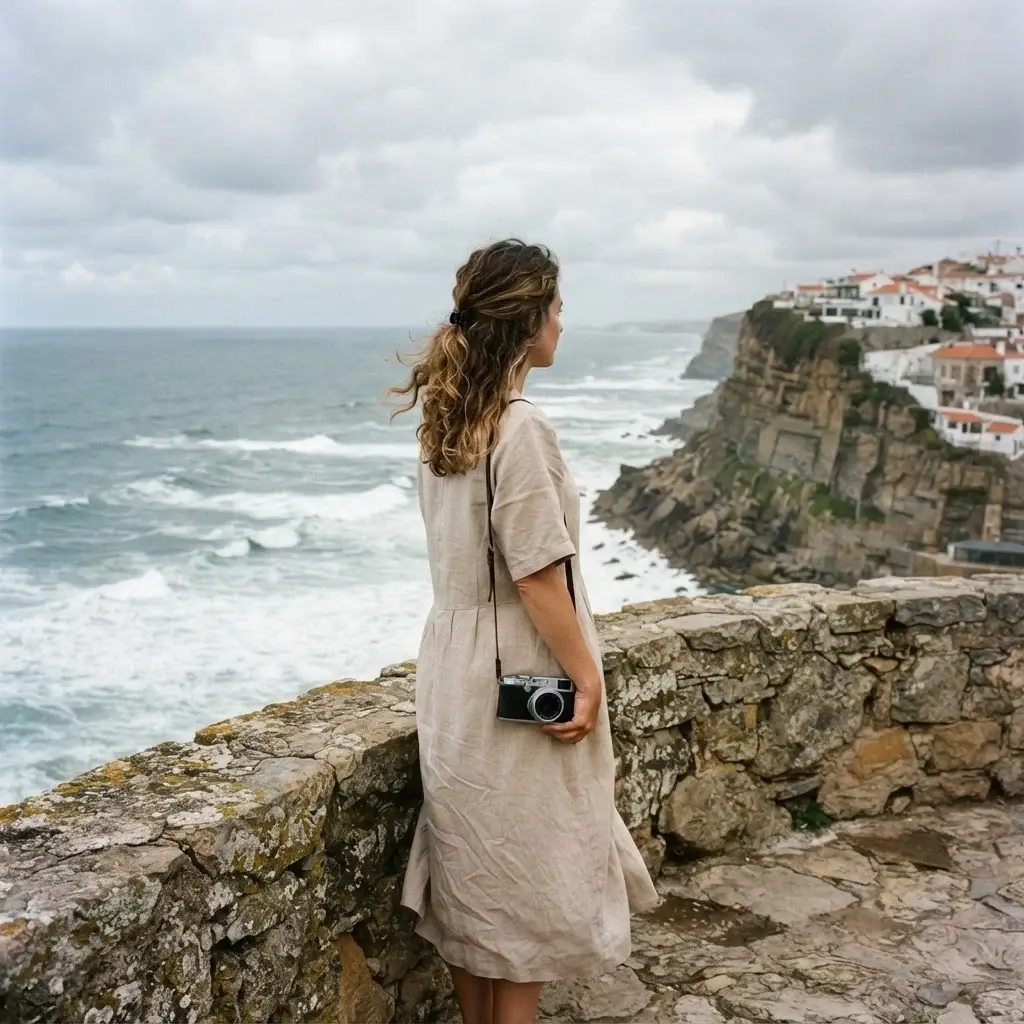
This is a tiny whitewashed village perched right on the edge of a massive cliff. You look over the wall of the town square, and the beach is straight down below you.
How to get there: You can take the Rede Expressos bus directly from Lisbon to Zambujeira do Mar. The ride takes about three hours. Buy your ticket online a few days in advance. The bus drops you right in the middle of the village, and the beach is a three-minute walk away. Insider tip: Bring a warm sweater. Even in the middle of July, the Atlantic wind here can give you goosebumps the moment the sun dips behind a cloud. What to eat: Alentejo is famous for a dish called Carne de Porco à Alentejana. It sounds strange, but trust me. It is a stew of marinated pork cubes cooked with fresh clams, garlic, and cilantro, served over fried potatoes. Eat this at any small tavern in the village. It is the best meal to warm you up after a windy beach day.
Praia de Odeceixe
This beach is magic because it is shaped like a giant horseshoe. A river flows right into the ocean here. You can choose to swim in the salty ocean waves on one side, or the calm, warmer river water on the other side.
How to get there: Take a bus to the town of Odeceixe. From the town, the beach is about two miles away. You can rent a bicycle in town and ride along the flat river path to the beach. Riding a bike by yourself, listening to the birds and the water, is pure joy. Insider tip: When the tide goes out, tiny pools of water form in the sand. They get warmed up by the sun like natural bathtubs. Find one and sit in it. What to eat: Before you bike to the beach, stop at a bakery in the main town and ask for a Pastel de Nata. This is Portugal’s famous custard tart. The outside is flaky pastry, the inside is warm egg custard, and they sprinkle cinnamon on top. Buy three. You will thank me later.
Around Lisbon: City Buzz to Beach Bliss
When I first planned my trip to Lisbon, I had no idea I could stay in a big, bustling city and still be lying on the sand thirty minutes later. You do not have to choose between culture and relaxation here.
Praia de Carcavelos (The Surf Spot)
This is a massive stretch of sand just outside the city. It is very popular with locals, surfers, and groups of friends playing beach volleyball.
How to get there: Go to the Cais do Sodré train station in Lisbon. Go to the green ticket machines, change the language to English, and buy a ticket for the Cascais line. The train hugs the water the whole way. Get off at the Carcavelos stop and follow the crowd walking toward the ocean for about ten minutes. Insider tip: This is the best place to take a beginner surf lesson. You can just walk up to one of the surf schools on the sand and book a two-hour group lesson. It is a fantastic way to meet other travelers if you are feeling a little lonely. What to eat: There are dozens of cafes lining the beach. Skip the fancy ones. Find the most casual-looking spot and order Amêijoas à Bulhão Pato. These are fresh clams swimming in an incredible broth of olive oil, garlic, white wine, and fresh coriander. Use a piece of crusty bread to soak up every drop of that liquid.
Praia da Ursa (The Adventurous Trek)
This is the most rugged, wild beach near Lisbon. It is completely undeveloped. There are no bathrooms, no lifeguards, and no snack bars. It is just you, the giant sea stacks, and the crashing waves.
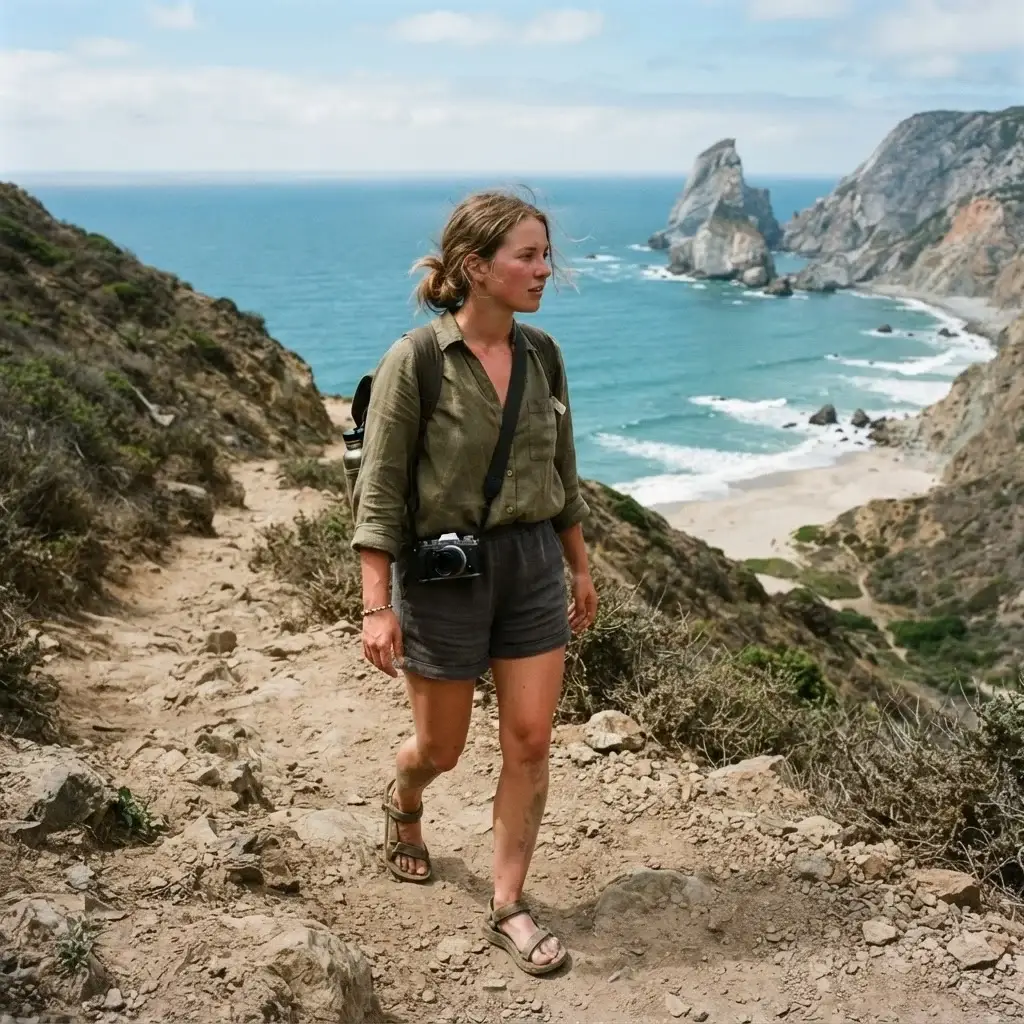
How to get there: Take the train from Lisbon to Sintra. From Sintra, take the 403 bus heading toward Cabo da Roca (the westernmost point of mainland Europe). Get off at the Cabo da Roca stop. From there, you have to hike down a steep, rocky dirt path for about 45 minutes to reach the beach. Insider tip: Do not attempt this hike in flip-flops. You need real sneakers with good grip. The path is steep and dusty. But when you make it to the bottom, the sense of accomplishment you feel is huge. The cliffs here are stunning, and to appreciate the cultural history of the area, you can read up on the UNESCO World Heritage listing for Sintra before your hike. What to eat: You must bring your own food! Pack a picnic from a grocery store in Lisbon. Get a wedge of Queijo de São Jorge (a sharp, crumbly cheese), some thin slices of smoked ham, and a fresh apple. Eating this on a giant rock while watching the waves is better than a five-star restaurant.
The Silver Coast (Costa de Prata): Big Waves and Deep Roots
North of Lisbon is the Silver Coast. The water here is colder, the waves are bigger, and the fishing traditions are still very much alive.
Nazaré (Giant Waves and Fishermen Traditions)
You might have heard of Nazaré because it holds the record for the biggest waves ever surfed in the world. In the winter, the waves can reach 100 feet tall! But in the summer, the main town beach is wide, flat, and full of colorful striped tents.
How to get there: The easiest way is by bus from Lisbon’s Sete Rios station. The Rede Expressos bus takes about two hours and drops you right near the water. Insider tip: Do not just stay on the beach. Take the bright blue funicular (a cliff railway) up to the O Sítio neighborhood at the top of the cliff. The view looking down at the beach is famous, and this is where you can see the lighthouse where the big wave surfers watch the ocean.
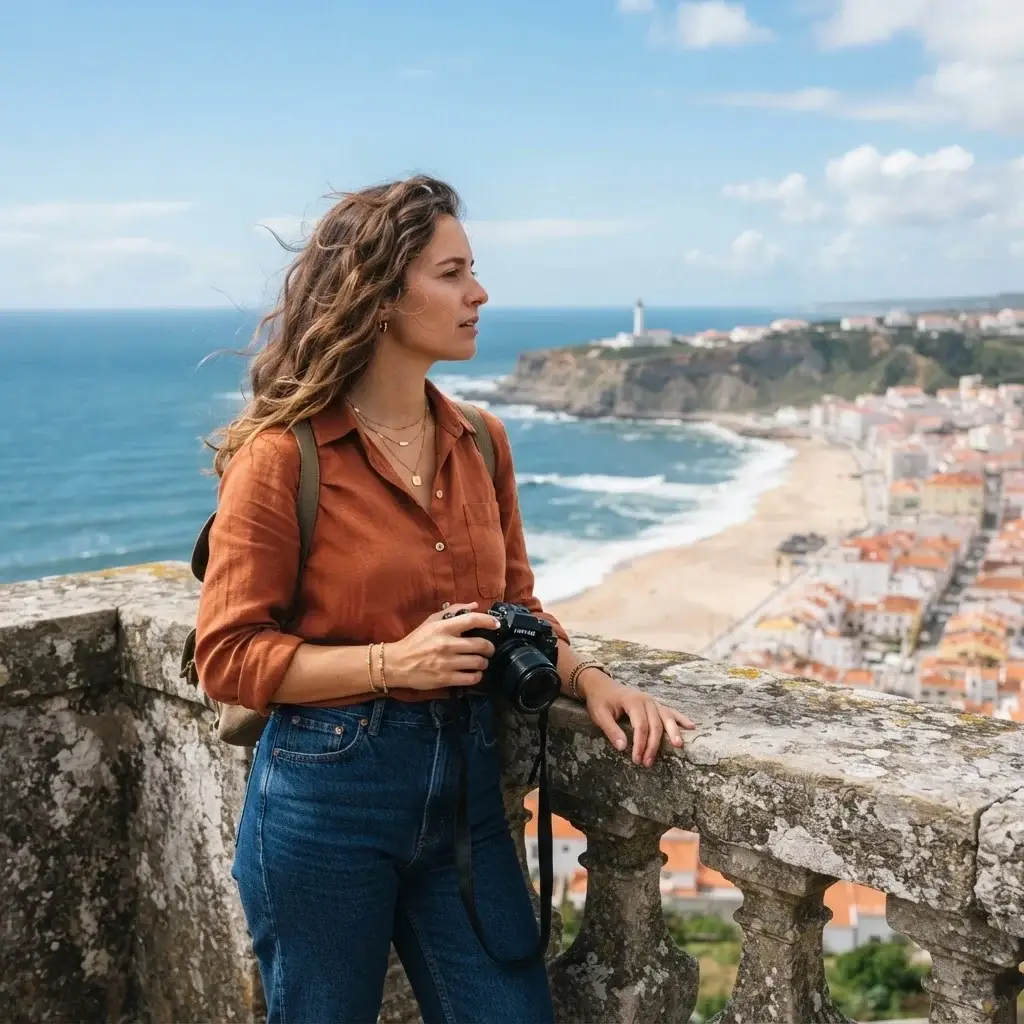
What to eat: You will see local women sitting by the beach drying fish on wooden racks in the sun. This is a very old tradition. Head to a local tavern and order Polvo à Lagareiro. This is octopus that has been boiled until tender, then roasted in the oven with garlic, olive oil, and smashed baby potatoes. It will melt in your mouth.
Staying Safe, Healthy, and Confident by the Water
Traveling solo is all about trusting yourself and taking care of your body. The sun in Portugal is very strong, and the ocean currents can be surprisingly powerful.
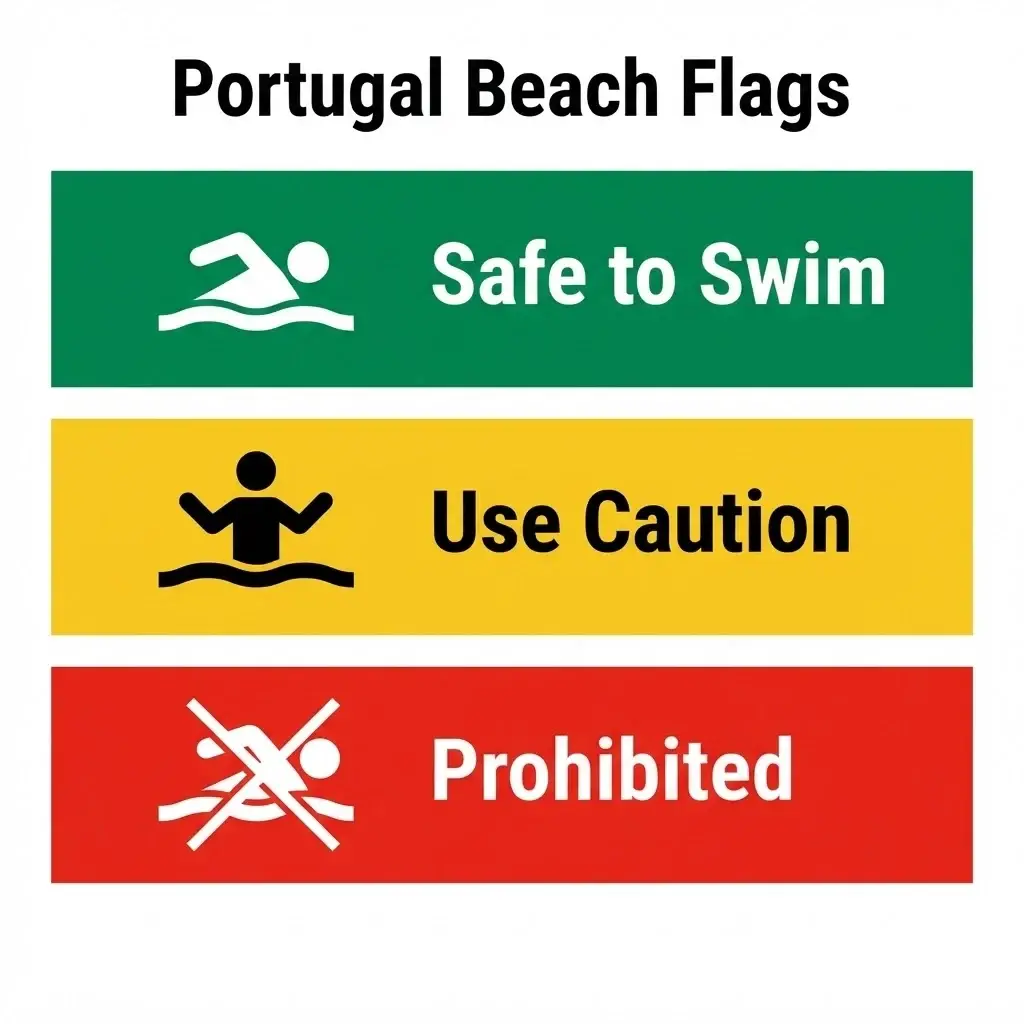
Never swim at a beach that does not have a lifeguard if the water looks rough. Always pay attention to the flags. A green flag means safe to swim, yellow means you can wade in the water but do not swim out, and red means do not enter the water at all.
Your health is your most important asset when you are alone. I always suggest that travelers review the CDC’s health and food safety tips for travelers before packing. It is just good practice to know the basics about sun protection and local pharmacies (look for the green cross signs; pharmacists in Portugal speak English and are incredibly helpful).
Stop Waiting for the Perfect Moment
When I think back to my days waiting tables, saving every dollar in a jar on my dresser, I remember how easy it was to make excuses. “I will go next year.” “I will go when my friend can come with me.” “I will go when I have more money.”
Do not wait. The best beaches in Portugal are sitting there right now, waiting for you to walk on them. The water is cold, the sun is warm, and the locals are ready to pour you a glass of wine. You do not need anyone else to give you permission to have an adventure.
Pack a light bag, bring a good book, and buy that ticket. The world is huge, and you deserve to see it with your own two eyes.
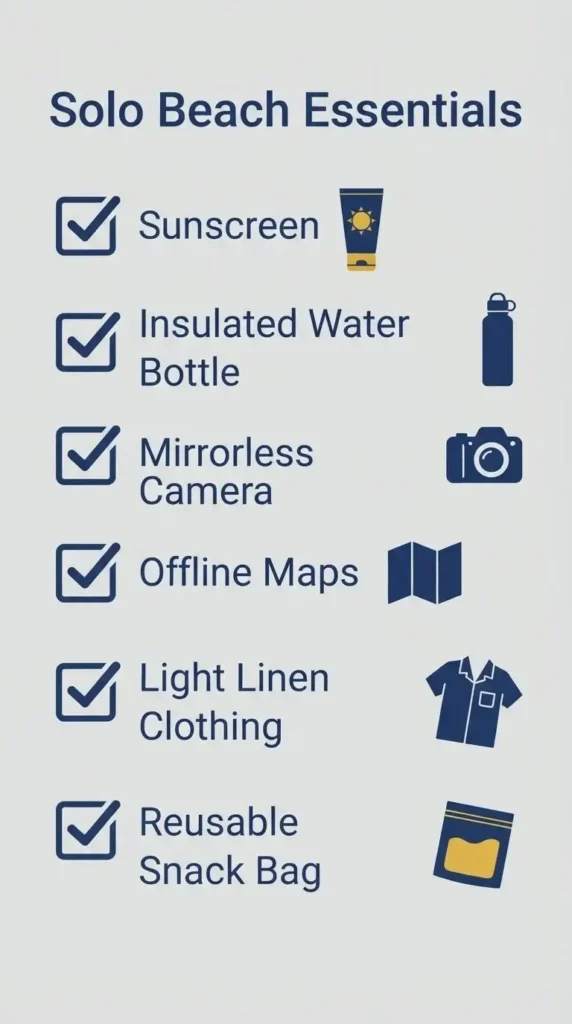
I promise you, the moment you step onto the sand with only yourself for company, you will feel a kind of freedom you have never felt before.