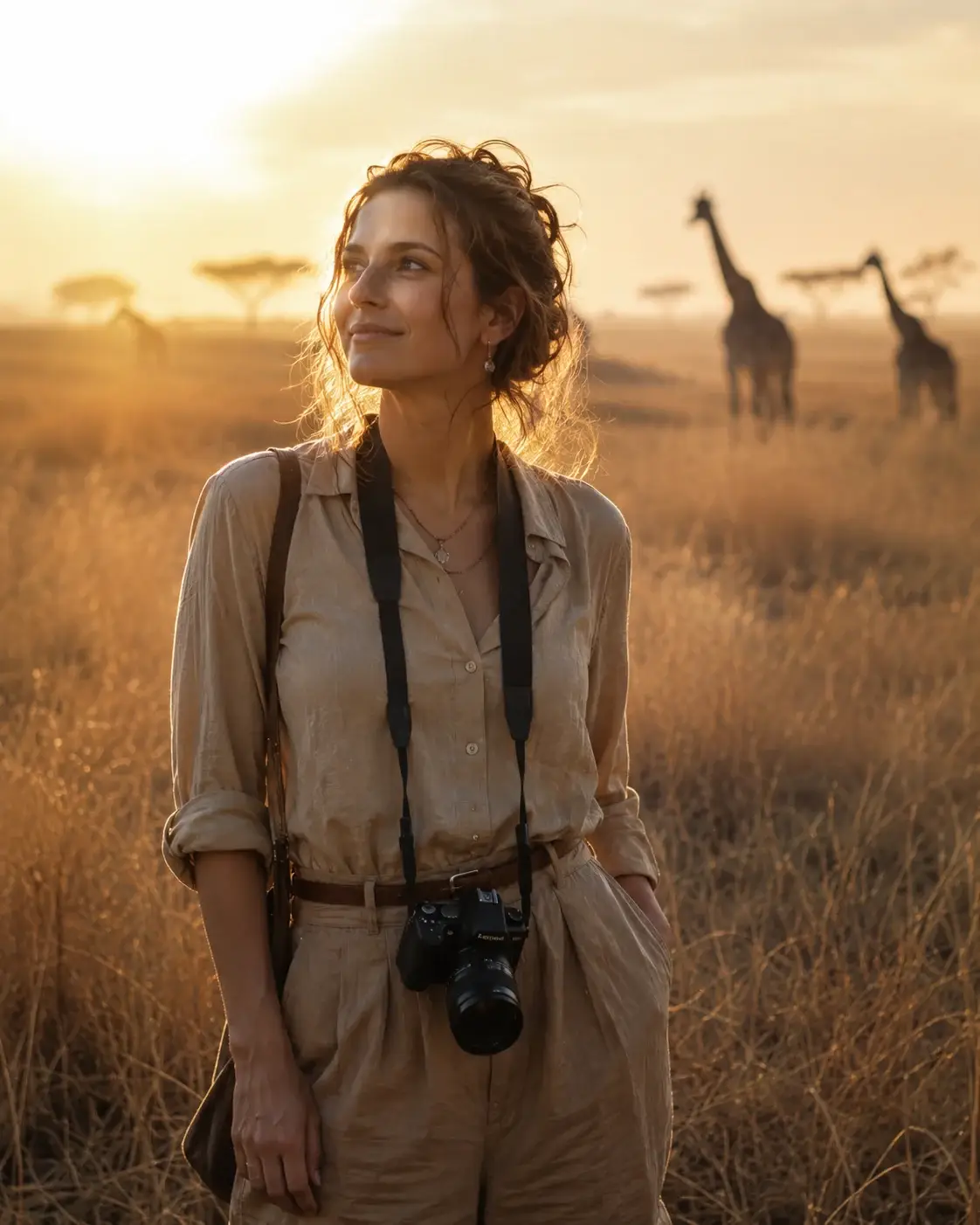
When I first sat down to plan my maiden solo trip to Africa, the sheer volume of “must-haves” online nearly scared me out of going. I had spent years working as a sightseeing guide in New York, where my packing list involved little more than comfortable sneakers and a portable charger. Suddenly, I was staring at gear lists that looked like I was prepping for an arctic expedition or a three-year military deployment.
I remember the anxiety of that first big adventure. I had left my corporate office job to pursue this life of writing and wandering, and I didn’t want a packing mishap to be the reason I felt out of my depth. I realized then that the industry often pushes “survival gear” on people who really just need a few sensible, well-chosen items. Whether you are headed to the Serengeti or the Okavango Delta, the goal isn’t to look like a National Geographic photographer—it’s to be comfortable, safe, and ready to soak in the experience.
Here is the truth about what to pack for an African safari.
The Foundation: Choosing Your Luggage
The most important rule I learned the hard way? Forget the rolling hard-shell suitcase. On almost every small bush plane or specialized safari vehicle, you will be told that your bag must be soft-sided. There is a practical reason for this: the cargo holds in light aircraft are tiny and oddly shaped. Hard-sided bags simply do not fit.
I recommend a high-quality, medium-sized duffel bag. You want something with durable zippers and a wide opening so you can see everything inside without digging. If you are traveling solo, try to stick to one main bag that weighs no more than 15 kilograms. Remember, there is laundry service at almost every reputable camp or lodge. You do not need a fresh outfit for every single day. Bring clothes for five days, and wash them as you go.
Clothing Strategy: Layering for the Wild
Safari mornings start early—often before the sun comes up. You might be shivering in a fleece jacket at 5:00 AM, but by 11:00 AM, you will be peeling off layers in the desert heat. Layering is not just a travel cliché; it is a survival skill in the bush.
The Color Palette
You have likely heard that you should avoid dark blue or black because they attract tsetse flies, which can give you a nasty bite. While this is scientifically accurate, don’t panic if you have a favorite navy hoodie. The main thing is to stick to neutral tones: khaki, tan, olive, and brown. These colors help you blend into the environment and, more importantly, they hide the dust. You will be covered in fine, orange-red dust within twenty minutes of your first game drive.
Essential Tops and Bottoms
I always bring two pairs of lightweight, breathable hiking trousers that can convert into shorts. Having a pair of leggings for the evenings is also a lifesaver. For tops, light cotton or technical moisture-wicking shirts are best. I stick to long sleeves for sun protection during the day and to keep the mosquitoes at bay in the evening.
If you are unsure about the specific health precautions or what kind of environmental factors you might face in the regions you are visiting, it is always a smart move to check the official health advisories provided by the CDC Travelers’ Health website to stay informed on recommended vaccinations and region-specific wellness tips.
Footwear: Keep It Simple
People often overspend on heavy, high-tech hiking boots. Unless you are planning a multi-day walking safari in difficult terrain, you honestly do not need them. A sturdy, broken-in pair of trail runners or lightweight hiking shoes will serve you perfectly.
Make sure your footwear is closed-toe to protect you from thorns and dust. For the downtime at your lodge or camp, a comfortable pair of slip-on sandals is essential. There is nothing better than kicking off dusty shoes after a long day of game viewing and letting your feet breathe on a wooden deck while you watch the sunset.
Protection from the Sun and Insects
The African sun is much stronger than what you are used to in the city. Because you will be spending hours in an open-sided vehicle, you are exposed to direct sunlight for long periods.
- A Wide-Brimmed Hat: Ensure it has a chin strap. The wind can be quite strong when the vehicle is moving, and you don’t want to watch your favorite hat fly off into a pride of lions.
- High-SPF Sunscreen: Reapply often.
- Polarized Sunglasses: These are not just for style. They cut the glare off the landscape and make it much easier to spot animals hidden in the tall, golden grass.
- Insect Repellent: High-DEET formulas are effective, but make sure to pack a small bottle that fits in your day bag so you can reapply before sunset.
If you are planning to visit sites that are recognized for their global significance, such as the incredible UNESCO World Heritage designated areas found across the continent, remember that your gear should be practical enough to let you enjoy these historic landscapes without feeling weighed down by excess baggage.
Essential Camera and Binocular Gear
You don’t need a professional camera rig to have a great time, but you do need to be able to see the animals. A good pair of binoculars is worth more than a fancy zoom lens. If you share one pair with your vehicle-mates, you will spend half your time waiting for your turn. Bring your own. An 8×42 magnification is the sweet spot—it’s powerful enough for detail but stable enough to hold steady.
For photography, a camera with a decent zoom (equivalent to 300mm or more) is helpful. However, never forget to put the camera down. Some of the most beautiful memories I have aren’t photos I took; they are the moments I spent just watching a cheetah teach her cubs how to stalk, without the distraction of a viewfinder.
The “Solo Traveler” Emergency Kit
When you travel solo, you are your own primary support system. I carry a small, dedicated bag for “just in case” items.
- A Personal First-Aid Kit: Include antiseptic wipes, band-aids, blister pads, and basic painkillers.
- Rehydration Salts: Dehydration sneaks up on you in the heat.
- Hand Sanitizer and Wet Wipes: Essential for when you are miles away from a restroom.
Before you head out on your journey, it is critical that you review the latest guidance on safety and entry requirements via the US Department of State Travel page to ensure you have all your documentation and security protocols handled well in advance.
Culinary Tips: What to Expect
The food on safari is often surprisingly gourmet. Lodges pride themselves on their hospitality. You will typically have a light breakfast before the morning drive, a big “brunch” after you return, tea in the afternoon, and a multi-course dinner.
Drink plenty of bottled or filtered water. Avoid tap water unless the lodge specifically tells you it is safe. If you have specific dietary needs, communicate them weeks before you arrive. Many of these camps are in remote locations and need to stock up on supplies via small planes or trucks days in advance.
Navigating the Experience
Once you arrive, be open to the rhythm of the bush. It is very different from the pace of New York. You will wake up before dawn and be in bed soon after dinner. It is exhausting in the most rewarding way possible.
If you are feeling overwhelmed, remember that you are capable of handling the logistics. I once felt like I couldn’t navigate a simple train station in Thailand, but that fear vanished the moment I took the first step. You will learn the ropes of the safari world within your first 24 hours.
For those interested in a broader perspective on what to expect from different regions, I often look at the destination overview guides on Lonely Planet to get a sense of the local culture and the unique geography of the specific parks I plan to explore.
Final Packing Wisdom
If you take only one piece of advice from me, let it be this: keep it light. You are going to be moving between the lodge, the vehicle, and the walking trails. The less you have to carry, the more freedom you have to explore.
You are going to experience things that will change how you see the world. You’ll see the horizon stretch further than you ever thought possible, and you’ll realize that the “perfect” packing list is just a tool to help you be present.
When things don’t go as planned—like when you forget your favorite pair of socks or when your camera battery dies mid-drive—take a breath. Those moments of imperfection are often the ones you will laugh about over dinner years later. That is the essence of travel. It’s not about having the perfect setup; it’s about having the courage to show up and let the adventure happen.
Before you go, take a moment to look into your protection options. It’s always wise to consult professional advice on travel insurance from World Nomads to ensure you have coverage for medical emergencies or trip delays, which gives you the peace of mind to truly relax and enjoy the wild.
You are ready for this. The preparations might seem like a lot right now, but once you are sitting in that vehicle, watching the sun rise over the savanna, the list won’t matter anymore. All that will matter is the life you are living in that exact moment.