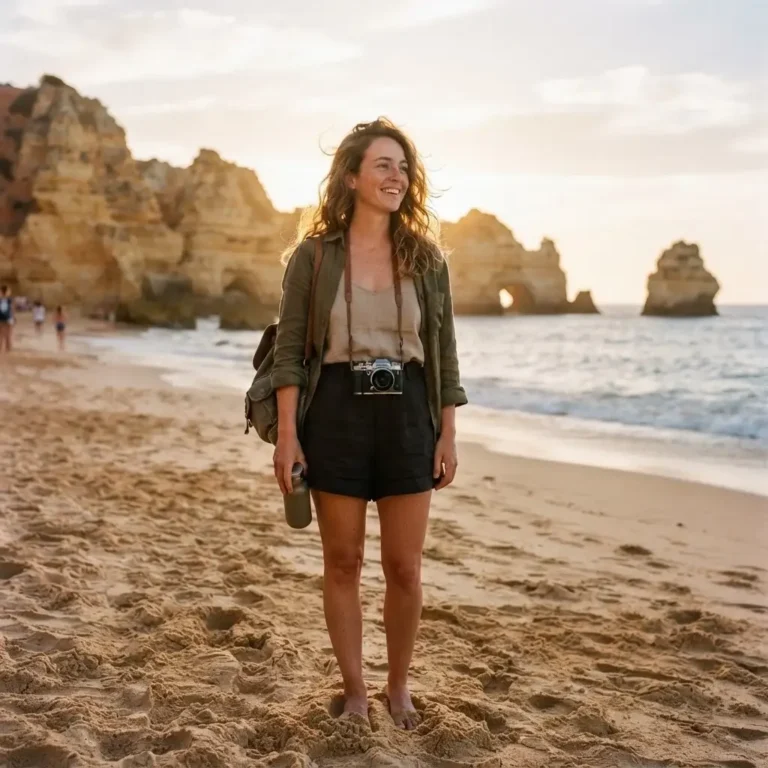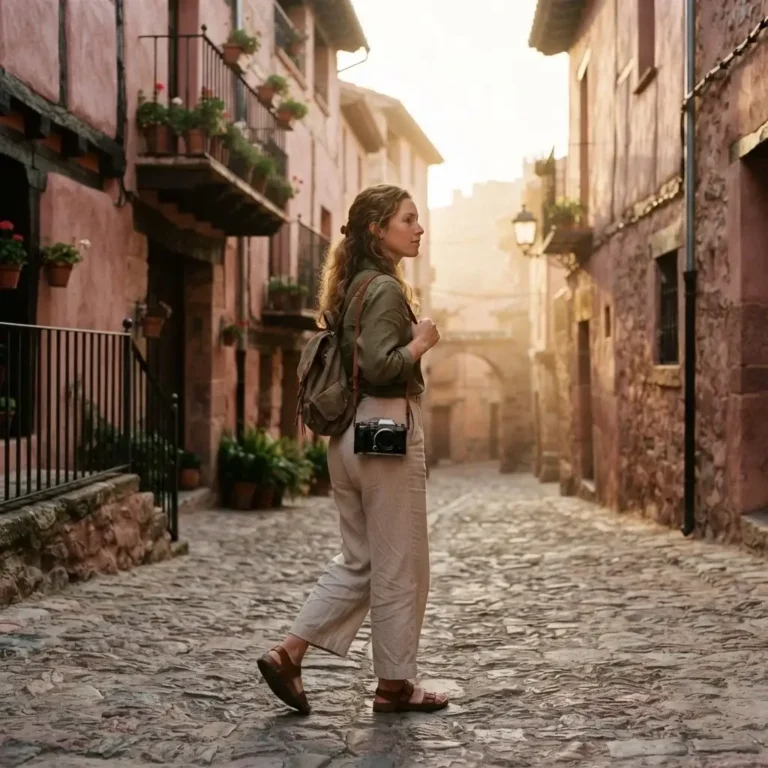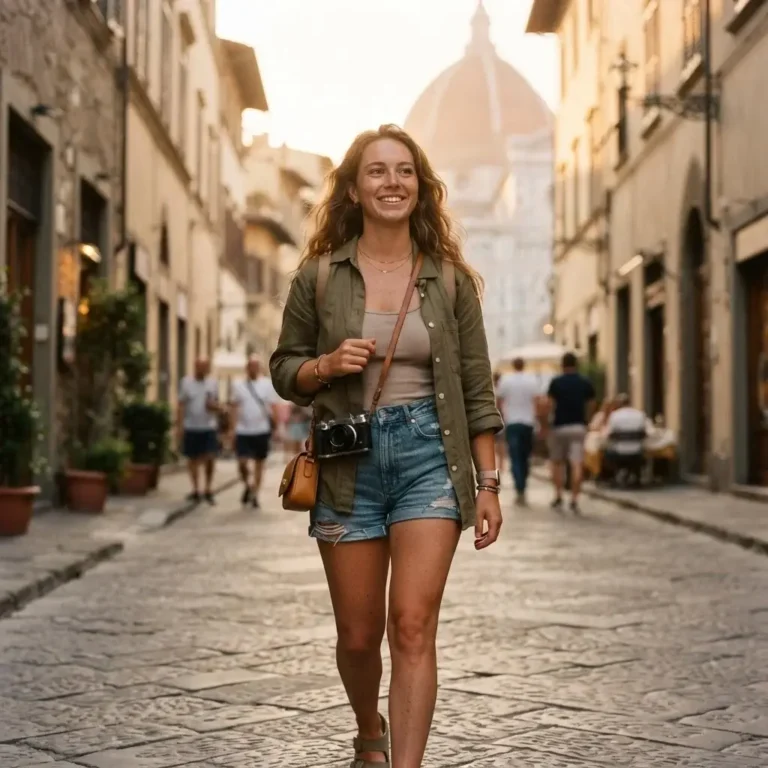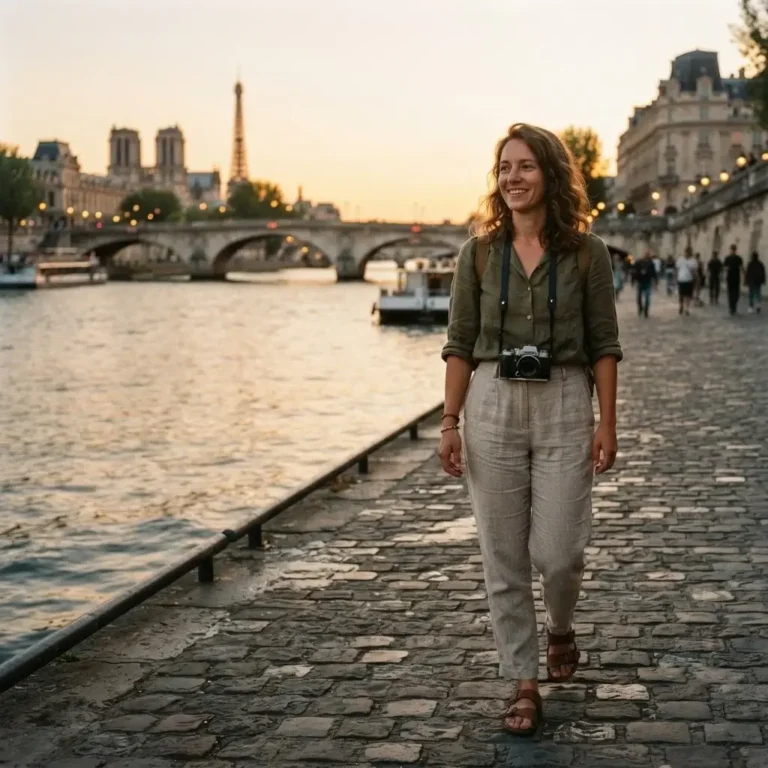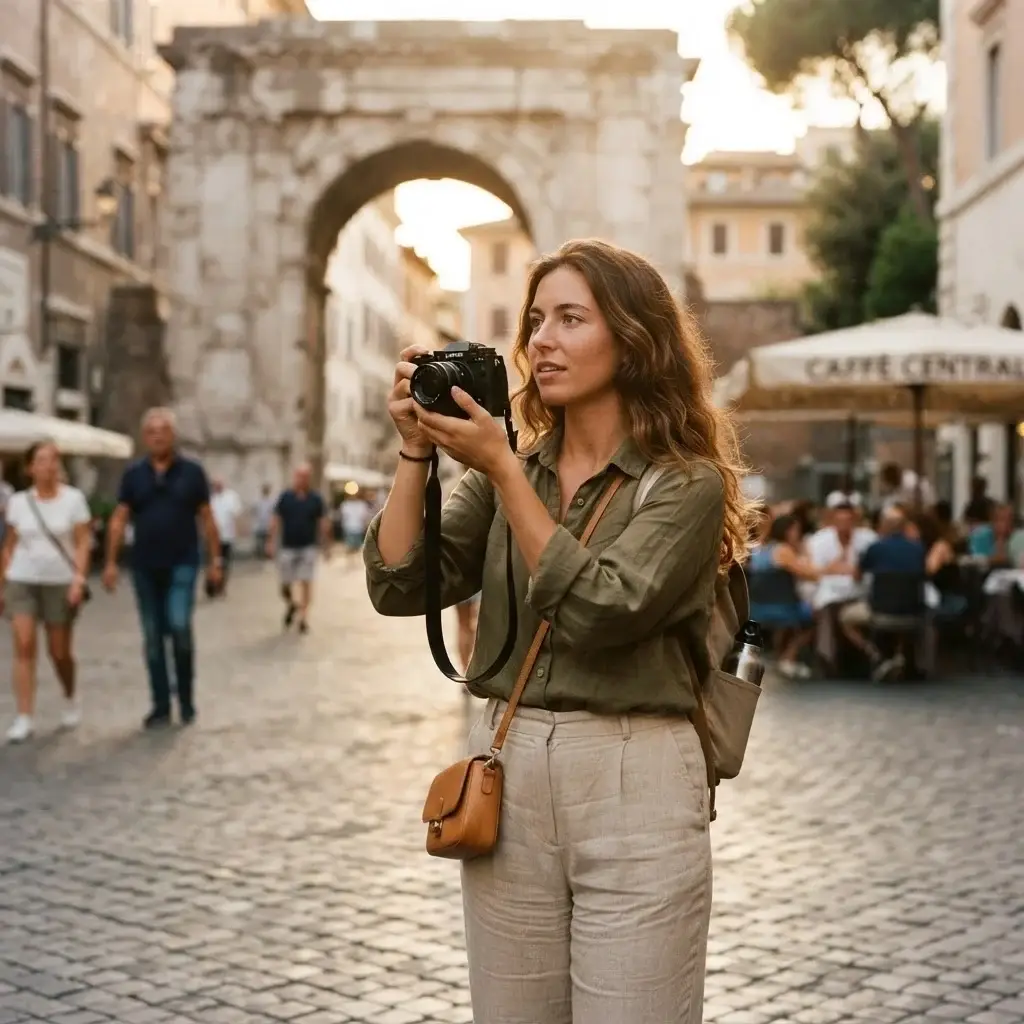
I remember sitting at my desk in a beige cubicle in New York, staring at a calendar that had exactly ten days of vacation time marked in red. I felt a hollow ache in my chest. I wasn’t just tired of the corporate grind; I was tired of viewing the world through a screen and a subway window. I wanted to see the light hit ancient stones in a way that wasn’t filtered by fluorescent office lights.
When I finally quit that job and started working flexible shifts—often waitressing until my feet throbbed just to save enough for a flight—I realized something profound. Photography wasn’t about the expensive gear. It was about slowing down. It was about the permission to stand on a street corner for twenty minutes just to watch how the morning shadows moved across a doorway.
If you are a solo traveler and a photography lover, you have the greatest gift of all: time. You don’t have to compromise with a partner who wants to rush to the next museum. You can follow the light.
Why Solo Travel is the Secret to Better Street Photography
Many people think photography is a solitary act because you are behind the lens. But when you are traveling with others, you are often negotiating, talking, or worrying about whether your companion is bored.
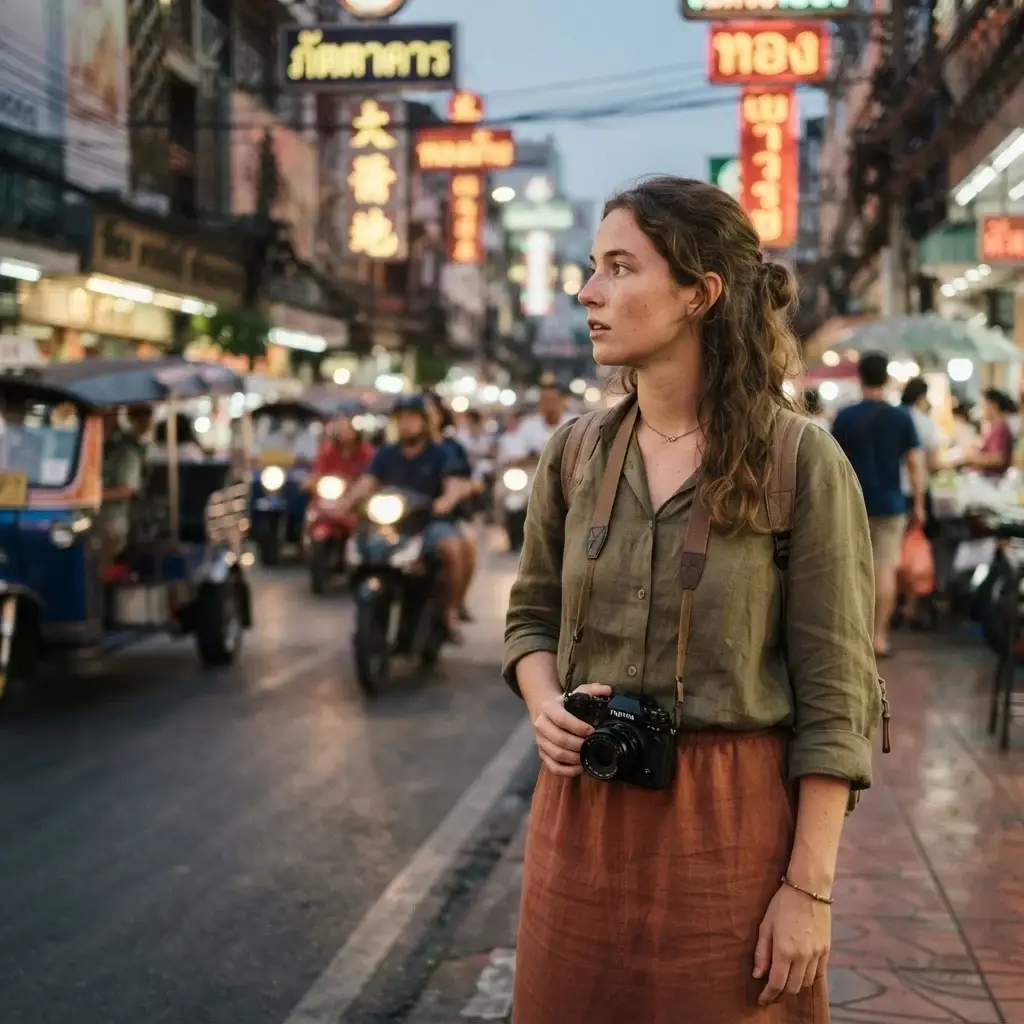
When you travel solo, you become invisible. You blend into the rhythm of a city. You are just another person observing the world.
My time teaching English in Thailand taught me that the best photos aren’t staged. They happen when you stop looking for “attractions” and start looking for “life.” I spent weeks just walking the same three blocks in Bangkok, watching the street food vendors prepare their morning routines. I learned that if you stay in one spot long enough, people forget you are a foreigner with a camera. They just see a person watching their day unfold.
Before you head to a new country, it is always a smart idea to check the latest travel advice on the US Department of State Travel website to ensure you understand local entry requirements and have a clear grasp of safety ratings for your specific route. Knowing you are prepared helps you relax, and a relaxed photographer is always a better one.
Crafting Your Itinerary: The “Golden Hour” Strategy
The biggest mistake I see photographers make is trying to hit five monuments in one day. You end up with five mediocre shots of crowded plazas. Instead, choose one neighborhood per day.
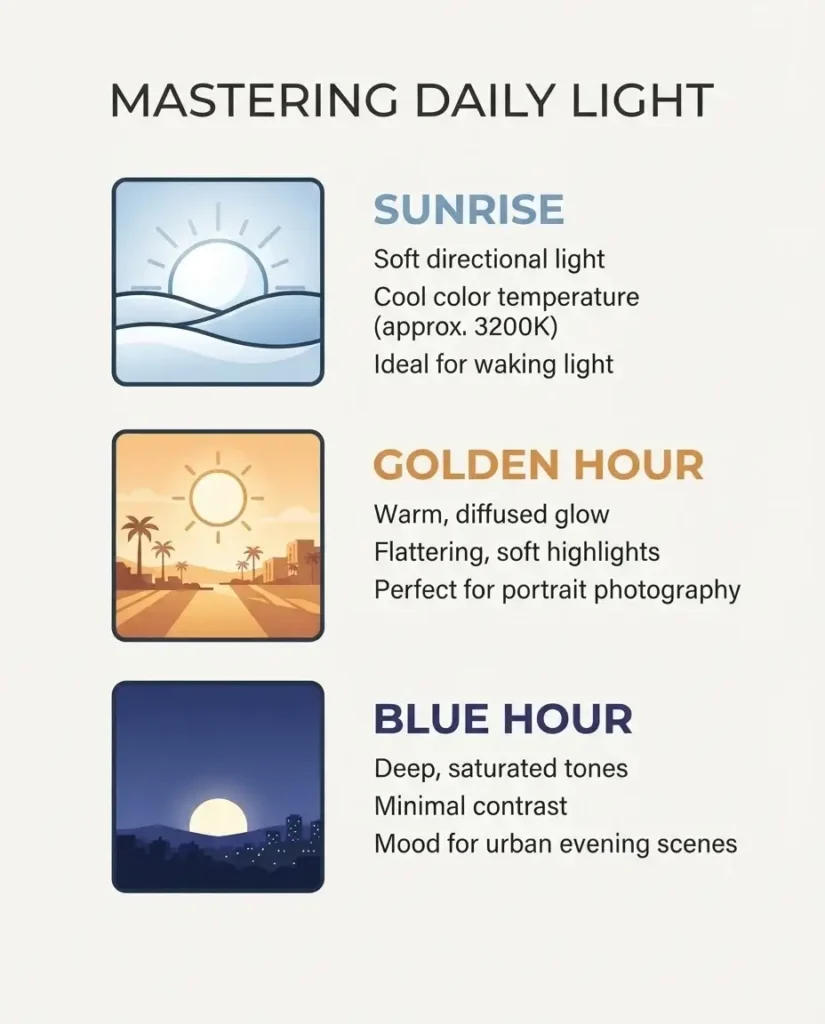
If you are visiting a city, start your day before the tourist buses arrive. In my early days of backpacking, I’d wake up at 5:00 AM. In cities like Rome or Kyoto, the morning light is soft, blue, and forgiving.
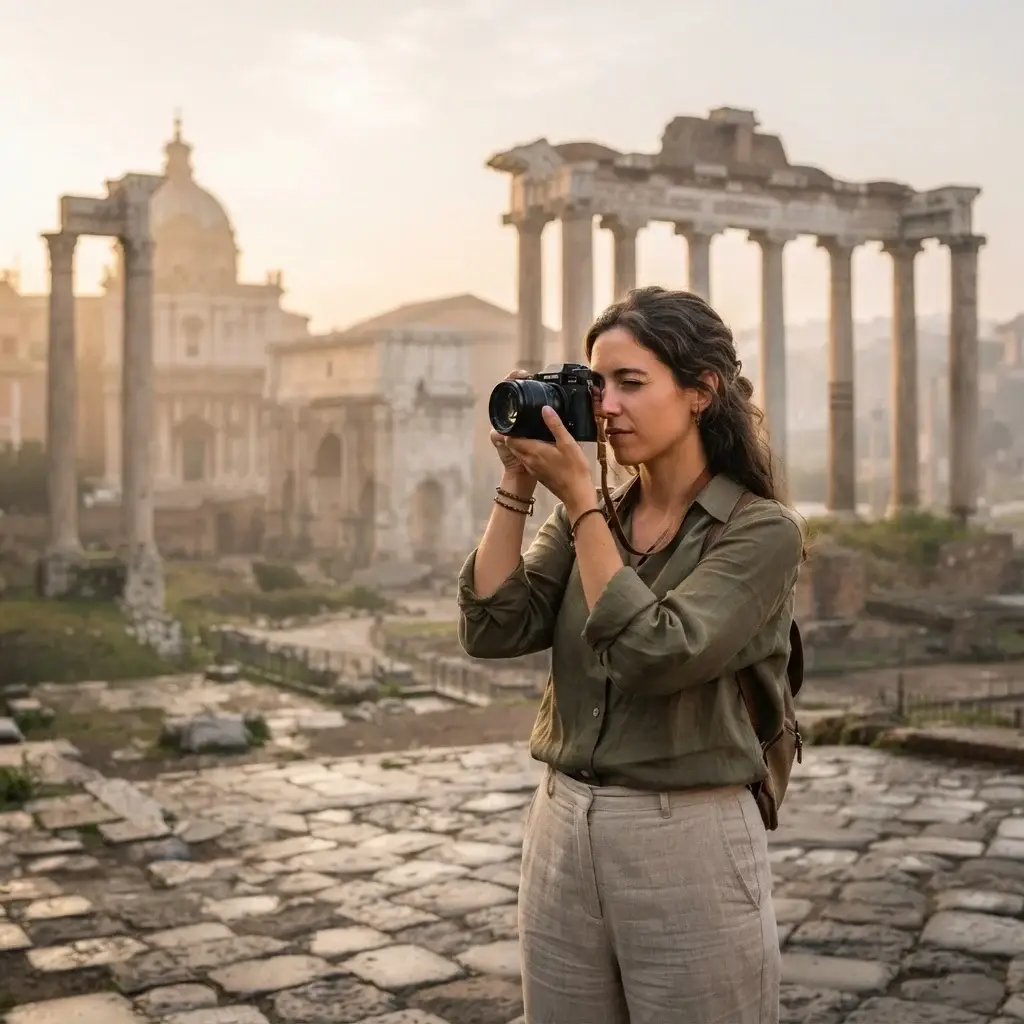
You can capture the architecture without the chaos.
When you are planning your routes, keep in mind that the official UNESCO World Heritage site is a fantastic resource for identifying locations that have cultural significance, which often translates into the most compelling visual stories. Focus on the details: the texture of a crumbling wall, the way a local shopkeeper arranges fruit, or the specific way the light catches a street sign.
Culinary Connections: Photography Through Food
Food is the universal language of travel. When I lived in Ghana, some of my favorite photos weren’t of the landscape—they were of the steaming pots of jollof rice and the hands that prepared them.
As a solo traveler, the dinner table is often the most intimidating place to be. But if you walk into a local eatery with your camera, you have an icebreaker.
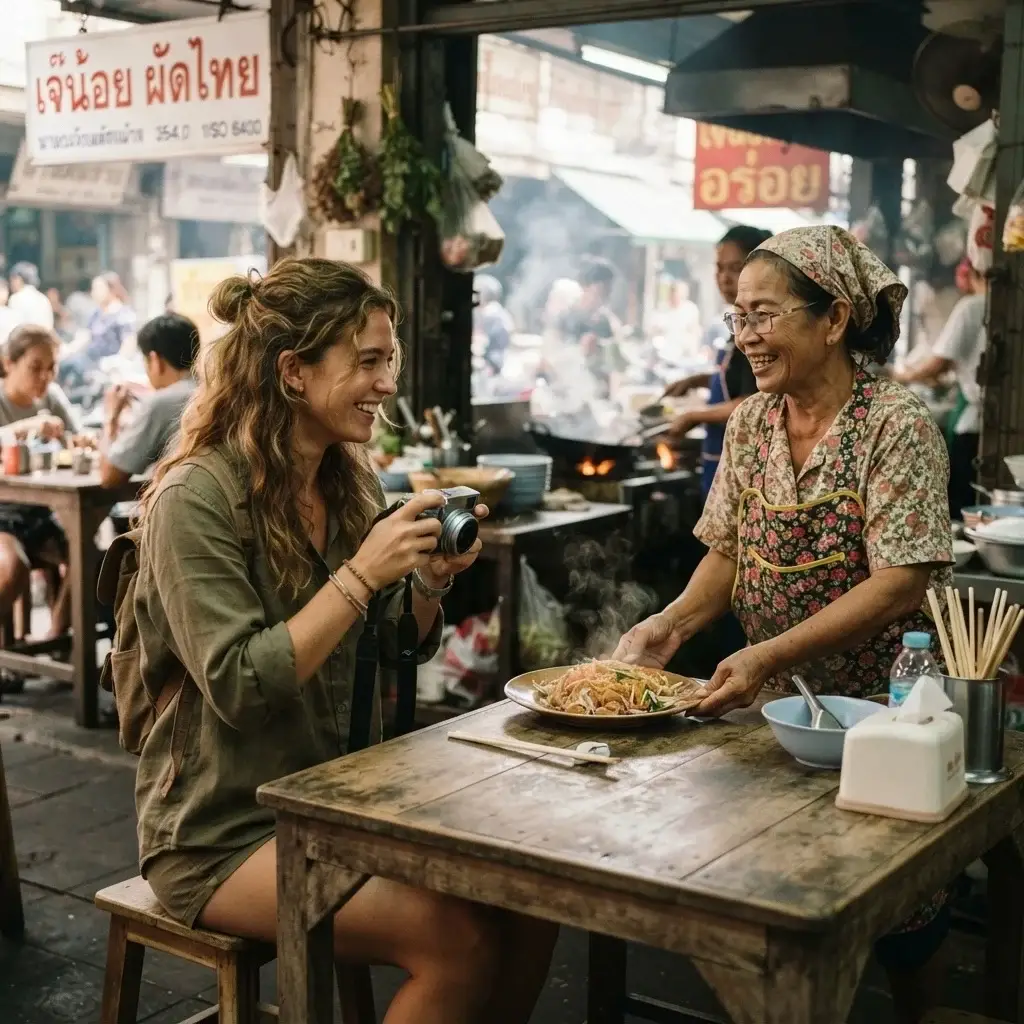
Ask if you can take a photo of the food. It shows respect for the craft. In many cultures, someone who appreciates the work that goes into a meal is welcomed with open arms.
Always prioritize your health while exploring these local flavors. It is very useful to keep an eye on the CDC Travelers’ Health guidelines for your destination, which offer essential tips on food safety and common health precautions so you can stay energized and focus on your shots rather than feeling under the weather.
Navigating the Urban Landscape Alone
Moving through a busy city with a camera bag can feel vulnerable. I learned this the hard way while getting lost in China. My best advice? Research the local transport system before you land. In many modern cities, ride-hailing apps have changed the game for safety and convenience. For example, understanding how the Grab app works for travelers can save you hours of frustration and keep you focused on finding the next great composition rather than worrying about hailing a taxi in a language you don’t speak.
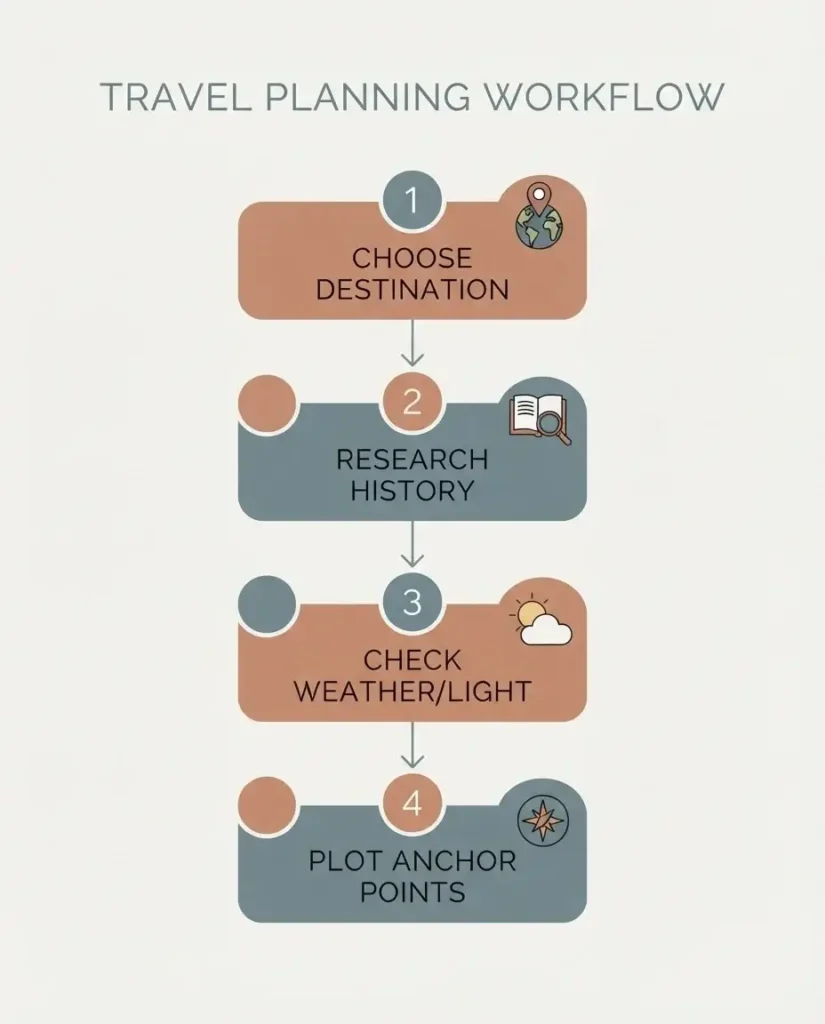
When I was a sightseeing guide in New York, I saw tourists stressed about their routes all day. Don’t be that person. Pick two “anchor” points for the day—maybe a park and a historic bridge—and let the journey between them be your playground. If you see an alleyway that looks interesting, take it. That is where the magic lives.
Managing the “Solo Travel Fear”
You might be thinking, “What if I look weird standing alone on a corner with a camera?” My dear, you aren’t standing alone; you are standing with intent.
Travel is not about what others think of you. It is about the growth you find when you push past that internal voice that says, “I should go back to the hotel.” Carry a small notebook. When you see something beautiful, stop and write down how it makes you feel before you take the photo.
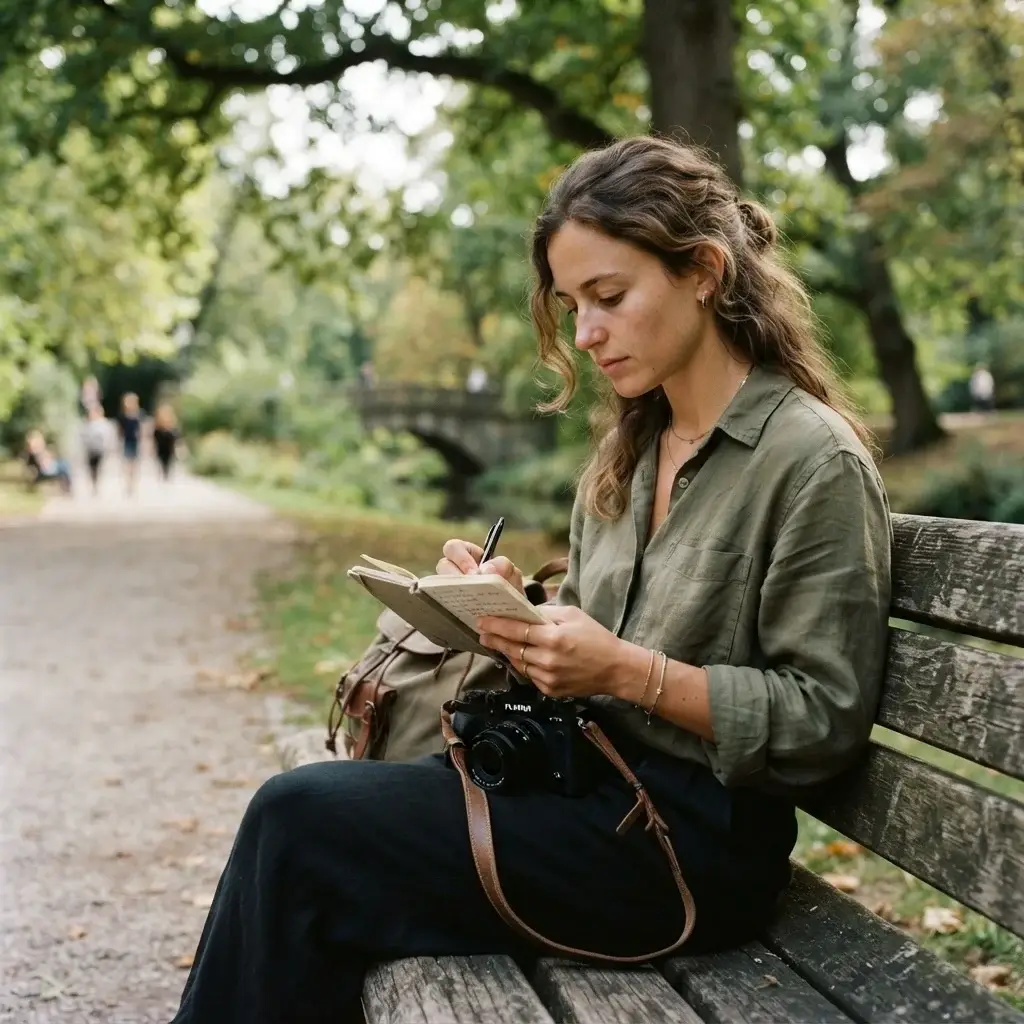
This anchors the image to a memory, not just a file on a memory card.
If you ever feel the weight of solo travel anxiety, consider looking into resources on traveler safety provided by World Nomads, which can provide helpful guidance on how to stay secure and confident in new environments. Sometimes, having that extra layer of information is exactly what you need to feel brave enough to venture into that quiet side street.
Essential Tips for Cultural Respect
Photography is a privilege, not a right. When we travel, we are guests.
- Ask for Permission: A simple smile and a point to your camera is usually enough. If they say no, nod, smile, and move on. No photo is worth making someone feel uncomfortable.
- Respect the Space: If you are in a temple, a church, or a local home, watch what others are doing. If they are quiet, you should be quiet. If they aren’t taking photos, you shouldn’t either.
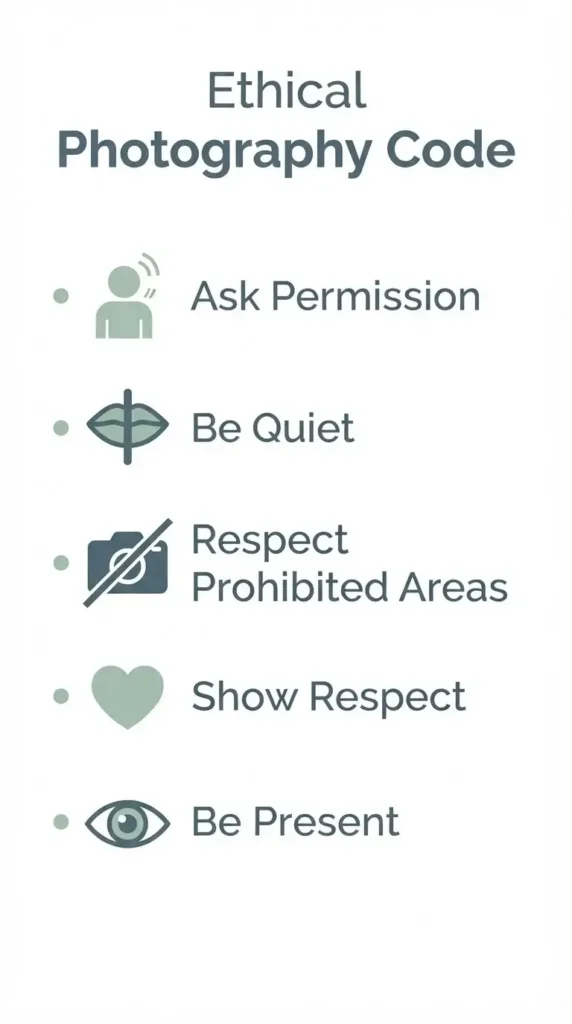
- Be Present: Don’t spend the whole trip behind the glass. Spend an hour shooting, then put the camera away for an hour and just drink a coffee. Watch the city happen around you.
Designing Your Own Path
The best city itineraries for photography lovers aren’t written by bloggers—they are written by your own curiosity.
Start by picking a city that excites you. Do some research, not on “top 10 photo spots,” but on the history of the place. What is the architecture like? What is the weather? Then, build your day around the light.
I remember when I was in Thailand, I went to a local festival based on the cultural guides from the Tourism Authority of Thailand to ensure I was behaving appropriately while capturing the events. The festival was colorful, loud, and overwhelming. Because I had read up on the etiquette beforehand, I felt like a participant rather than an intruder. That made all the difference in the photos I took.
Remember: you don’t need to capture everything. You just need to capture the things that make you feel something.
A Final Note on the Journey
When I look back at my photos from the last decade, I don’t see “best city itineraries for photography lovers.” I see my own evolution. I see the woman who was afraid to leave her desk, and I see the woman who learned to find beauty in the chaos of a busy market, the quiet of a sunrise, and the kindness of strangers.
Your camera is a passport, but your curiosity is the engine. Go out there and make mistakes. Take blurry photos. Forget to change your settings. Get lost. Those moments are the ones that will define your growth. The world is waiting for you to see it—not just as a tourist, but as a witness to the beautiful, messy, wonderful truth of life.
Stop waiting for the “perfect moment.” The perfect moment is happening right now, in the light hitting the street outside your window. Pick up your camera, leave your expectations behind, and go find your own story.