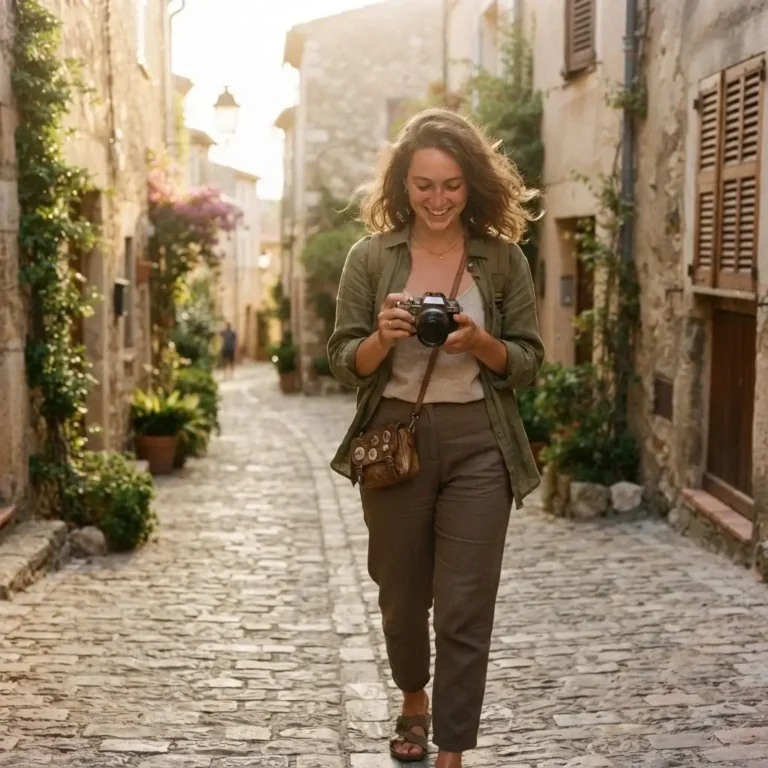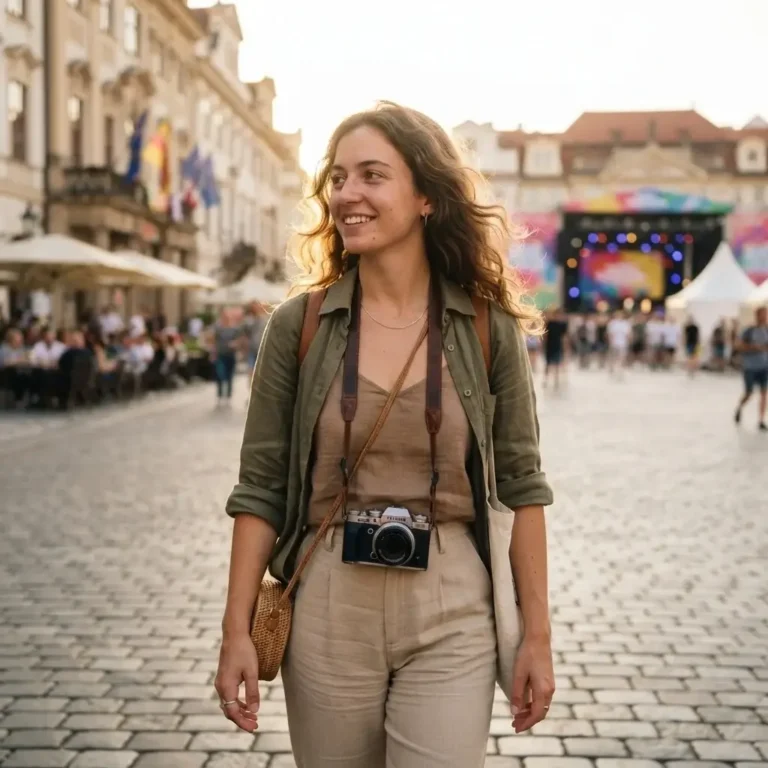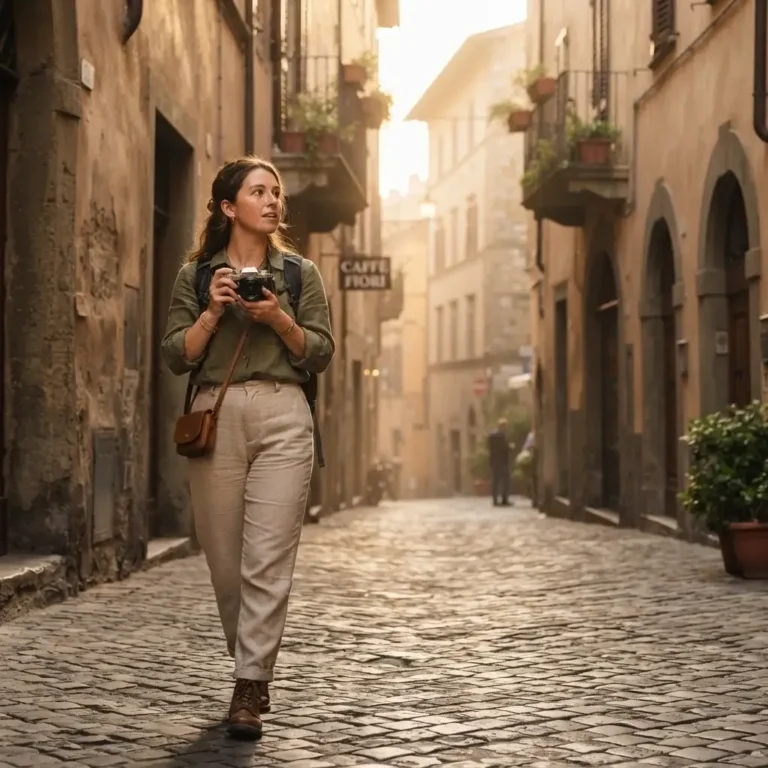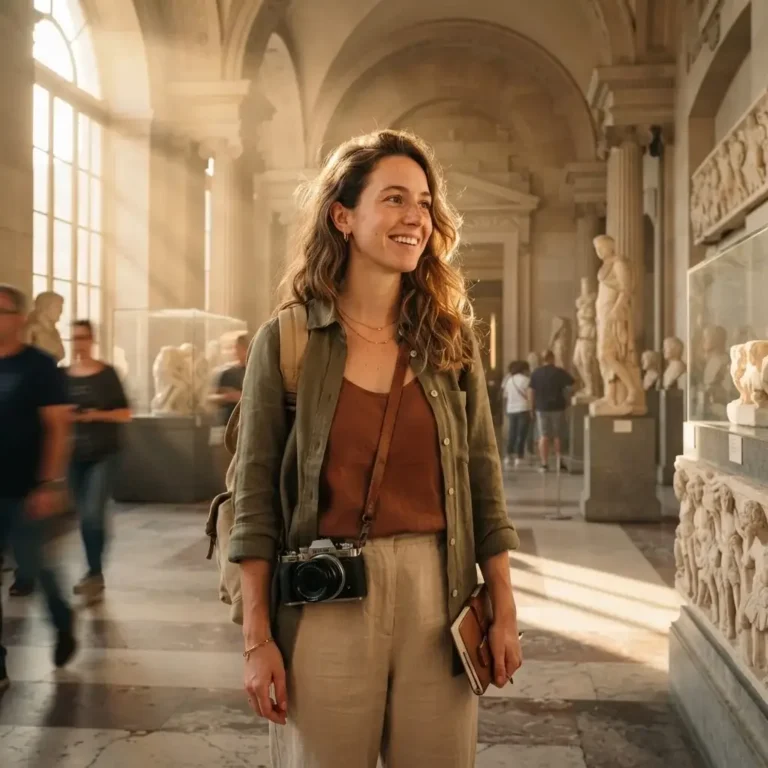
I still remember the day I decided to walk away from my traditional office job. I was sitting at a gray desk in New York City, staring at a computer screen. The clock seemed to move backward. I had a stable career, a predictable routine, and two weeks of paid vacation time every year. By society’s standards, I was doing everything right. But deep inside, I felt trapped. I did not want to spend my life waiting for a tiny window of freedom each year just to rush through a crowded tourist destination.
Before that desk job, I had tasted real freedom. I had studied abroad in Australia and backpacked solo across parts of Europe. I had even lived with a wonderful local family in a small town in Ghana. Those experiences taught me that the true magic of travel does not happen when you are standing in a three-hour line to take the exact same photo as thousands of other people. The magic happens when you slow down, turn down a quiet side street, and connect with the local culture.
Eventually, I made my move. I quit that corporate job. I took flexible roles, like waitressing late into the night, to save every single dollar I could. Later, I worked as a certified sightseeing guide in New York City. Standing on those big double-decker buses, shouting through a megaphone about famous landmarks, gave me a unique perspective. I watched tourists check things off a list like they were doing chores. They were exhausted, stressed, and disconnected from the city around them. That job convinced me that people need a new way to explore. They need to learn how to create their own adventures.
Today, I want to share my step-by-step system for building your own independent travel plans. You do not need an expensive travel agent, and you do not need to follow a crowded tour group. I will teach you exactly how to map out the best hidden-gem city itineraries on your own, so you can build your solo travel confidence and experience the world with open eyes.
Step 1: Shifting Your Mindset From Tourist to Explorer
To find the best places, you have to change how you look at a map. Most people start planning a trip by typing “top things to do in [City]” into a search engine. This is a mistake if you want an authentic experience. When you do that, you get the exact same list that everyone else is reading. You end up at the same crowded spots, paying high prices for mediocre food.
The Trap of the Famous Checklist
When I taught English in Thailand, I noticed that travelers often rushed through incredible towns just to get to a famous beach or a highly rated temple. They were so focused on the destination that they missed the entire journey. A checklist makes travel feel like a competitive sport. It makes you feel like you haven’t really “visited” a country unless you see its most famous monument.
But true travel is about personal growth and curiosity. The best hidden-gem city itineraries do not rely on famous landmarks. They rely on everyday moments. They are built around a morning walk to a neighborhood bakery, a chat with a local artisan, or an afternoon spent reading a book in a quiet public square. When you drop the checklist, the pressure disappears. You give yourself permission to look around and enjoy where you actually are.
Why Lesser-Known Cities Offer Better Connections
Lesser-known cities are often much more welcoming than big tourist hubs. In a city overrun by tourism, the locals can sometimes feel tired of the crowds. Prices are inflated, and the interactions can feel transactional.
When you visit a hidden-gem city, the dynamic changes completely. The locals are often proud to show you their home. They want to share their stories, their food, and their traditions with you. I found this to be incredibly true when I hiked through smaller regions in China. People who did not speak a single word of English would invite me to sit down for hot tea simply because they were curious and kind. Those moments of genuine human connection will always outshine any famous view you can buy a ticket to see.
Step 2: The Practical Research Framework
You might wonder how you can actually find these hidden-gem locations if they are not on the front page of travel magazines. The secret is to use digital tools in a smart, creative way. You do not need to spend money on fancy guidebooks. You just need a laptop, an internet connection, and a bit of patience.
How to Use Digital Mapping Tools Effectively
My absolute favorite tool for planning is a simple digital map. I start by opening a blank map and creating a new folder for my destination. Whenever I read an interesting article, see a photo of a cool neighborhood, or hear a recommendation, I drop a pin on that map.
As you drop pins, you will start to see patterns form. You will notice that certain areas have a high concentration of interesting spots, while other areas are completely empty. This visual layout tells you exactly where you should look for a place to stay. You want to pick a neighborhood that has a lot of your pins within walking distance, but sits just outside the main tourist zones. This keeps you close to the action while saving you money on accommodation.
Reading Between the Lines of Local Forums
To build the best hidden-gem city itineraries, you need to find out where the people who live in the city actually spend their time. I like to search online forums, local neighborhood blogs, and community event calendars.
Look for discussions about where locals go for a Friday night meal or where they buy their morning coffee. Pay attention to the language they use. If a place is described as “quiet,” “historic,” or “a neighborhood favorite,” drop a pin on it. If a place is described as “iconic” or “a must-see for first-time visitors,” be careful. That usually means it is a tourist hotspot.
As a rule of thumb for safety and logistics, I always check the official travel advisories before finalizing my route. It is a smart habit to review the current entry requirements and safety alerts from the US Department of State to make sure you have the right visas and up-to-date regional information before you go.
Step 3: Crafting the Daily Schedule (Without Overpacking It)
The biggest mistake I see travelers make is trying to do too much in a single day. They plan every hour of their trip, from 8:00 AM to 10:00 PM. This is a fast track to burnout, especially if you are traveling solo. When your schedule is packed tight, a single delayed train or wrong turn can ruin your entire day.
The Anchor Method for Daily Planning
To avoid this stress, I use a strategy I call the Anchor Method. Instead of planning a full schedule, I choose just one major activity for the morning and one for the afternoon. These are my “anchors.”
For example, my morning anchor might be visiting a local fresh food market. My afternoon anchor might be exploring a historic neighborhood on foot. Everything that happens between those two anchors is completely flexible.
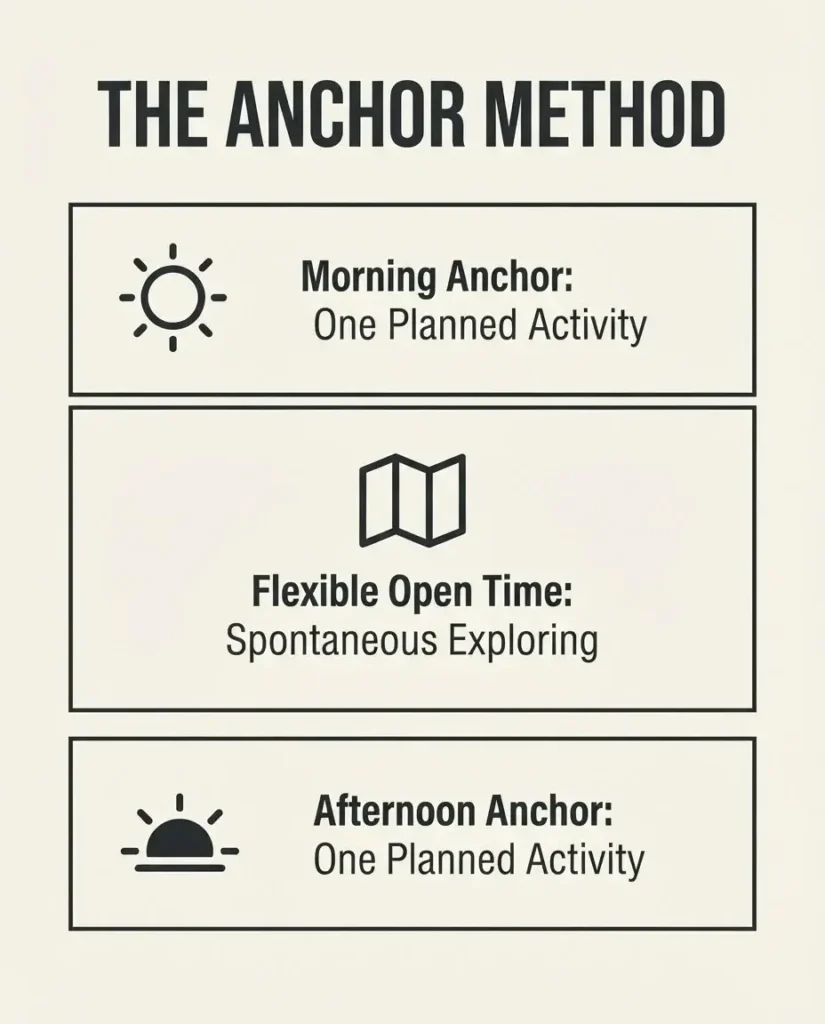
If I see an interesting bookstore, I can step inside for an hour. If I find a beautiful cafe, I can sit down and watch the world go by. This approach gives your day a clear sense of direction without making you feel rushed.
Leaving Room for the Magic of Mistakes
Some of the absolute best travel experiences of my life happened because I got lost, missed a bus, or made a mistake. When I was backpacking across Europe on a tight budget, I boarded the wrong train and ended up in a tiny, quiet village instead of a major city. I was terrified at first. But I stepped off the train, found a small family-run bakery, and ate the most incredible fresh pastry of my life while the baker told me stories about the town.
If my schedule had been packed, that mistake would have felt like a disaster. Because my day was open, it became a beautiful memory. When you map out the best hidden-gem city itineraries, leave large gaps of empty time in your schedule. Trust that the world will fill those gaps with unexpected adventures.
Case Study 1: The Chiang Rai, Thailand Itinerary
To show you how this works in the real world, let us look at a concrete example. Most travelers head straight to Chiang Mai in northern Thailand, completely bypassing the smaller city of Chiang Rai. But Chiang Rai is a spectacular place filled with rich culture, incredible food, and a relaxed, slow-paced atmosphere.
How to Get Around Safely
Navigating a smaller Thai city can feel intimidating if you have never done it before, but it is actually very straightforward. The city center is flat and highly walkable. For longer distances, you can use local public transport options like tuk-tuks or songthaews (passenger vehicles converted from trucks).
Always agree on the price with the driver before you step inside the vehicle to avoid any confusion later. If you prefer a modern, stress-free option with fixed pricing, you can easily use local ride-sharing apps. I highly recommend downloading the app and reviewing how Grab works for international travelers because it allows you to book rides directly from your phone with a clear, upfront fare, which is a fantastic tool for building your solo travel confidence.
Neighborhoods to Walk and Explore
Start your exploration around the historic Clock Tower in the center of town. Designed by a famous Thai artist, this golden structure is a beautiful landmark during the day, and it lights up with a music show every evening. From there, take a walk down the quieter residential side streets heading toward the Kok River. You will pass small wooden houses, local mom-and-pop shops, and tiny neighborhood temples where you can sit quietly and listen to the birds.
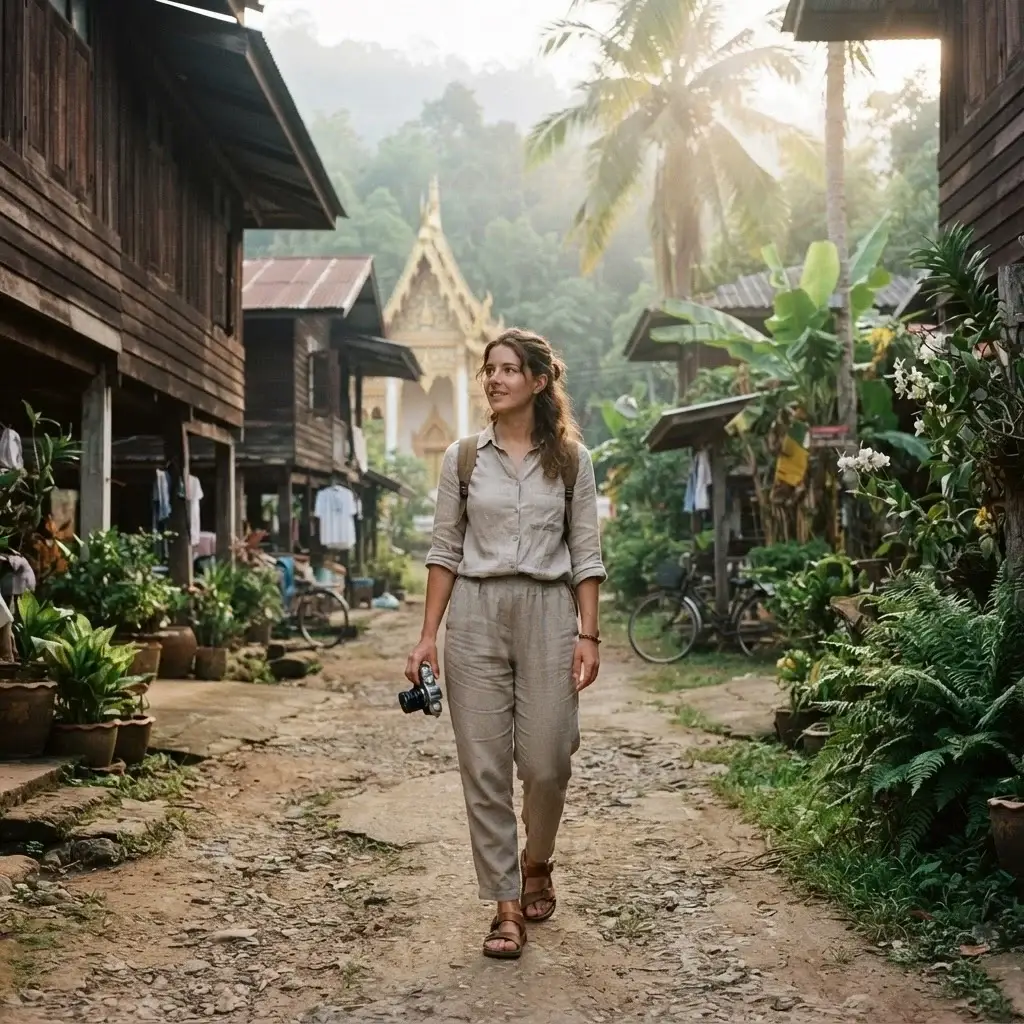
To help you plan your cultural etiquette and time your visit with local community festivals, it is incredibly helpful to browse the official destination guides provided by the Tourism Authority of Thailand before you arrive. This ensures you respect local customs, like covering your shoulders when entering sacred temple grounds.
What to Eat: Beyond Pad Thai
The food in northern Thailand is completely different from the dishes you find in the south, and it is absolutely delicious. You must try Khao Soi. This is a rich, coconut milk curry noodle soup served with tender chicken and topped with crispy fried noodles, fresh lime, shallots, and pickled mustard greens.
For the best experience, look for a small, open-air food stall with plastic chairs and a long line of local residents. Avoid the restaurants with large English signs and tourist menus. The best meals are always found where the locals eat, and a steaming bowl of Khao Soi will usually cost you less than two dollars.
Case Study 2: The Bologna, Italy Itinerary
When people plan a trip to Italy, they almost always go to Rome, Florence, and Venice. But if you want to experience the true heart of Italian food and culture without the massive tourist crowds, you need to visit Bologna. Known as the culinary capital of the country, Bologna is a vibrant university city that feels completely authentic.
Navigating the Historic Porticoes
One of the most unique features of Bologna is its extensive system of porticoes. These are beautiful, covered arched walkways that line the front of almost every building in the historic center. They stretch for miles across the city, protecting you from both the hot summer sun and the winter rain.
Walking under these ancient structures feels like stepping back in time. In fact, these covered walkways are so culturally significant that they have been officially designated as a protected site. You can explore the history of these architectural wonders by reading the detailed background on the Bologna porticoes page from the UNESCO World Heritage Convention. They make the city one of the most accessible and comfortable places in the world for a solo walking tour.
The Authentic Culinary Map
Bologna is not a place for standard tourist menus. Skip the spots directly facing the main square, Piazza Maggiore, and head instead into the narrow alleyways of the Quadrilatero district. This area has been a bustling marketplace since the Middle Ages.
Here, you will find tiny wooden storefronts overflowing with local delicacies. Look for real Mortadella (the incredibly flavorful, smooth Italian sausage that originated in the city), aged Parmigiano-Reggiano cheese, and fresh handmade egg pasta.
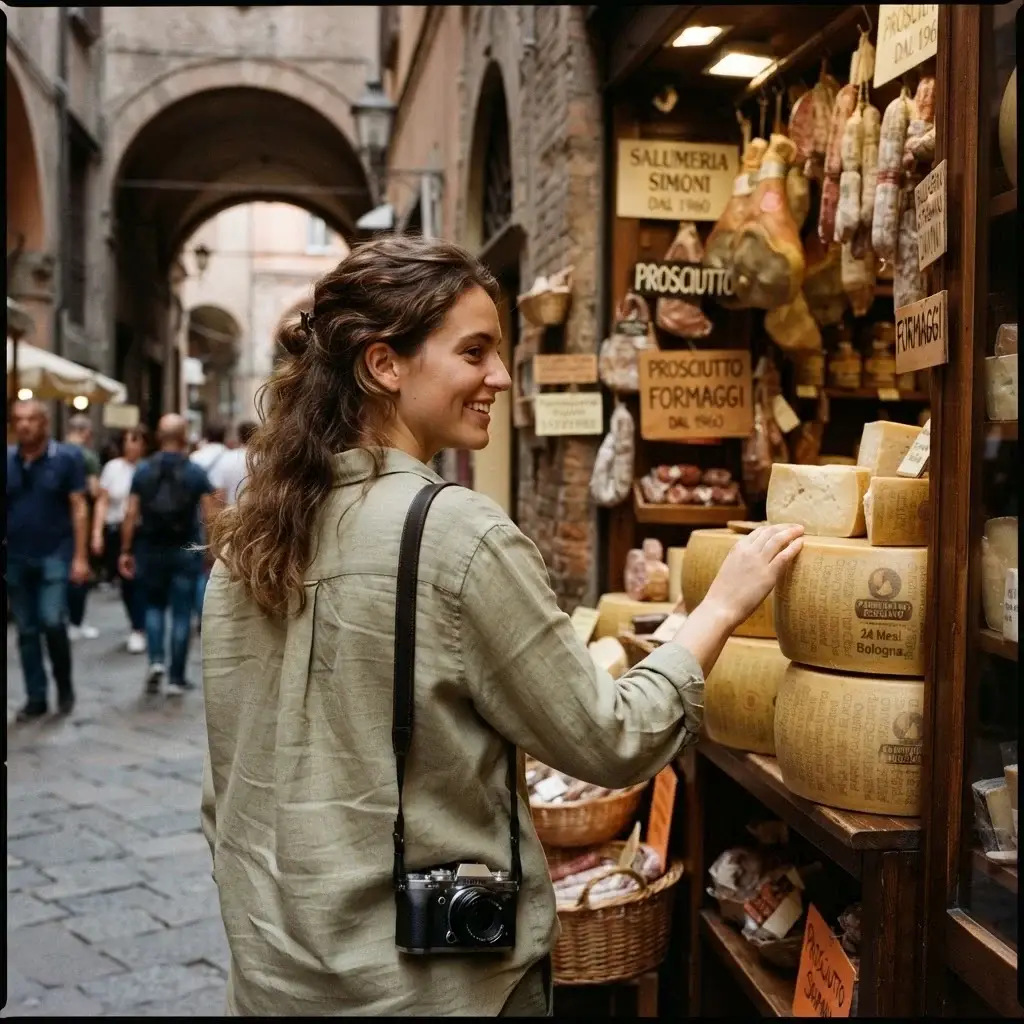
Order a plate of Tagliatelle al Ragù—which is the authentic, slow-cooked meat sauce that the rest of the world incorrectly calls “Bolognese.” Eat it at a communal wooden table alongside local students and workers.
Local Markets and Hidden Piazzas
After lunch, leave the busy market streets behind and walk toward the university district along Via Zamboni. This area is packed with energy, street art, and independent bookstores.
Find your way to the Piazza Santo Stefano, a beautiful, triangular square surrounded by ancient stone buildings. It is a wonderfully peaceful spot to sit on a stone bench with a scoop of fresh gelato. On weekends, this square often hosts a local antique market where you can browse through old books, vintage postcards, and unique handmade goods. It is the perfect place to practice your slow travel philosophy and simply observe the local rhythm of life.
Case Study 3: The Utrecht, Netherlands Itinerary
Amsterdam is a beautiful city, but it can often feel overwhelmed by mass tourism and crowded canals. If you want that classic Dutch charm with a much more relaxed, community-focused vibe, you should head south to Utrecht. It is a historic university town with unique two-tier canals, beautiful parks, and a thriving cafe culture.
Biking and Canal Navigation Advice
The best way to see Utrecht is exactly how the locals do: on a bicycle. The city is built with incredible cycling infrastructure, including dedicated bike lanes, special traffic lights for cyclists, and massive underground bike parking stations.
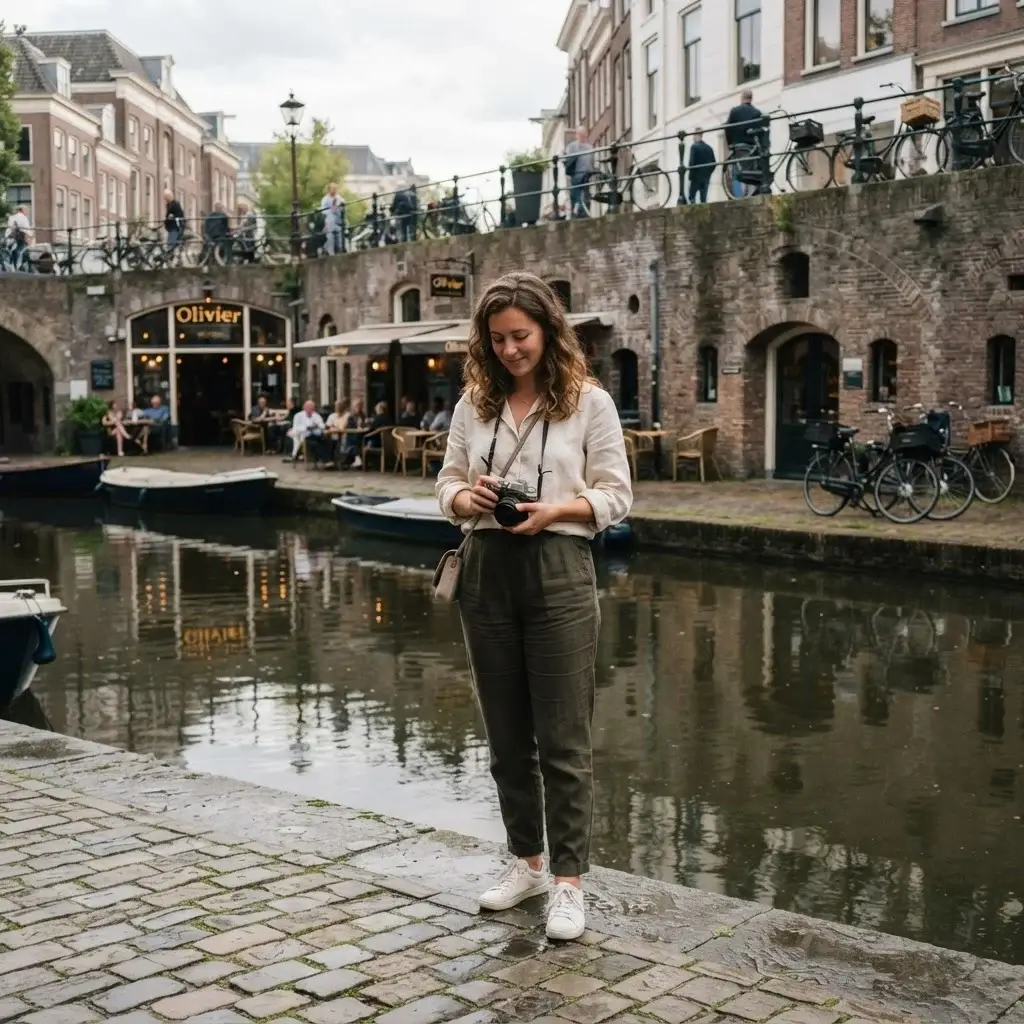
If you rent a bicycle, remember to always stay to the right, signal your turns with your hand, and lock your bike securely when you park. If you prefer to explore on foot, take a walk along the Oudegracht (the Old Canal). Unlike Amsterdam, Utrecht’s canals have unique wharves. These are flat, stone pedestrian pathways located right down at the water level, far below the street.
Centuries ago, these wharves were used to unload goods from boats into deep cellars.
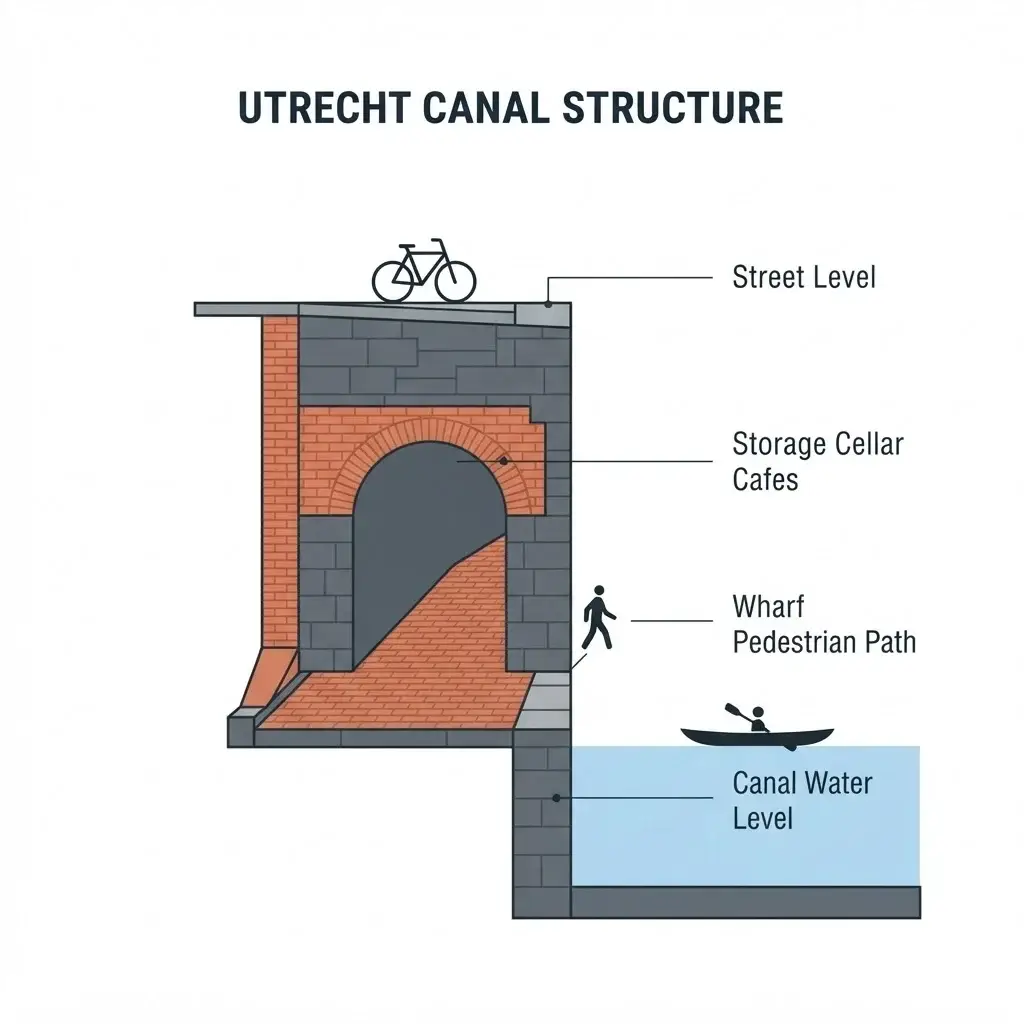
Today, those old cellars have been turned into cozy cafes, artisan shops, and independent restaurants.
Finding Community and Local Cafes
Utrecht has a fantastic coffee culture that is deeply tied to the local community. Avoid the international coffee chains and look for independent roasters along the quieter streets of the Voorstraat or the Twijnstraat.
Many of these cafes double as community spaces, art galleries, or plant shops. Step inside, order a warm drink, and take a seat at a shared table. It is a wonderful, low-pressure environment for solo travelers to write in a journal, plan the next step of their route, or strike up a casual conversation with a local student. Don’t forget to try a fresh stroopwafel—two thin, crispy waffle layers stuck together with sweet, warm caramel syrup.
Cultural Spaces Away From Crowds
For a peaceful break from the city streets, walk to the eastern side of the center to find the Wilhelminapark. This is a beautiful, English-style public park with a large central pond, historic trees, and wide open green lawns. On a sunny afternoon, you will see locals picnicking, reading, and playing sports.
It is a great place to slow down and process your travel experiences. If you want to explore more hidden destinations across northern Europe to add to your long-term travel plans, you can find brilliant regional overviews and neighborhood descriptions through the independent travel guides on Lonely Planet. This helps you expand your route far beyond the standard capital cities.
Essential Safety and Health Logistics for Solo Travelers
When you step off the main tourist trail to explore hidden gems, you need to take full responsibility for your own well-being. Independent travel is incredibly empowering, but it requires you to be smart, prepared, and proactive. You do not have a tour guide looking out for you, so you must look out for yourself.
Keeping Your Digital and Physical Gear Secure
Before you leave your accommodation each morning, make sure your digital life is secure. I always recommend keeping a digital copy of your passport, flight tickets, and hotel bookings stored safely in a secure cloud folder that you can access from any device.
On your person, keep your money and credit cards split up. Never carry all your cash in one place. Keep one card and a small amount of local currency in your main wallet, and hide a backup card and extra cash in a separate zipper pocket inside your daypack. When walking through busy markets or public transit stations, wear your backpack on the front of your body to protect your belongings from pickpockets.
Managing Health Concerns on the Road
Your physical health is the most important asset you have when traveling solo. It is easy to forget to take care of yourself when you are excited about exploring a new place, but exhaustion can quickly lead to sickness. Drink plenty of clean water, get enough sleep, and always wash your hands before eating local street food.
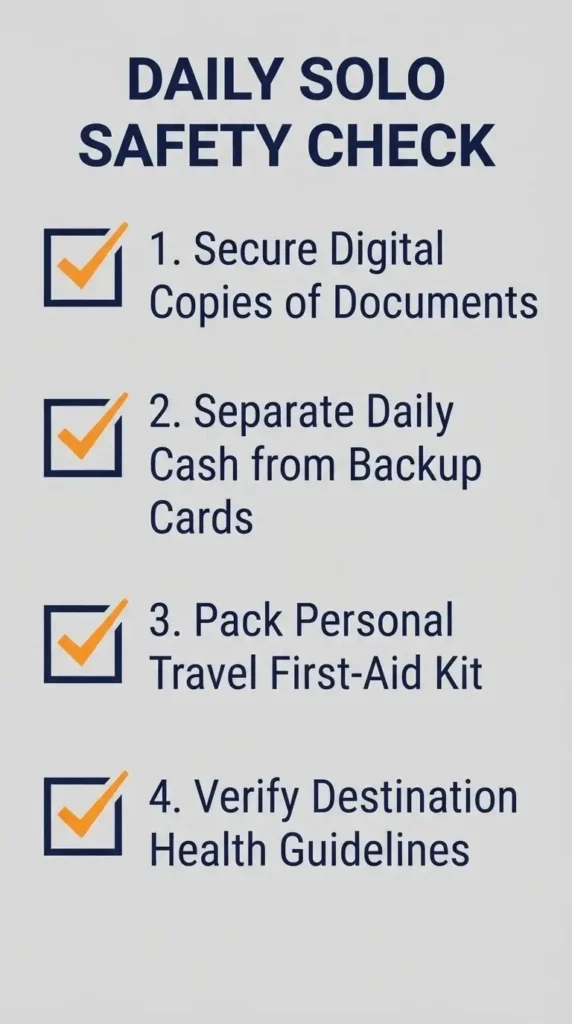
To make sure you are fully prepared for the specific regional health situations of your destination, I always advise checking the latest destination health notices and vaccine guidelines from the CDC Travelers’ Health website. Having the right preventative medical steps completed before your trip gives you incredible peace of mind.
Finally, never travel without a solid insurance plan. Mistakes, delays, and minor medical issues are simply a natural part of any long journey. For reliable protection that covers independent exploration, I always secure my trips using the flexible international protection options from World Nomads Travel Insurance because they understand the unique risks and needs of independent solo adventurers.
Embracing the Journey
Mapping out the best hidden-gem city itineraries on your own might feel a bit intimidating at first. It takes more work than booking a pre-packaged vacation or joining a big tour group. It requires you to do your own research, navigate unfamiliar transit systems, and step outside your comfort zone.
But I promise you that the reward is worth every single bit of effort. When you design your own journey, you build a deep sense of confidence and independence that stays with you long after you return home. You stop being a passive spectator watching the world through a bus window, and you become an active explorer connecting deeply with new cultures, ideas, and people.
The world rewards curiosity, courage, and open-mindedness. Stop waiting for the perfect moment or the perfect companion to show up. Open up a map, drop your first pin, and start creating your own meaningful adventure today.