The first time I went somewhere truly underground, I was hiking in China, ducking into cool stone passages to escape the heat, and I remember how the air changed. Quieter. Older. Like the ground itself was holding its breath. I’ve chased that feeling ever since.
There’s something about going below the surface that flips a switch in curious travelers. Up top, a city shows you its best face. Underground, it tells you the truth. You find the bones, the water tanks, the hidden homes, the places people dug when they were afraid or faithful or just trying to survive. And here’s the honest part I want to lead with: most of these places are far easier to visit solo than you think. You don’t need a group. You need a plan and a little nerve.
So let’s build both. I’ll walk you through the underground attractions in Europe I’d genuinely send a first-time solo traveler to, what each one costs right now, how to actually get there, and how to handle the two fears that stop most people, which are booking it wrong and freezing up in a tight space. We’ll go region by region, then finish with the practical stuff nobody tells you.
Why underground travel is perfect for solo explorers
Before the destinations, a quick word on why this kind of travel suits going alone.
Underground sites are usually contained, ticketed, and staffed. That means clear entrances, set routes, and other humans around you, which takes a lot of the anxiety out of solo exploring. You’re not navigating a sketchy trailhead by yourself. You’re following a lit path with a guide or an audio guide in your ear.
They’re also humbling in the best way. Standing in a 6,000-year-old temple carved into rock, or a tunnel stacked with the remains of millions, has a way of shrinking your everyday worries. When I left my office job to travel, I kept looking for experiences that reset my sense of scale. Going underground does that faster than almost anything.
And they photograph like nowhere else, but more than that, they give you a story. You come back up changed a little, blinking in the daylight, and that’s the whole point of travel to me.
The bone-and-stone classics: Paris and Rome
If your pulse quickens at the eerie stuff, start here.
The Paris Catacombs
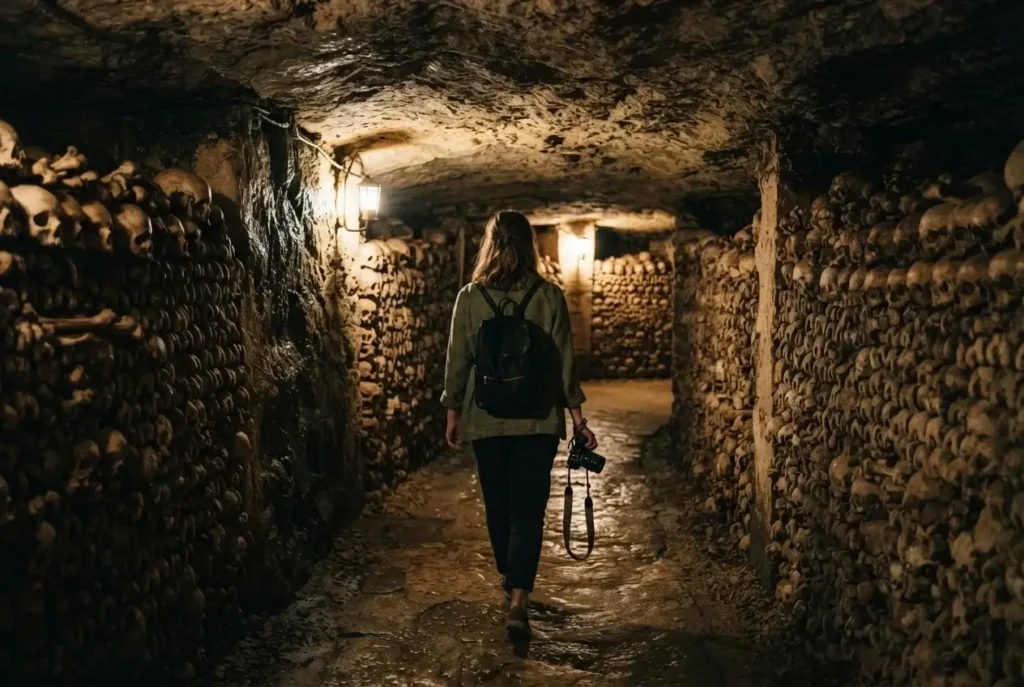
Beneath the streets of Paris lie the remains of roughly six million people, moved into old limestone quarries in the late 1700s when the city’s cemeteries overflowed. Walking through it is quiet and strange and unforgettable. Walls of neatly stacked skulls and femurs stretch on for what feels like forever.
Here’s the practical picture. The Catacombs are open Tuesday to Sunday, from 9:45 in the morning until 20:30, with the last entry at 19:30. According to the city’s own booking page, the full adult rate is 31 euros, the reduced rate is 25, and it’s 15 euros for ages 8 to 17, with the audio guide included in all of them. You can check the current numbers straight from the source on the official Paris Catacombs rates page, which is the only place I’d trust for pricing since resellers inflate it.
Book your timed ticket online in advance. The walk-up line can eat a whole morning, and this is a small, capacity-controlled space. Wear real shoes. The floor is uneven and often damp, and there are 131 steps down and 112 back up, with no elevator, so it isn’t step-free.
Is it claustrophobic? This is the number one question people ask, and I’ll be straight with you. The corridors are narrow and dim, but they’re not tight tunnels you crawl through. You walk upright the whole way. If you get uneasy in enclosed spaces, the thing that helps most is knowing the route is one direction and finite, so you’re always moving toward the exit, never trapped.
If tight, dark spaces genuinely panic you, skip it and choose one of the roomier caves further down this list. There’s no shame in that.
Rome’s Capuchin Crypt and catacombs
Rome goes underground in two very different moods. The Catacombs of Domitilla are early Christian burial tunnels, sober and historic. The Capuchin Crypt under the church of Santa Maria della Concezione is something else entirely: small chapels decorated with the bones of thousands of friars, arranged into patterns, with a plaque that reminds you that what you are, they once were. Full tickets to the crypt and its museum run about 10 euros, with a reduced rate around 6.50, and it’s open daily until roughly 19:00.
If you only have time for one Roman underground site, pick based on your mood. The catacombs are contemplative and cool in summer. The Capuchin Crypt is short, intense, and honestly a little haunting. Solo travelers do both easily; the crypt is self-guided, and the catacombs come with a required guide included in the ticket.
The salt, the caves, the natural wonders
Not all underground travel is about the dead. Some of it is pure geological jaw-drop, and these tend to be the least claustrophobic options, which makes them my top pick for nervous first-timers.
Wieliczka Salt Mine, Poland
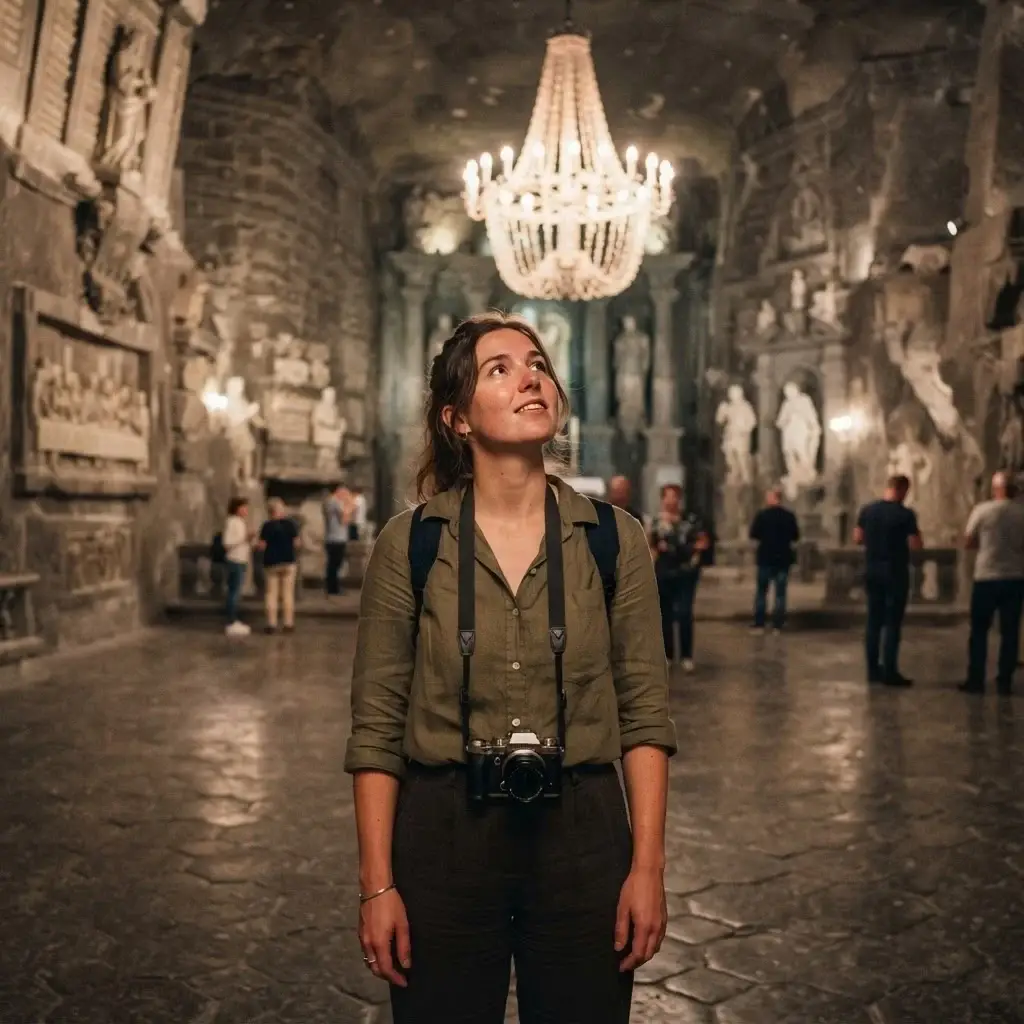
Just outside Krakow sits one of the sites I most often recommend to people who want the underground experience without the coffin-adjacent vibe. Wieliczka is a working-history salt mine turned wonderland: chapels carved entirely from salt, chandeliers of salt crystal, underground lakes, and a cathedral so detailed it’s hard to believe miners made it in their spare time. It’s a UNESCO World Heritage Site for good reason.
The standard Tourist Route with an English-speaking guide starts from around 354 PLN, and I’d book directly through the official Wieliczka site rather than a reseller, because as their own ticket and hours page makes clear, tickets are sold only through their official channel. Getting there is simple from Krakow: regular trains and buses run to Wieliczka, and it’s an easy half-day solo trip. Bring a light layer. It sits around 14 to 16 degrees Celsius year-round down there. And know that the route involves hundreds of stairs going down, though a lift brings you back up.
For food afterward, do what I’d do and head back into Krakow for pierogi and a bowl of zurek, the sour rye soup, which tastes incredible after a few hours underground.
Postojna and Skocjan Caves, Slovenia
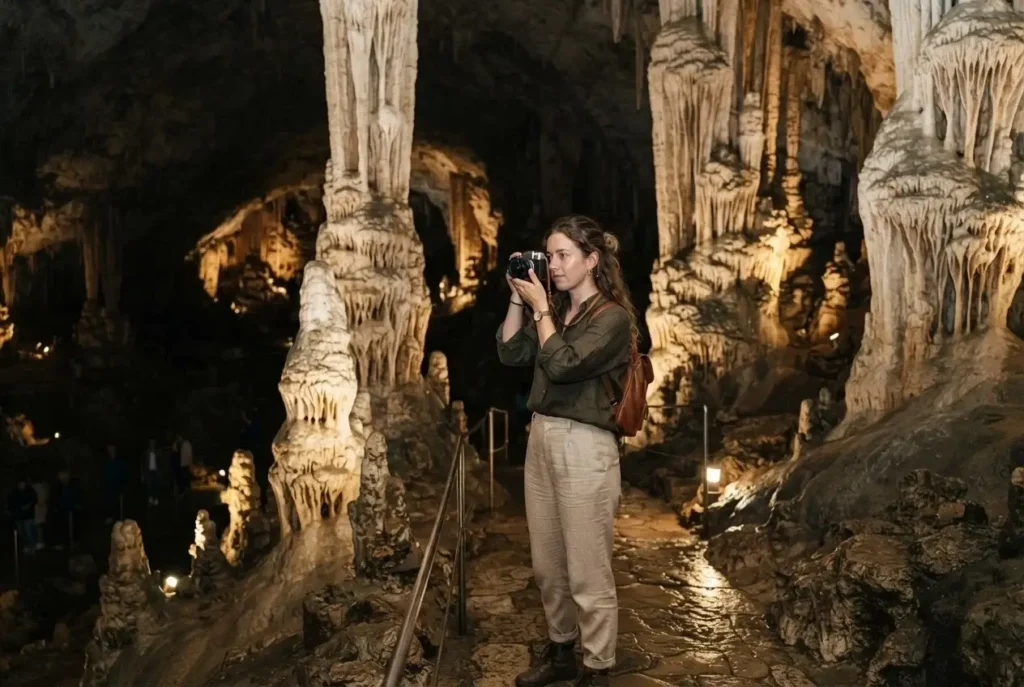
Slovenia is quietly one of Europe’s great underground destinations, and it doesn’t get nearly the attention it deserves. Postojna Cave is the crowd-pleaser: you ride a little electric train deep into the karst before walking through cathedral-sized chambers full of formations, and you can meet the olm, the pale “baby dragon” salamander that lives in the dark. The single “Queen of Caves” ticket is 34.90 euros with timed entry, and you can see the current options on the official Postojna Cave Park tickets page.
If you want something wilder and more humbling, go to nearby Skocjan Caves instead, or do both. Skocjan holds one of the largest known underground canyons in the world, and crossing the bridge over that roaring gorge in the half-dark is the kind of thing you don’t forget. It earned its spot on the UNESCO World Heritage list as an exceptional karst system. Postojna is more polished and family-friendly; Skocjan is rawer and more dramatic. Both are reachable by bus or car from Ljubljana as a day trip, and both are wonderfully un-claustrophobic since the chambers are enormous.
The underground cities: Cappadocia and Malta
Now for the sites that genuinely blow minds, the places where people didn’t just bury the dead or dig for salt but actually lived below ground.
Derinkuyu, Cappadocia (Turkey)
Cappadocia is famous for its balloons, but beneath the fairy-chimney landscape sits Derinkuyu, the largest excavated underground city in the region, plunging many levels deep with room for thousands of people, along with their livestock, wine presses, and ventilation shafts, all carved to hide from invaders. Standing in it, you feel the ingenuity and the fear of the people who built it.
Entry runs somewhere around 20 to 27 US dollars, and here’s the good news for solo travelers: you can absolutely visit on your own. From Goreme or Nevsehir, local buses (dolmus) run toward Derinkuyu, though connections can be a little fiddly, so give yourself buffer time. Many people fold it into a “Green Tour” of the wider region, which is a fair way to combine several far-flung sites in one day if you’d rather not chase buses.
This is the one site on the list where I’ll flag claustrophobia seriously. Some passages between levels are low and narrow, and you duck and shuffle through them. If that’s a hard no for you, you can still visit and simply stay on the upper, roomier levels rather than descending all the way.
Hal Saflieni Hypogeum, Malta
If I could send you to just one underground place in Europe, it might be this one, and it’s also the one you’re most likely to miss because you didn’t plan ahead. The Hypogeum is a 6,000-year-old subterranean temple and burial complex carved into the rock, so acoustically and architecturally astonishing that it’s the only prehistoric underground temple of its kind, and it’s a UNESCO World Heritage Site.
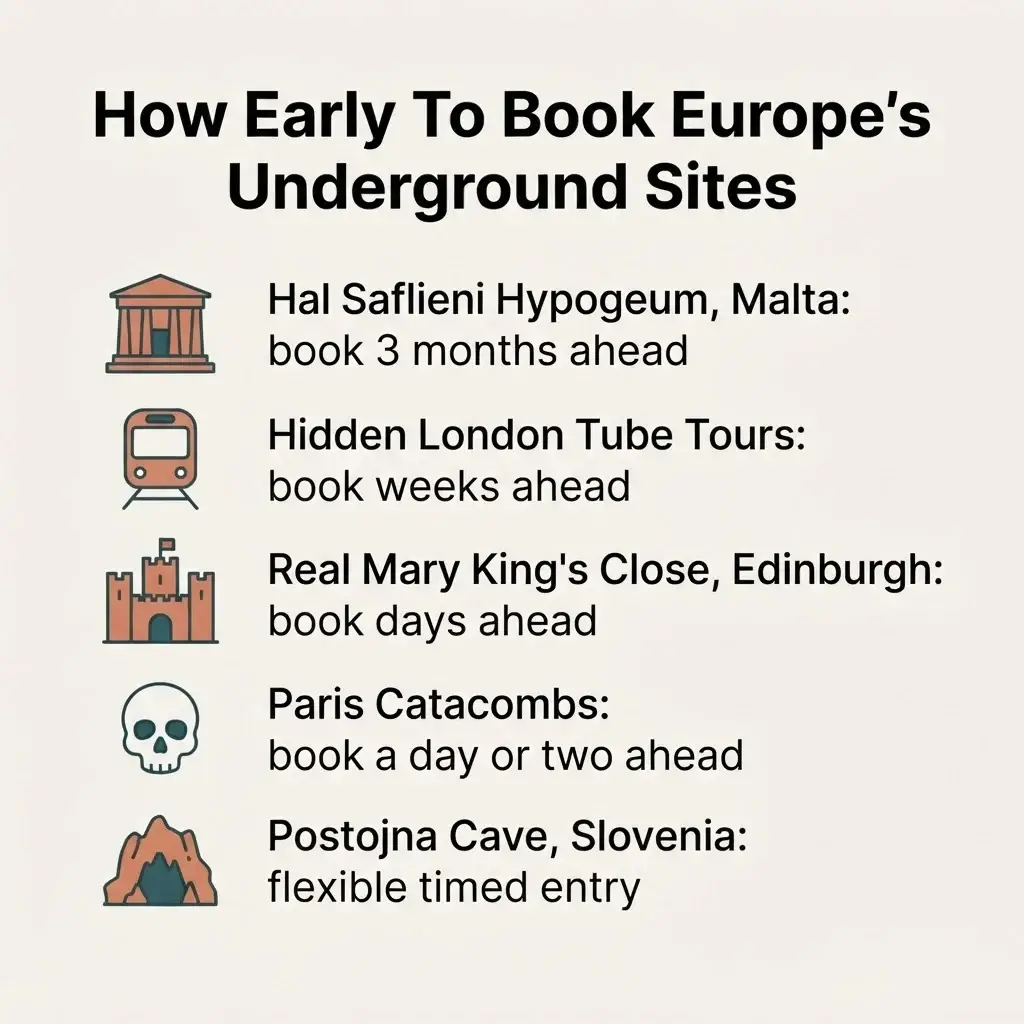
To protect the fragile interior, only a small number of visitors are allowed in per day, in tiny timed groups. Standard adult tickets are 35 euros, and this is critical: they sell out fast and are released roughly three months in advance, so you need to book the moment your travel dates open up. Heritage Malta, the official body, explains the limited-slot system on the Hal Saflieni Hypogeum page. A very limited number of pricier last-minute tickets sometimes surface for around 50 euros, but do not build your trip around that gamble.
The lesson here is bigger than Malta. The most special underground sites are often the most restricted, so the earlier you commit to a date, the better your trip gets.
The city-beneath-the-city: Istanbul, Edinburgh, and London
Some of my favorite underground experiences aren’t remote at all. They’re right beneath streets you’d otherwise walk straight across.
The Basilica Cistern, Istanbul
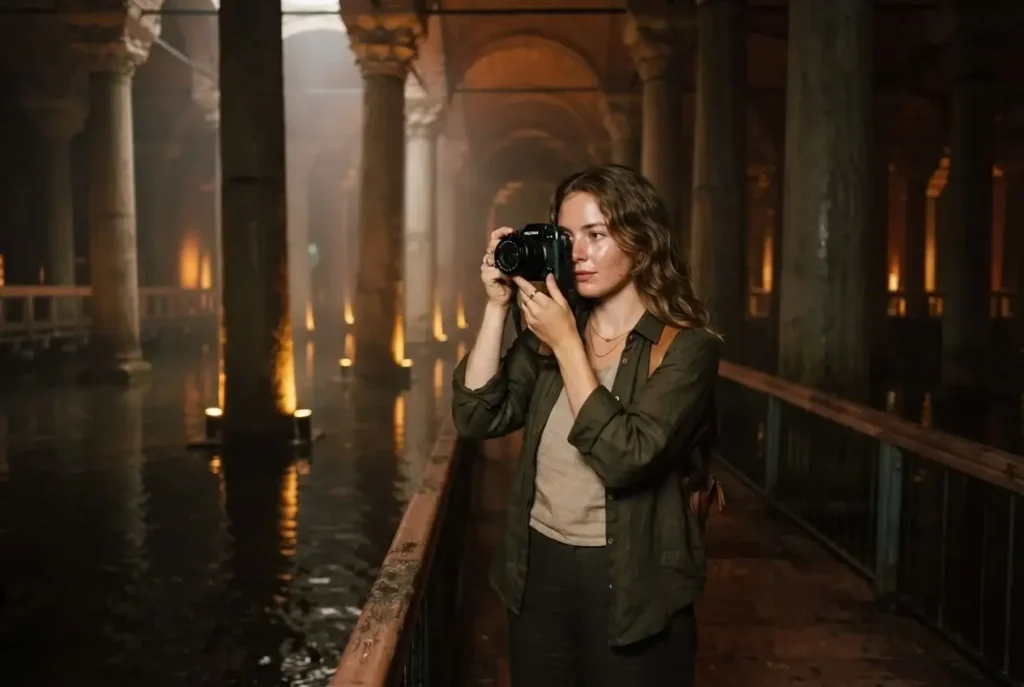
Beneath the old city of Istanbul lies a sixth-century Byzantine water reservoir, a forest of 336 columns rising out of shallow water, lit so it glows, with two famous carved Medusa heads tucked in a corner. It’s cool, echoey, and genuinely beautiful. The cistern is open daily, and the official museum notes visiting hours running from 09:00 to 22:00, with a standard daytime session and a separate, more atmospheric paid night session in the evening; you can confirm the current setup on the official Yerebatan Cistern visit page. It’s central, quick, and one of the least intimidating underground sites you’ll ever do, which makes it a perfect starter if you’re testing your comfort level.
The Real Mary King’s Close, Edinburgh
Under Edinburgh’s Royal Mile sit preserved streets and homes from centuries ago, sealed off and built over, now open as a guided tour led by a costumed character playing a former resident. It’s history, ghost story, and theater rolled into one, and it lasts about an hour. This one is guided-only, so book a timed slot ahead, especially in summer and around the festival, when the city floods with visitors.
Hidden London tube tours
London hides a whole network of disused Underground stations, wartime shelters, and closed tunnels, and the London Transport Museum runs official access to them through its program. I’d start with the museum’s own Hidden London tours, which take you into abandoned platforms and deep-level shelters with genuine experts. These sell out well ahead and aren’t cheap, but for the history-obsessed traveler, walking a ghost station forty meters down is unbeatable.
How to plan an underground trip without the rookie mistakes
Now the part the pretty listicles skip. Here’s how you actually pull this off solo and stress-free.
Book the scarce sites first, then build around them. The Hypogeum, Hidden London, and Mary King’s Close have limited slots. Lock those dates before you book flights or hotels, not after. Everything else has more give.
Buy from official sites, not resellers. Every price I quoted here comes from the venue or an official body. Third-party sites tack on big markups and sometimes sell tours you didn’t want. Go to the source.
Dress for underground weather, not the weather outside. Caves and mines hover in the low-to-mid teens Celsius all year. I always pack a light packable jacket even in July, plus proper closed shoes, because stone floors are wet and uneven.
Be honest with yourself about claustrophobia. If tight spaces scare you, the caves and the cistern are roomy and gentle; the catacombs are narrow but walkable and one-directional; Derinkuyu’s deep levels are the tightest.
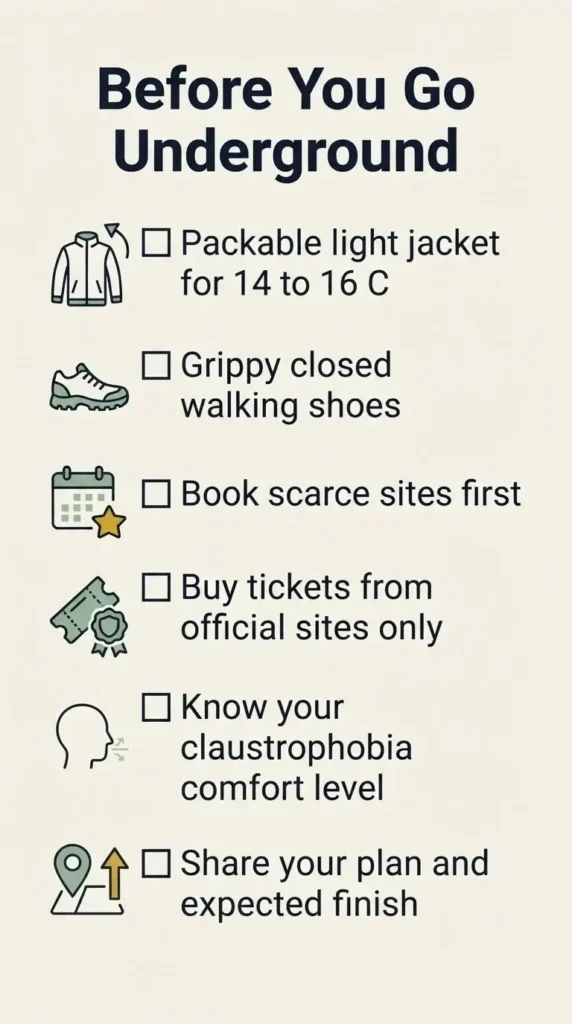
Choose accordingly, and know it’s completely fine to stay on easier ground.
Go early or late to beat crowds. First entry of the day or an evening session, where offered, means quieter photos and a calmer experience, which matters more underground where the whole magic is the hush.
Tell someone your plan. Basic solo travel habit, but worth repeating. Send a friend your booking time and expected finish, because your phone likely won’t have a signal down there.
The thing I’d most want you to take from all this is that curiosity beats fear when you give it a plan. You don’t have to be fearless to stand in a salt cathedral or a city carved from rock. You just have to book the ticket, pack the right shoes, and go down the stairs. Every single time I’ve done that, I’ve come back up feeling a little braver than I went in. Your turn.