
Best Cities in the Americas to Explore Completely on Foot

I have always believed you do not really know a city until you have walked it. Not just strolled from hotel to museum and back, but actually put on your most comfortable shoes, left the map half-folded in your pocket, and let the streets lead you somewhere unexpected. It is how I first fell in love with New York working as a sightseeing guide, and how I slowly understood that the difference between visiting a place and experiencing it is almost always measured in steps.
If you are the kind of traveler who would rather spend three hours wandering a neighborhood than ninety minutes on a tour bus, this list is for you. These are the cities in the Americas where that kind of slow, foot-first exploration is not just possible but genuinely rewarding. I have built this list around a specific idea: walkability is not just about distance or sidewalk quality. It is about density of interesting things per block, the safety to walk comfortably on your own, the food and culture you encounter without trying, and the feeling at the end of a long walking day that you actually lived inside a place rather than just looked at it.
From New York to Buenos Aires, from a compact colonial city in Mexico to a walled Caribbean port city that has barely changed in four centuries, here is where your feet will take you furthest.
What “Walkable” Actually Means for Solo Travelers
Before we get into the cities, I want to separate two things that often get lumped together.
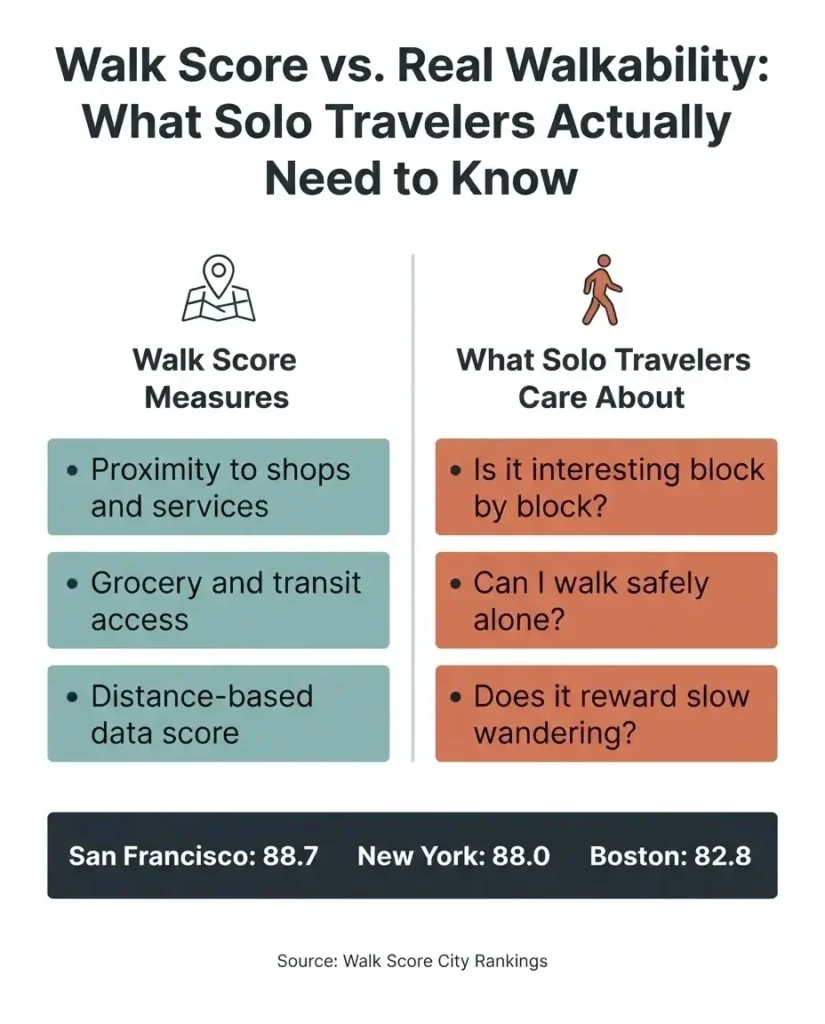
Walk Score, the widely used urban walkability platform, measures walkability based on proximity to amenities: grocery stores, restaurants, schools, parks. According to Walk Score’s city rankings, San Francisco leads the Americas with a score of 88.7, followed by New York at 88.0 and Boston at 82.8. These scores are useful, but they tell you about function, not feel.
As a solo traveler, what I care about is experiential walkability: Can I wander safely and comfortably on my own? Is the city interesting on foot, block by block? Does walking the city actually teach me something about how people live there? The best cities on this list score high on both measures. A few of them will surprise you.
Boston, Massachusetts, USA: History on Every Corner
If you have never walked a city with quite as much packed into a small footprint as Boston, you are in for a good day. The downtown core, Beacon Hill, the North End, and Back Bay are all connected on foot in a way that few American cities can match. Boston has a citywide Walk Score of 82.8, but neighborhoods like Beacon Hill and Back Bay score closer to 99, a “Walker’s Paradise” designation that basically means you could live here without ever needing a car.
The anchor experience for any walking visit is the Freedom Trail, a 2.5-mile self-guided route marked by a red brick line in the pavement that connects 16 historic sites across downtown Boston and Charlestown. According to the U.S. National Park Service, NPS rangers run free guided tours seasonally starting from Faneuil Hall, but you can walk the trail independently any time of year. What I love about the Freedom Trail is that it does not just point you at monuments. It walks you through living neighborhoods: past bakeries in the Italian North End, through the narrow gas-lit streets of Beacon Hill, and alongside the harbor where history still feels present and close.
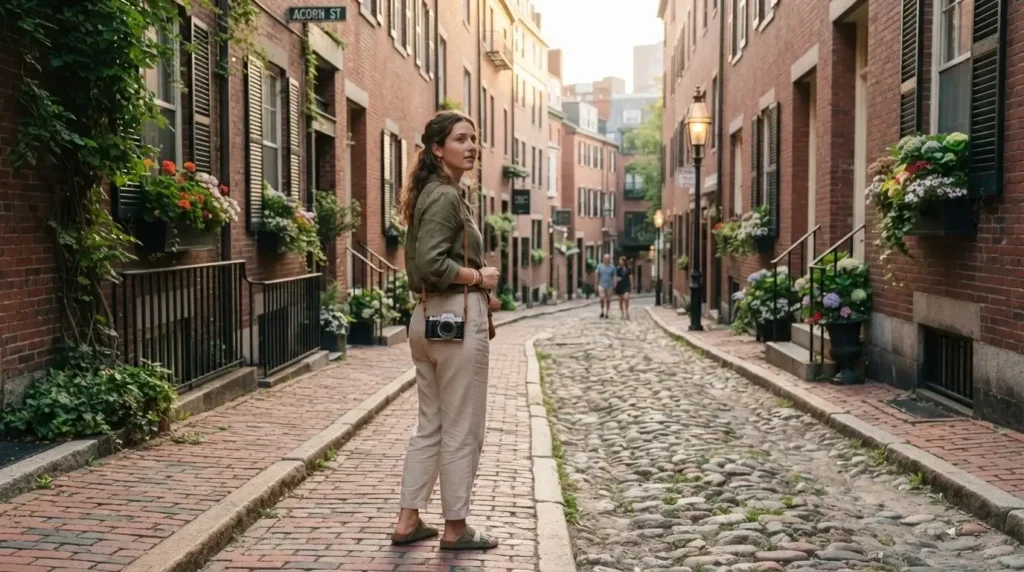
After the trail, get yourself a lobster roll from a spot on the waterfront, then disappear into the side streets of Beacon Hill for an hour. The brick rowhouses, lantern-lit alleys, and window boxes stuffed with flowers make this neighborhood feel like it belongs to another era entirely. This is exactly the kind of accidental beauty that only shows up when you are moving slowly enough to see it.
What to eat while walking: A cannoli from Mike’s Pastry or Modern Pastry in the North End. Clam chowder in a bread bowl near Quincy Market. Strong espresso from any of the old-school Italian cafes on Hanover Street.
Practical note: Boston’s neighborhoods are genuinely best on foot, but the city also has the MBTA subway for getting between distant areas quickly. A single ride costs $2.40, and a seven-day pass runs $22.50, making it easy to pair walking with transit on longer days.
New York City, New York, USA: The City That Made Me a Walker
I grew up here. I worked here as a sightseeing guide for years, pointing at buildings and bridges and watching tourists experience the city for the first time. And even after all of that, New York still finds ways to surprise me when I walk it slowly and without an agenda.
Manhattan is genuinely one of the most walkable places on the planet. The grid layout makes navigation almost instinctive, and the density means that within any ten-block stretch you will pass a dozen different cultures, cuisines, and conversations. My personal favorite walking sequence starts at the southern tip of the High Line, the elevated park built on a former rail line, and heads north through Chelsea into the West Village, where the grid breaks and the streets go crooked and quiet and old. Then east across SoHo into Chinatown, then north through the Lower East Side. That is the better part of a full day and you barely cover five miles.
For solo travelers doing New York for the first time, I always say the same thing: pick one neighborhood and walk it properly before you try to see everything. One morning in Washington Square Park watching the city wake up will teach you more than a full day of rushing between famous landmarks.
What to eat while walking: A bagel with lox from any good corner deli. A slice from a cash-only pizza counter in Greenwich Village. Xiaolongbao from a dumpling shop in Chinatown. The city will feed you constantly if you let it.
Practical note: The subway is $2.90 per ride with an OMNY contactless card, and it runs 24 hours. You will need it to get between the boroughs, but within Manhattan, your feet and the bus will take you almost anywhere.
Buenos Aires, Argentina: Europe in South America, Neighborhood by Neighborhood
From what solo travelers consistently report, and from everything I have researched deeply about this city, Buenos Aires is one of the great walking cities in the world. The sheer variety of its neighborhoods is remarkable. Each one has a distinct identity, architecture, and rhythm, and because they are laid out in a largely walkable grid of wide boulevards and tree-shaded streets, you can move between them on foot or with short metro rides and feel like you are visiting a different city every hour.
The official Buenos Aires city tourism board describes 48 named barrios, each with its own story. For solo travelers, the best base for a walking visit is either San Telmo or Palermo. San Telmo is the oldest and most atmospheric neighborhood, full of cobblestone streets, antiques markets, tango dancers performing in doorways, and old bars that have barely changed since the 1930s. On Sundays, the Feria de San Telmo fills the streets around Plaza Dorrego with vendors, musicians, and the kind of joyful neighborhood chaos that reminds you why you travel in the first place.
Palermo gives you the other side of the city: 350 acres of parks, boutique-lined streets in Palermo Soho, creative restaurants in Palermo Hollywood, and the leafy calm of the Japanese Garden and Botanical Gardens when you need to slow down between neighborhoods. From Palermo, you can walk or take a short taxi to Recoleta, where the famous cemetery, grand French-inspired architecture, and weekend craft markets on Plaza Francia make for one of the most atmospheric afternoon walks in the hemisphere.
The city runs free guided walking tours for visitors, organized by the official tourism board. Free tours of La Boca run every Wednesday, and Puerto Madero every Sunday. These are genuinely good value, led by knowledgeable local guides, and a smart first move before exploring independently.
What to eat while walking: Medialunas (small, buttery croissants) from any corner panaderia in the morning. An empanada from a takeout window in San Telmo. Soft-serve dulce de leche ice cream from a heladeria at any hour of the day.
Practical note: Americans, Canadians, and EU passport holders do not need a visa for Argentina. Buenos Aires has a subway system (Subte) with a flat fare of approximately 900 Argentine pesos (under $1 USD at current rates). But honestly, the best neighborhoods for tourists are so close together that a good pair of shoes and a few short taxi rides will cover most of what you want to see.
Mexico City (CDMX), Mexico: Walkable in Patches, Extraordinary in Character
Mexico City is enormous, and the honest answer to “is it walkable?” is: it depends enormously on which neighborhood you are standing in. The city as a whole is too vast and traffic-heavy to walk across. But in Roma Norte and Condesa, two adjacent neighborhoods that have become something of a magnet for solo travelers, digital nomads, and curious wanderers from around the world, the walking experience is genuinely exceptional.
Roma Norte is a dense, tree-lined neighborhood of Art Nouveau and Art Deco buildings, corner cafes, independent bookshops, street food carts, and parks where people actually sit and use them at all hours. Condesa sits immediately next door, built around a pair of oval parks, with curved streets that break the grid pleasantly and a restaurant-and-bar scene that somehow manages to feel both sophisticated and relaxed at the same time. You can wander between Roma and Condesa for a full day and never run out of something interesting to find around the next corner.
Further south, Coyoacan is another entirely walkable pocket of the city: a colonial-era neighborhood centered on a pair of plazas where book fairs, food markets, and street performers gather on weekends. The Frida Kahlo Museum (Casa Azul) is here, as are dozens of small cafes and local restaurants that feel a world away from tourist-heavy Centro Historico.
The Mexico City metro is one of the great public transit systems in the Americas, with a flat fare of approximately 5 MXN (under $0.30 USD) per ride. It connects all the major neighborhoods quickly and comfortably, making Mexico City a city where your feet handle the exploration and the metro handles the distance.
What to eat while walking: Tacos al pastor from a street taqueria with a spinning spit visible from the sidewalk. Tlayudas in any spot with plastic chairs outside. Fresh-squeezed orange juice from a market vendor for about 20 pesos. Churros with chocolate from a cart near Coyoacan’s main plaza.
Practical note: U.S. and Canadian passport holders can visit Mexico visa-free for up to 180 days. Safety in Roma and Condesa is generally solid for solo travelers, but as with any large city, keep your phone in your pocket rather than out in hand, especially at night.
Oaxaca City, Mexico: Small, Dense, and Utterly Rewarding on Foot
If Mexico City requires some navigation to find its walkable heart, Oaxaca City hands it to you immediately. The city center is compact enough that most travelers find themselves walking from one end to the other without realizing how much distance they have covered, because the streets are interesting enough to make the miles invisible.
The Centro Historico is the anchor: a UNESCO-recognized historic downtown built around the main Zocalo plaza, with the striking green-stone cathedral, the covered market of Benito Juarez, and dozens of mezcal bars and craft chocolate shops within a few blocks in any direction. Oaxaca is considered one of the cultural capitals of Mexico, and walking the streets makes that clear quickly. Street art, artisan workshops, women selling handmade textiles on blankets outside the church, the smell of mole negro drifting from restaurant kitchens. It is an intensely sensory walking experience in the best possible way.

What makes Oaxaca particularly good for solo travelers is that its compact size removes navigational anxiety almost entirely. You are never far from somewhere familiar, and the relaxed pace of the city makes extended wandering feel completely natural rather than purposeful.
What to eat while walking: A memela (thick corn masa cake) with black beans from a market stall. A tlayuda (large, crispy tortilla with beans, quesillo, and tasajo) from a street-side spot. A small glass of joven mezcal from a mezcaleria to sip while watching the plaza. Dark chocolate from one of the artisan chocolate shops near the main market.
Practical note: Oaxaca City sits at about 1,500 meters (5,000 feet) elevation, so take it easy your first day and drink plenty of water. The altitude catches some travelers off guard.
Cartagena, Colombia: A Walled City Built for Walking
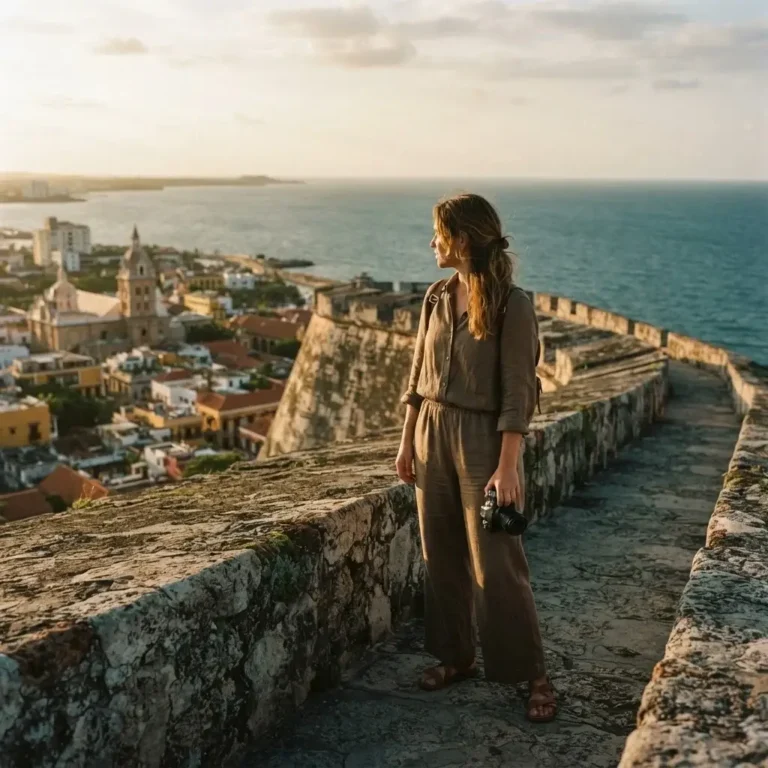
Some cities happen to be walkable. Cartagena, Colombia was essentially designed for it. The Walled City, the historic heart of Cartagena enclosed by 16th-century stone fortifications, is one of the great pedestrian spaces in the Americas: a dense network of cobblestone streets, brightly painted colonial buildings with flower-draped balconies, shaded plazas, and the persistent scent of sea salt and fresh juice from the fruit vendors posted on nearly every corner.
The walled city was designated a UNESCO World Heritage Site in 1984 for its extraordinary military architecture and its remarkably intact colonial urban fabric. For solo travelers, it functions almost like a private world that happens to be open to everyone: small enough to understand quickly, dense enough that two or three visits reveal entirely new layers.
The best time to walk Cartagena is early morning, before 9am, when the light is golden and soft, the streets have not yet filled with midday heat and tourist groups, and the locals are just starting their day. An early walk along the walls themselves, looking out over the Caribbean, is one of those quiet travel moments that does not require a tour guide or a sunset or anything else to be extraordinary.
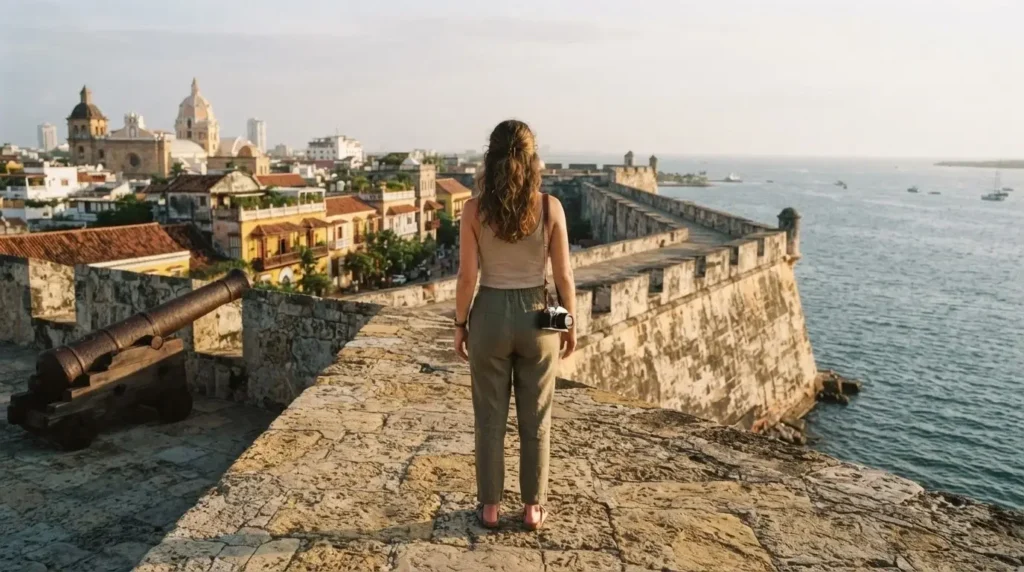
Solo female travelers specifically report feeling comfortable walking the walled city during the day. At night, sticking to the main plazas (Plaza de los Coches, Plaza de la Aduana, and Parque Bolivar) remains generally safe and lively, while the quieter side streets are better explored earlier in the day.
What to eat while walking: Fresh mango slices with salt and lime from a street cart. Arepas de huevo fried and sold from windows along the main streets. Fresh coconut water from a vendor near the waterfront.
Practical note: The official Colombian tourism portal at colombia.travel/en/bogota has solid practical information for travelers, including current entry requirements. U.S. and EU passport holders enter Colombia without a visa for stays up to 90 days. Cartagena’s heat is real and consistent: carry water, wear sunscreen, and build rest into your midday walk.
Bogota, Colombia: A Walkable Capital With a Surprising Heart
Bogota tends to get skipped in favor of Cartagena or Medellin, and I think that is a mistake. Solo travelers who take the time to explore the right neighborhoods on foot consistently find a city that is far more textured and interesting than its reputation suggests.
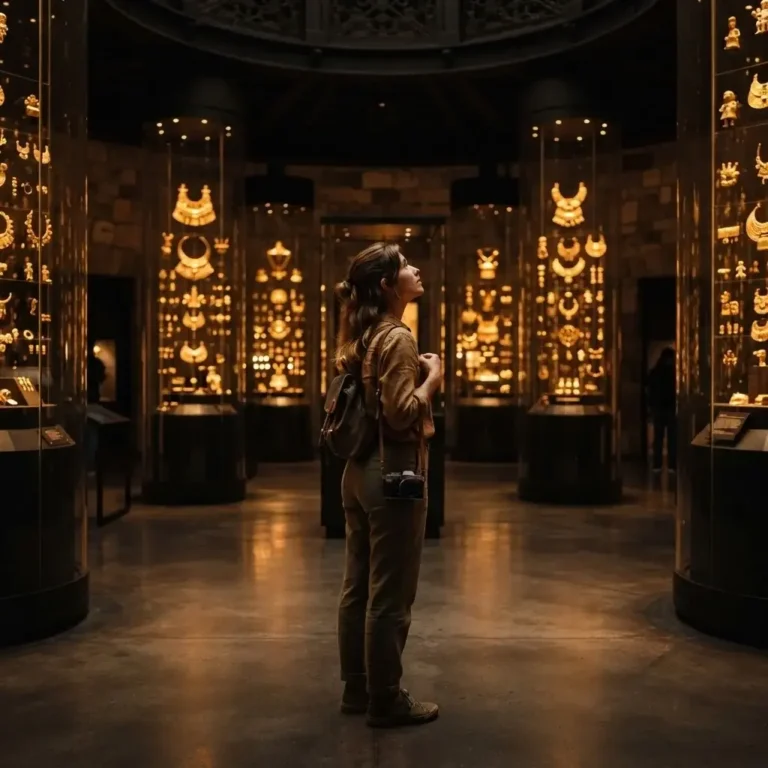
The historical center, La Candelaria, is where most tourists start: a dense colonial neighborhood with grand plazas, the iconic Gold Museum (Museo del Oro), street murals, and a slightly chaotic energy that rewards confident, curious walkers. That said, La Candelaria is best visited during daylight and with your attention on your surroundings. Most experienced solo travelers recommend basing yourself further north in Chapinero or Zona Rosa, which are both significantly calmer, more residential, and very walkable neighborhoods packed with independent restaurants, cafes, and evening options.
The most extraordinary thing about Bogota on foot happens every Sunday, when the city runs its famous Ciclovia, closing approximately 120 kilometers of roads to cars from 7am to 2pm. The streets fill with cyclists, joggers, inline skaters, and walkers, and the city feels briefly transformed into something lighter and more joyful than a capital city of 8 million people has any right to feel.
What to eat while walking: Ajiaco, a hearty chicken and potato soup, from a local restaurant rather than a touristy spot. Empanadas from a street vendor with a small cup of aji sauce for dipping. Fresh-squeezed mora (blackberry) juice from a market stall.
Practical note: Altitude is a real factor in Bogota. The city sits at about 2,600 meters (8,600 feet) above sea level. Give yourself a day to acclimatize before attempting long walks, and drink water constantly.
Quebec City, Canada: Europe Without the Transatlantic Flight
If you have ever wanted to walk the streets of a medieval European city without crossing an ocean, Old Quebec delivers something genuinely close to that experience. The historic upper and lower towns are packed into a walkable, hilly area surrounded by 17th-century stone fortifications, and the entire Old Town is a UNESCO World Heritage Site.
Solo travelers to Quebec City consistently note how safe and easy the walking experience feels. The streets of Old Quebec are narrow, atmospheric, and navigable in a single afternoon at a relaxed pace, but rewarding enough to sustain several days of deeper exploration. The climb between the lower town (Basse-Ville) and the upper town (Haute-Ville) either via the funicular (a short cable car) or the steep Breakneck Stairs is part of the experience, and the views from the walls looking over the St. Lawrence River make the effort more than worth it.
Quebec City is particularly well suited to solo travelers who want a walkable city without the intensity of a major metropolis. It is compact, orderly, bilingual enough that English speakers move through easily, and genuinely beautiful in every season. Winter turns it into something that looks like a fairy tale and summer brings outdoor festivals and terrasse dining that spills into the cobblestone streets.
What to eat while walking: Poutine from a spot with a long local queue rather than a tourist sign. A fresh-baked croissant from a French-style boulangerie along Rue Saint-Jean. Maple taffy on snow (tire d’erable) from a winter festival vendor.
Practical note: Quebec City is compact enough that you will barely need public transit if you are staying in or near Old Town. A transit fare is $3.50 CAD per ride if you need it. For U.S. travelers, no visa is required for Canada.
How to Choose the Right Walkable City for You
Every city on this list is walkable, but they are not all the same experience. Before you book anything, ask yourself a few honest questions.
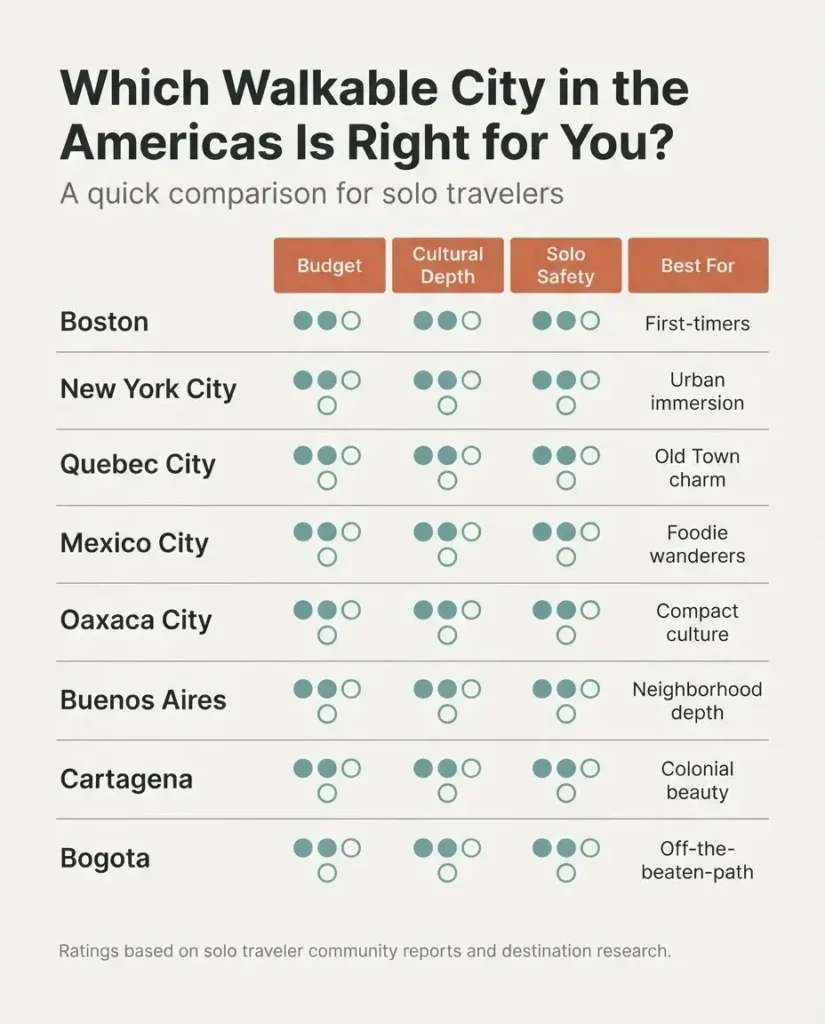
If budget is a priority, Mexico City and Oaxaca are both exceptional value. A full day of meals, transport, and a museum entry in either city can cost under $30 USD. Buenos Aires, with the favorable exchange rate, is similarly affordable. Boston and New York are the most expensive options on this list by a significant margin.
If solo female traveler safety is top of mind, Boston, New York, and Quebec City are the most straightforward. Cartagena’s walled city by day is consistently rated comfortable. Bogota rewards neighborhood awareness. In every Latin American city on this list, daylight and confident body language go a long way.
If cultural depth per step is what excites you, Buenos Aires, Oaxaca, and Cartagena deliver the most extraordinary return on wandering. These are cities where every block has a story you did not know you needed to hear.
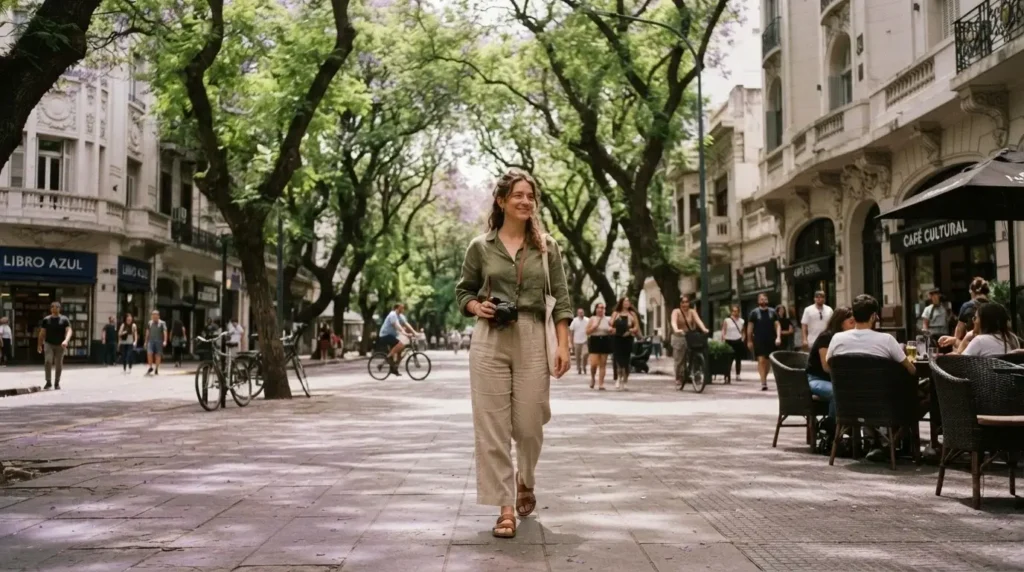
And if you want to start somewhere manageable and build your solo travel confidence before tackling an international destination, Boston is the perfect first move. It is an American city with an extraordinarily walkable heart, a deep history that reveals itself on foot, and a scale that feels welcoming rather than overwhelming.
Pick the city that answers the question your gut is already asking.
You do not need to have everything figured out before you go. Some of the best walking days I have ever had started with nothing more than a comfortable pair of shoes and a neighborhood I had not been to before.
Start there.