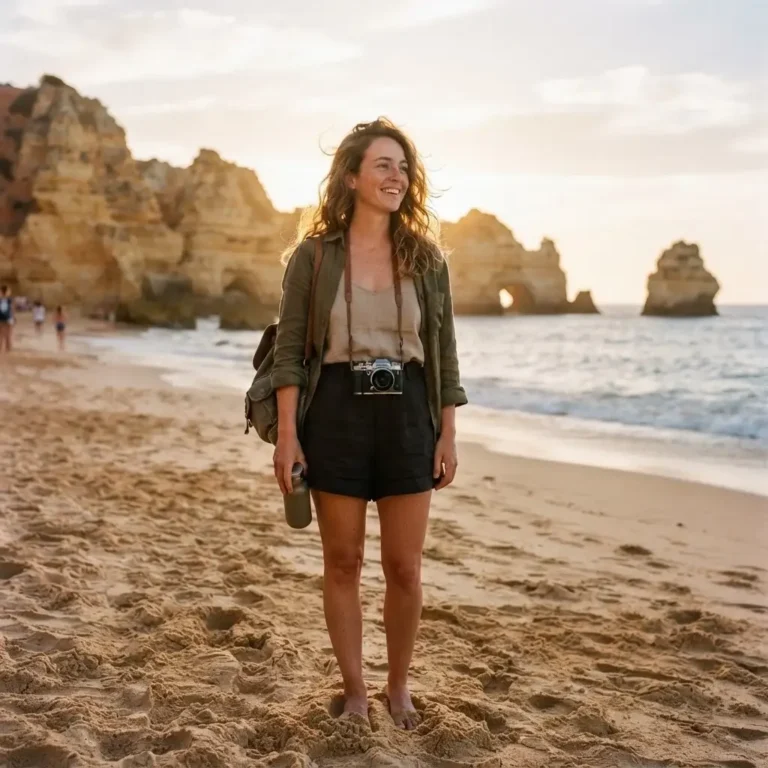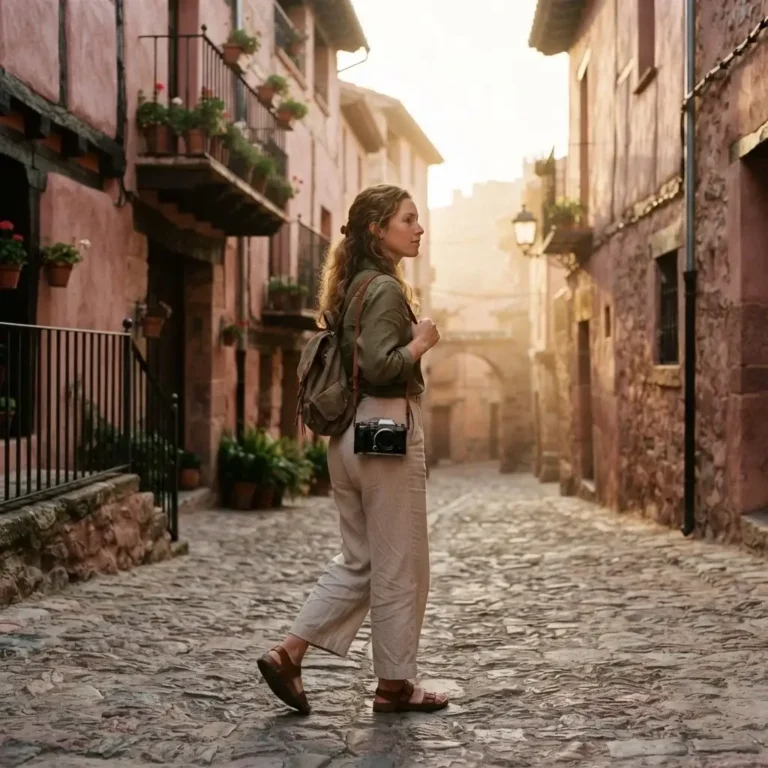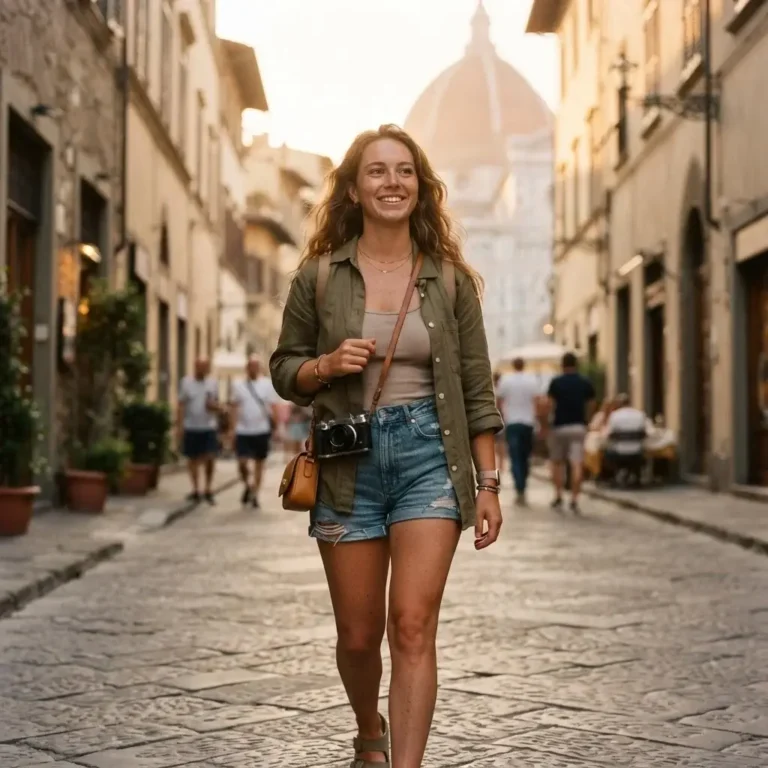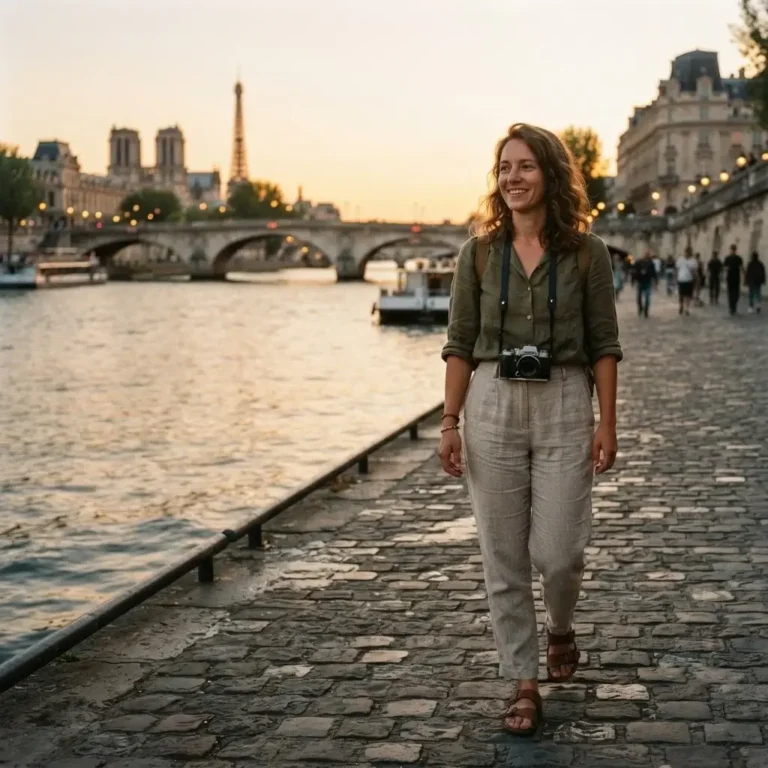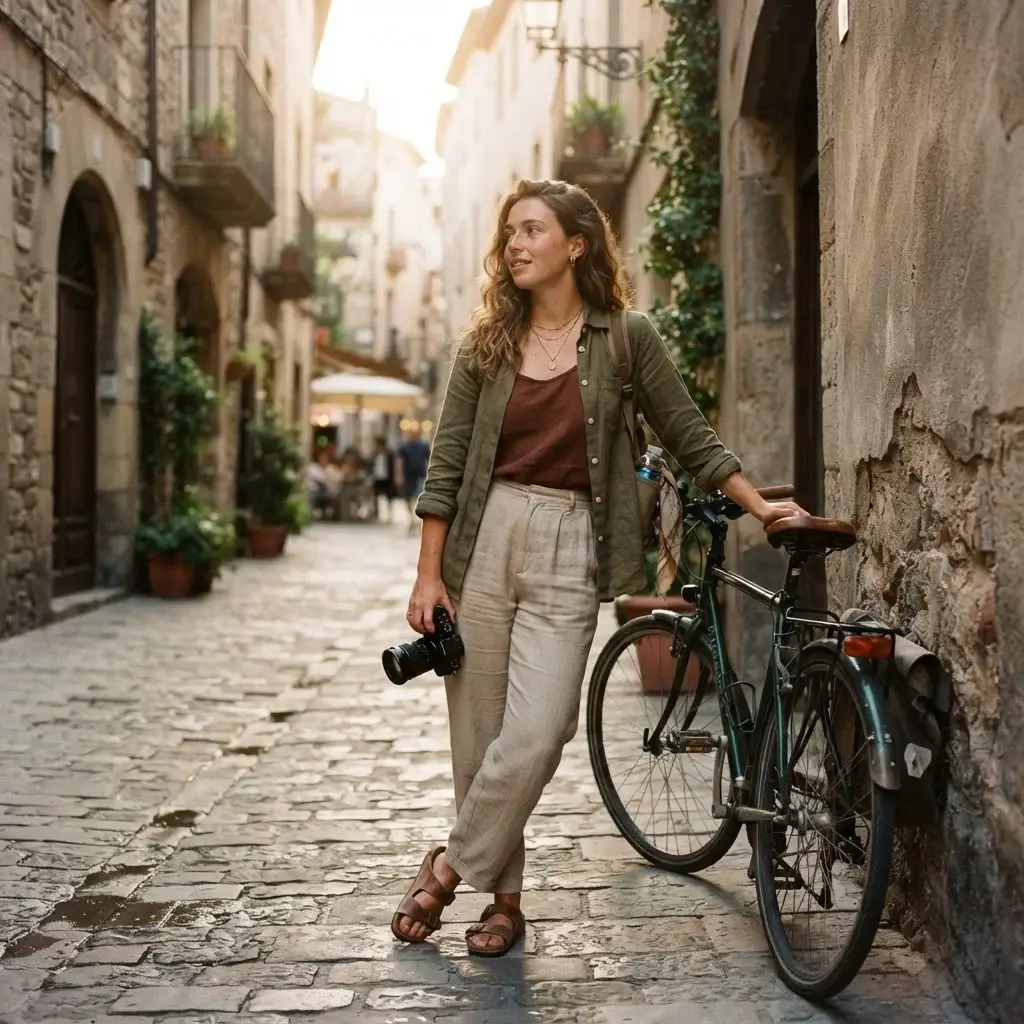
I remember standing on a busy corner in Bangkok, my map damp with humidity, watching a local cyclist weave through the gridlock with the grace of a dancer. Back then, I was still stuck in that rigid corporate loop in New York, where “travel” meant a week at a resort and a heavy suitcase. That moment sparked something. I realized that if you want to understand the pulse of a place—the real, messy, beautiful heartbeat—you shouldn’t watch it from the window of a tour bus. You need to be in it. You need to be on a bike.
Years later, after trading in my office badge for a camera and a backpack, I’ve learned that the best way to peel back the layers of a sprawling metropolis is by planning a thoughtful route. A biking itinerary for urban explorers isn’t about setting a speed record. It’s about creating a moving meditation where you control the pace. Whether you are navigating the historic alleys of a UNESCO site or cruising through modern districts, here is how I build my routes, manage the risks, and keep the adventure authentic.
Why Biking is the Ultimate Urban Exploration Tool
When I was working as a sightseeing guide in New York, I saw how disconnected people felt from the streets they were walking on. They were often too tired to walk another mile, yet too fast in a taxi to notice the local bakery that smelled like heaven or the street art tucked into a dead-end alley. A bike changes your relationship with a city. It extends your range, allowing you to cover three or four neighborhoods in a single afternoon without feeling exhausted.
More importantly, it forces you to engage. You stop being a spectator and become a participant in the traffic, the flow, and the sounds of the neighborhood. It’s a sensory experience. You hear the vendors shouting, you feel the shift in the breeze as you move from the riverfront to the dense high-rises, and you catch the scent of street food before you even see the stall.
Phase 1: Planning Your Route Without the Overwhelm
The biggest mistake I see beginners make is trying to see everything. They pack their itinerary with five different museums, three monuments, and a park, all spread across different parts of a massive city. When you are on a bike, this is a recipe for stress, not discovery.
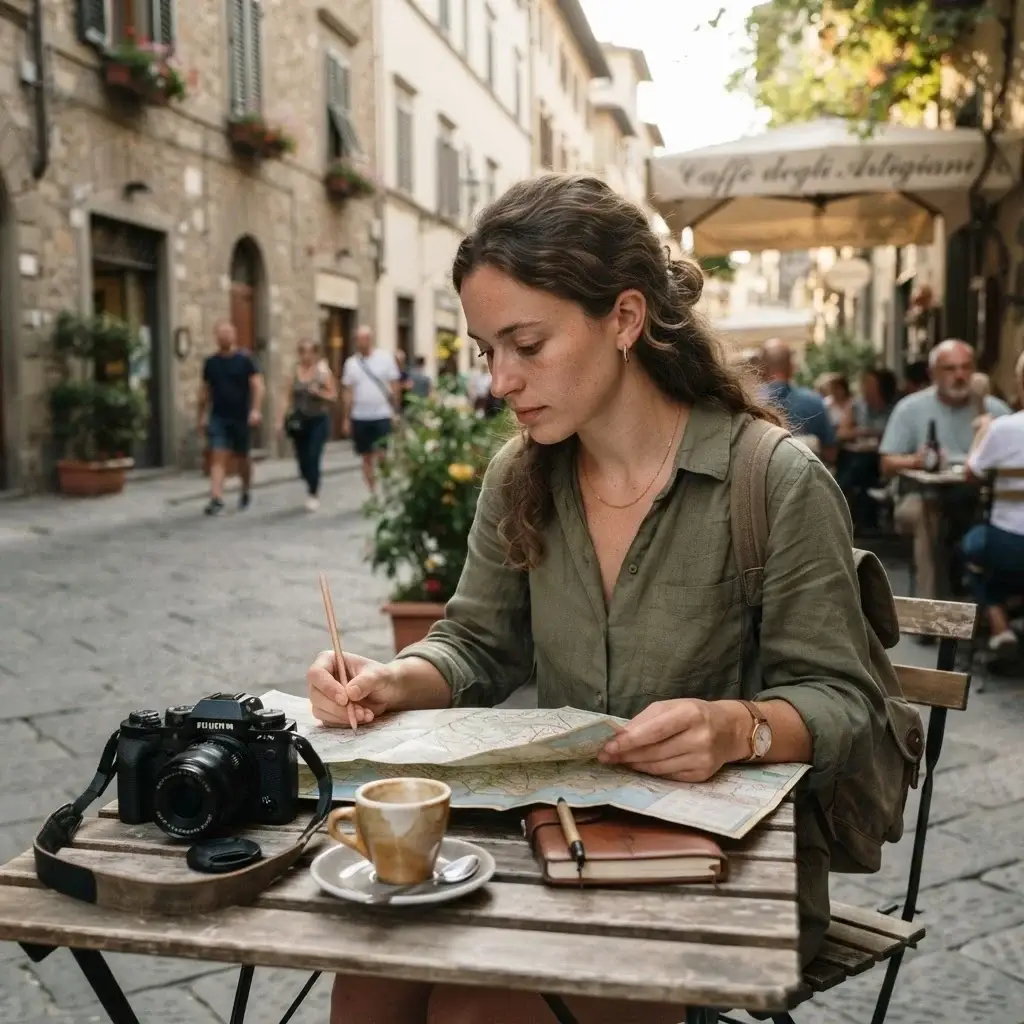
Before I land in a new destination, I spend time looking at regional transit maps and satellite imagery. I look for “green corridors”—paths that connect parks, riverfronts, or university campuses. These are your best friends as an urban cyclist. They usually offer a buffer from heavy, aggressive traffic. If you are preparing for a big international trip, it is always a smart habit to check the latest guidance on the US Department of State Travel website to ensure the areas you are planning to traverse are currently stable and safe for solo travelers.
Phase 2: The Art of the Slow-Ride Itinerary
I don’t believe in “checking off” landmarks. Instead, I choose one central theme for my ride. Maybe it’s “Street Art and Coffee” or “Riverside Architecture.”
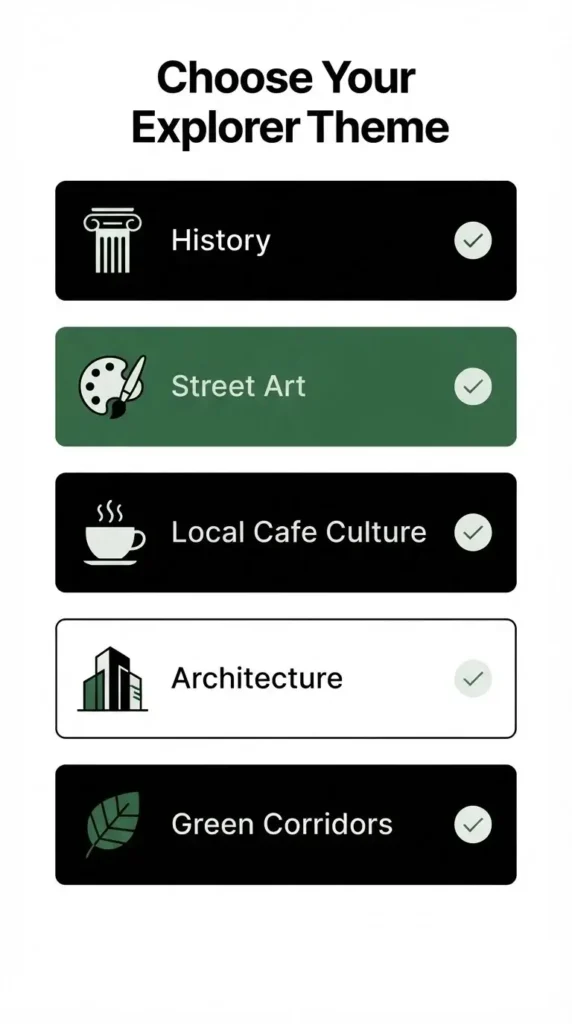
When you build a biking itinerary for urban explorers, you want to leave space for the “happy accidents”—those moments when you see a line of locals waiting for something and decide to stop, or when you spot an interesting gate and decide to peek inside.
If I am in a city known for its history, I look up the official UNESCO World Heritage listing to see if any of those protected areas are accessible by bike. Often, these spots have designated pedestrian-friendly zones surrounding them that are perfect for a slow, contemplative ride in the early morning before the tour groups arrive.
Phase 3: Navigating Traffic and Staying Safe
Let’s be honest: urban traffic can be intimidating. Even for an experienced traveler, the chaotic rhythm of a city like Hanoi or Rome can be startling. The trick is to act like a local, not a lost tourist.
First, never ride against the flow of traffic. It might seem like it’s easier to see cars coming, but it’s unpredictable and dangerous. Stay in your lane, signal your turns, and keep your head on a swivel. If you find yourself in a city that is notoriously difficult to navigate alone, use local rideshare apps to scout the route first. For example, looking at the coverage maps on the Grab official site can give you a great sense of which areas are highly active and well-serviced, which often correlates to areas that are easier for smaller vehicles to navigate.
Safety isn’t just about the traffic, though. It’s about your health, too. I always check the CDC Travelers’ Health portal before I head out to a new region, especially if I plan on spending long days outside. They provide excellent advice on hydration and sun protection, which are just as vital when you are cycling through an urban heat island as they are when you are hiking in the wilderness.
Phase 4: Culinary Pit Stops and Local Etiquette
My favorite part of any ride is the food. Street food culture is usually at its best around transit hubs and local markets—the exact places where cyclists naturally end up.
When you are planning your ride, look for the “wet markets” or local food courts. The best rule of thumb? Go where you see a queue of office workers or students. They know what’s fresh, affordable, and delicious.
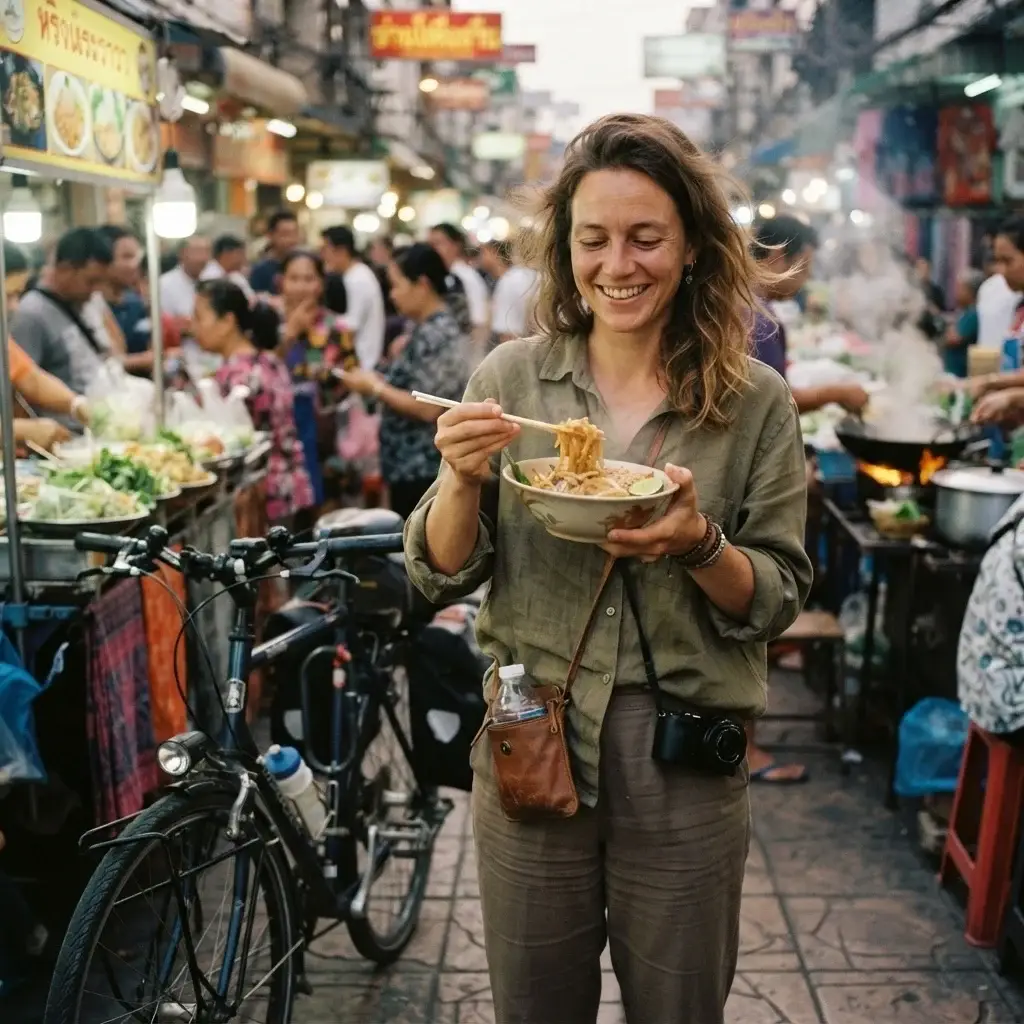
If you are traveling through Southeast Asia, the Tourism Authority of Thailand offers some wonderful cultural etiquette guides that help you understand the proper way to order and interact with food stall owners, ensuring you remain a respectful guest in their city.
Remember to keep your bike locked up in a visible, well-lit area while you eat. I carry a lightweight, high-quality U-lock. It’s extra weight, but it’s the price of peace of mind.
Phase 5: Building Confidence Through Solo Exploration
Solo travel is the fastest way to grow, but it requires you to be your own safety net. When you are out on your own, you are the one making the decisions. That can be scary, but it’s also empowering.
If you get lost, don’t panic. Pull over into a cafe or a park. Grab a coffee. Reorient yourself. Use the time to practice your language skills or observe the people around you. You will find that most people are kind and helpful if you approach them with a smile and a bit of humility. And if you are worried about the “what ifs,” it is worth looking into the safety and support resources provided by World Nomads Travel Insurance. They have great articles on how to handle the common minor mishaps that happen on the road, which helps take the edge off that first-time solo traveler anxiety.
The Mental Shift: From “Tourist” to “Explorer”
What really sets a great biking itinerary for urban explorers apart is the intention behind it. When I was younger, I thought I needed to see the “must-see” sites to be a “real” traveler. That’s just noise. A real explorer is someone who is curious enough to venture down a street just because the light looks interesting, or because a local musician is playing on the corner.
Stop focusing on the distance covered. It doesn’t matter if you bike five miles or fifty. It matters how many times you stopped to look, to talk, or to listen. When you strip away the pressure to “achieve” a sightseeing list, you open yourself up to the actual experience. That is where the magic happens. That is how you come home with more than just photos; you come home with a new way of seeing the world.
Practical Tips for Your Gear
You don’t need a professional racing bike to be an urban explorer. In fact, a fancy bike can sometimes be a liability. I prefer a simple, sturdy hybrid bike that can handle potholes and cobblestones.
- The Light Kit: Always carry front and rear lights, even if you plan to be back before dark. Cities change quickly, and things run late.
- The Puncture Kit: Learn how to change a tube. It is a 20-minute skill that will save you hours of frustration.
- The Bag: Use a pannier or a front rack. Avoid wearing a heavy backpack if you can; it shifts your center of gravity and will make you sweat more in the heat.
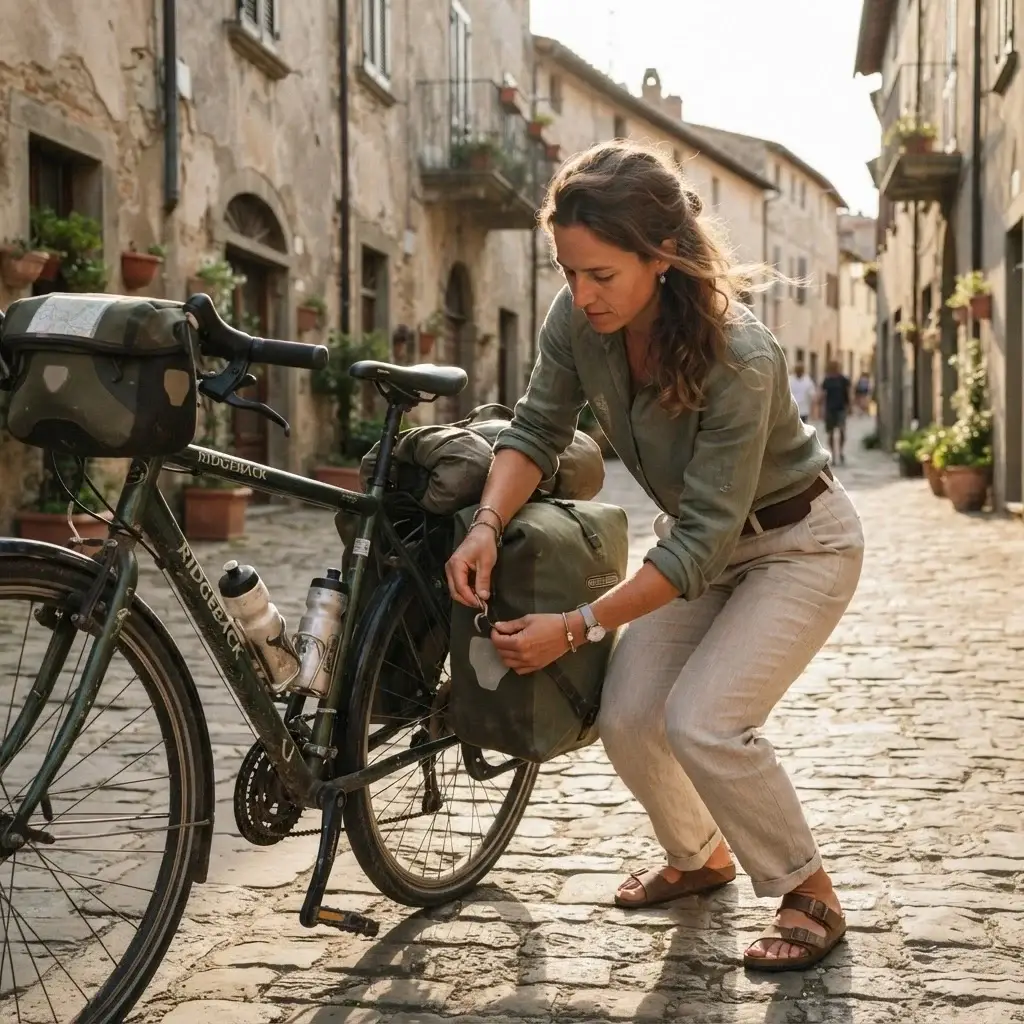
- The Navigation: Keep your phone mounted on the handlebars for easy GPS access, but don’t glue your eyes to it. Use it as a safety tether, not a master.
Finding Your Rhythm
Every city has a rhythm. Paris has a frantic, romantic flow. Tokyo has a highly structured, efficient pulse. Berlin is sprawling and artistic. Your job as an explorer is to find that rhythm and sync up with it.
Do not fight the city. If the traffic is aggressive, move to the slower streets. If the street you chose is too loud, take a turn into the residential blocks. You have the ultimate freedom. You are not on a schedule. You are not on a tour. You are just you, your bike, and the vast, beautiful, complicated world waiting to be explored.
So, pick a city. Maybe it’s one you have always dreamed of or maybe it’s one that is just a train ride away. Rent a bike, grab a map, and start small. The perfect time to start is now, and I promise you, once you take those first few pedals into the unknown, you will never want to go back to the old way of traveling again.