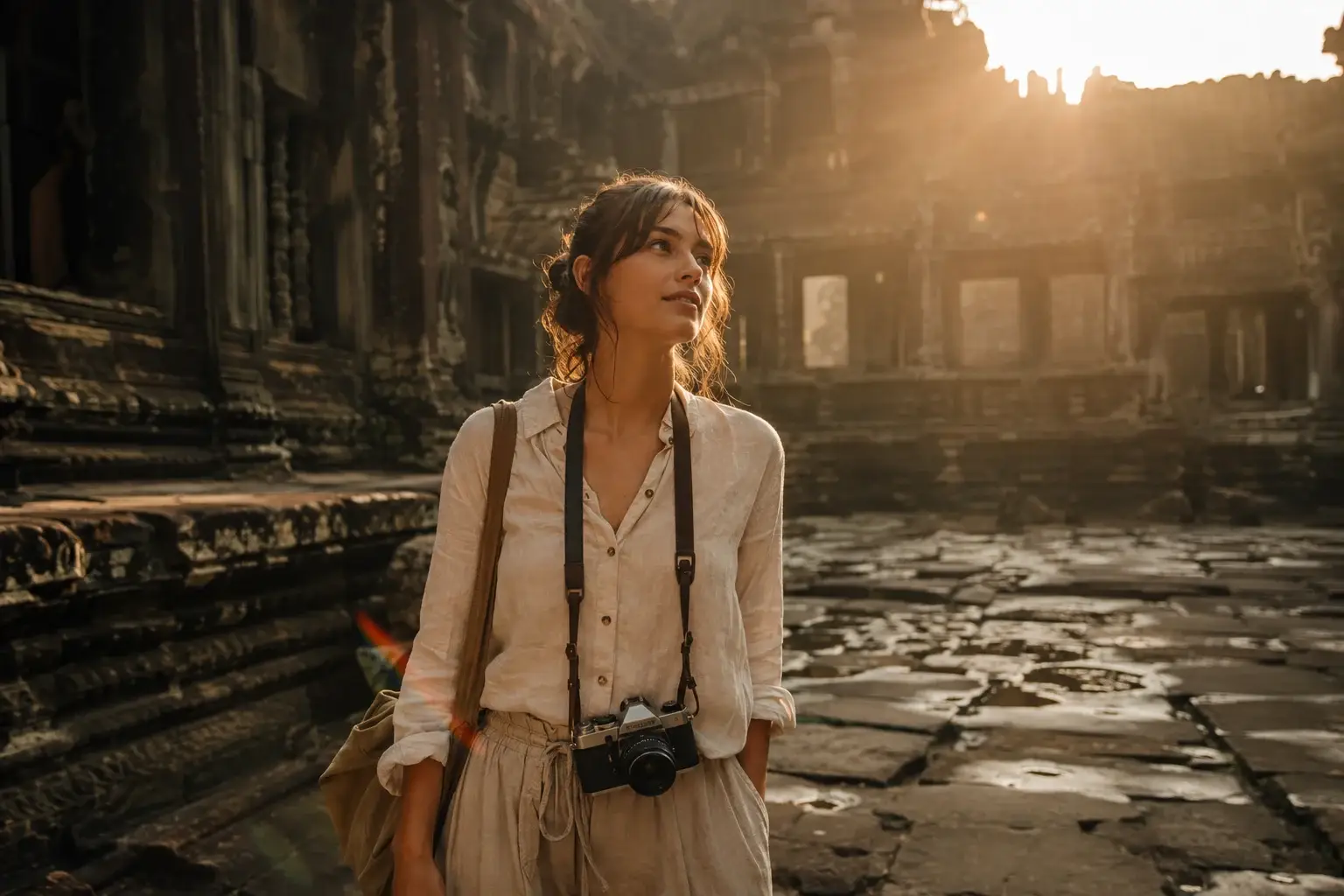
When I first started traveling, I thought being prepared meant carrying my entire life on my back. I remember standing at the check-in desk in New York before a trip to Europe, sweating through my coat because my bag weighed fifty pounds. I was terrified of being “unprepared.” What if I needed a formal outfit? What if I got caught in the rain for three days straight? What if I wanted to go hiking and then to a fancy dinner?
I packed for every “what if.” Instead of a trip, I ended up with a physical burden that kept me from moving freely. I spent my time in train stations struggling to lift my suitcase onto racks, and I felt weighed down—literally and metaphorically—by the sheer volume of stuff I was dragging across continents.
It took years of trial and error, including a transformative season spent teaching English in Thailand and months of backpacking through Europe, to realize that the secret to a great trip isn’t having everything you might need. It’s having only what you actually use. Packing light isn’t about deprivation; it’s about agility. When you carry less, you move faster, you board trains with confidence, and you spend less time worrying about your gear and more time actually engaging with the world around you.
Here are the hacks I’ve learned to avoid overpacking, tested on dusty trails, busy city streets, and quiet village homestays.
The Mental Shift: Packing for Reality, Not Fear
The biggest enemy of a light bag is the fear of the unknown. We pack for the worst-case scenario because we think it gives us control. But the reality is that almost everywhere you go, people live, work, and have access to laundry and pharmacies.
Before you even touch your suitcase, look at your itinerary. If you are going to a place where the U.S. Department of State Travel website suggests checking for specific entry requirements or safety alerts, you’ll realize that the most important thing you can carry is your passport and your wits, not four pairs of shoes. You don’t need to pack for a survivalist expedition if you’re heading to a capital city.
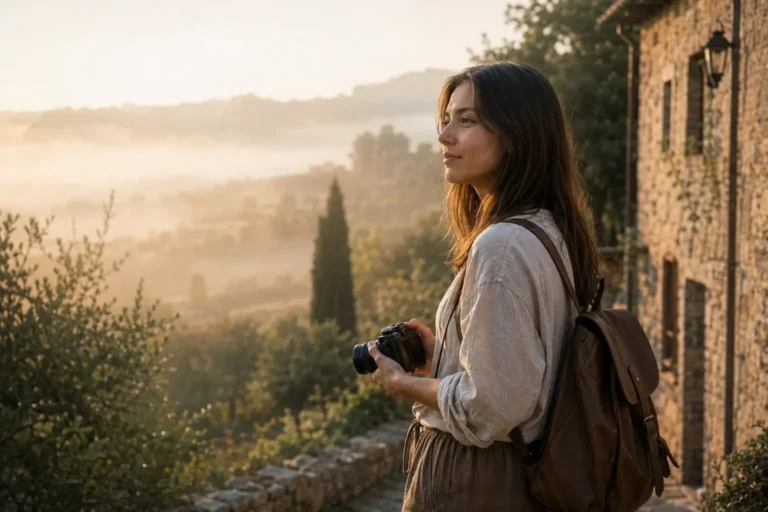
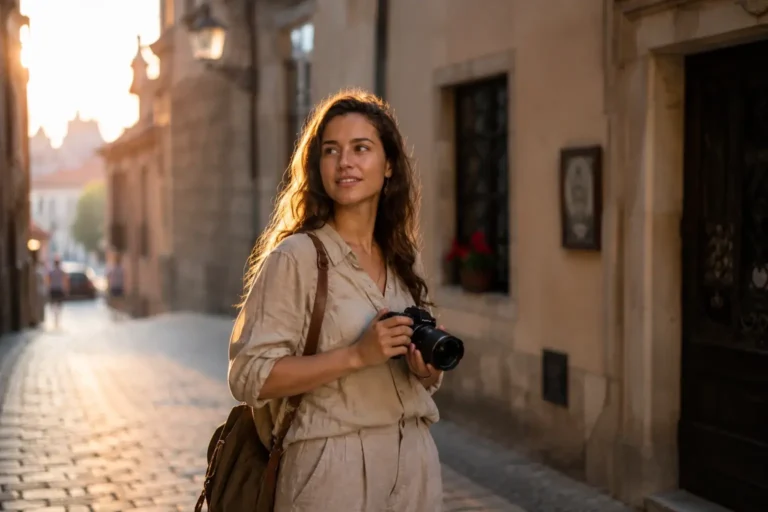
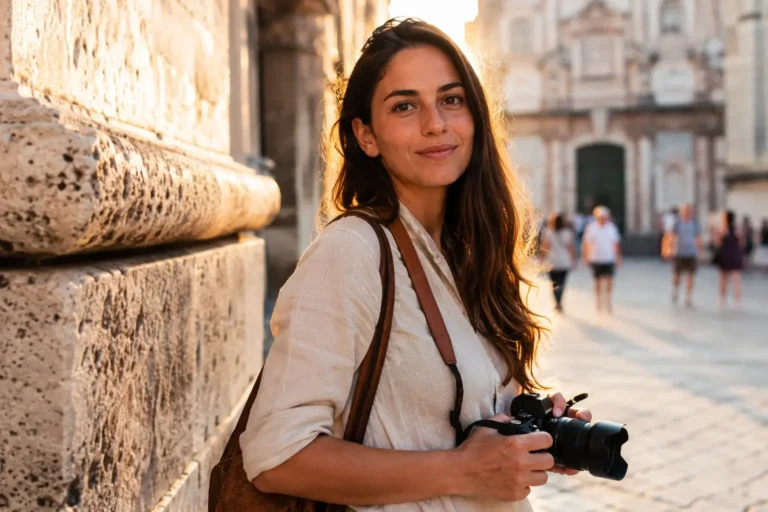
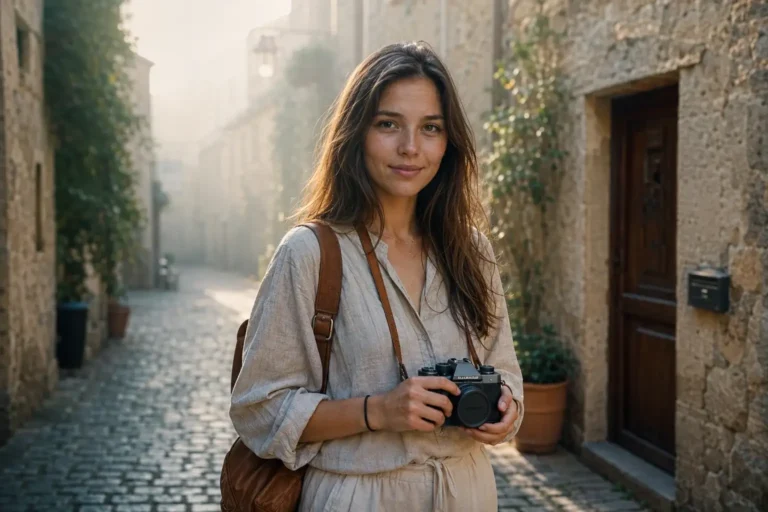
I stopped packing for “what if” and started packing for “who I am.” If you don’t wear heels at home in New York, you aren’t going to wear them in a cobblestone village in Italy. Be honest about your habits. If you love reading, don’t bring three hardback books; bring one e-reader. If you love photography, bring one versatile lens instead of a heavy kit.
The Capsule Wardrobe: Curating Your Travel Life
The most effective way to avoid overpacking is the “capsule wardrobe.” This is a fancy term for a simple concept: everything you bring must match everything else.
I choose a color palette before I go—usually neutrals like navy, black, or tan, with one accent color. Every top I pack must match every bottom. If a shirt only goes with one pair of pants, it stays home. This rule sounds restrictive, but it is actually liberating. You stop wasting time deciding what to wear and start using that time to explore.
I always focus on layers. Whether I am hiking through the mountains of China or walking the streets of Bangkok, the weather can change in an instant. Instead of one heavy, bulky sweater, I pack three thin layers: a base layer, a lightweight long-sleeve, and a water-resistant windbreaker. This combination handles almost every climate scenario, and when it’s not in use, it packs down into a tiny corner of my bag.
Master the Art of Fabric Selection
The material your clothes are made of is just as important as the quantity. I avoid cotton at all costs because it is heavy, takes forever to dry, and wrinkles if you even look at it the wrong way.
Instead, I opt for merino wool or synthetic technical fabrics. Merino wool is a traveler’s best friend. It is naturally odor-resistant, temperature-regulating, and incredibly light. I have worn the same merino shirt for three days in a row, and it still feels fresh. When you can wear an item multiple times, you naturally bring less.
If you are planning an active trip, check the CDC Travelers’ Health portal to see if you need specific gear for your destination’s climate or health environment. Packing the right type of clothing—like long sleeves for mosquito protection in tropical areas—is much smarter than just packing “more” clothing.
The Toiletries Trap: Simplifying Your Routine
Toiletries are the silent space-killers. We assume we need full-sized bottles of shampoo, conditioner, and body wash, but we really don’t.
I’ve learned to embrace the “solid” revolution. I use solid shampoo bars and soap bars that don’t count toward my liquid limit and won’t leak in my bag. For everything else, I use tiny reusable silicone tubes.
Remember, you are going to a destination, not a moon colony. If you run out of toothpaste, you can buy it in a local shop. In fact, going to a local supermarket in a new country is a wonderful cultural experience. You get to see the brands they use and interact with locals. I once found my favorite face cream in a tiny shop in Thailand because I’d run out of my own. It became a funny memory and a practical win.
Footwear: The One-Pair Rule
Nothing takes up more space or adds more weight than shoes. I limit myself to two pairs of shoes—three at the absolute most for a month-long trip.
- The “Workhorse”: This is the pair I wear on the plane. It is comfortable, broken-in, and good for walking long distances.
- The “Versatile”: This is a pair of sandals or simple flats that can work for a nice dinner but are still light enough to fit in a side pocket.
I avoid bringing specific “activity” shoes unless the activity is the entire point of the trip. If I’m going to UNESCO World Heritage sites that involve a lot of walking, my “workhorse” shoes are enough. If I decide to go hiking, I’ll rent boots or just wear my supportive sneakers. Never let a “just in case” pair of boots take up the space where another pair of pants could live.
Laundry as a Lifestyle
When you aren’t trying to pack for 30 days, you aren’t trying to carry 30 outfits. You are carrying enough for a week and doing laundry as you go.
I pack a small, travel-sized bottle of concentrated laundry detergent. Every few days, I wash my socks and underwear in the sink. It takes ten minutes, and it means I never have to haul a bag of dirty laundry across the globe. This habit changed my travel life more than any other tip. It forces you to be mindful of what you wear, and it prevents that dreaded “end-of-trip smell” that ruins everything in your bag.
If you’re visiting a place like Thailand, laundry services are everywhere, incredibly cheap, and usually return your clothes folded and smelling like jasmine. Check the Tourism Authority of Thailand for cultural etiquette if you’re unsure how to handle local services, but generally, letting a local shop handle your washing is a great way to support the economy while saving yourself a headache.
Logistics: Getting Around Without the Bulk
When you succeed in packing light, your transit choices expand. You no longer need to pay for a taxi because your suitcase is too heavy to walk with. You can take the metro, the bus, or walk to your hostel.
In busy cities, I often use ride-hailing apps to navigate safely, especially when I arrive in a new place at night. For instance, using the Grab official app in Southeast Asia makes getting from the airport to my accommodation easy and transparent. Because I’m only carrying one backpack, I can jump in a car, hop on the back of a motorbike taxi, or carry my bag up four flights of stairs to a walk-up apartment without a second thought.
If you are ever unsure about the safety of a location or how to get around, check with your accommodation host or use trusted official government travel advisory pages. Staying mobile is your greatest safety asset. When you can move quickly and independently, you are always in control of your environment.
The Packing Cubes Secret
If you aren’t using packing cubes, you are doing it the hard way. These little fabric boxes compress your clothes and keep them organized. I have one for tops, one for bottoms, one for undergarments, and one for dirty laundry.
When I arrive at a hotel or hostel, I don’t need to unpack everything into a dresser. I just pull the cubes out and put them in a drawer. Packing back up takes seconds. Because the cubes have a rigid shape, they make it impossible to just shove things in randomly. If it doesn’t fit in the cube, it doesn’t fit in the bag. It provides a natural “hard stop” to my packing process.
Dealing with the “What If” Anxiety
I know what you’re thinking: “What if I get sick? What if I need a dress for a fancy event? What if I want to go to the beach?”
First, for the health side, carry a very small, well-curated first aid kit. A few bandages, some antiseptic wipes, and whatever basic medication you need. Don’t carry the whole pharmacy. For insurance, I always recommend reading up on policies from sources like World Nomads Travel Insurance to understand what coverage is actually useful for your type of travel. Being prepared with a good plan is much more effective than being prepared with a heavy bag of random items.
As for the “dress for an event,” ask yourself how many times you have actually been to a formal event while traveling. If the answer is zero, don’t bring the dress. If you end up going to something truly special, go to a local market and buy a beautiful, locally made piece of clothing. It’s a much better souvenir than a dress you dragged across three oceans and never wore.
Finding the Joy in Less
Every time I leave home with a lighter bag, I feel a sense of lightness in my spirit. I’ve realized that I don’t need “things” to make a travel experience successful. I need my camera, my notebook, a few reliable pieces of clothing, and an open heart.
When you stop trying to recreate your home environment in your luggage, you start to actually live in the world you are visiting. You adapt. You grow. You learn that a rainy day doesn’t require five different jackets—it requires a sense of humor and a willingness to find a cozy café. You learn that a long train ride doesn’t require a suitcase of entertainment—it requires a journal and the curiosity to observe the people around you.
I look back at the versions of myself that used to struggle with heavy bags, and I smile. I didn’t know then that the weight I was carrying was just an anchor keeping me from the very things I wanted to experience: total, absolute, and joyous freedom. Start small. On your next trip, take out three items you think you need. I promise you won’t miss them. You’ll be too busy enjoying the walk.