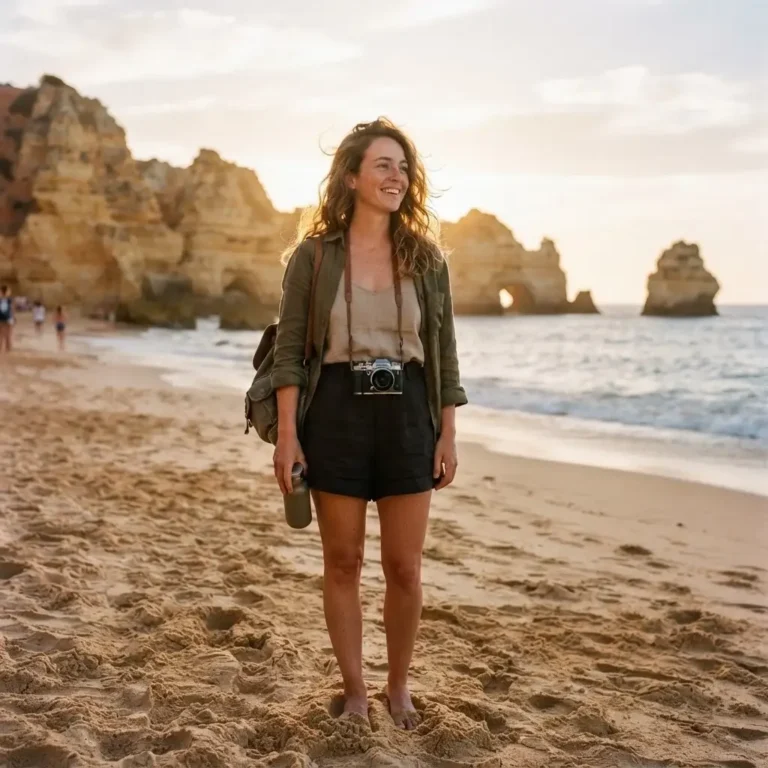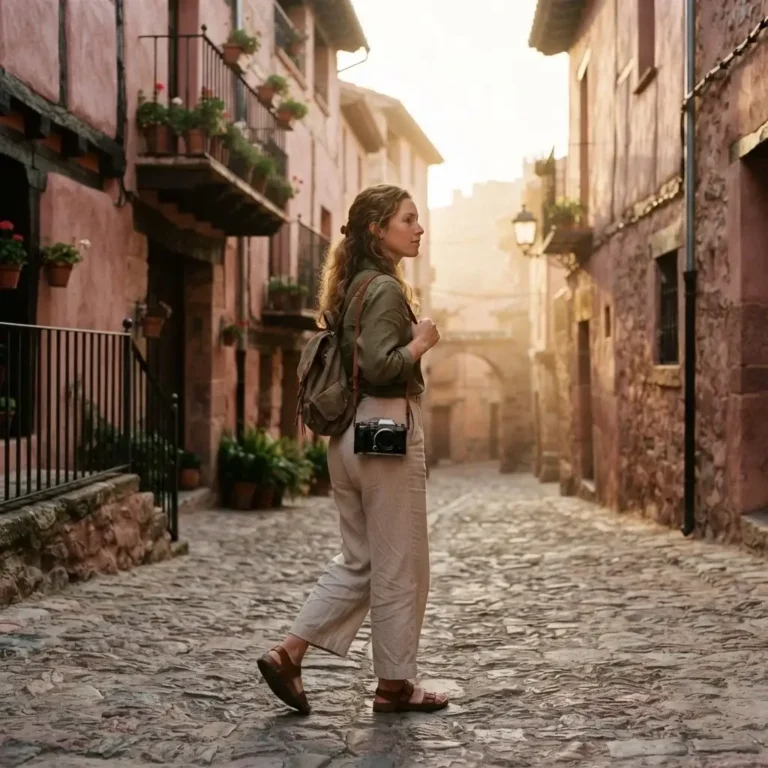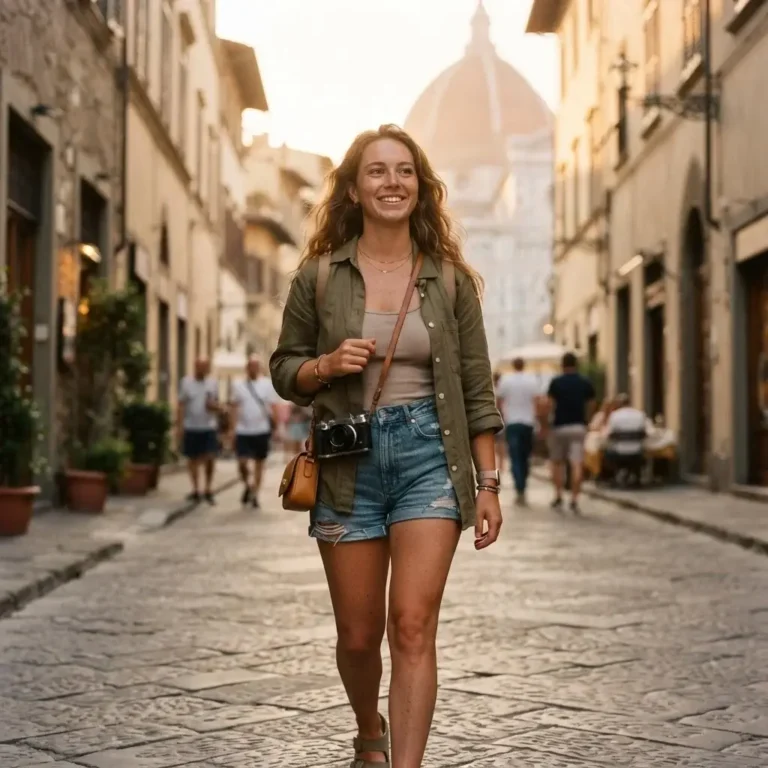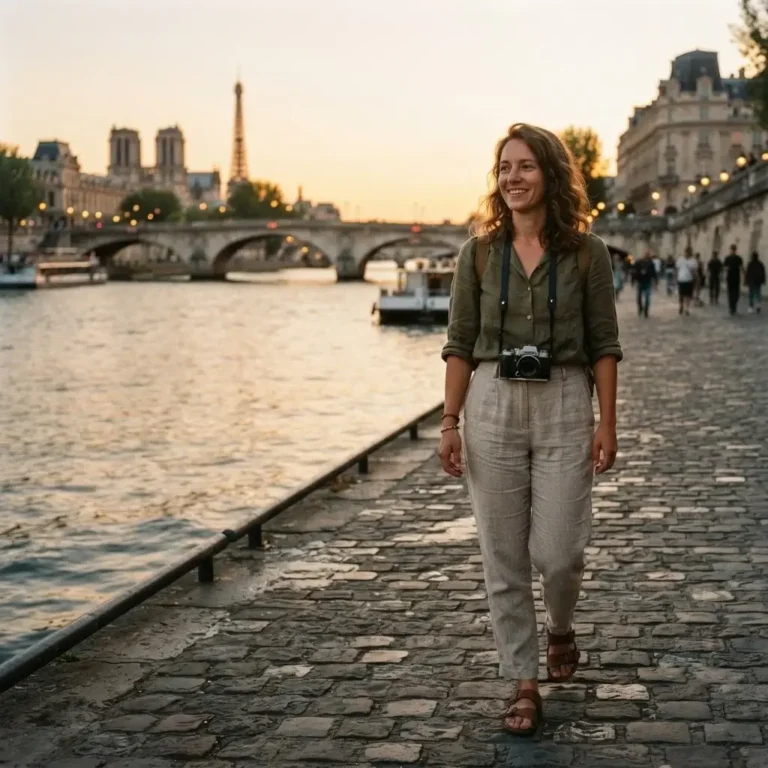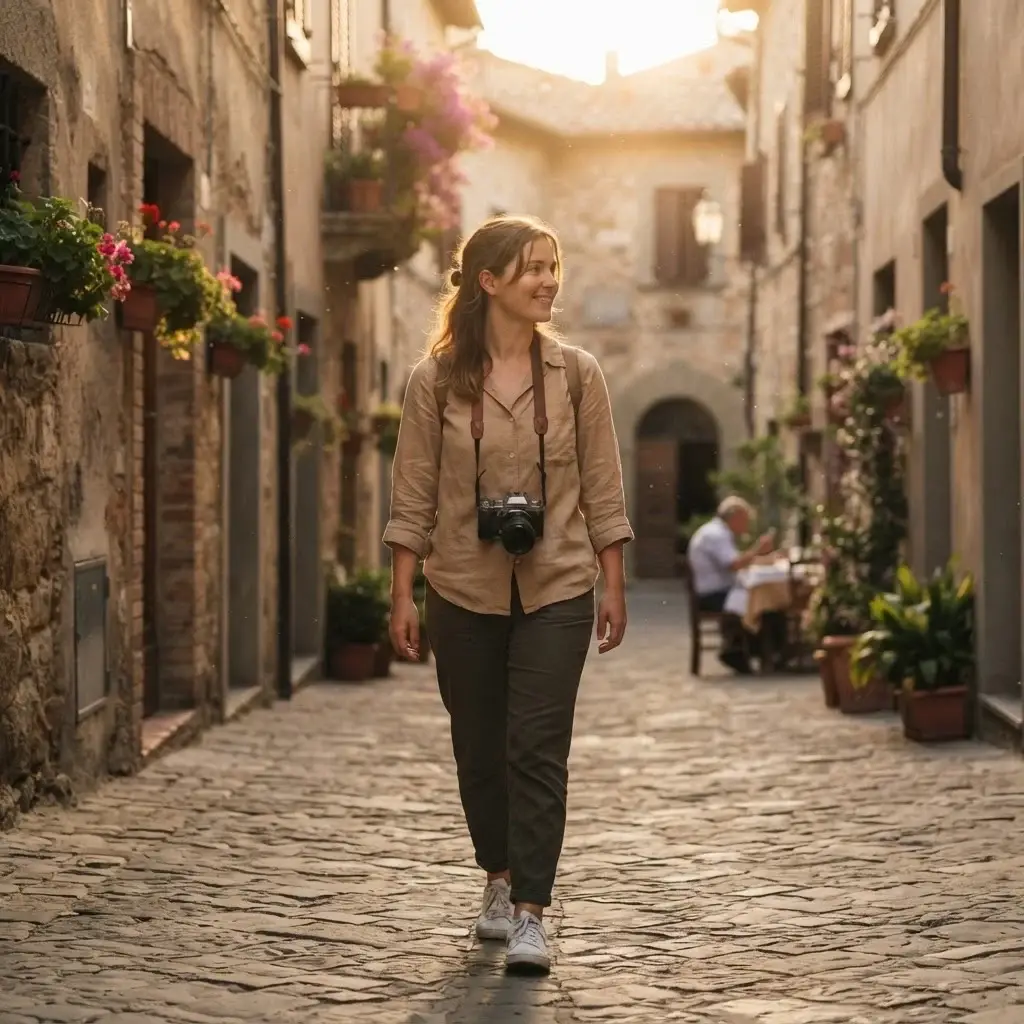
When I lived in New York, I spent years working as a certified sightseeing guide. I watched thousands of people hop off double-decker buses, snap a photo of a landmark, and run back to their hotel. I used to think, you are missing the entire point of being here.
Back then, I was still stuck in that rigid corporate routine myself. I craved more. I wanted to feel the pavement under my feet, smell the street food, and sit in a park until the sun went down. Eventually, I walked away from the office desk to build the life I have now—one where travel is my classroom.
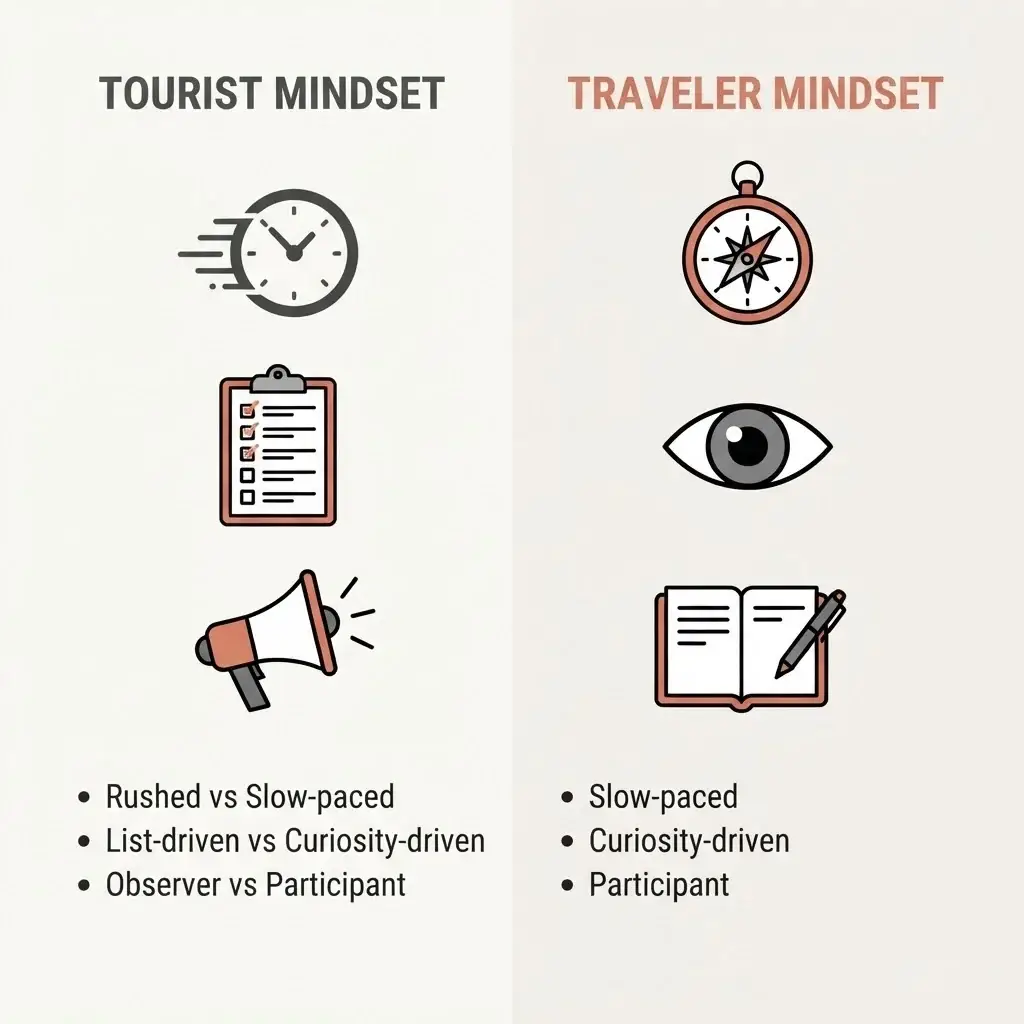
People often ask me, “Emma, how do you manage to see a city in 24 hours without just running a marathon of monuments?” It is a challenge, but it is entirely possible. When you only have one day, the secret isn’t to do more. It is to do better. It’s about choosing depth over breadth. Here is how I manage to slow down, even when the clock is ticking.
The Strategy: Rethink Your Approach to Time
The moment you tell yourself, “I have to see everything,” you have already failed. When I arrived in Thailand for the first time to teach English, I spent three days trying to visit every temple in Bangkok. By the fourth day, I was exhausted and didn’t remember a single detail about the first one.
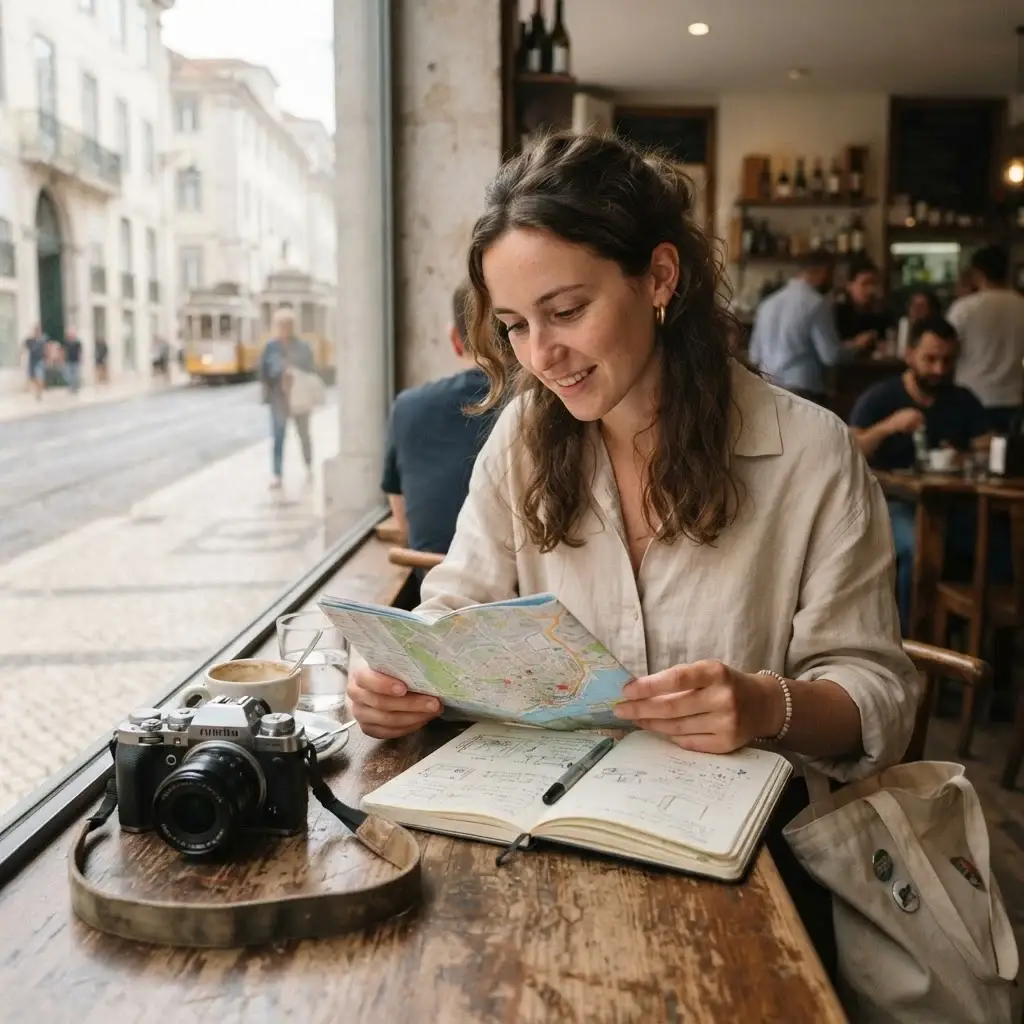
When you only have 24 hours, treat the city as if you were moving there. You wouldn’t try to see your entire new home in one afternoon. You would find your favorite coffee shop, walk the local market, and find a park. That is exactly how you need to approach a short trip.
Before you even step off the plane or train, check the U.S. Department of State Travel website for any specific entry requirements or safety alerts for your destination. It sounds boring, but knowing the lay of the land—like if you need a specific type of visa or if there are certain neighborhoods to avoid—gives you the confidence to wander without anxiety. Once you have that out of the way, your mind is free to just be present.
Start Your Day in the “Slow” Lane
Most tourists start their day at the biggest, loudest landmark. Don’t do that. That is where you find the crowds, the long lines, and the overpriced coffee. Instead, I always head to a neighborhood bakery or a local park as soon as I drop my bags.
In my experience, the heartbeat of a city is rarely found in the town square. It is in the side streets where residents are buying their bread or walking their dogs. If you are heading to a new international destination, take a moment to look over the CDC Travelers’ Health portal to see if there are any specific local food safety guidelines or health precautions you should keep in mind. Knowing these small details means you won’t have to spend your precious 24 hours worrying about your stomach; you can focus on the local flavors instead.
When I am in a new place, I don’t look for a “top 10” list. I look for a neighborhood that has been designated as significant by UNESCO World Heritage for its cultural value. These areas are usually preserved for a reason. They have character. They have history. And most importantly, they are often designed for walking, which is the only way to truly see a place.
Choosing Your “Anchor” Experience
You can’t do everything, but you can do one thing well. I call this your “anchor.” It could be a museum, a historic garden, or a bustling morning market.
When you pick your anchor, plan everything else around it, not before it. If your anchor is a historic marketplace, look at the map and see what quiet residential streets connect to it. That is where you will find the real magic.
If you are using a ride-sharing service to move between areas, I suggest learning how Grab works for travelers before you arrive in Southeast Asia, as it’s often safer and much more transparent than haggling with local taxis. Having these logistics handled in advance means you aren’t wasting time feeling frustrated or confused in the middle of a busy intersection.
The Art of the Afternoon Wander
After lunch, I always put my phone away. This is non-negotiable. If you are constantly checking a map, you are interacting with your screen, not the city.
Walk until you see something interesting—a colorful doorway, a street artist, or a smell that makes you hungry. If you get lost, consider it a success. Getting lost is the fastest way to understand the layout of a city. If you ever feel like you’ve wandered into a place that feels a bit too isolated for your comfort level, you can always refer back to World Nomads Travel Insurance safety resources, which offer great tips on how to handle unexpected travel challenges or stay aware of your surroundings in unfamiliar territory.
Culinary Immersion: Eating Like a Local
Food is culture. It is the most honest way to learn about a place. If you only eat at the restaurants right next to the famous statues, you are eating “tourist food.”
Walk at least four blocks away from any major attraction. If the menu is in three languages and has photos of the food, keep walking.
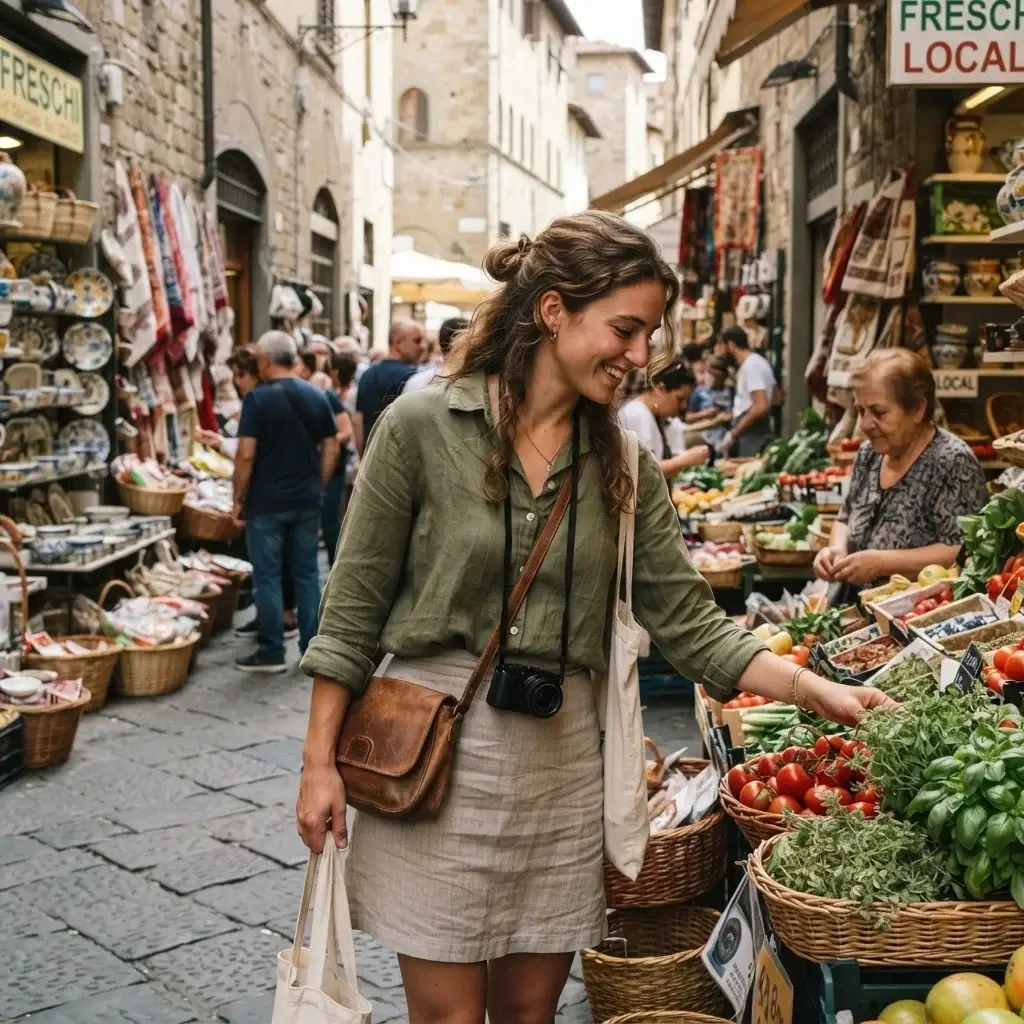
Look for the place where there is a line of locals, or better yet, a place that looks a bit worn around the edges.
If you are traveling in Thailand, I highly recommend checking out the official guides from the Tourism Authority of Thailand to understand local dining etiquette. For example, learning how to properly use a spoon and fork or knowing when it is appropriate to tip can change how you are treated. When you show respect for local customs, the experience becomes much deeper than just a meal.
Navigating the Evening Without the “List”
As the sun sets, most people head back to the hotel. This is a mistake. The city transforms at night. This is when the streets feel the most intimate.
Find a place to sit—a riverbank, a busy plaza, or a quiet set of steps. Just sit. Don’t check your list of things you didn’t do.
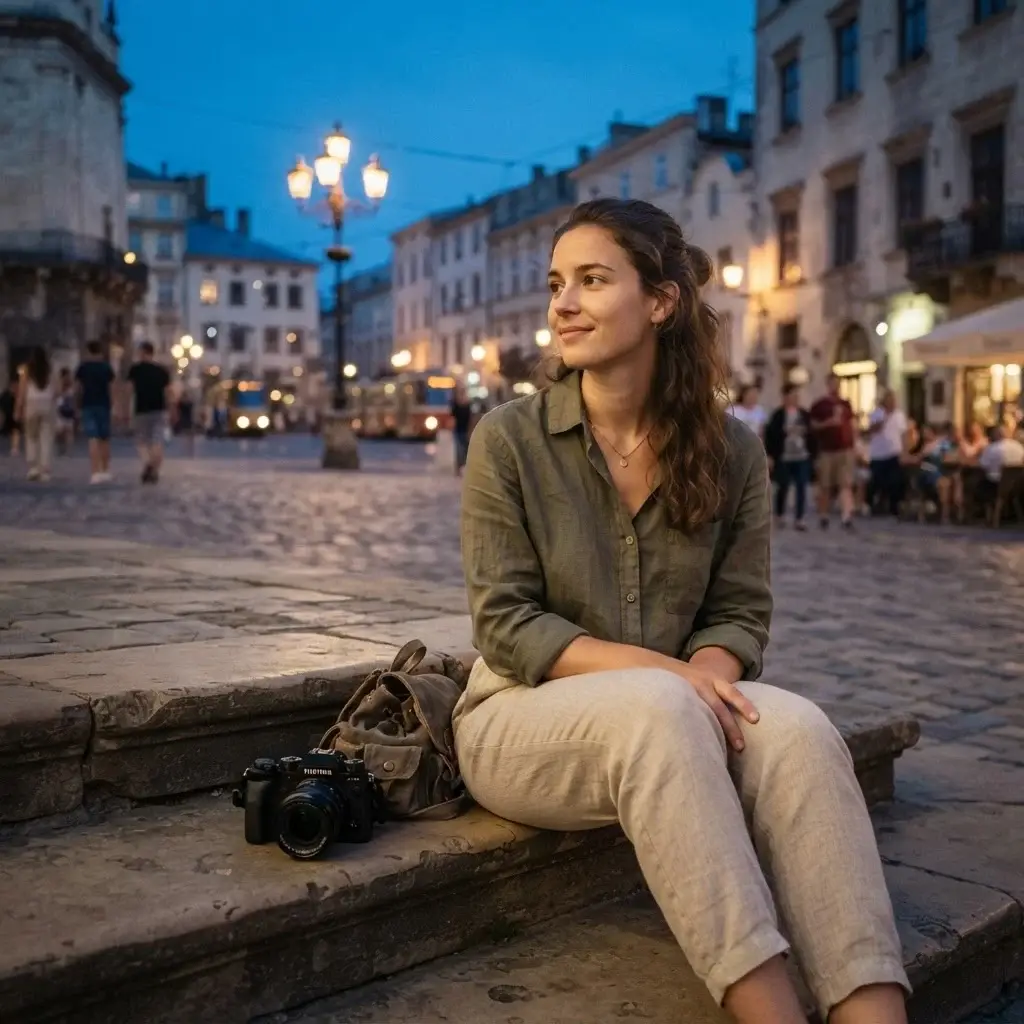
You will never see everything, and that is okay. The beauty of travel is not in the tally of your achievements, but in the quality of your observations.
When you look back on your life, you won’t remember the souvenir you bought or the specific statue you posed in front of. You will remember the way the light hit the buildings, the conversation you overheard at the cafe, and the way you felt confident enough to navigate a foreign place on your own.
Lessons From the Road
I remember being in a city I wasn’t familiar with, and I had only 24 hours before a flight. I could have rushed to every major museum. Instead, I spent the whole day in one neighborhood, sitting in a park and watching people go about their Tuesday. I realized that everyone there was living a full, complicated, beautiful life that had nothing to do with me. That is when I felt like a traveler, not a tourist.
If you take only one thing away from this, let it be this: you are the narrator of your own adventure. If you want to spend four hours in a bookstore because it feels like “home,” do it. If you want to skip the famous tower because you’d rather eat gelato by the water, do it. Your trip is only as good as the memories you create, and those aren’t found on a checklist.
Final Thoughts on Your Brief Adventure
Traveling for 24 hours might seem short, but it is enough to change your perspective. It teaches you how to be decisive, how to be observant, and how to find beauty in the fleeting moments. Don’t worry about the “perfect” trip. There is no such thing. There is only the trip you take, the lessons you learn, and the courage you build by just showing up.
Stop waiting for the long vacation. Stop waiting for the perfect partner to travel with. Start with a day. Start with 24 hours. The world is waiting for you, and trust me, you are more capable of navigating it than you think.