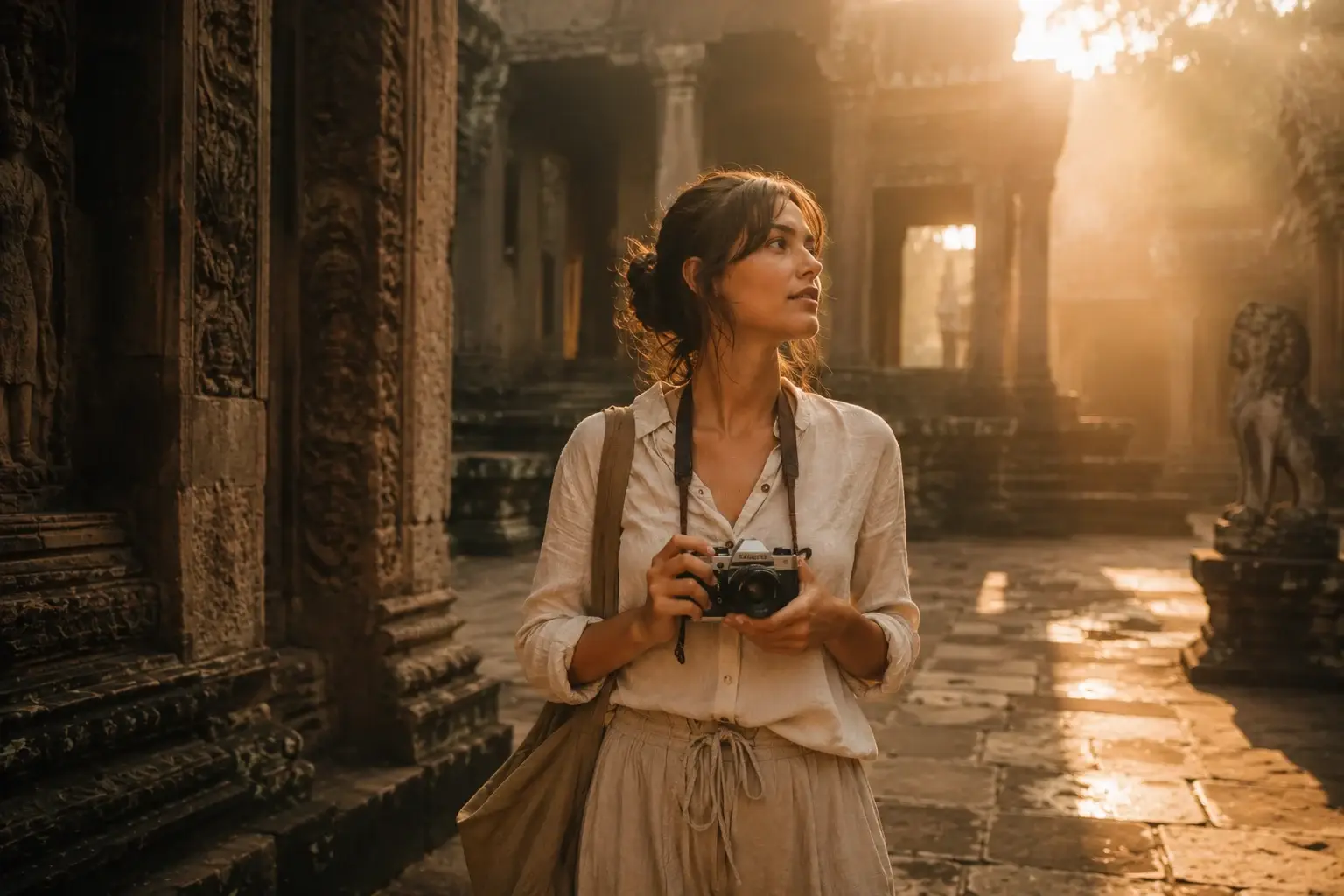
When I was living in New York, grinding away at a desk job that felt more like a cage than a career, I used to stare at my suitcase in the corner of my closet. It was a dusty, oversized monster I only pulled out for the occasional weekend trip. I thought that to be a “real” traveler, I needed to pack for every possible disaster. I brought three pairs of shoes I never wore, a hairdryer, and outfits for weather that never actually happened.
That changed the moment I started backpacking solo through Europe. I learned the hard way that when you are the only one carrying your bags through a cobblestone alley in Prague or navigating a busy train station in Bangkok, every single ounce matters. Packing isn’t just about fitting stuff in a bag; it’s about preparing your mindset for the freedom of the road.
If you are looking for the ultimate travel packing checklist Pinterest users swear by, you aren’t just looking for a list of clothes. You are looking for peace of mind. You want to know that you are ready for the adventure, not burdened by your own belongings. Let’s break down how to pack with purpose.
The Psychology of Less: Why We Overpack
We overpack because we are afraid. We are afraid of the “what ifs.” What if it rains? What if I get invited to a fancy dinner? What if I have an emergency? I carried that fear for years. But as I traveled more—teaching English in Thailand, hiking through rural China, and eventually working as a guide—I realized that almost everything you need can be bought locally, or isn’t needed at all.
When you pack light, you move faster. You take the stairs instead of waiting for a taxi. You walk to your hostel or guesthouse instead of paying for a shuttle. You become more approachable. Locals are much more likely to strike up a conversation with someone who looks like they are living in the moment, rather than someone struggling with two massive suitcases and a backpack that looks like it’s about to tip them over.
The Foundation: Choosing Your Gear
Before you even think about clothes, you need to choose the right carrier. For years, I tried rolling suitcases, but they are a nightmare on uneven pavement. I settled on a high-quality 40-liter backpack. It forces me to be selective.
When planning your trip, you should always check the entry and exit requirements for your specific destination. I always recommend spending time on the U.S. Department of State website to look at current safety ratings and entry rules before you even buy your plane ticket. Knowing exactly what kind of paperwork you need keeps your mind clear while you are deciding what to pack.
The Capsule Wardrobe for Solo Travelers
I rely on a “capsule wardrobe.” This means every top goes with every bottom. I stick to a neutral color palette—black, gray, white, and one pop of color. Avoid patterns that clash.
- Tops: Three lightweight t-shirts, one long-sleeve shirt for chilly evenings, and one nice blouse or button-down that can be dressed up.
- Bottoms: One pair of comfortable walking trousers, one pair of jeans (if you have the space), and one pair of shorts.
- Layers: A lightweight fleece or a packable down jacket is essential, even in warmer climates. You would be surprised how cold air-conditioned buses in Southeast Asia can get!
- Footwear: Wear your heaviest shoes on the plane. Pack one pair of comfortable walking sandals and one pair of lightweight sneakers. That is it.
The Essential Electronics and Organization
We live in a digital age, and while I try to stay present, I do carry my tech. A universal adapter is non-negotiable. I also bring a small power bank. There is nothing worse than being in a new city with a dead phone and no way to pull up your map or hostel address.
Organization is where the “Pinterest” part of your search really comes into play. Use packing cubes. Seriously. They are a game-changer. They compress your clothes and keep your bag from looking like a disaster zone when you need to find a clean pair of socks at 6:00 AM. Keep your cords in one small pouch, your toiletries in another, and your documents in a hidden pocket.
Staying Safe and Healthy on the Road
Your health is your greatest asset. When I spent time living with a family in Ghana, I learned that local food is often the best part of the culture, but you have to be smart. Always look at the CDC Travelers’ Health page for the specific country you are visiting. They will tell you exactly which vaccines you might need and offer great tips on how to avoid food-borne illnesses so you don’t spend your trip stuck in a hotel bathroom.
I also never leave home without a basic first aid kit. Include:
- Pain relievers (Ibuprofen and Tylenol).
- Antiseptic wipes and a few bandages.
- Prescription medications in their original bottles, plus a copy of your doctor’s note.
- Rehydration salts—these saved me more than once when I was hiking in the heat.
For my own peace of mind, I always make sure I have solid coverage. I often check the guidance on World Nomads Travel Insurance to understand what my options are for emergency medical care or trip interruption. It’s an expense that feels big when you are booking, but it feels like a lifesaver if you ever actually need it.
Culturally Mindful Packing
When you travel to places like Thailand or rural China, it is not just about what you like to wear; it is about respecting the culture. If you are planning to visit temples or sacred sites, your shoulders and knees should be covered.
When I was teaching in Thailand, I learned that the official Tourism Authority of Thailand website is a wonderful resource for understanding local customs, festivals, and how to behave respectfully. Packing a lightweight sarong is my top tip for women travelers. It can be a beach blanket, a scarf for a temple, a makeshift dress, or a blanket on a cold train. It is the most versatile item in my bag.
Navigating Like a Local
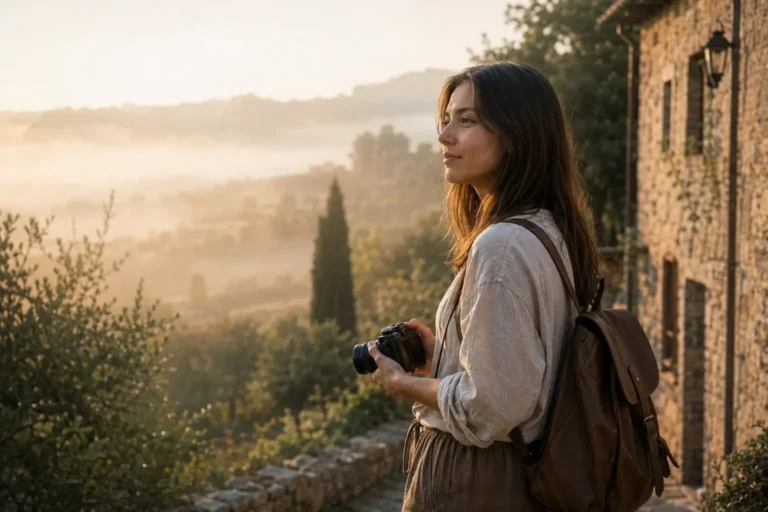
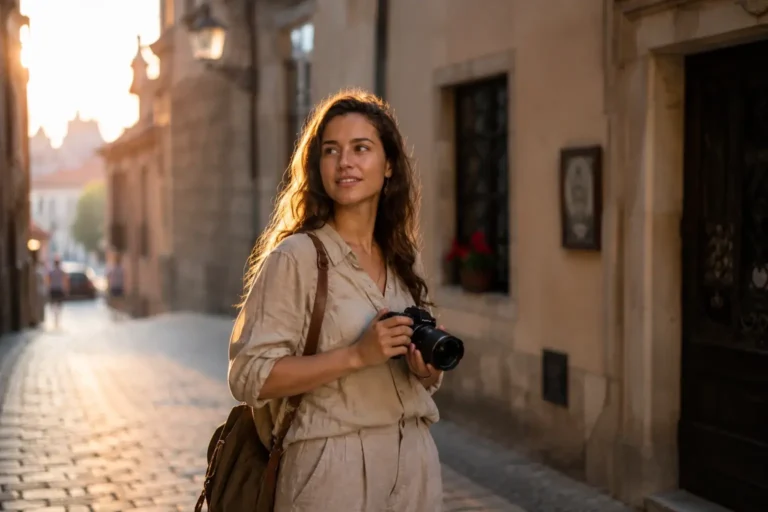
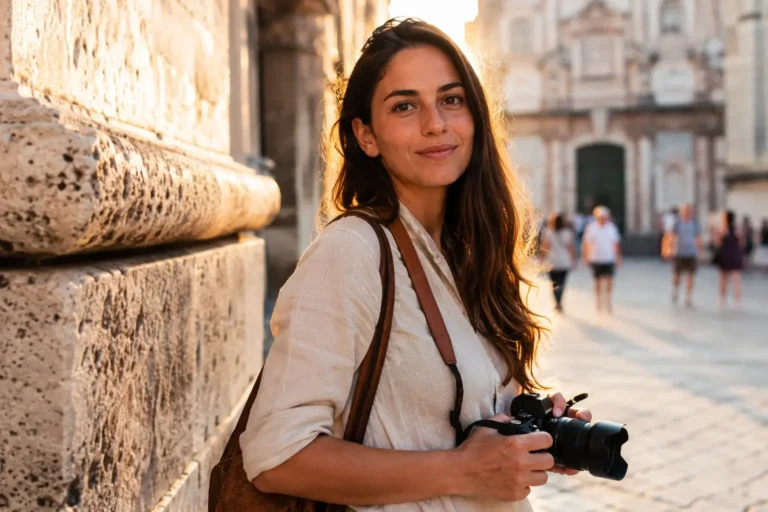
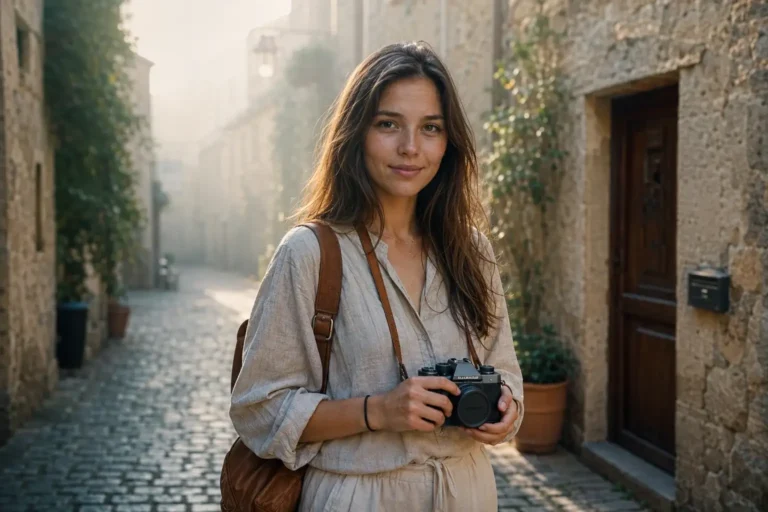
Part of your packing should include your “day bag”—a small, lightweight backpack or crossbody bag for your daily excursions. This is where you keep your water bottle, your camera, and your daily documents.
In many parts of the world, getting around is easier than you think if you use the right tools. I often suggest that travelers look into the official Grab app information page. It explains how you can use a ride-hailing service to get around safely and reliably in many countries, avoiding the hassle of haggling with taxis that might try to overcharge you.
The “Must-Have” List for Mindful Travel
To keep your trip focused on experience rather than stuff, here is my condensed, go-to list:
- A Journal: A real paper one. Digital is great, but there is something about the process of writing at a cafe that anchors your memories.
- Reusable Water Bottle: Many countries have poor tap water, but you can find refill stations. It saves money and plastic waste.
- A Solid Power Bank: Ensure it is within airline carry-on limits.
- A Door Stop: This is a classic solo traveler secret. For hostel stays, it acts as an extra security measure for your room door.
- A Headlamp: Great for hostels when you don’t want to wake everyone up with the main light.
Embracing the Unexpected
Remember, your packing list is not a prison sentence. If you forget your favorite shampoo, you will find a local brand, and you might even find a new favorite. The “perfect” trip is rarely the one that goes exactly to plan. It is the one where you make a mistake, figure out a solution, and learn something new about yourself in the process.
When you walk out of your front door, you are stepping into a bigger version of your life. Do not let the weight of your bag hold you back from the weight of your experiences. Pack with intention, leave some space for the souvenirs (and the lessons) you will pick up along the way, and go see what the world has to teach you.