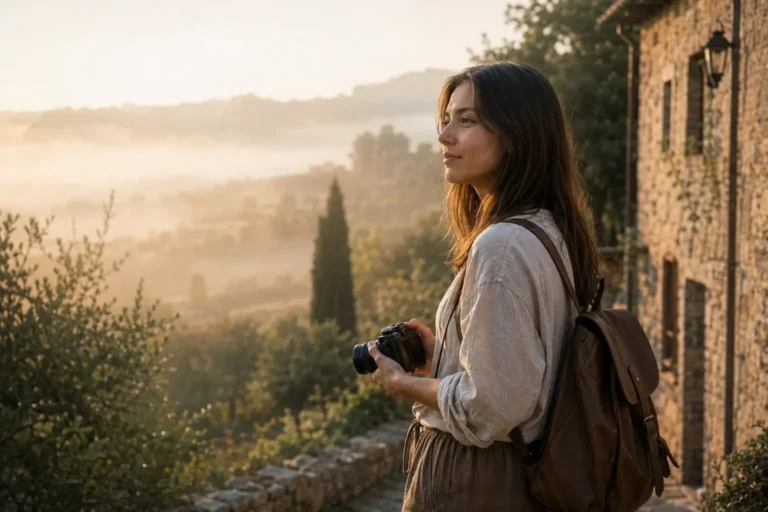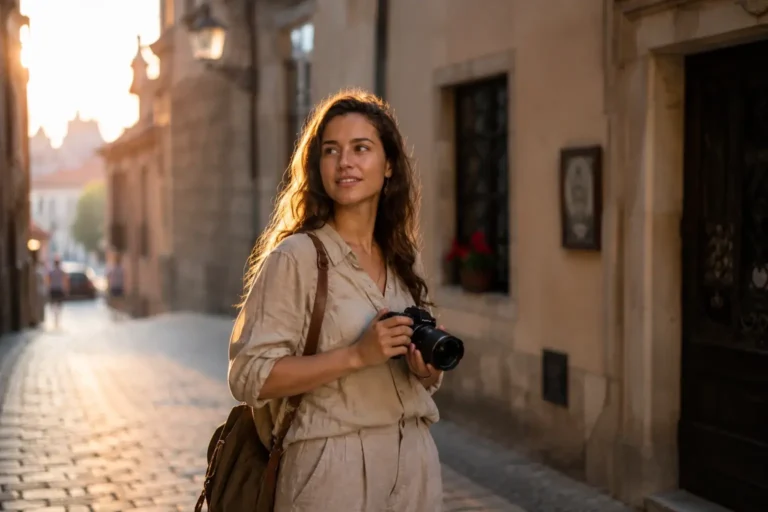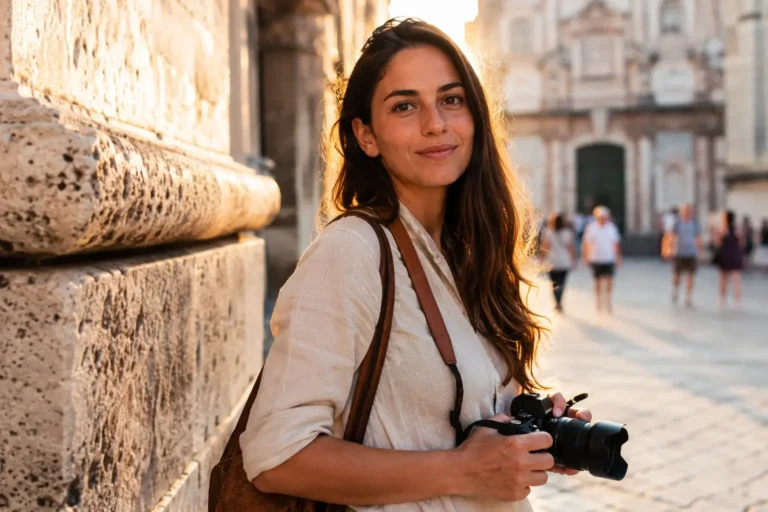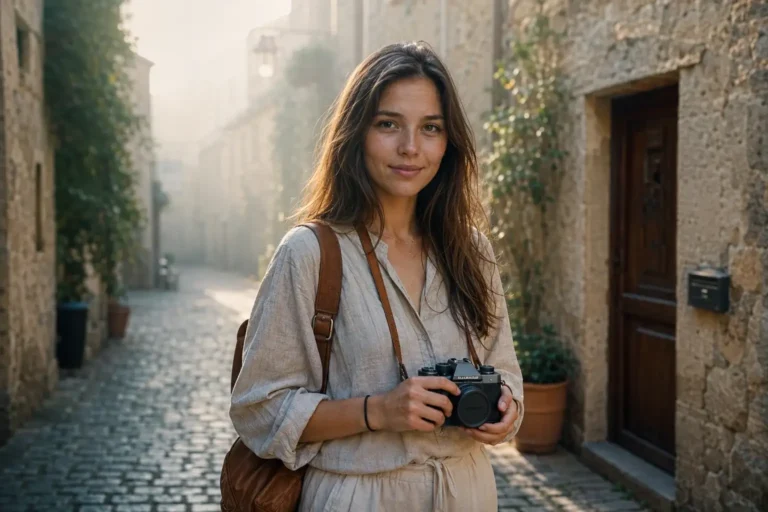
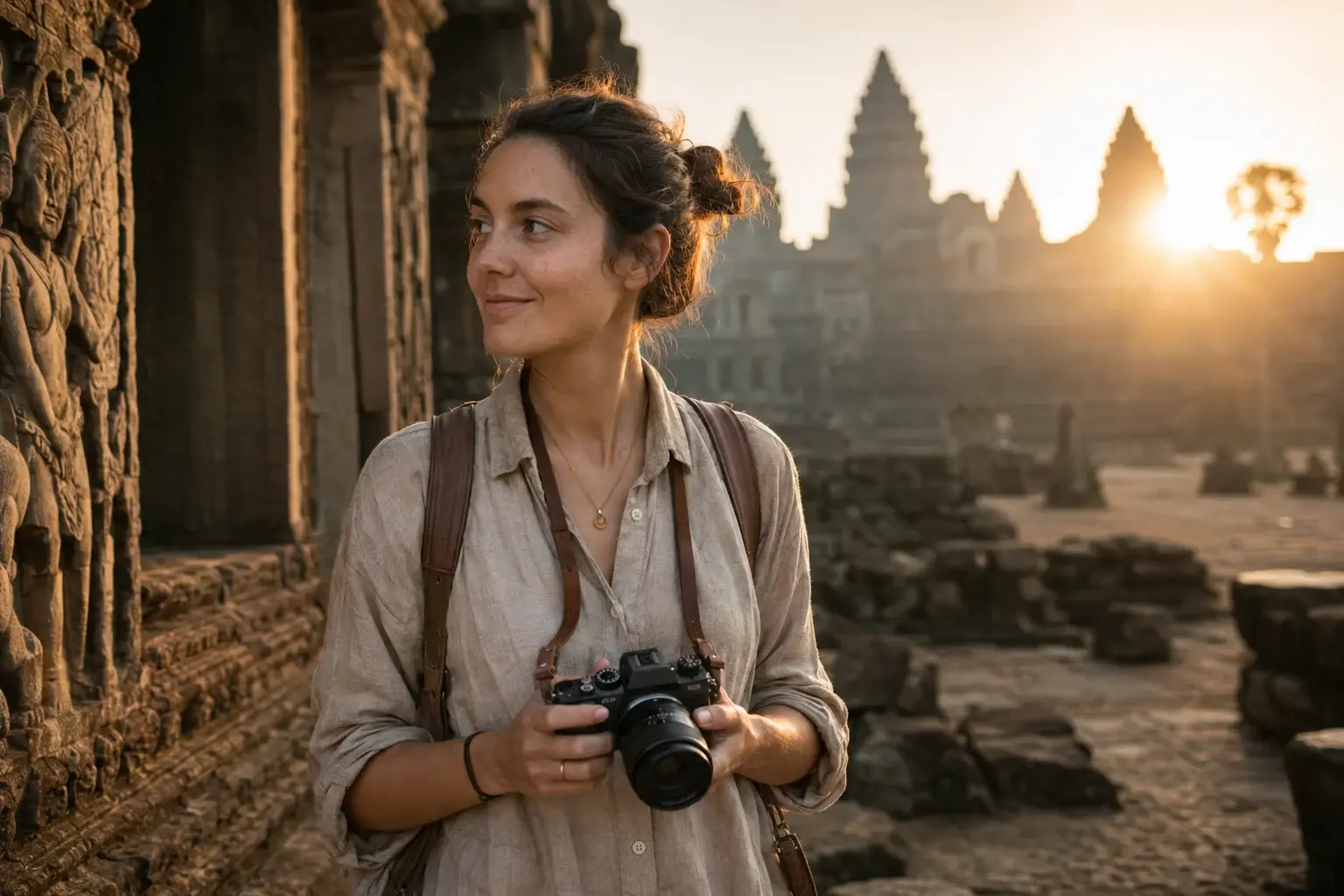
When I sat in my sterile office chair back in New York, staring at a spreadsheet and counting down the minutes until my next two-week vacation, I felt a deep ache for something more. I remember the day I finally handed in my resignation. I wasn’t just quitting a job; I was choosing a lifestyle. I traded my heels for a pair of worn-in sneakers and my predictable routine for the beautiful, chaotic rhythm of the road.
If you are currently sitting where I was—daydreaming about the humid air of Bangkok, the limestone cliffs of Ha Long Bay, or the quiet morning rituals in Luang Prabang—I want you to know something. You can do this. The anxiety about what to bring is real, but it shouldn’t be the thing that keeps you from booking that flight. After years of living out of a backpack, I have learned that the “perfect” gear is less about having the newest gadgets and more about having the right tools to keep you moving, safe, and open to the world.
The Philosophy of the Minimalist Pack
Before we dive into the gear, we need to talk about mindset. When I first backpacked Europe, I packed for the person I thought I should be, not the person I actually was. I brought extra shoes, three heavy jackets, and gadgets I never touched. By the time I arrived in my third city, my back was screaming.
Your backpack should be an extension of your freedom, not a burden. My rule is simple: if you don’t think you will use it twice a week, leave it at home. You can find laundry services on almost every corner in Southeast Asia for a few dollars. Traveling light allows you to jump on a motorbike, navigate a crowded train station, or walk to your hostel without needing a taxi. It changes your entire experience from being a “tourist with luggage” to a “traveler on the move.”
Selecting the Right Backpack
Your bag is your mobile home. For Southeast Asia, I highly recommend a 40-liter to 45-liter carry-on compliant bag. This size is large enough to hold your essentials but small enough to keep with you on flights, saving you hours at baggage claims and the stress of lost gear.
Look for a bag with a sturdy hip belt. This is non-negotiable. The belt takes the weight off your shoulders and puts it on your hips, where your body is much stronger. When you are walking through the humid, narrow streets of Hoi An, your back will thank you for that support. Ensure the zippers are lockable—I always use small, TSA-approved combination locks to keep my bag secure in hostel dorms or while traveling on overnight buses.
Clothing: Less is More, Even in Humidity
Southeast Asia is hot, but it is also a place where modesty matters, especially when visiting temples. My packing list for Southeast Asia backpacking centers on moisture-wicking fabrics that dry overnight. Forget cotton; in the tropical heat, it stays wet and heavy. Look for merino wool or synthetic blends.
- Tops: Bring three lightweight t-shirts and one long-sleeved light linen shirt. The long sleeves are a lifesaver when the sun is too strong or when the air conditioning on night buses feels like an icebox.
- Bottoms: Two pairs of breathable shorts and one pair of lightweight, loose-fitting trousers. These trousers are essential for visiting sacred sites like the temples in Angkor Wat, where you are required to cover your knees and shoulders to show respect.
- Layers: Even in the tropics, you will get cold. Pack a lightweight fleece or a packable down jacket. You will be grateful for it when you are trekking in northern Vietnam or sitting in an over-chilled airport.
- Footwear: One pair of comfortable walking sandals (think Chacos or Tevas) and one pair of versatile sneakers. You don’t need heavy hiking boots unless you have a specific mountain climbing itinerary. Sandals are better for the rain and the heat, and they are easier to slip off when entering homes or temples.
Navigating Health and Safety
Your health is your most important asset. Before you leave, spend some time reviewing the CDC Travelers’ Health website to look up specific vaccine recommendations and food safety advice for the countries you plan to visit. I always keep a small medical kit in a dry bag. Include rehydration salts, anti-diarrhea medication, basic bandages, and antiseptic wipes.
Staying safe as a solo traveler isn’t just about physical gear; it’s about preparation. I always keep a digital copy of my passport and insurance documents in a secure, encrypted cloud folder. Before you head out, I recommend reading the official advice on World Nomads Travel Insurance to understand what kind of coverage you need for adventure activities, like motorbike rentals or water sports, as standard policies often have gaps.
Electronics and Navigation
We live in a world where we can map our way through a foreign city in seconds. Keep your tech simple. A smartphone is your primary tool. I bring a power bank with at least 10,000mAh capacity—there is nothing worse than your phone dying while you are trying to find your hostel in a new city after dark.
For transportation, familiarize yourself with how the local transit ecosystem works. In many parts of the region, Grab has become the go-to app for ride-hailing, offering a safer and more transparent way to get around than hailing random street taxis. It tracks your ride and shares your status, which is a great peace of mind when traveling solo.
Cultural Etiquette and Respect
Packing for Southeast Asia is also about packing your manners. Cultural immersion is the soul of travel. When visiting places like Thailand, I highly suggest checking the Tourism Authority of Thailand official guide for tips on “kreng jai”—the concept of being considerate of others—and how to dress appropriately during local festivals.
I always pack a light sarong. It takes up almost no space but serves as a towel, a blanket for a cold bus, a head covering, or a skirt to cover my legs when visiting a local home or temple. It is the most versatile item in my bag. When you show respect for local customs, you will find that people are much more open to sharing their stories and their world with you.
Toiletries and Sustainability
Travel plastic waste is a huge problem in the beautiful islands and cities of Southeast Asia. I travel with a solid shampoo bar, a bamboo toothbrush, and a reusable water bottle with a built-in filter. Finding clean drinking water is easy, but reducing your reliance on single-use plastic bottles is a small way to give back to the communities that host you.
When you are buying sunscreen or bug spray, look for reef-safe options. Many of the coastal regions are working hard to protect their marine life, and our choices as visitors directly impact that delicate ecosystem.
Planning Your Route and Staying Flexible
A packing list for Southeast Asia backpacking shouldn’t include a rigid 30-day itinerary. The joy of this region is its spontaneity. You might meet a group of friends in a hostel in Hanoi who are heading to a remote village you didn’t even know existed. If your bag is heavy and your schedule is locked, you lose that chance.
Use Lonely Planet to get a broad overview of each country’s geography and top regional experiences, but keep your calendar open. Before moving between countries, always check the US Department of State Travel website for the latest entry requirements and safety ratings. It’s the responsible way to ensure you aren’t blindsided by a sudden visa rule change or a local security issue.
The Mental Shift: From Worrier to Traveler
When I was a sightseeing guide in New York, I saw millions of people rushing to see the sights. They were so busy looking at their cameras that they missed the city itself. Don’t do that to yourself in Asia.
Pack light so you can move fast. Pack smart so you can stay safe. But most importantly, pack an open heart. There will be days when the bus breaks down, the rain is torrential, or you feel lonely. That is part of the growth. I have learned more about myself sitting on a rainy porch in a small Thai village than I ever did in a high-rise office. Your gear is just the support system for the person you are becoming.
You don’t need a perfect plan. You just need to take the first step. Lay your gear out on your floor, look at your bag, and realize that everything you need to change your life is small enough to carry on your back.