
I still remember my first big trip to Southeast Asia. I had just quit my traditional office job. I had spent months waitressing and saving every penny I could. I was ready for the adventure of a lifetime. But when I finally arrived at my small guest house in Thailand, I was crying in the heat.
Why? Because I was dragging a massive, heavy suitcase up a dirt hill in 95-degree weather.
I packed like I was will worry about stairs, dirt roads, and small boat rides.moving there forever. I brought four pairs of jeans. I brought a hair dryer. I brought heavy sweaters “just in case.” I had completely let my fear of the unknown take over my packing strategy. I was terrified of forgetting something, so I brought everything.
That heavy bag made my first week miserable. It was hard to carry. It was annoying to pack and unpack. It made me feel stuck.
Over the years, I learned my lesson. After teaching English in Thailand, living with a host family in Ghana, and backpacking across Europe, I changed how I pack. I realized that traveling light is the best way to travel. When your bag is light, you are free. You can hop on a bus easily. You can walk to your hotel without sweating through your shirt. You feel confident.
If you are planning a trip to a hot, humid, beautiful place, you do not need to repeat my mistakes. I have put together the ultimate packing checklist for tropical vacations. I want you to pack smarter, travel lighter, and feel totally ready for your trip.
Why Packing Light Changes Everything
Before we get into the exact items you need, we need to talk about why packing light matters so much.
When you travel by yourself, you are the only one carrying your stuff. There is no one to help you lift a heavy bag onto a train. If you have a massive suitcase, you will feel stressed. You will worry about stairs, dirt roads, and small boat rides.
When you pack light, you gain confidence. You can move fast. You do not stand out as a struggling tourist. You look like you know what you are doing.
Back when I was a sightseeing guide in New York City, I saw this every single day. I watched tourists drag huge bags through Times Square. They looked tired and angry before their vacation even started. Do not be that person. A good tropical trip is about letting go of stress, not carrying it on your back.
The Three Golden Rules of Tropical Packing
If you want to use this packing checklist for tropical vacations the right way, you must follow my three golden rules.
Rule One: Fabric is Everything
You cannot bring your normal clothes to the tropics. Cotton holds onto sweat. It stays wet forever. Polyester traps heat and makes you smell bad. You need to look at the tags on your clothes. Bring linen. Bring merino wool. Bring lightweight nylon. You want clothes that dry fast when you hang them in the bathroom.
Rule Two: The Rule of Halves
Put everything you want to bring on your bed. Now, cut it in half. You do not need a different outfit for every single day. You will end up wearing your favorite comfortable shorts four times. Accept this now.
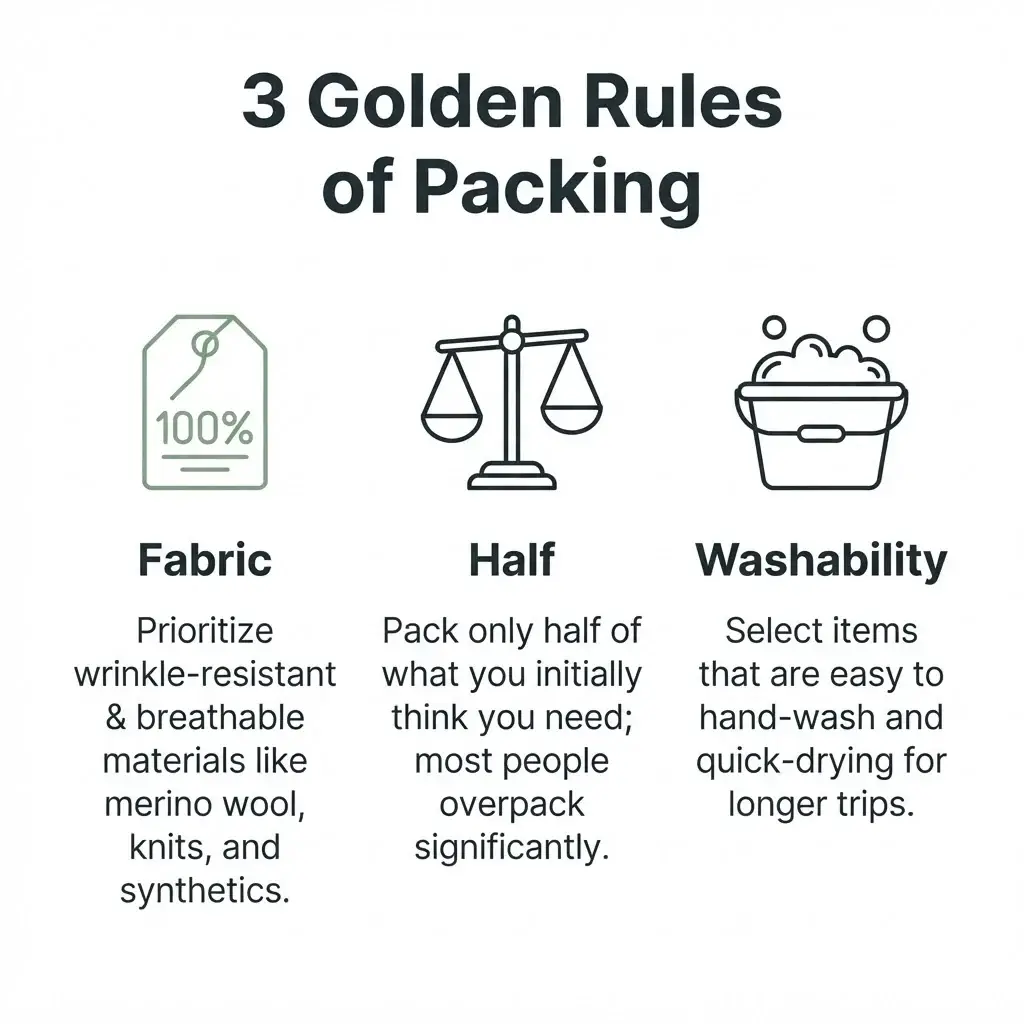
Rule Three: Laundry is Everywhere
This is the biggest secret that new travelers do not know. Every tropical place on earth has cheap, easy laundry. In Thailand, you can drop off a bag of dirty clothes at a corner shop and get it back clean the next day for two dollars. You only need to pack enough clothes for one week. If your trip is three weeks long, you still only pack for one week. You just wash your clothes.
Your Clothing Packing Checklist for Tropical Vacations
Let’s break down exactly what clothes need to go into your bag. Keep in mind that less is more. Stick to a color palette where everything matches. If all your tops match all your bottoms, you can make dozens of outfits from just a few items.
Tops and Shirts
You want loose, breathable tops. Tight clothes will make you feel trapped when the humidity is high.
Three tank tops or sleeveless shirts: Bring basic colors like black, white, or olive green. These are great for beach days, boat trips, and hot afternoons. Make sure they do not cling to your stomach or back.
Two lightweight T-shirts: Sometimes your shoulders need a break from the sun. A loose, breathable T-shirt is perfect for walking around a new town. Try to find shirts made of a merino wool blend. I know wool sounds crazy for hot weather, but merino wool fights odors naturally. You can sweat in it all day and it will not smell.
One long-sleeve linen or cotton-blend shirt: You need one long-sleeve shirt. This is not for warmth. This is to protect your skin from the harsh sun and to keep mosquitos away at night. I always bring a white linen button-down shirt. I can wear it over a swimsuit or button it up for dinner.

Bottoms, Pants, and Shorts
Leggings are a bad idea in the tropics. They are too tight and too hot. Jeans are absolutely forbidden. They weigh a ton, they never dry, and you will hate yourself for wearing them.
Two pairs of comfortable shorts: Bring one pair of athletic, quick-dry shorts for hiking or active days. Bring one nicer pair of linen or cotton shorts for walking around towns or going to lunch.
One pair of loose, flowy pants: This is a very important item. In many tropical countries, you need to cover your knees to visit temples or religious sites. If you show up in short shorts, they will not let you in. You can’t just walk into a sacred space in a bikini, so looking up official destination guides and cultural etiquette is a must before you go exploring. Flowy pants also save your legs from bug bites when you eat dinner outside.
One skirt (optional): If you like skirts, bring a midi or maxi skirt. It allows air to flow and looks nice for the evening. Make sure the fabric is light.
Dresses and Rompers
Dresses are the absolute best travel clothing. They are an entire outfit in one piece. You do not have to think about matching anything.
Two lightweight summer dresses: Bring a dress that you can wear to the beach, but also wear to a nice dinner if you add some jewelry. I prefer midi-length dresses because my legs do not stick to plastic chairs when I sit down at outdoor cafes.
Swimwear and Beach Gear
You are going to the tropics, so you will be in the water a lot. But you still do not need ten bathing suits.
Two swimsuits: Why two? Because putting on a wet, cold swimsuit is a terrible feeling. You wear one while the other one is drying. If you plan to do active water sports like surfing or snorkeling, make sure one of your suits is secure and will not fall off in the waves.
One swimsuit cover-up: I usually just use my linen button-down shirt or a lightweight sarong. A sarong is a giant piece of thin fabric. It is the most useful thing you can pack. You can use it as a beach towel, a dress, a skirt, a blanket on a cold bus, or a scarf to cover your shoulders at a temple.
Underwear and Sleepwear
Seven pairs of underwear: This is the only thing I pack a full week of. Bring moisture-wicking underwear. Fast-drying fabrics will keep you comfortable when you are sweating.
Two bras: Bring one comfortable sports bra for active days or hiking. Bring one regular, comfortable bra. Leave the heavy, underwire, padded bras at home. They will just trap sweat.
One set of sleepwear: Bring a light tank top and loose shorts for sleeping. Some budget hotels and hostels do not have great air conditioning. You want to be as cool as possible at night.
The Shoe Situation: Keep It Simple
Shoes are the hardest part of packing. They take up a lot of space and they are heavy. A good packing checklist for tropical vacations will always tell you to limit your shoes. You only need three pairs. Period.
I used to guide walking tours in New York. We walked miles every single day. I learned quickly that bad shoes will ruin your day, your mood, and your trip. Do not bring brand new shoes that you have never worn before. You will get blisters, and blisters in a humid climate can easily get infected.
Pair One: The Walking Sandal
This is your hero shoe. You will wear this shoe 80 percent of the time. You want a sandal that straps securely to your foot. It needs to have arch support. You should be able to walk five miles in them without pain.
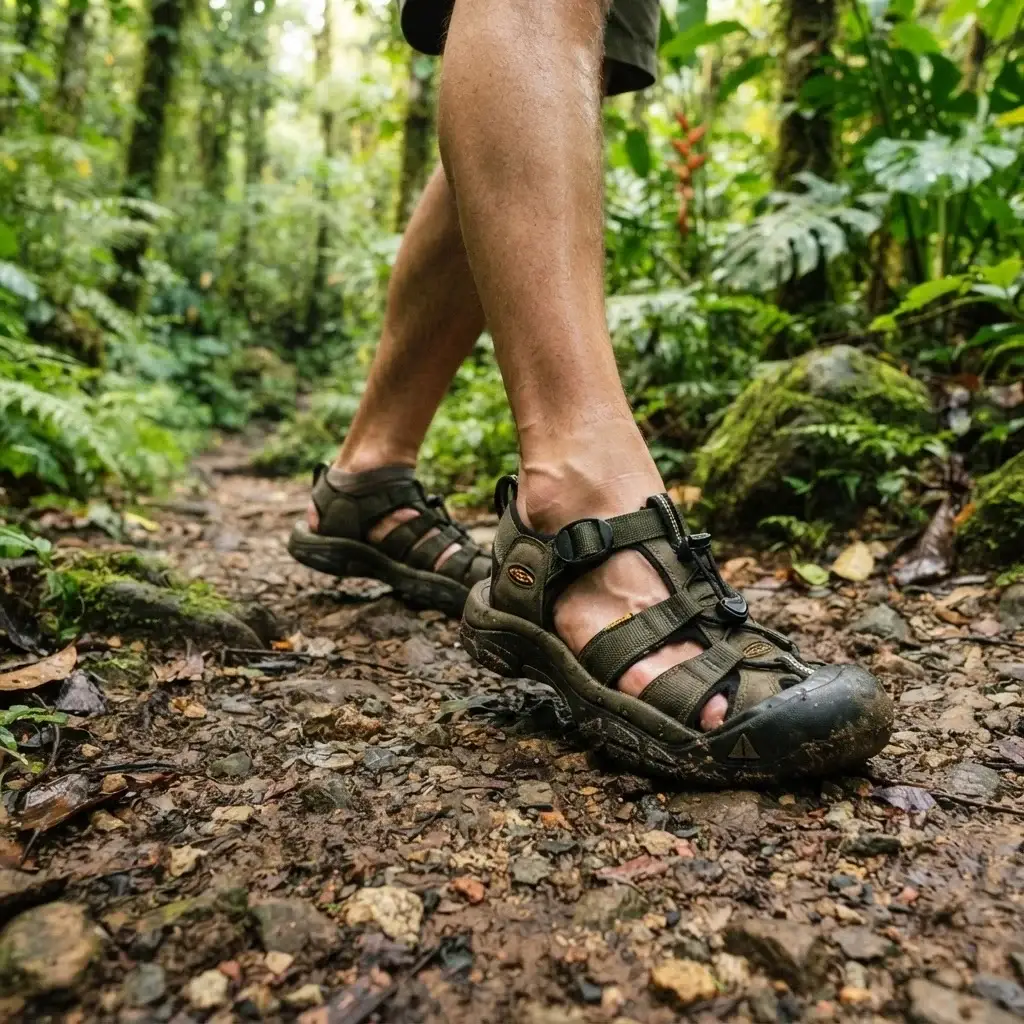
Brands like Teva, Chaco, or comfortable leather walking sandals are great. You want something that will not fall off if you have to run for a bus.
Pair Two: The Beach Flip-Flop
You only need flip-flops for a few specific things. You need them for walking on hot sand. You need them for public showers in hostels. You need them for quick trips to the corner store. Do not plan to walk all day in flip-flops. They offer zero support and your feet will hurt. But they are thin, light, and easy to slide into your bag.
Pair Three: The Active Sneaker
Bring a lightweight pair of running shoes or trail sneakers. You only need these if you plan to hike a volcano, ride a motorbike, or do some serious jungle trekking. Wear your sneakers on the airplane so they do not take up space in your bag. If your trip is strictly about sitting on a beach resort and reading books, you can probably leave the sneakers at home.
Tropical Toiletries and Skincare
Packing toiletries for the tropics is tricky. You want to protect your skin, but liquids are heavy. Remember that you can buy almost anything when you land. Pharmacies exist everywhere in the world.
Sun Protection is Not Optional
The sun hits differently near the equator. A burn can ruin your trip and make you feel sick for days.
Reef-safe sunscreen: This is vital. Many popular sunscreens contain chemicals that bleach and kill coral reefs. Places like Hawaii and parts of Mexico have actually banned normal sunscreens. Buy a mineral sunscreen with zinc oxide. Bring a small bottle for your face and buy a bigger bottle when you arrive if you are checking a bag.
A good sun hat: Do not bring a giant, stiff straw hat that you have to carry in your hands on the airplane. You will hate it. Bring a hat that you can crush or fold into your bag. A simple baseball cap or a soft bucket hat works perfectly.
Sunglasses: Bring a pair with polarized lenses. Polarized lenses cut the glare from the ocean, making everything look brighter and clearer. Do not bring your most expensive, designer sunglasses. They might get scratched by sand or lost in the waves.
Beating the Bugs
Mosquitos are a reality in tropical climates. Some places have more than others, but you must be prepared.
Bug spray: You need a repellent with DEET or Picaridin. Natural sprays smell nice, but they often fail in deep jungles. Before I go anywhere near a jungle, I always check the latest destination health advisories and vaccine recommendations to make sure I have the right mosquito repellent and meds for the specific region I am visiting.
Bite relief cream: No matter how careful you are, you will get a bite. Bring a small tube of hydrocortisone cream. It stops the itching immediately so you can sleep at night.
Hair and Body Care
The humidity is going to change your hair. If you have straight hair, it might go flat. If you have curly hair, it will get huge. My best advice? Let it happen.
Leave the heat tools at home: Do not pack a hair dryer, a curling iron, or a straightener. You will spend 30 minutes doing your hair, walk outside into the 90-percent humidity, and your hair will instantly revert to its natural state. You will also blow a fuse in a small hotel if your voltage adapter is wrong. Just bring some sea salt spray or leave-in conditioner and embrace the messy beach hair.
Solid toiletries: Liquid shampoo can explode in your bag. It is also heavy. Try using a shampoo bar and a conditioner bar. They look like bars of soap, but they are for your hair. They last for months, they do not spill, and you never have to worry about airport liquid limits.
Deodorant and wipes: Bring your favorite deodorant from home. Sometimes it is hard to find the specific brand you like abroad. I also pack a small pack of baby wipes. After a long bus ride on a dusty road, a quick wipe down your arms and neck feels like a miracle.
Travel Health and First Aid
Getting sick far away from home is scary. When I am sick, I just want my own bed. You can make things a lot easier by bringing a tiny pharmacy with you. You do not need big bottles. Just put a few pills of each type into a small baggie and label them.
The Stomach Savers
Tropical food is amazing. I eat street food everywhere I go. But sometimes, your stomach will disagree with a new spice or different cooking oil.
Bring anti-diarrhea medicine. Bring antacids for heartburn. Bring a gentle laxative. The change in diet and travel stress can mess up your digestion in both directions. Having these pills on hand means you do not have to try to translate your stomach problems to a pharmacist in the middle of the night.
Pain and Hydration
Pain relievers: Bring ibuprofen or acetaminophen for headaches, muscle soreness after a hike, or fever.
Electrolyte powder: This is my secret weapon. When you sweat a lot in the tropics, you lose salt and minerals. Drinking plain water is not enough. You will feel dizzy and tired. Pour a packet of electrolyte powder into your water bottle once a day. It fixes dehydration almost instantly.
Safety and Insurance
Stuff happens when you travel, which is why reading up on insurance guidance and traveler safety tips can save you a massive headache if you twist an ankle on a hike or get a bad case of food poisoning. I never travel without medical insurance. A simple trip to a clinic can be cheap, but a serious emergency can bankrupt you. Pay the small fee for peace of mind.
Tech and Electronics for the Beach
We want to unplug on vacation, but we still need some basic technology. Keep it light. Sand and saltwater are the enemies of expensive electronics.
Your smartphone: This is your camera, your map, and your communication device. You do not need a heavy, professional camera unless you are a professional photographer. Modern phones take incredible photos.
A waterproof phone pouch: Buy a cheap plastic pouch on a lanyard that seals tightly. This keeps the sand out of your charging port at the beach. You can even take it into the ocean if you want to snap pictures in the shallow water.
An E-reader: I love real, paper books. But books are heavy. If you read fast on vacation, bringing three books will add five pounds to your bag. Buy a Kindle or another brand of e-reader. You can load it with twenty books and it weighs almost nothing. Plus, you can read it in the dark on a night train.
A good power bank: Taking photos and using map apps drains your phone battery fast. Bring a small, high-capacity power bank. Make sure it can charge your phone fully at least two times.
Universal travel adapter: Different countries have different wall plugs. Buy one universal adapter block that works everywhere in the world. Look for one that has multiple USB ports on it, so you can charge your phone and your e-reader at the same time using only one wall plug.
Documents, Money, and Safety
Losing a favorite shirt is annoying. Losing your passport is a disaster. You need a rock-solid system for your important items.
Passports and Visas
Before you pack anything, check your passport expiration date. Most countries require your passport to be valid for at least six months after the date you plan to enter. I never book a flight before checking entry requirements and safety ratings so I don’t get turned away at the border.
Make two paper copies of your passport picture page. Keep one copy in your main bag. Give the other copy to a family member back home. Take a photo of your passport and email it to yourself. If you lose the physical book, having these copies will make getting a replacement at an embassy much faster.
Money Strategy
Do not rely on just one credit card. If the bank freezes it, or the ATM eats it, you will have no money.
Bring two different debit cards and one credit card. Keep one debit card in your wallet. Hide the backup debit card deep inside your main backpack. Bring a small amount of cash in US Dollars or Euros. You can exchange this emergency cash almost anywhere if the ATMs are broken.
When you withdraw money from a foreign ATM, always choose the option to “decline the conversion rate.” This lets your home bank do the math, and it will save you a lot of hidden fees.
The Right Day Bag
You need a small bag for your daily adventures. Do not bring a massive hiking backpack just to walk around a market.
Bring a small crossbody bag or a small 15-liter daypack. A crossbody bag is great for cities and markets because it stays on the front of your body. This makes it very hard for pickpockets to open. Never put your phone or wallet in your back pocket.
Getting Around Tropical Destinations
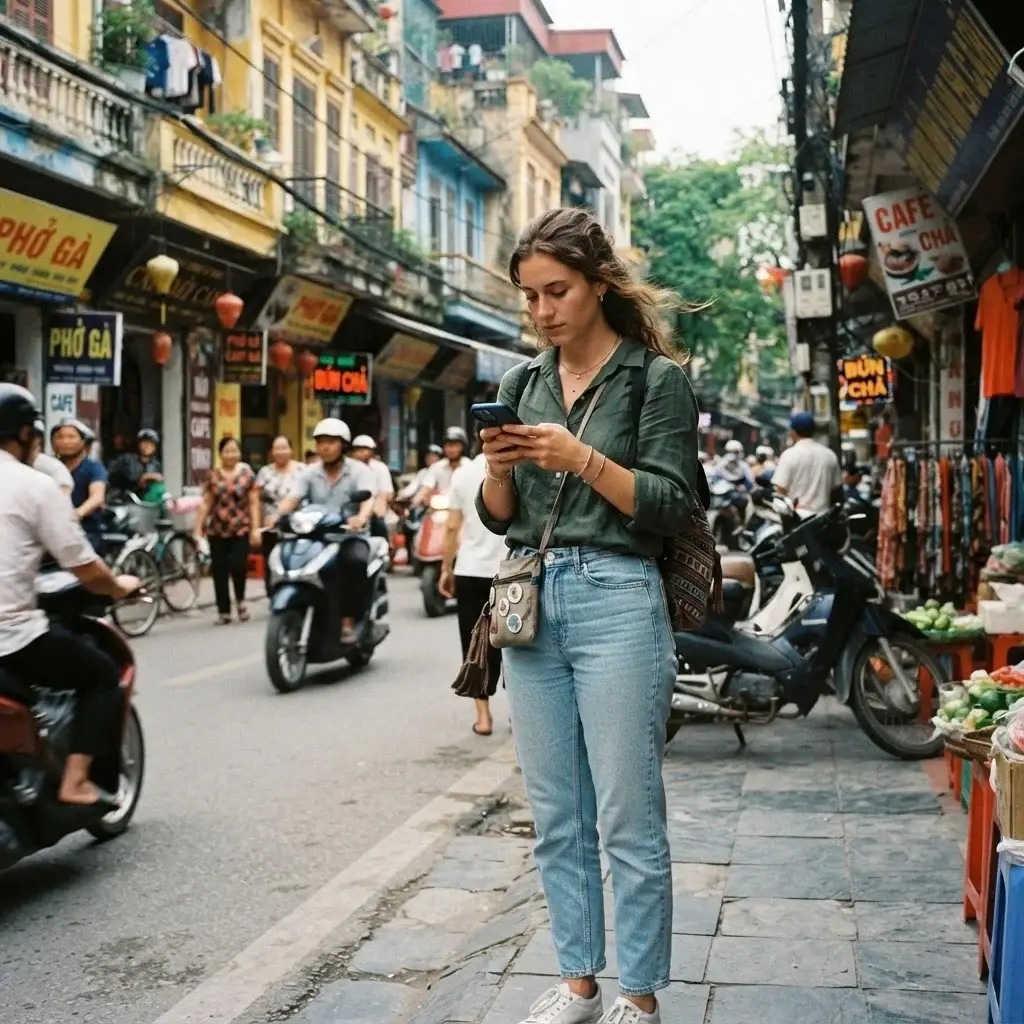
Navigating a new country can feel intimidating. When I first started traveling alone, I hated negotiating with taxi drivers. I always felt like I was being overcharged.
Technology has made this so much easier. If you are heading to Southeast Asia, skip the taxi haggling and learn how Grab works for travelers to get around safely and cheaply. In Latin America, Uber is often widely used and very safe.
Having these apps downloaded and connected to your credit card before you leave home saves you the stress of finding cash the moment you leave the airport.
What NOT to Pack for a Tropical Trip
Sometimes, knowing what to leave behind is the most important part of a packing checklist for tropical vacations. Here are the items that should never go into your bag.
Jeans: I said it before, but I will say it again. No denim.
Heavy makeup: The heat and humidity will melt a full face of foundation in ten minutes. It will clog your pores and you will feel gross. Bring some tinted moisturizer with SPF, a waterproof mascara, and some lip balm. Keep it fresh and simple.
Valuable jewelry: Leave the diamond rings and expensive watches at home. They draw unwanted attention. They can easily slide off your finger in cold ocean water. Buy cheap, fun jewelry from local markets when you arrive instead.
More than one jacket: You might need one light sweater or a thin rain jacket for overly air-conditioned buses or a sudden rainstorm. You do not need a heavy hoodie, a leather jacket, or a thick sweatshirt. If you are cold on the airplane, wear your one light sweater.
The “Just in Case” items: If you catch yourself holding an item and thinking, “I might need this if I go to a fancy gala, or if I get invited on a luxury yacht,” put it down. Pack for the reality of your trip, not a movie scene. If a rare, specific event happens, you can buy what you need there.
Packing Your Bag: The Technique
How you pack is just as important as what you pack. You can have the best packing checklist for tropical vacations in the world, but if you just shove everything into a bag, it will be a mess.
Backpack vs. Suitcase
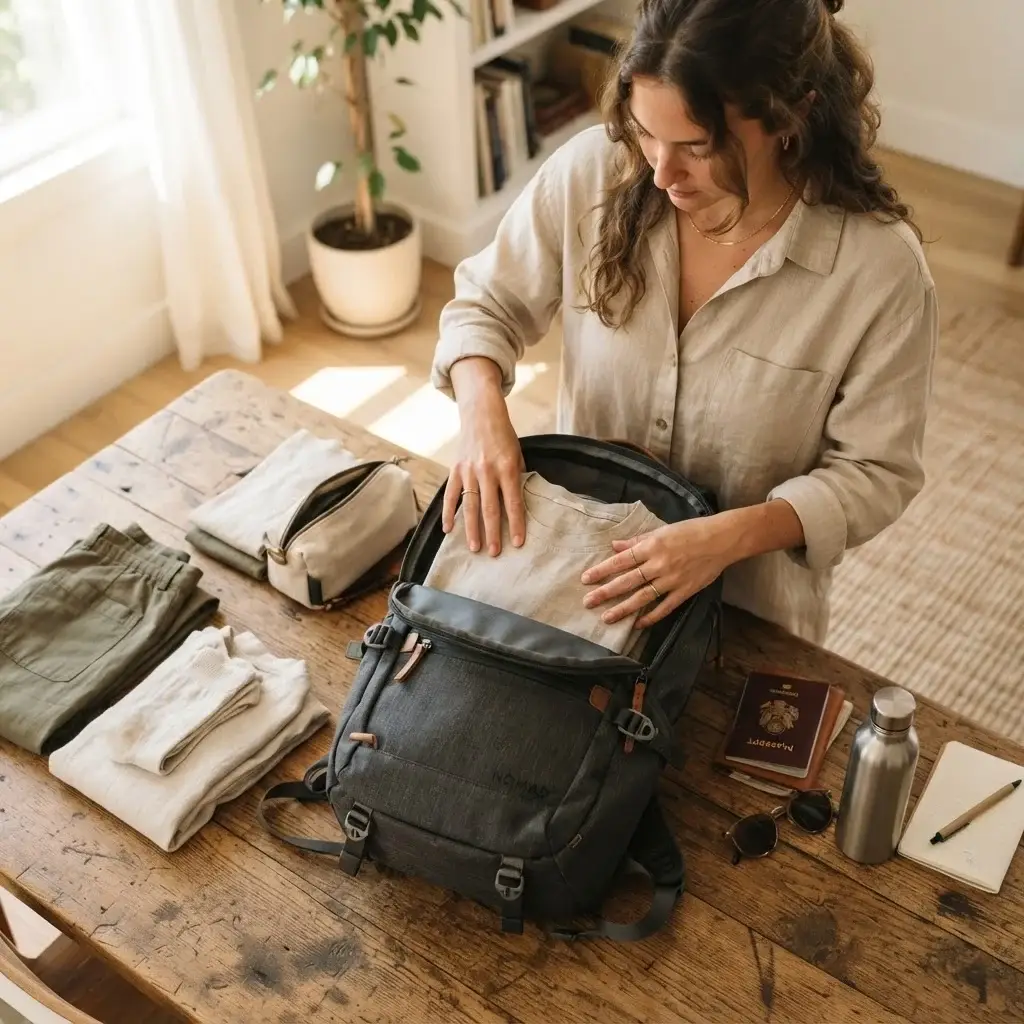
For tropical travel, I strongly believe in a travel backpack. I am talking about a 40-liter bag that opens flat like a suitcase, but goes on your back.
In tropical destinations, you will face unpaved roads, sandy paths, and ferries where you have to jump off the boat into ankle-deep water. A suitcase with wheels is useless on a beach. A backpack keeps your hands free. If you can keep your bag under 40 liters, you can often carry it onto the airplane. This means no lost luggage and no waiting at the baggage claim.
Packing Cubes are Magic
Packing cubes changed my life. They are small zippered fabric boxes that organize your bag. Put your tops in one cube, your bottoms in another, and your underwear in a tiny one.
When you get to your hotel, you do not have to dig through a messy bag to find a clean shirt. You just pull out the cube with your shirts in it. It acts like portable dresser drawers. It also compresses your clothes so they take up less space.
The Roll vs. Fold Debate
Do not fold your clothes. Roll them. Lay your shirt flat, fold the arms in, and roll it up tightly like a sleeping bag. Rolling prevents hard wrinkles from forming. It also allows you to see every item in your packing cube at a glance, rather than having to lift up folded shirts to see what is underneath.
Preparing Your Home Before You Leave
Packing is not just about what goes in your bag. It is also about setting up your life at home so you do not worry while you are gone.
Before you leave for the airport, empty all your trash cans. Wash all your dishes. Throw away any fresh food in the fridge. Unplug your toaster, coffee maker, and television to save electricity and prevent fire risks. Pay your rent or mortgage in advance.
Coming home from a long, beautiful trip is always a little sad. Walking into a clean, fresh-smelling apartment makes the transition back to normal life so much easier. Walking into an apartment that smells like old garbage is a terrible way to end a vacation.
Final Thoughts Before You Fly
I want you to take a deep breath. Traveling to a new place can feel scary, but you are more capable than you think. You do not need to bring everything from your bathroom cabinet to feel safe.
The beauty of travel is the unknown. It is the surprises. If you forget your favorite shampoo, it is not the end of the world. You will walk to a local market, buy a brand you have never seen before, and maybe discover you like it better. If you ruin a shirt, you will buy a cool new top from a local vendor, and it will become your favorite souvenir.
Trust yourself. Use this packing checklist for tropical vacations to keep things simple. Leave the heavy jeans and the extra shoes at home. Pack a light bag, keep an open mind, and step out the door. The world is waiting for you, and it is going to be a beautiful adventure.