Why the Most Unique Hostels Are Always Off the Beaten Path

There is a specific kind of tired that comes from traveling somewhere popular. You walk into your hostel in the old quarter of a major city, and you already know what it will smell like, how the common room will be arranged, which generic world map will be painted on the feature wall. You check in, you meet five people who did the same pub crawl last night, and by day two you are slightly wondering why you bothered leaving home.
I know that feeling. I hit it after a stretch of backpacking solo across Europe, when somewhere around my third city in a row with a nearly identical hostel vibe, I started craving something I couldn’t quite name. Not luxury. Not privacy, necessarily. I wanted a place that felt like it had a soul. A place that made getting there part of the experience.
That is exactly what happens when you start looking beyond the tourist corridor. The most memorable hostels I have ever heard about, or that solo travelers consistently rave about across every forum and travel community I follow, are never in the obvious spots. They are perched on the edge of volcanoes, built into ancient stone houses in UNESCO cities that barely appear on a mainstream travel map, tucked inside actual castles in mountain towns in Central America. They are places where you don’t just sleep. You arrive somewhere.
This article is for the traveler who has graduated past the easy circuit and wants something with more texture. Here is what I know, what real travelers report, and exactly where to look.
Why Remote and Unusual Hostels Produce Something Different
Before getting into specific places, it is worth saying why this matters beyond novelty. When a hostel is genuinely off the beaten path, something shifts in the dynamic between guests.
In a popular city hostel, people arrive tired from a long day of sightseeing, they grab a bunk, maybe share a beer, and leave the next morning to continue their route. Everyone is in transit. But in a remote hostel, especially one that took real effort to reach, people tend to stay longer and connect more deeply. You are all there because you made a deliberate choice. You chose inconvenience over convenience. That shared decision creates a common language between strangers almost immediately.
Solo travelers consistently report that the best conversations of their trips happen not in hostels in Bangkok or Barcelona but in places like a highland farmhouse in Ecuador or a jungle clearing in Guatemala. The location strips away the distraction of “what tourist attraction am I ticking off tomorrow” and replaces it with “let’s figure out this waterfall hike together.”
There is also something quietly powerful about being somewhere that hasn’t been completely absorbed into the tourism machine yet. You notice more. You have to. And that noticing is where the personal growth that travel promises actually shows up.
Six Unique Hostels in Off-the-Beaten-Path Locations Worth Planning a Trip Around
Bambuda Castle, Boquete, Panama
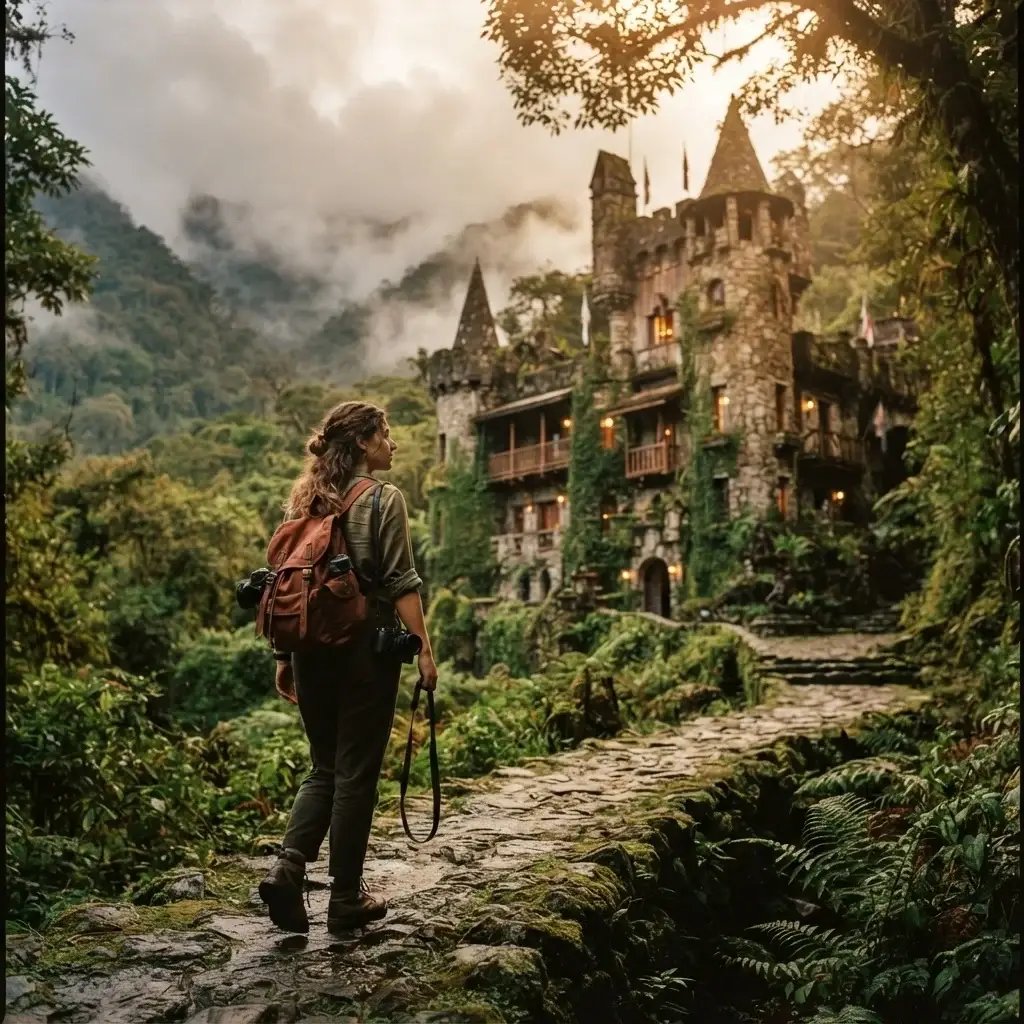
Boquete is a small highland town in western Panama, surrounded by cloud forest and coffee plantations, sitting in the shadow of Volcán Barú, the highest peak in the country. It draws hikers, birders, and coffee lovers, but it is still far enough off the gringo trail that the town retains a genuinely local feel. And sitting above all of it, in the hills, is Bambuda Castle, the only actual castle hostel in Central America.
This is not a gimmick. The property is a real stone castle with turret rooms, Hobbit Homes burrowed into the hillside, cabin suites overlooking the coffee plantation, and a pool, jacuzzi, rock climbing wall, and spa on site. Dorm beds run from around $20 a night. A private Tower Room with koi pond bridge access and views across the Boquete hillsides is at the higher end, but still a fraction of what you’d pay for comparable style elsewhere. The 2025 and early 2026 reviews on every platform are consistently excellent.
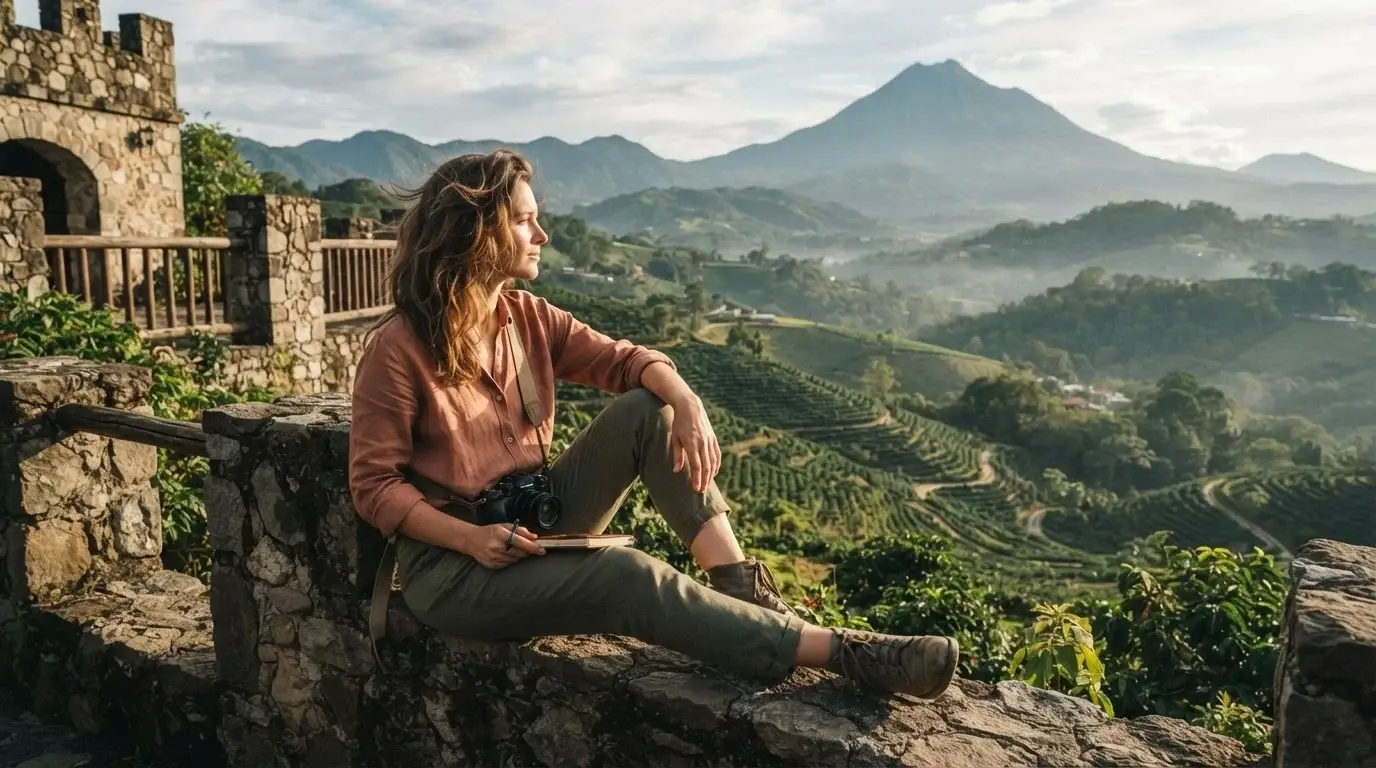
The hike on the Cloud Forest Trail and a morning coffee farm tour with cupping session are the two things most solo travelers pair with a stay here. For food in Boquete town, the local soda shops (small informal eateries) serve rice, beans, and fresh fruit for next to nothing, and there are a handful of good restaurants along Avenida Central. Getting there from Panama City is straightforward: a bus from Gran Terminal to David takes about six hours, and from David a local bus to Boquete runs frequently for about $1.75.
Secret Garden Cotopaxi, Ecuador
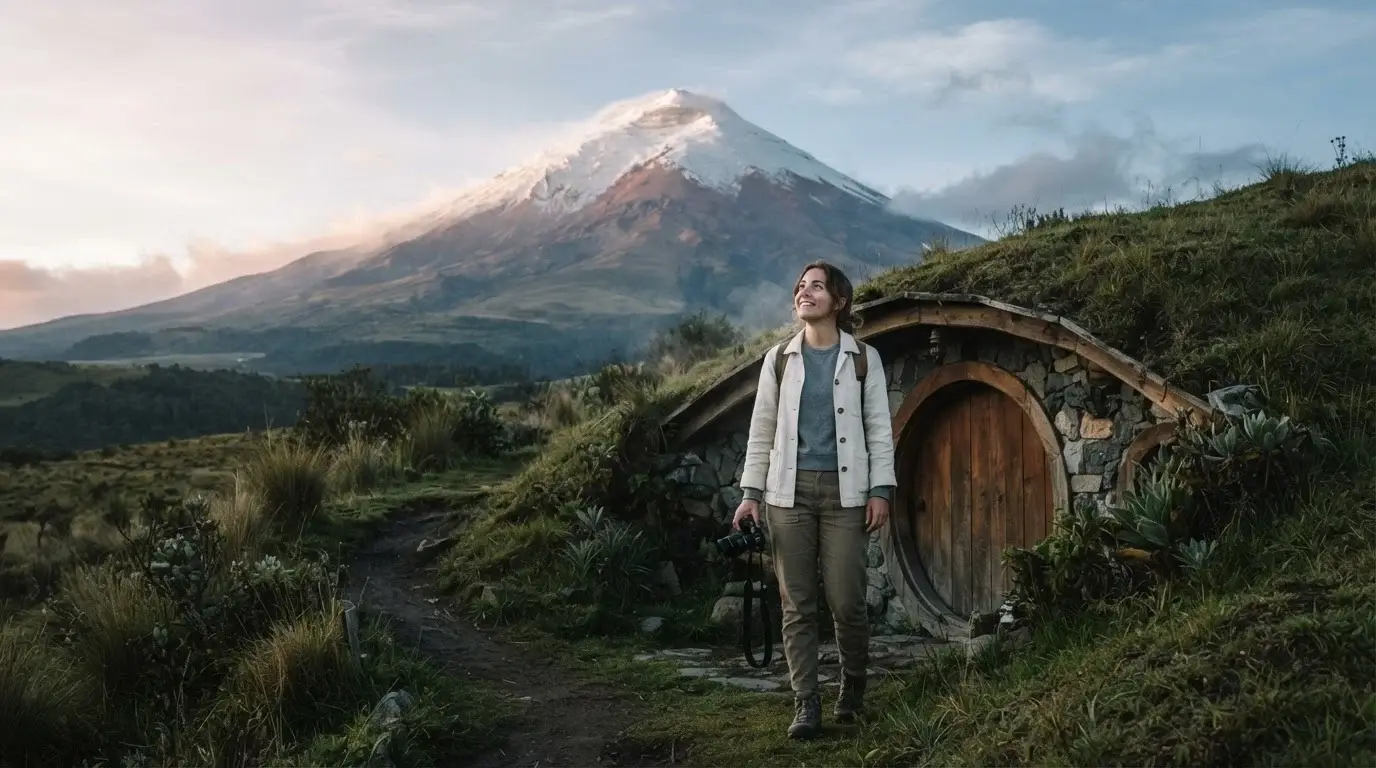
About 70 kilometers south of Quito, at an elevation of 3,800 meters in the Ecuadorian Andes, The Secret Garden Cotopaxi has been rated in the top one percent of accommodations worldwide on TripAdvisor, and the reviews make it clear why. This is not the kind of place you stumble across. You choose it, and that choice becomes the story.
The hostel sits inside Cotopaxi National Park, looking directly at the snow-capped cone of Cotopaxi volcano, one of the world’s highest active volcanoes. You can sleep in a mixed dorm with heating, a private cabin on the hillside, a Hobbit Home buried into the mountainside, a “Birdhouse” nestled up in the trees, or a retrofitted Kombi campervan. The two-night minimum package includes meals, one-way transport from Quito, and an activity of your choice: volcano climb, horseback riding across the paramo, or an enchanted forest waterfall hike.
At 3,800 meters, the altitude is real. Give yourself a day in Quito to acclimatize before heading up. Nights are cold, so pack a warm layer even if you are arriving from a hot climate. The hostel provides plenty of blankets, and free hot drinks, banana bread, and snacks are available all day. The communal meals are a genuine highlight: solo travelers I’ve spoken to about this place consistently mention that the dinner table alone was worth the trip.
Stone City Hostel, Gjirokastër, Albania
If you haven’t been thinking about Albania, now is the time to start. Gjirokastër is an extraordinary city in southern Albania, known as the “City of Stone,” built along a steep hillside in the Drinos river valley. Its historic center, inscribed as a UNESCO World Heritage Site in 2005, is a remarkably intact collection of Ottoman-era stone tower houses, narrow cobblestone lanes, and a 13th-century citadel looming above the whole town.
Stone City Hostel sits inside one of these monumental old houses at the entrance to the bazaar, with a shaded garden full of fruit trees, a large rooftop terrace with views across the slate rooftops, and a bar. It is the kind of place where you plan to stay two nights and find yourself rebooked for a fourth. A few things nobody tells you before arriving: the citadel walk takes about 40 minutes from the hostel and is non-negotiable, the National Folklore Festival (held periodically) transforms the whole city, and the local lamb byrek from the bakeries near the bazaar is one of the better things you will eat in the Balkans. Albania uses the lek as its currency; most places in Gjirokastër are cash-based, so carry some with you.
Getting there from Tirana takes about 3 hours by bus (around 800 lek, roughly $8). From Sarande on the coast it is about 1.5 hours.
Loch Ossian Youth Hostel, Scottish Highlands
This one requires a small act of commitment that, according to everyone who has done it, immediately makes the experience feel earned. Loch Ossian Youth Hostel, managed by Hostelling Scotland, sits on the southern shore of Loch Ossian in the remote Scottish Highlands, accessible only by a 20-minute walk or bike ride from Corrour station, which is itself the most remote railway station in the United Kingdom. There is no road in. There is no Wi-Fi. There is often no mobile signal.
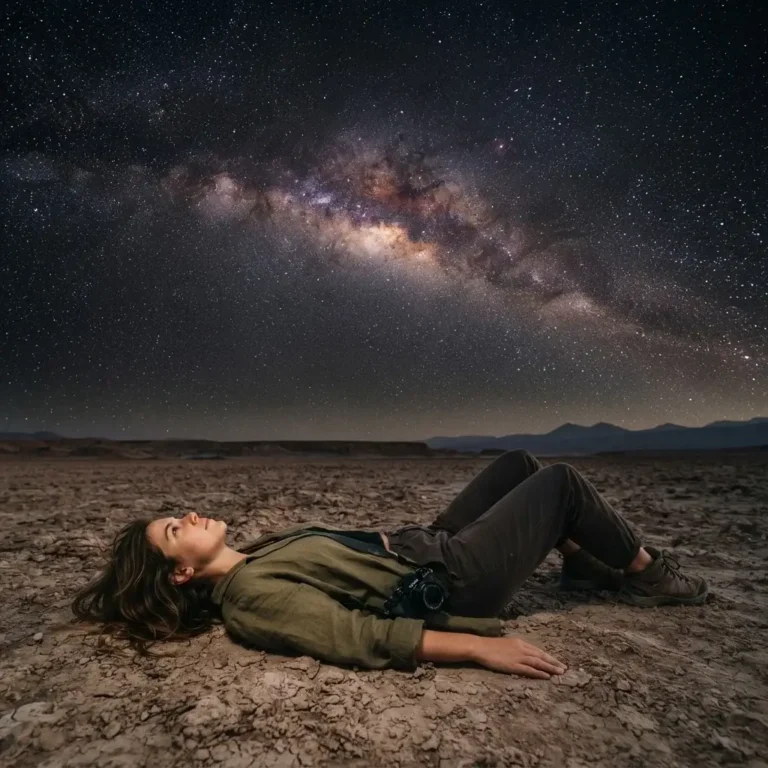
What there is: a proper eco-hostel with a warm communal kitchen, woodstove, excellent hiking trails straight from the door, and some of the most genuinely dark skies you will find in northern Europe. If you are lucky on a clear night, you will see more stars than you thought the sky could hold.
Hikers use this as a base for the surrounding Munros (Scottish mountains above 3,000 feet), but you don’t need to be a serious mountaineer to come here. Bring all your food with you from the Morrisons in Fort William before boarding the Caledonian Sleeper or a local service to Corrour. There is a basic kitchen but no shop nearby. Summer books up quickly, so reserve well in advance through the Hostelling Scotland website.
Elundini Backpackers, Hogsback, Eastern Cape, South Africa
Hogsback is a small village in the Amathole Mountains of South Africa’s Eastern Cape, often described as the place that inspired J.R.R. Tolkien’s vision of Middle-earth (his family had connections to the area). The village is blanketed in forests, waterfalls, and mist, and sitting about 30 minutes outside the village is one of the most culturally meaningful backpacker hostels in Africa.
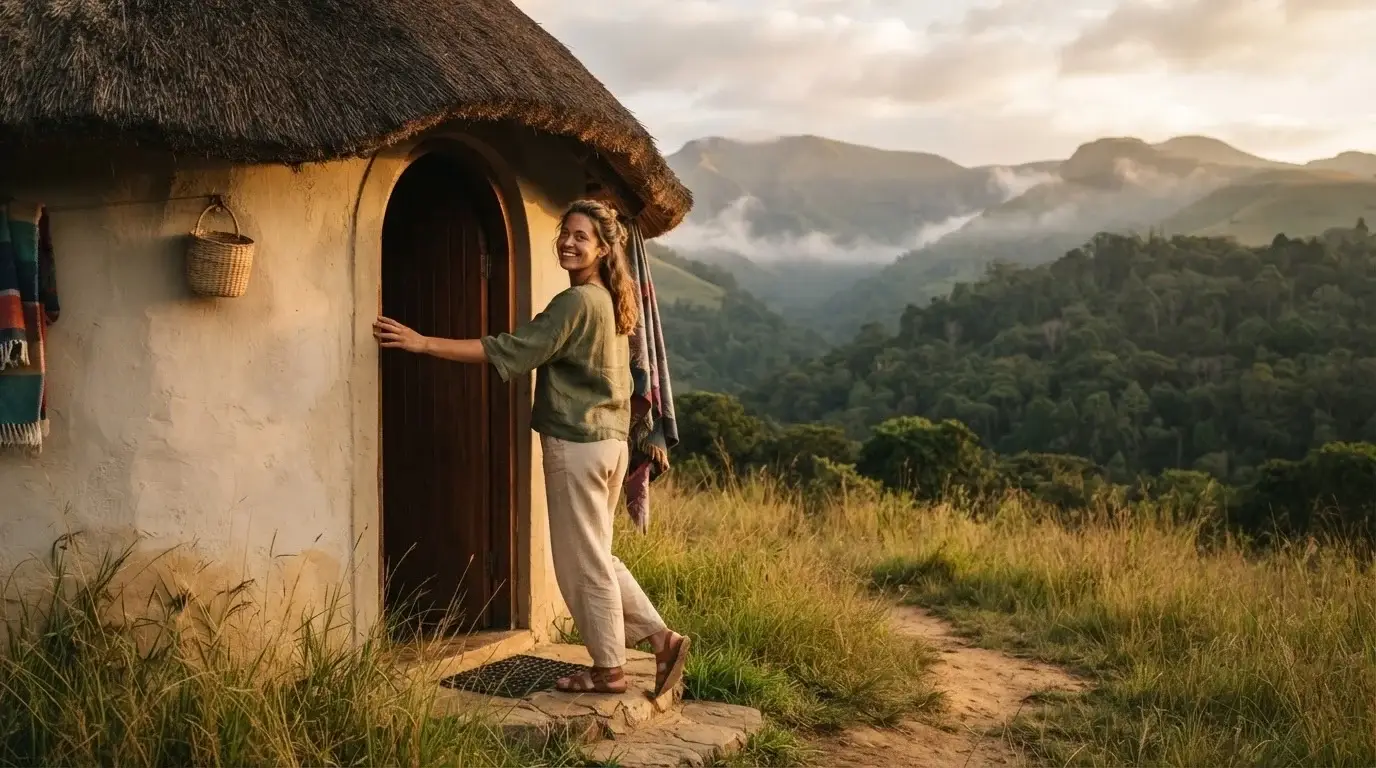
Elundini Backpackers was founded by a Belgian-Xhosa couple and is rooted in the Xhosa community. Guests stay in traditional rondavels, the round thatched-roof structures that are warm in winter and cool in summer. The hostel runs Xhosa language lessons, village tours, guided hikes through the Amathole Mountains, and horseback rides. Everything here is sustainable: solar power, compost toilets, recycled rainwater. The food reflects the community, with home-cooked meals prepared on-site.
From what solo travelers who have stayed here consistently report, this is one of those rare places that genuinely changes how you see a country. South Africa’s tourist trail tends to funnel people between Cape Town, the Garden Route, and Kruger. Hogsback and Elundini sit far outside that circuit, and that is precisely the point. Fly into East London or King William’s Town, then travel by road approximately two hours to Hogsback.
Village House, Phong Nha, Vietnam
Phong Nha is the kind of place that feels like a secret even though it is increasingly talked about, partly because it is genuinely difficult to rush through. The town sits next to Phong Nha-Ke Bang National Park, a UNESCO-listed landscape of limestone karst mountains and the world’s most extraordinary cave systems, including Son Doong, the largest cave on earth.
The Village House hostel sits 1 kilometer from the main town and boat station, right on a quiet stretch of the Son River. Free bicycles are available for guests, the family dinners are genuinely exceptional value and quality, and the local children have been known to invite arriving guests into impromptu volleyball games before they’ve even put their bags down. The pace of life here is slow in the best possible way.
Getting to Phong Nha: the closest major hub is Dong Hoi, serviced by regular flights from Hanoi and Ho Chi Minh City (flights from around $20-$30 booked ahead on VietJet or Bamboo Airways). From Dong Hoi, a local bus or arranged minivan transfer runs to Phong Nha in about 45 minutes. For cave tours, book directly in town with a licensed guide through the national park visitor center, since the cave systems require regulated group access to protect the formations.
How to Actually Find These Hostels (Beyond the Obvious Apps)
Most of the places described in this article don’t show up on Booking.com’s first page or in a basic Google search for “hostels in [country].” Here is how solo travelers actually surface them.
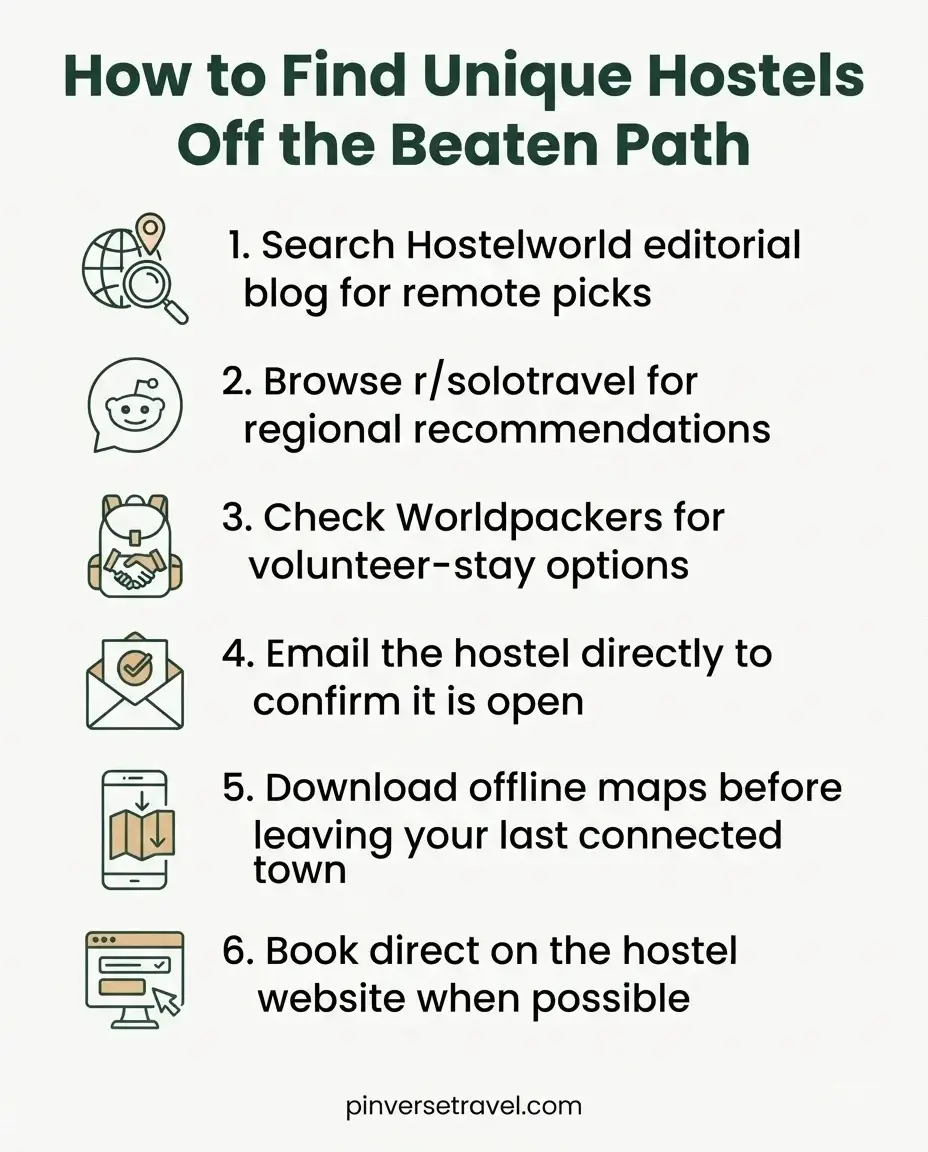
Hostelworld’s editorial blog is one of the better starting points for remote and unusual options. Their roundup of the best remote hostels worldwide goes well beyond the standard circuit and includes addresses and transport notes. Use it as a discovery tool, then go directly to each hostel’s own website to confirm current operating status and book, since small independent hostels sometimes update availability faster on their own site than on aggregators.
Reddit is genuinely useful here. The r/solotravel subreddit has years of archived threads on unusual and remote accommodation recommendations. Search within the subreddit for your specific region and the word “unique” or “remote” and you will surface opinions from people who actually stayed there rather than content written for SEO.
Worldpackers is worth knowing about if you have flexibility. The platform connects volunteers with hostels and eco-lodges in exchange for a few hours of work per day in exchange for free accommodation, and many of the listings are in exactly the kind of off-grid, community-rooted places described in this article.
Finally, the most reliable verification step before booking a very remote hostel: email them directly. A working email address that gets a response within 48 hours tells you a lot. Ask what the transport situation looks like from the nearest transport hub, whether food is available on-site, and whether there are any seasonal closures. Small hostels in remote areas sometimes close for weeks in low season or during local festivals without updating their profiles online.
What to Pack Differently for Remote Hostel Travel
Standard hostel packing advice assumes you are near a pharmacy, a convenience store, and reliable phone signal. Remote hostels change that calculation. A few practical differences worth noting.
Carry enough cash for at least two to three days beyond your planned stay. Remote towns are often cash-only and may not have reliable ATMs. A portable power bank matters more here than in a city, since power sockets may be limited and outages do happen in rural areas across Latin America, Africa, and Southeast Asia. A basic first-aid kit including altitude sickness medication (if heading somewhere like Ecuador or Bolivia) is worth the small extra weight. If you are going somewhere with no Wi-Fi, download your maps offline on Maps.me or Google Maps before you leave your last connected town, and save the hostel’s address, the nearest transport hub, and emergency contact numbers in a notes app that doesn’t require data.
Finally, bring a good headlamp. This sounds like minor advice until you are navigating a jungle path to a hostel at Semuc Champey, Guatemala, at 9 PM, and you realize your phone flashlight isn’t going to cut it.
One Honest Note on Managing Expectations
Off-the-beaten-path hostels are not uniformly magical. Some are genuinely rustic in ways that catch unprepared travelers off guard: shared cold-water bathrooms, basic mattresses, limited electricity, no mobile signal. These are not failures. They are features if you go in knowing to expect them.
The framing that helps is this: you are not booking a hotel that happens to be cheap. You are choosing to place yourself in an environment that has not been sanitized for tourist comfort. That rawness is exactly what produces the memories that still feel vivid five years later.
When I think back to the experiences that genuinely shaped how I see the world, whether it was living with a family in Ghana, learning to slow down in Thailand, or navigating the unexpected complications that come with every ambitious trip, none of them were smooth. They were interesting. And interesting is always better than comfortable.
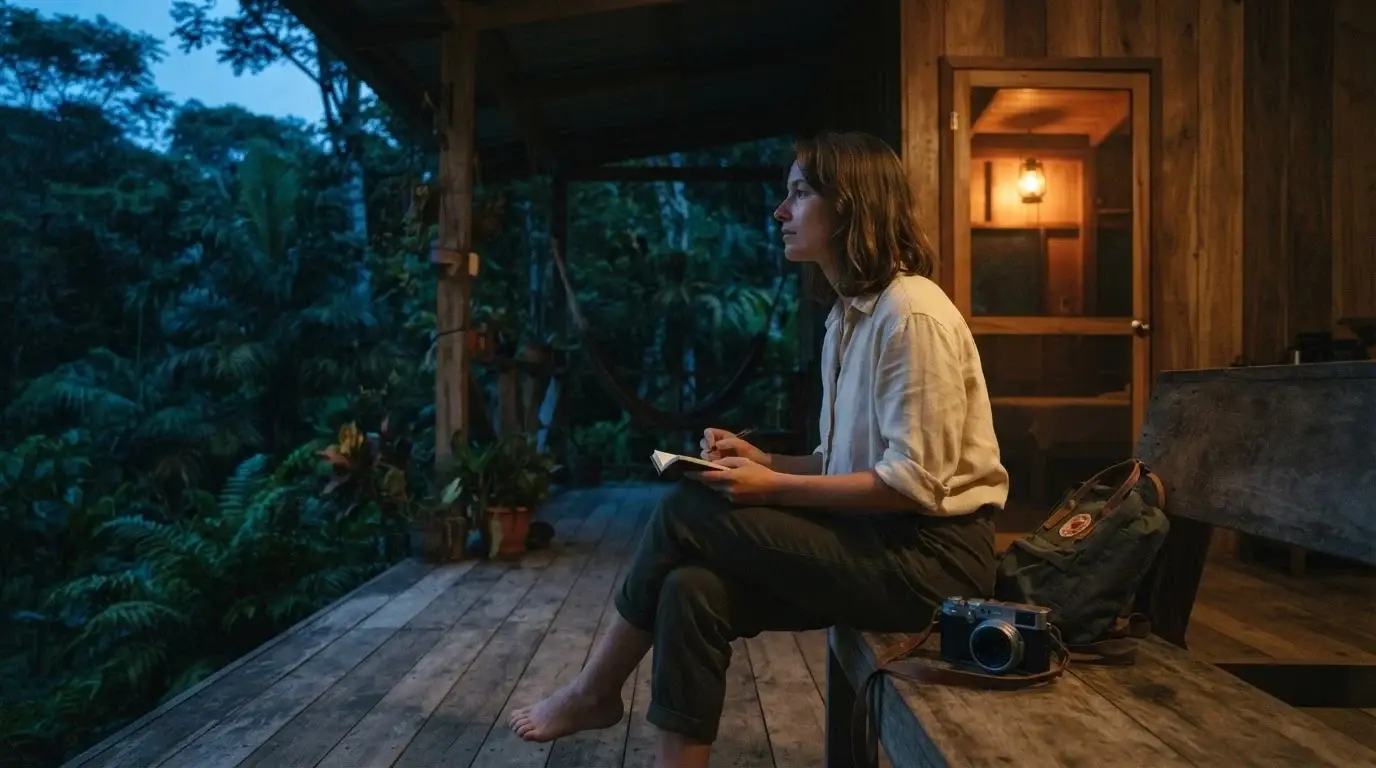
Book the castle hostel. Take the train to the station with no road. Sleep in the rondavel under a sky full of stars. You will not regret it.