
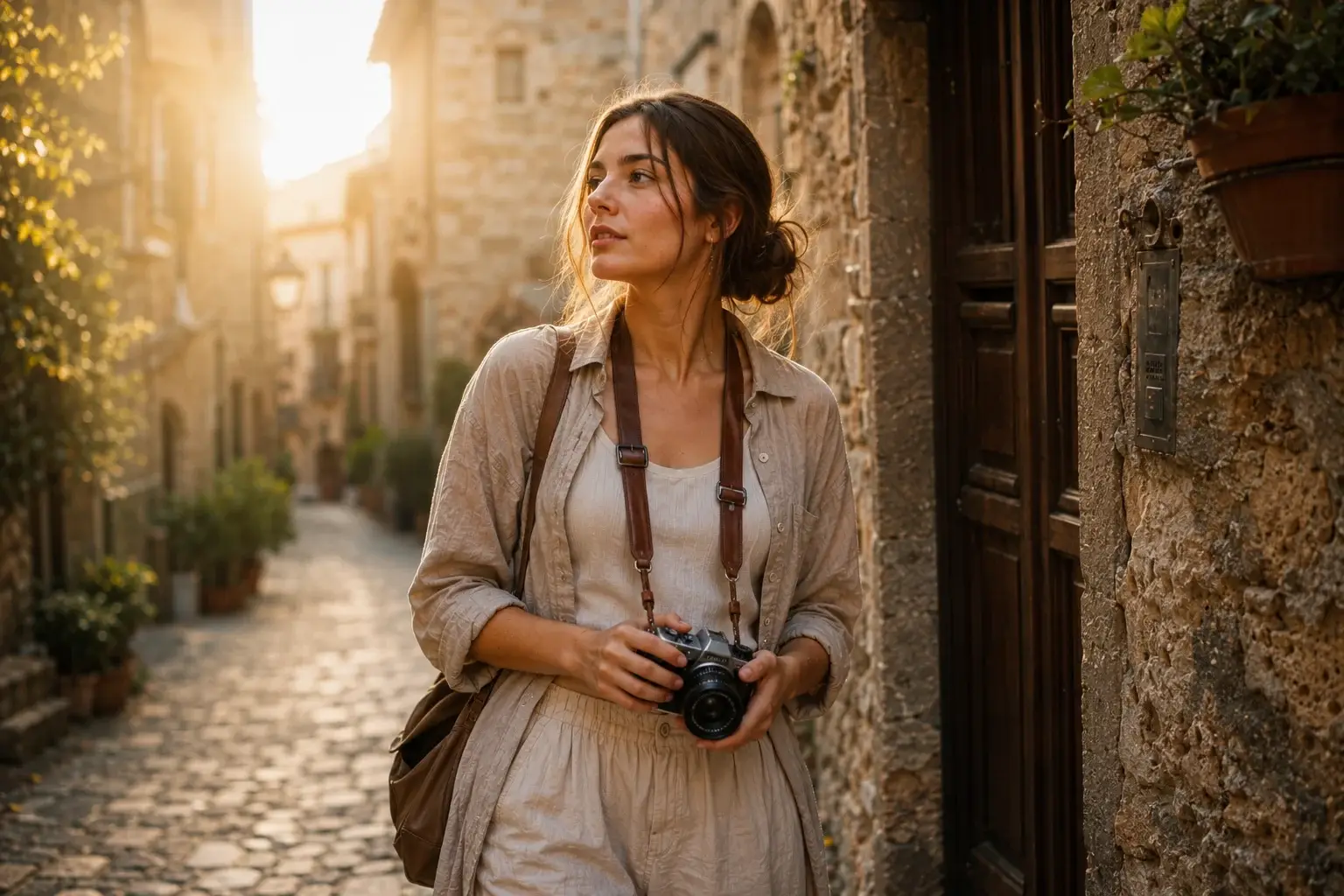
When I first left my corporate job in New York, I was terrified of time. I had spent years watching my vacation days tick down like a countdown clock, and suddenly, being a full-time traveler felt like I had all the time in the world. But here is the secret I learned while living in a tiny apartment in Thailand and backpacking through Europe: you don’t need weeks to have a life-changing experience. You just need to know how to stop rushing and start living.
Many people think that a three or four-day trip means you have to race from monument to monument, ticking boxes off a list until you’re too exhausted to enjoy a local meal. That isn’t travel; that’s just a high-speed commute. If you want to master the most efficient city travel itineraries for short trips, you have to shift your perspective. It’s not about seeing everything; it’s about feeling something.
The Art of the “One-Neighborhood” Strategy
The biggest mistake travelers make is trying to cover an entire city in a weekend. If you are in Paris for three days and you try to hit the Eiffel Tower, the Louvre, Montmartre, and the Latin Quarter, you will spend half your time on the Metro.
Instead, I use the “One-Neighborhood” strategy. Pick a home base. Choose one district that captures the vibe you are looking for—maybe it’s the artsy streets or the historical center—and commit to spending 70% of your time there. When you walk the same three blocks three times, you stop being a tourist and start becoming a regular. You learn which cafe serves the best coffee, which street vendor is there at sunset, and where the locals actually buy their fruit.
When I was teaching in Thailand, I found that I only truly understood the local culture when I stopped trying to see every temple and started frequenting the same local market stall near my housing. If you are planning an international trip, always check the official Tourism Authority of Thailand cultural etiquette guides to make sure your presence in these intimate local neighborhoods is respectful and observant. This deep-dive approach saves you hours of transit time and gives you memories that actually stick.
Simplifying Your Logistics Before You Land
Efficiency doesn’t start when you get off the plane; it starts in your living room. When you have limited time, you cannot afford to have your plans fall apart because of a missing document or a confusing transit map.
Before I go anywhere, I spend exactly one hour researching the basic safety and entry requirements for my destination. The US Department of State Travel website is my go-to for these sanity checks. It tells me exactly what I need to bring and if there are any specific warnings I should be aware of. Knowing that I am prepared allows me to land with a sense of confidence rather than stress.
Once you know the rules, look at your map and group your activities geographically. Don’t look at a list of “top 10 things to do.” Instead, look at a map and draw a circle around the area where you are sleeping. Spend your first day within that circle. By staying local on your first day, you eliminate the pressure to navigate complex train systems while you are still tired from your flight.
Navigating the City Without the Tourist Fatigue
Public transport is a lifesaver, but for short trips, sometimes you need to be flexible. In many bustling cities across Southeast Asia or parts of Europe, using a ride-hailing app can save you an hour of waiting for a bus that might not show up. Learning how Grab works for travelers is a great way to simplify your ground transit, as it helps you avoid the language barriers and price haggling that can drain your energy during a short stay.
If you are a solo traveler like me, you might be worried about safety while trying to be efficient. I always tell my readers that confidence comes from action, not just planning. Keep your phone charged, download offline maps, and always have a general idea of where the nearest safe space or transit hub is. Before you head to a new country, it is always a smart idea to look at the CDC Travelers’ Health portal to understand the health landscape of your destination, which helps you plan for minor concerns like food safety or water quality before they disrupt your itinerary.
Culinary Immersion: Eat Where the Rhythm Is
Food is the quickest way to understand a city. On short trips, avoid the restaurants that have pictures of the food on the menu outside. Those are designed for people who are passing through, not people who want to understand the city.
Look for the places that don’t have an English menu. If a place is packed with people who look like they just left work, you are in the right spot. For lunch, I prefer street food or small, casual stalls. It’s faster, cheaper, and frankly, more authentic. Don’t worry about sitting down for a two-hour meal unless that is the specific experience you are seeking.
If you find yourself in a city with historic architecture, try to find a UNESCO World Heritage site nearby. Often, these areas have excellent local food markets hidden just a few streets away from the main attraction. You get the history and the flavor without the tourist price tag.
Why “Slow” is Actually Faster
It sounds like a paradox, but the slower you move, the more you experience. When you force yourself to walk instead of taking a taxi, you see the small details—the way the light hits a specific wall, the sound of music coming from a doorway, the texture of the pavement.
When I was living in NYC, I watched tourists rush past some of the most beautiful brownstones because they were staring at their GPS, trying to find a “must-see” monument. If you build “unstructured time” into your itinerary, you stop feeling like you are failing when things go wrong. If your train is delayed or it starts to rain, it’s not a ruined plan—it’s just a new opportunity to sit in a cafe and observe the world.
Always remember that travel insurance is a part of being a prepared, efficient traveler. Having the right coverage can take the weight of “what if” off your shoulders. I recommend reading through World Nomads travel insurance guidance on safety to understand how a safety net can actually give you the mental space to be more spontaneous. When you aren’t worried about the worst-case scenario, you can focus on the best-case: experiencing the city.
Designing Your Own Personal Itinerary
To build your own efficient itinerary, follow these three steps:
- The Anchor Activity: Pick one thing—just one—that you absolutely want to see. Maybe it’s a specific museum or a bridge at sunrise. That is your anchor. Everything else in your day should be in walking distance of that anchor.
- The “Maybe” List: Keep a list of three secondary things you might do if you have time. If you don’t get to them, don’t feel bad. If you do, it’s a bonus.
- The Local Routine: Commit to visiting one local park, one market, and one cafe every single day. This creates a rhythm that makes a three-day trip feel like a two-week residency.
The goal of these itineraries is to help you build confidence. Every time you successfully navigate a new city, you prove to yourself that you are capable. You learn that you don’t need a perfectly curated social media life to have a meaningful life. You need to be present. You need to be curious. And most of all, you need to be willing to get a little lost, because that is where the best stories happen.
Stop waiting for that long vacation you think you need to justify your travels. Start where you are, with the time you have, and go see the world. It’s waiting for you, and I promise you, it’s much more manageable than you think.



