Where to Go for Traditional Nordic Saunas: A First-Timer’s Map

The first time I understood a sauna was not a fancy spa but a way of living, I was far from the Nordics. I was in Thailand, teaching English, cooling off after a hot afternoon, thinking about how every culture I’d passed through had its own ritual for slowing down. Later, reading and planning and talking to friends who’d gone north in winter, I kept landing on the same truth: the Nordic sauna is one of the most human, unpretentious travel experiences you can have. It is warm rooms, quiet people, cold water, and a feeling of being reset from the inside out.
If you’re reading this, you probably want the real thing. Not a hotel gym box with a timer, but the tradition. The good news is that the tradition is everywhere up there, it’s often cheap, and you absolutely do not need to be an expert to belong. Let me walk you through where to go, what each place is like, and how to step inside without that first-timer panic.
First, what makes a sauna “traditional” up north
Before we talk destinations, it helps to know what you’re actually looking for, because the word “sauna” gets slapped on a lot of things.
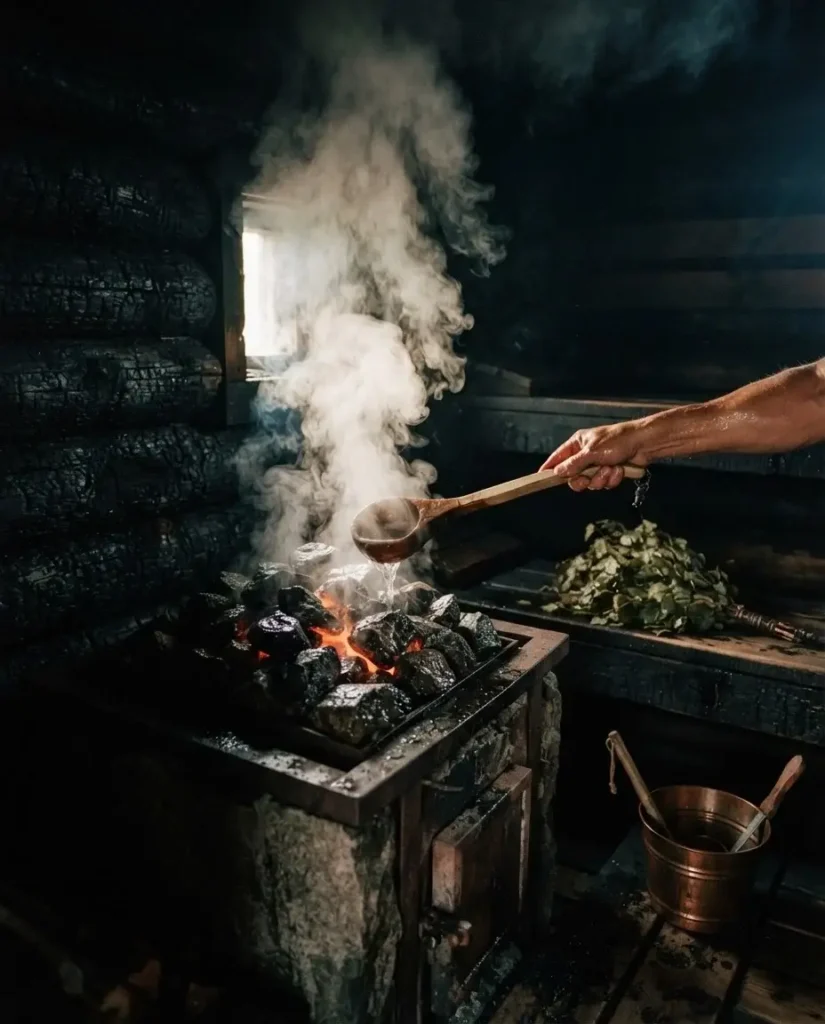
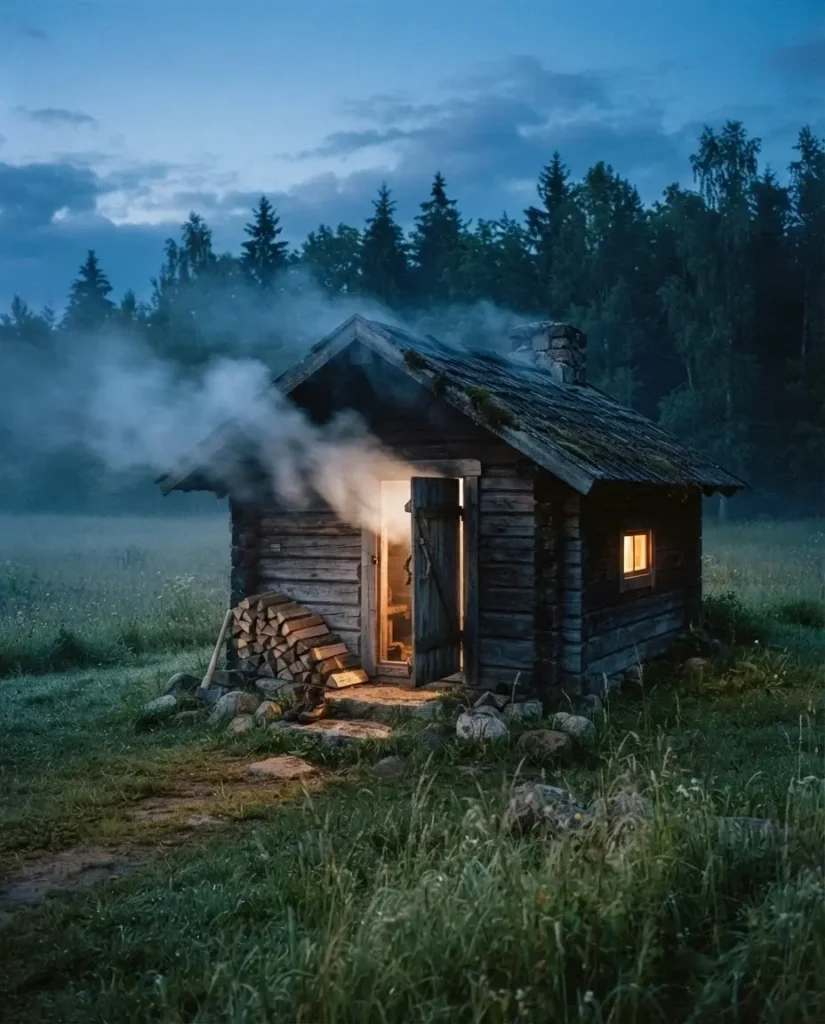
A traditional Nordic sauna is built around one idea: heated stones, and the steam you make by throwing water on them. Finns call that steam löyly, and it is the whole soul of the experience. The heat source is what separates the styles. An electric stove is the modern default and perfectly normal. A wood-fired stove is warmer, softer, and smells like a campfire. And then there’s the smoke sauna, or savusauna, the oldest and most revered kind, which has no chimney at all. A fire heats a pile of stones for six to eight hours, the smoke fills the room and is then let out, and you enter a space that smells of woodsmoke and feels almost sacred.
This tradition matters enough that it’s officially protected. Finland’s whole sauna culture was added to the list of the world’s intangible cultural heritage in 2020, and if you read the UNESCO description of Finnish sauna culture, you’ll see it described as a “church of nature,” which tells you everything about how seriously it’s taken. That’s the thing to chase. Not luxury. Reverence.
Finland: the heartland, and the easiest place to start
If you only pick one country, pick Finland. There are more saunas than cars here, roughly 3.3 million of them in a nation of 5.5 million people, and the culture is completely open to visitors. Helsinki is the perfect first stop because you can go from nervous tourist to relaxed regular in a single afternoon.
Löyly, for your very first time
If you want a beautiful, welcoming, slightly polished introduction, start at Löyly on the Helsinki waterfront. It’s a striking wooden building with three traditional saunas, including a smoke sauna, plus a sea for dipping and a restaurant for after. It’s popular and it knows it, so book ahead. A two-hour public session runs EUR 29 with additional hours at EUR 12, and you can confirm current times and reserve directly through the official Löyly public sauna page. This is the “training wheels” option, and I mean that kindly. Towels and seat covers are sorted for you, the staff explain everything, and nobody will make you feel out of place.
Kotiharjun Sauna, for the real, unglamorous tradition
Once you’ve got your confidence, go where the locals go. Kotiharjun Sauna in the Kallio district has been running since 1928 and is the last wood-heated public sauna in Helsinki. Entry is around EUR 16, which is about as democratic as travel gets. This is a proper old neighborhood sauna: separate sides for men and women, plain wooden benches, and the deep soft heat of a wood fire. People here sit quietly, or chat, or step outside to cool down on the street in their towels, which is a very normal sight in this part of town. You can compare it against the city’s full lineup on Visit Finland’s rundown of Helsinki saunas, which is the most reliable local list I’ve found.
Kuusijärvi, for the smoke sauna and a lake plunge
For the classic Finnish combination of a smoke sauna and a cold natural dip, head just north to Kuusijärvi in Vantaa. It’s only about 15 minutes from Helsinki Airport, which makes it a genius first-day or last-day activity if you’re short on time. There are electric public saunas and a traditional smoke sauna, and right outside is a lake you can wade or plunge into. Weekends get busy, so a weeknight visit is calmer. It’s reachable by direct bus, and the simplest way to sort your ticket and route is through the official HSL transit app, which covers the whole Helsinki region.
Sompasauna, for the free, wonderfully chaotic version
If you want a story to tell, Sompasauna is a volunteer-built, completely free public sauna with no staff, no lockers, and no rules beyond common decency. You show up, you feed the fire, you share the space with whoever’s there. It’s mixed, it’s a little rough around the edges, and it’s one of the most genuinely communal experiences in the city. Bring your own everything and an open mind.
A practical note on Finland: if you visit in winter, the cold-water plunge, called avantouinti, is the payoff. You warm up thoroughly in the sauna, then lower yourself into a hole cut in the ice for just a few seconds. It sounds terrifying. It is, briefly. Then it becomes the best feeling of your trip. Go slowly, keep your head up, and never do it alone in an unsupervised spot.
Sweden: dramatic settings and shared heritage
Sweden’s sauna scene, or bastu as it’s called locally, leans a little more toward the scenic and the designed, and if you love a jaw-dropping backdrop, this is your country. The essence is the same hot-then-cold ritual, but the settings can be extraordinary.
Up in Swedish Lapland you’ll find the Solar Egg, a golden egg-shaped art sauna heated by a wood-fired stove, and Kukkolaforsen near the Finnish border, which has a whole collection of saunas including a smoke sauna and openly celebrates the shared Swedish-Finnish sauna heritage along that river valley. Floating saunas on lakes and the sea are increasingly common too, letting you step straight from steam into open water. The national tourism board keeps a genuinely useful, up-to-date guide to the standout saunas across Sweden, which is where I’d start if you’re building a northern itinerary around scenery.
What to know before you go: Swedish saunas can range from free public beach bastu to bookable design experiences, so check ahead on cost and whether a session is mixed or single-gender. In more rural and northern spots, the culture is closer to the Finnish tradition, quiet and reverent. In cities it can feel a touch more like wellness. Both are valid. Just match your expectations to the place.
Estonia: the smoke sauna’s spiritual home
Here’s the destination most people overlook, and I think that’s a mistake. Southern Estonia, specifically the Võru region, is home to a smoke sauna tradition so deep it earned its own separate UNESCO listing back in 2014, years before Finland’s. This is not the same thing as a Finnish sauna with a smoky smell. It is a full way of life.
In the Võromaa tradition, the sauna is a place of birth, healing, cleansing, and even smoking meat. The heating takes most of a day, the bathing happens at night, and the whole practice is bound up with community, quiet, and a kind of spiritual clearing. Reading Visit Estonia’s inside look at the Võro smoke sauna tradition genuinely shifted how I understood saunas at all, because it treats the room as sacred rather than recreational. Farms like Mooska in Võru County keep the tradition alive and host visitors, and going with a keeper who explains each step is worth far more than doing it alone.
If you want to understand exactly what’s being protected and why, the UNESCO listing for the Võromaa smoke sauna tradition spells out that it covers the whole set of customs, from making birch whisks to building the saunas to the bathing itself. That detail matters, because it tells you the smoke sauna isn’t a tourist attraction. It’s someone’s heritage that you’re being invited into. Show up curious and respectful and you’ll be welcomed warmly.
Estonia is also the budget-friendly, less-crowded option, and Tallinn is an easy, cheap flight or ferry from Helsinki, so many travelers combine the two. Do a polished Helsinki sauna first, then a soulful Võru smoke sauna after, and you’ll have seen both ends of the tradition.
The etiquette, honestly explained (this is the part you’re worried about)
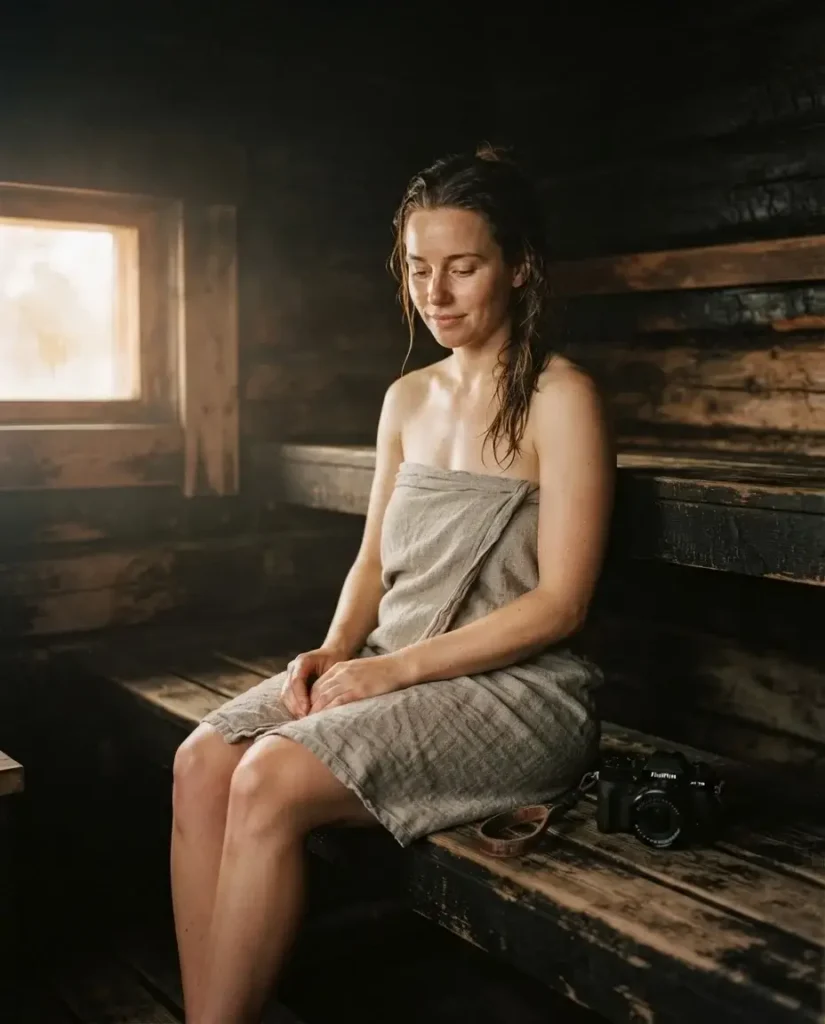
Let’s talk about the thing everyone’s too shy to ask. Yes, traditional Nordic saunas are usually done naked. In single-gender public saunas, nudity is normal and nobody is looking at you, I promise. That said, the rules are gentler than the rumors. In mixed sessions and at many modern public saunas, swimsuits are fine and common, especially for visitors. When you book, you’ll often see separate men’s, women’s, and mixed times, so you can choose whatever makes you comfortable. Choosing a swimsuit does not make your experience less authentic. Feeling relaxed enough to actually enjoy it is what makes it authentic.
A few simple courtesies will carry you anywhere: always sit on a towel or seat cover, never on bare wood. Keep your voice low, because the sauna is a calm space. Before you throw more water on the stones for extra löyly, glance around and make sure the others are okay with more heat. Rinse off before you go in. And if it gets too hot, just step out, cool down, and come back. Nobody is timing you and there’s no prize for suffering.
If you go in winter and try the ice plunge, ease in rather than diving, breathe slowly, and keep it short. The goal is the glow afterward, not endurance.
What to eat and drink after
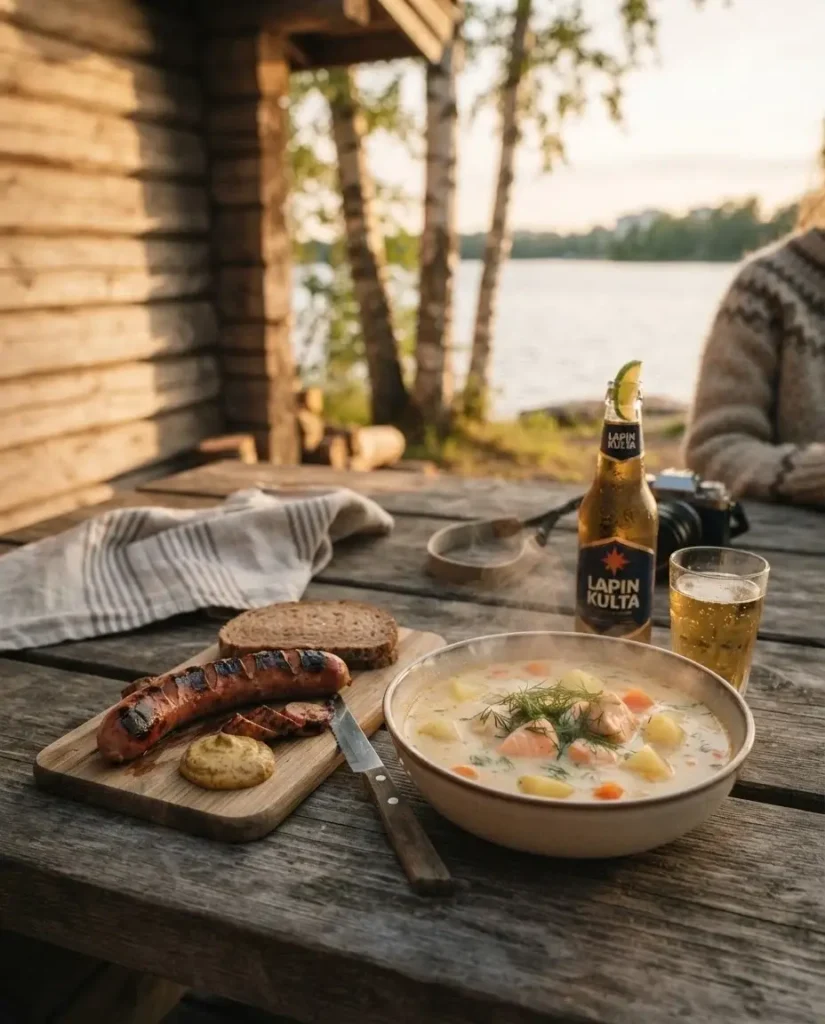
The after is half the ritual. In Finland, the classic move is a grilled sausage, called makkara, and a cold drink, sometimes cooked right on the sauna’s own fire. Many public saunas, including Löyly, have restaurants serving Finnish comfort food like creamy salmon soup and meatballs, which taste unreasonably good when you’re pink and relaxed. In Estonia’s smoke saunas, the tradition ties directly to sauna-smoked meat, so if a farm offers it, try it. In Sweden, expect anything from a simple riverside snack to a full lakeside meal depending on where you go. Whatever the country, don’t rush off afterward. Sitting there, wrapped in a towel, slightly dazed and completely calm, is the point.
How to choose your destination
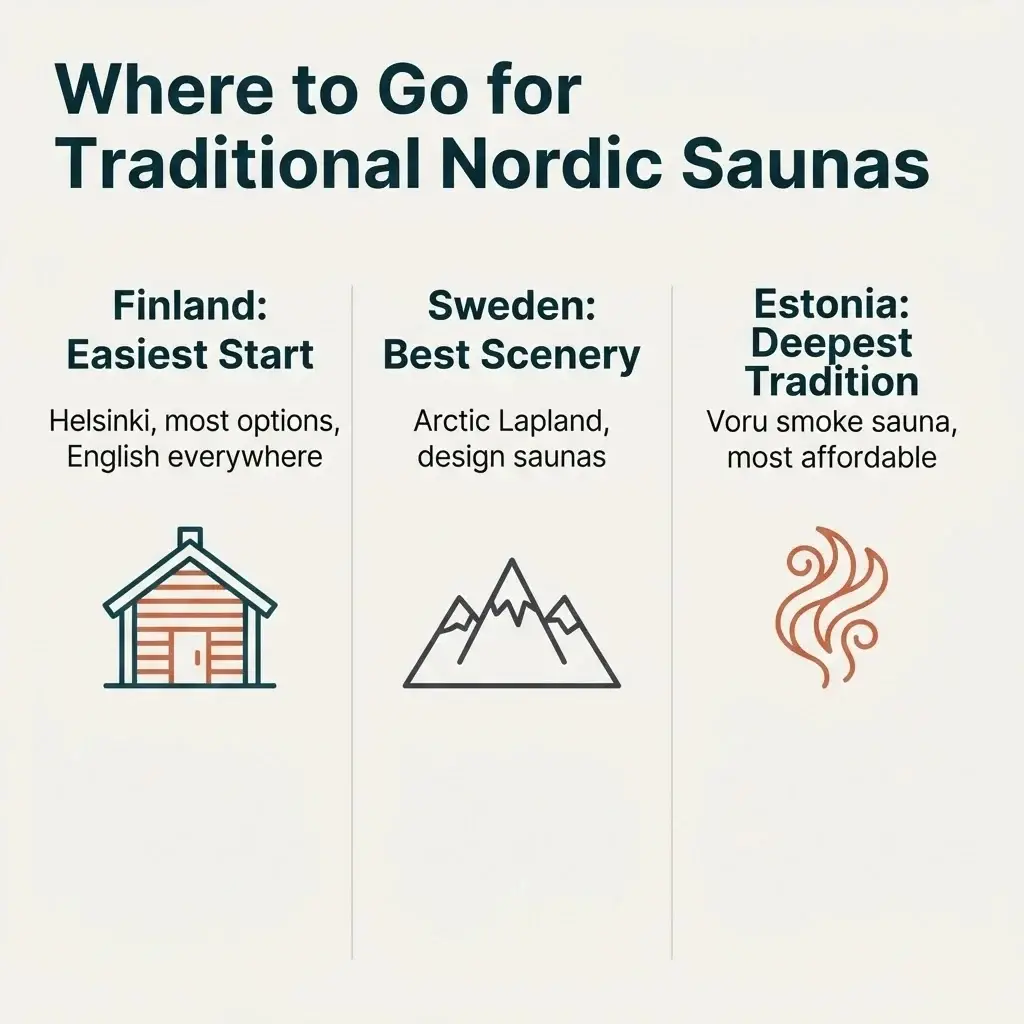
If you want the easiest, most accessible introduction with English spoken everywhere and endless options, go to Finland and base yourself in Helsinki. If you’re chasing dramatic scenery, Arctic settings, and design-forward saunas, head to Sweden, ideally up north. And if you want the deepest, most spiritual and most affordable version of the tradition, go to southern Estonia for a genuine smoke sauna, ideally paired with a Helsinki trip.
Whichever you choose, know this: you don’t need special skills, a fancy budget, or a travel companion to do it.
A sauna is one of the friendliest things you can do alone, because you can sit in silence and belong completely. That’s exactly the kind of small, brave, quietly transformative experience I started Pinverse Travel to encourage. Book the session, pack a swimsuit if the naked thing scares you, and go feel what a few hundred years of northern tradition figured out. You’ll walk out lighter than you walked in.