The first time I stood in front of a European ticket machine on my solo backpacking trip, I panicked. Six languages, a dozen buttons, a line of locals behind me, and a train I was terrified of missing. I bought the wrong ticket. Then I bought another wrong ticket. By the time I got it right, my face was hot and my train was gone.
I’m telling you that because if you’re reading this while nervously planning a trip, or worse, while actually standing in a station right now, I want you to know the fumbling is normal. It fades fast. And here’s the good news that took me years to fully appreciate: some European cities have made getting around so smooth that you’ll wonder why every place on earth can’t be like this.
This isn’t just a “which city ranks number one” post. Rankings are fun, but they don’t help you tap through a gate or dodge a fine. So I’m going to give you both. Which systems are genuinely the best, and exactly how to use each one without the sweaty-palms confusion I went through. Let’s make you the calm, capable traveler gliding through the turnstile, not the flustered one holding up the line.
What “Best” Actually Means When You’re the One Riding
When surveys crown a city’s transport as the best, they’re usually measuring how happy locals are. That matters, but as a traveler you care about slightly different things: Can I figure out payment fast? Will it get me where I need to go without a car? Is it safe alone, including at night? And will it drain my budget?
The most recent big survey of over 18,500 locals across cities worldwide put London on top for Europe with an 86 percent approval rating, followed by Vienna, Zurich, and a cluster of others, and you can read the full breakdown of that ranking in this roundup by Time Out that I found genuinely useful for a bird’s-eye view. But I want to reframe it for solo travelers. The “best” system for a nervous first-timer is the one that is easy to pay for, hard to get wrong, and forgiving when you inevitably make a mistake anyway. By that measure, the cities below are the ones I’d send a friend to first.
London: The One That Taught Me Tapping Is Easier Than Tickets
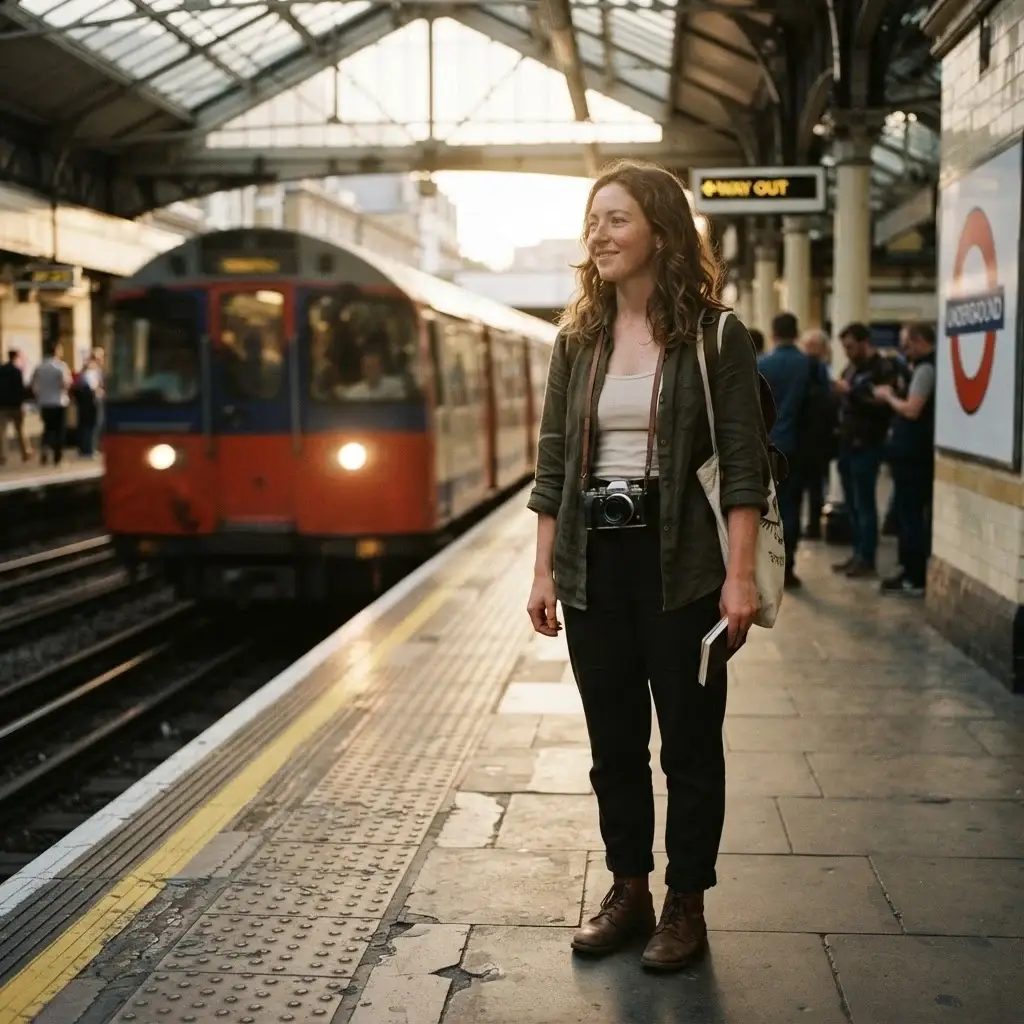
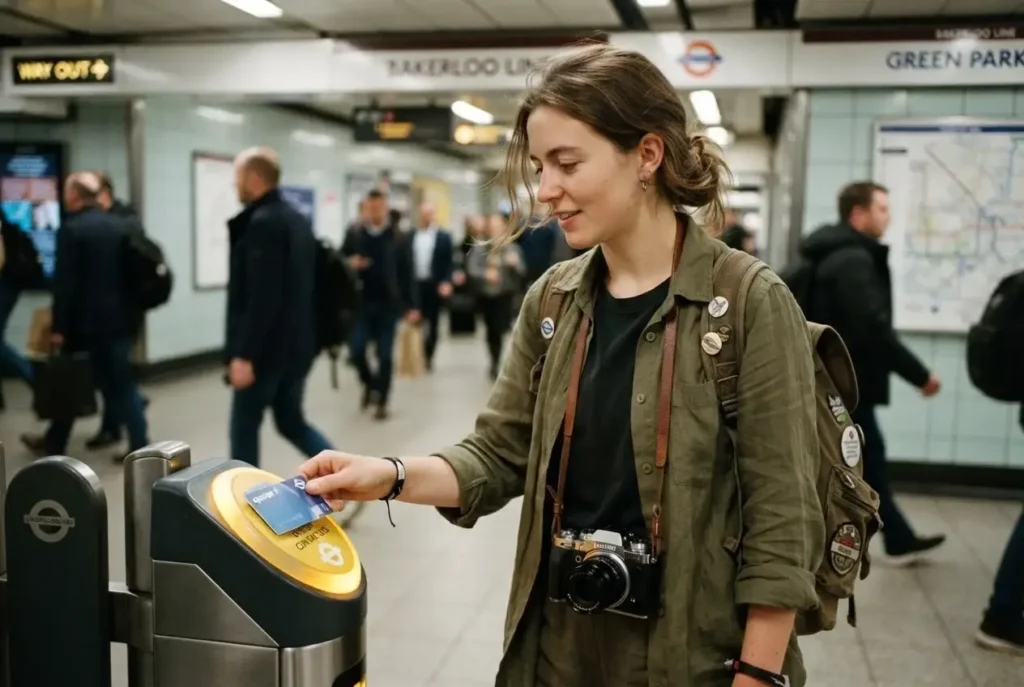
London’s Underground is the oldest metro on the planet, and somehow it’s also one of the easiest to pay for. Here’s the single most useful thing I can tell you: you do not need to buy a paper ticket or even the classic Oyster card anymore. You just tap the same contactless bank card or phone you already carry.
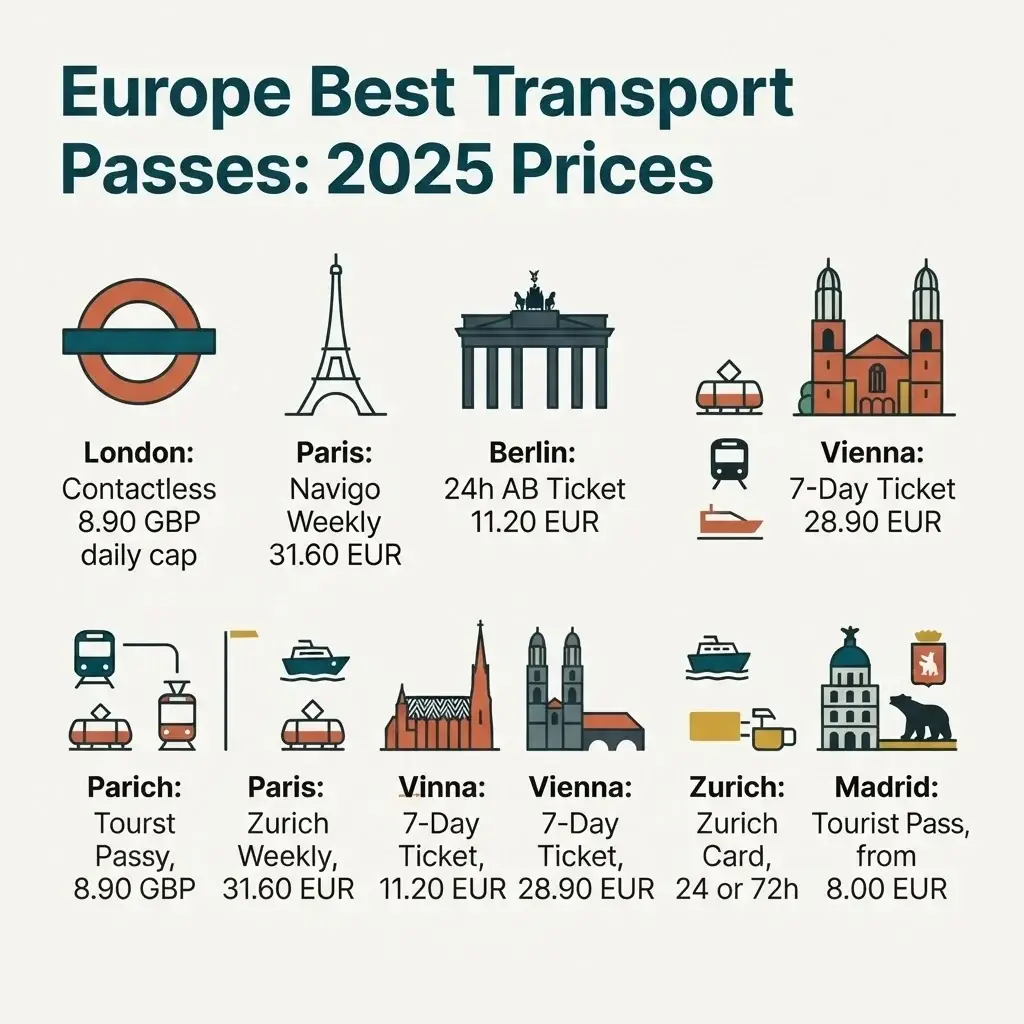
Why this matters so much is a feature called fare capping. The system quietly adds up your journeys and stops charging you once you hit the daily limit, so you can’t accidentally overpay by tapping too many times. For travel in central Zones 1 and 2, that daily cap sat at £8.90 under the 2025 fares package, and the details of that year’s freeze on bus and tram fares are laid out plainly in this announcement from the Mayor of London that’s worth a two-minute skim before you go. If you’d rather have a physical card, an Oyster costs £10 including a deposit, but honestly, if your bank card does contactless, save yourself the errand.
The one rule that trips up visitors: on the Tube and rail, you must tap in at the start and tap out at the end. Forget to tap out and you’ll get charged the maximum fare. On buses you only tap once when boarding. Beyond the Tube, London now has the fast Elizabeth line running east to west, a huge bus network, and Overground trains, so you can cross the whole city without ever needing a taxi.
What to eat while you’re navigating it: grab a proper bacon roll or a jacket potato from a market like Borough Market when you surface, London’s transport is at its best when it delivers you straight to food.
Paris: Beautiful, Dense, and a Little Old-School
Paris is where I learned that a gorgeous metro can still have a learning curve. The network is incredibly dense, you’re rarely more than a few minutes’ walk from a station, but the ticketing has been mid-transition, so it pays to know your options.
A single metro ticket runs about €2.55, and the current full fare list is kept up to date on the official RATP fares page that I’d bookmark before your trip. If you’re staying several days and riding a lot, the weekly Navigo pass at €31.60 for all zones (2025 rate) is excellent value and covers metro, RER trains, and buses across the whole Île-de-France region including trips out to Versailles. There’s also the Paris Visite pass aimed at tourists, starting around €30.60 per day for all zones, though for most city stays the Navigo works out cheaper.
My honest tip: Paris stations can feel maze-like, with long tunnels between connecting lines. Follow the orange “Correspondance” signs for transfers and the blue “Sortie” signs for exits, and don’t be shy about pulling up a map on your phone. Keep your ticket or pass until you’ve fully left the station, inspectors do check.
If you pop up hungry, a warm baguette or a crepe from a street stand is the classic between-metro fuel, and it costs a fraction of a sit-down café.
Berlin: My Kind of System, With One Sneaky Rule
Berlin’s transport feels like the city itself: efficient, unfussy, and refreshingly honest. You’ve got the U-Bahn underground, the S-Bahn suburban trains, trams, and buses, all on one integrated ticket.
The thing to understand is zones. Berlin is split mainly into zones AB (the whole city) and ABC (which adds the outer ring including Schönefeld and the BER airport). A single AB fare is €4, and a 24-hour AB ticket is €11.20, with reduced rates for kids, and the full zone-and-ticket breakdown lives on the official BVG tickets page that makes the choices clear. For most visitors staying inside the city, an AB ticket is all you need.
Now the sneaky part, and I say this so you never get caught out: in Berlin you usually buy your ticket before you ride, then validate it by stamping it in the little machine on the platform or in the tram. There are no turnstiles, which feels like the honor system, but plainclothes inspectors are real and a fine for an unvalidated ticket is steep and embarrassing. Stamp it. Every time.
Berlin also runs strong night transport, night buses and weekend all-night U-Bahn service, which made it one of the cities where I felt most comfortable getting back to my place after dark on my Europe trip. Refuel with a currywurst or a döner kebab, the unofficial fuel of Berlin, available near practically every station.
Vienna: The One Everyone Quietly Loves
If London wins on size, Vienna wins on sheer pleasant reliability. Locals rate it near the very top for a reason: it’s cheap, frequent, spotless, and almost eerily punctual.
A single ticket is €3.20 and a 24-hour network ticket is €10.20, but the sweet spot for most visitors is the flexible 7-day ticket, €28.90 for the paper version or €25.20 digital, and all of the current options are laid out clearly on Vienna’s official tourism transport page that I’d trust over any third-party reseller. Children under six ride free, and kids under 15 travel free on Sundays and public holidays, which is a lovely touch for families.
Vienna uses the same validate-before-you-ride honor system as Berlin. Look for the blue validation machines at the entrances to subway stations and stamp your ticket before your first journey, then keep it on you. Inspectors check regularly.
Getting from the airport is the one place to pay attention, your city ticket doesn’t cover it, so you’ll buy a separate ticket for the City Airport Train or the airport bus. Once you’re in town, though, everything from the Ringstrasse trams to the U-Bahn is a joy. Reward yourself with a slice of Sachertorte and a coffee, sitting in a Viennese café is practically part of the transport experience.
Zurich: Expensive City, Brilliant Network, Smart Pass
Zurich consistently lands in Europe’s top three, and having read countless traveler reports, the praise is remarkably consistent: trams that arrive to the minute, trains, buses, boats on the lake, and even cable cars, all woven into one seamless network.
Switzerland is not cheap, so here’s where a pass genuinely saves you. The Zürich Card gives unlimited second-class travel on trams, buses, trains, boats, and cable cars across the city and surrounding region for 24 or 72 hours, plus free or reduced museum entry and small discounts around town, and the full list of what it includes is on the official ZVV Zürich Card page that’s the source I’d rely on for exact current pricing. For a short culture-focused stay, it’s the kind of pass that pays for itself in a single busy day.
Zurich uses zones too, and the card covers the central zones you’ll actually use as a visitor. Trams and buses run frequently enough that you rarely need to check a timetable. And yes, the lake boats count as public transport here, which means one of the prettiest rides in the city is included in your pass. Grab a bratwurst from a street grill or a bag of Luxemburgerli macarons and enjoy the ride.

Madrid: Underrated, Efficient, and Wallet-Friendly
Madrid’s metro rarely makes the flashy headlines, but it quietly ranks among Europe’s best on efficiency, and for solo travelers it has a big advantage: it’s affordable and genuinely easy to navigate.
The move here is the Tourist Travel Pass (Abono Turístico), which gives unlimited metro, bus, and local train travel. Zone A starts at €8.00 for one day and runs up to about €35.40 for seven days, and the official Metro Madrid tickets page keeps the fare tables and card details current. You can buy it right at the airport metro station when you land, which takes the pressure off. Note you’ll want a reusable Multi Card (around €2.50) to load most tickets onto.
Madrid’s metro is deep, air-conditioned, and well-signed, and trains come often. It’s the kind of system where I’d tell a first-time solo traveler to relax, if you get on the wrong line, you just hop off and cross the platform. When you surface, Madrid rewards you with some of Europe’s best casual eating: a plate of jamón, a tortilla española, or churros con chocolate if it’s late.
Are These Systems Actually Affordable? Let’s Be Honest
Here’s the truth that surprises a lot of first-timers: for what you get, European transport is often a bargain compared to renting a car, paying for parking, and buying fuel, and it’s frequently cheaper than relying on ride-hailing apps. A weekly pass in most of these cities costs less than two or three taxi rides.
Affordability does vary a lot by country, and if you want the data behind that, the EU’s Urban Mobility Observatory published a report ranking countries and cities by how good and fair their transport ticketing is, with places like Luxembourg, Malta, Austria, and Germany scoring near the top. The practical takeaway for you is simple: in most of these cities, buy a multi-day or weekly pass if you’re staying more than a couple of days, and use contactless tapping where fare capping exists (London especially). You’ll almost never overpay that way.
How to Ride Like You Belong (My Anti-Panic Checklist)
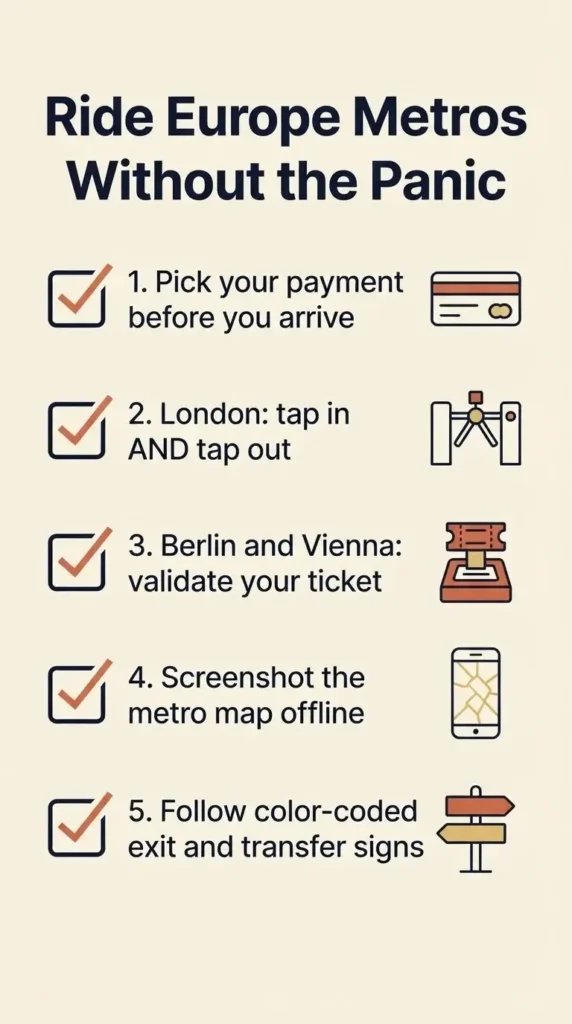
Everything I fumbled on my first trip comes down to a few habits. Decide your payment method before you arrive, contactless card in London, a pass in Vienna, Zurich, or Madrid, a stamped ticket in Berlin. Learn the one local rule that gets tourists fined: tap in and out in London, validate your ticket in Berlin and Vienna. Screenshot a metro map so you’re not reliant on signal underground. Follow the color-coded exit and transfer signs rather than trying to read every station name. And keep your ticket or pass on you until you’ve completely left the station.
That’s really it. Master those, and every city on this list becomes easy.
Is It Safe to Use Public Transport Alone, Especially at Night?
This is the question I get most from readers dreaming about a solo trip, and I understand the worry completely. From everything I’ve experienced across Europe and everything solo travelers consistently report, these major-city networks are among the safest ways to move around, often safer and better lit than walking. The usual sensible habits apply: keep your bag zipped and in front of you on crowded trains, stay aware in busy tourist stations where pickpockets work, and sit near other people or the driver on quiet late-night rides.
Cities like Vienna, Zurich, and Madrid feel especially calm after dark, and Berlin’s dedicated night network meant I never felt stranded. If a carriage ever feels off, move to another one at the next stop. That small bit of agency is exactly the kind of confidence solo travel builds in you, and before long you stop thinking about it at all.
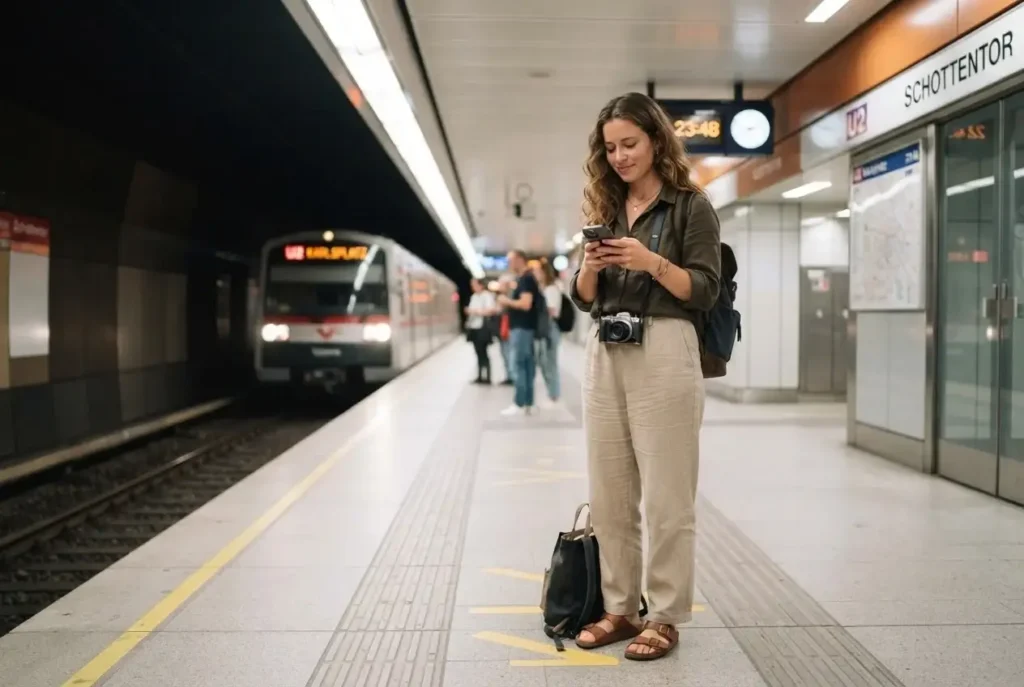
The bigger point is this. Learning to move through an unfamiliar city on your own, reading the signs, making the transfer, arriving where you meant to, is one of the quiet thrills of travel. It’s a tiny act of independence that stacks up into real confidence. You don’t need to wait until you feel ready. You get ready by doing it, one tap of the card at a time. Book the trip. The turnstile is not as scary as it looks, and the city on the other side is waiting.