Pinterest for Offbeat Travel: How to Plan Trips Off the Map

I want to tell you something that took me longer than it should have to figure out.
Pinterest is not just a mood board. It is one of the most underused trip-planning research tools on the internet. Most travelers scroll it for aesthetic inspiration, pin forty photos to a board called “Dream Trips,” and then never open that board again. The destination stays a dream. The trip never gets booked.
I was that person for a while. I collected pins the way some people collect postcards: never quite sure what to do with them, but unwilling to let them go.
What changed for me was learning to use Pinterest deliberately, as an actual research engine, and pairing it with the kind of on-the-ground, practical digging that turns a pretty photo into a real itinerary. When you do that, Pinterest becomes genuinely powerful, especially if you are trying to find places that are interesting, culturally rich, and not yet overrun by the tour bus crowd.
This guide is about exactly that: how to use Pinterest to find offbeat destinations, how to know which ones are worth pursuing, and what to actually do once you land. I have included four specific destinations that are rising on Pinterest right now, complete with the practical details you need to plan a real trip.
Why Pinterest Works Differently for Offbeat Travel
Most travel search tools are built around popularity. Type a city name into Google and the results overwhelmingly reflect what millions of other people have already clicked on. The mainstream rises, the niche sinks. Pinterest works on a fundamentally different logic. It is a visual discovery engine where ideas spread through personal boards, not algorithmic popularity contests, which means genuinely unusual places can gain traction among a smaller, more intentional community of travelers before they blow up everywhere else.
According to Pinterest’s own business research, the platform now drives over 1 billion travel-related searches and records 10 billion travel saves in a single year. More importantly, the audience skews toward people in the early, dreaming stages of trip planning, before they have made up their minds. That is exactly when an offbeat suggestion can land and stick.
Pinterest also publishes an annual trend forecast called Pinterest Predicts, which analyzes rising search behavior to identify what people will be searching for before the trend peaks. For travelers, this is genuinely useful data. If a destination appears in Pinterest Predicts, it means interest is growing fast but the crowds have not yet caught up. You have a window.
The 2026 Pinterest Predicts report names two major travel trends worth knowing. The first is “Mystic Outlands,” describing a surge in interest toward whimsical, atmospheric, and mystical destinations. Searches for “Faroe Islands aesthetic” are up 95%, and “Scotland Highlands aesthetic” is up 465% year on year. The second is “Darecations,” a push toward adrenaline-driven travel, river rafting, canyoneering, and adventure-first itineraries. Both trends point firmly away from the predictable and toward the genuinely unexpected.
That is the opportunity. Here is how to use it.
How to Actually Research Offbeat Destinations on Pinterest
The biggest mistake most people make is searching too broadly. Typing “travel” or “vacation ideas” into Pinterest will give you an ocean of generic content. To find offbeat places, you need to search with specificity and patience.
Start with search terms that are oriented around experiences rather than destinations. Try searches like “solo travel off the beaten path,” “slow travel Europe,” “underrated Asian cities,” “solo female travel Caucasus,” or “Central America beyond Costa Rica.” These kinds of searches pull up pins from real travelers who went somewhere less expected and felt strongly enough to write about it.
When a pin catches your attention, do not just save it and move on. Click through to the original article or blog post. That is where the real research begins. Look at the comments on Pinterest too, not just the pin itself. The comment threads on travel pins are genuinely useful because other travelers often add corrections, updates, and personal experiences that the original article missed.
Another powerful method is to follow boards, not just pins.
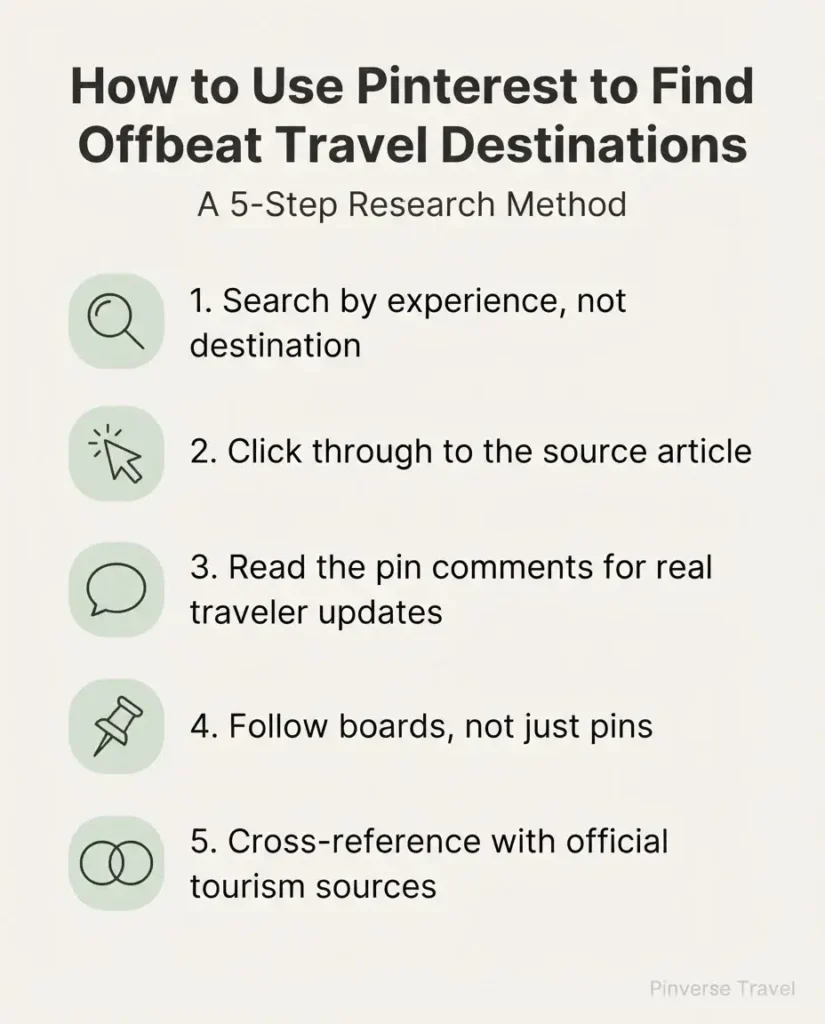
Search for travel boards built around a specific region or theme, like “Caucasus travel” or “Balkan solo trips.” Boards built by real travelers tend to be more curated and authentic than pins shared by tourism boards or content aggregators. When you find a board that resonates with your style, follow it. Let the algorithm do some of the discovery work for you over time.
The final step is the one most people skip: cross-referencing. Pinterest is a starting point, not a final answer. Once Pinterest sparks your curiosity about a destination, go to the official tourism website, check current entry requirements, look up recent traveler reports on forums like Reddit’s r/solotravel, and read a few long-form travel articles. Pinterest gives you the “why go.” The rest of your research gives you the “how.”
Four Offbeat Destinations Currently Rising on Pinterest (And What You Need to Know)
Georgia (the Country)
Not Georgia the US state. Georgia the small, staggeringly beautiful country nestled between the Greater Caucasus mountains, the Black Sea, and the borders of Russia, Turkey, Armenia, and Azerbaijan. Solo travelers who have spent time here consistently describe it as one of the most welcoming, affordable, and culturally rich countries in the world, and Pinterest has been quietly amplifying this for the past two years.
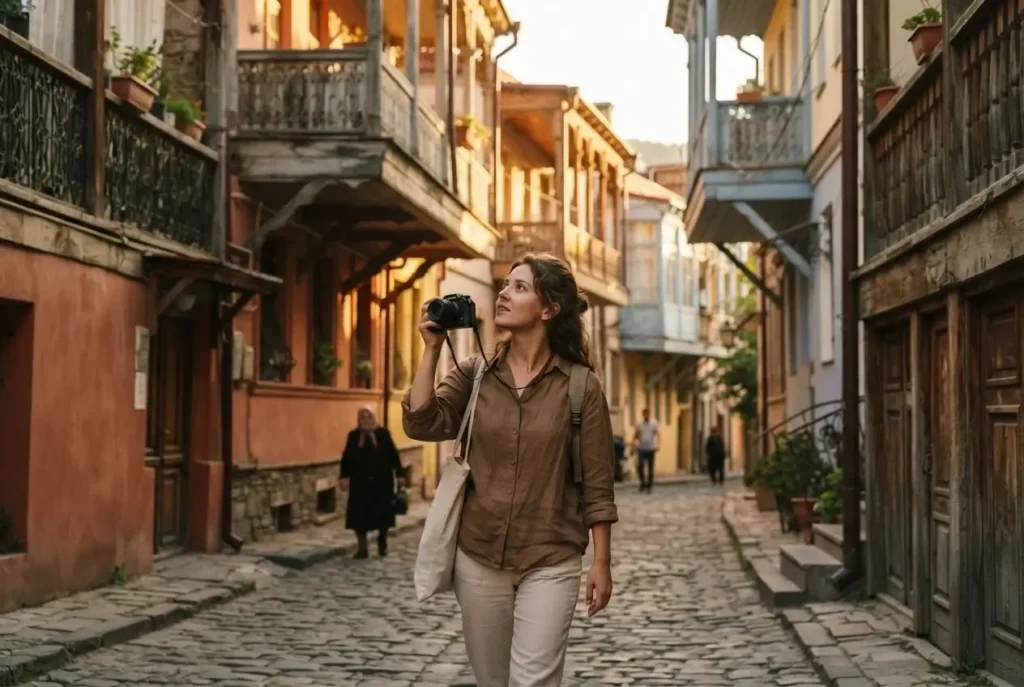
What draws people in on Pinterest is usually the imagery: the medieval monasteries perched on cliff edges, the crumbling Soviet streets of old Tbilisi giving way to colorful balconied houses, and the vast, high-altitude meadows of the Kazbegi region. But what keeps solo travelers raving is the food and the warmth. Georgian cuisine is extraordinary in its own right: khachapuri (cheese-stuffed bread), khinkali (soup dumplings), and the country’s ancient winemaking tradition, which dates back 8,000 years and uses clay vessels called qvevris buried in the earth.
From a logistics standpoint, Georgia is highly accessible. Citizens of most Western nations, including the US, UK, EU countries, and many others, can enter visa-free for stays of up to 365 days. Citizens of countries that require a visa can apply online through the Georgia official e-visa portal, which is straightforward and processes quickly. Tbilisi’s international airport receives direct flights from major European hubs, and internal transport is affordable and reliable.
Budget travelers will find Georgia remarkably easy on the wallet: meals at local restaurants often cost under five dollars, and guesthouses in both the city and the countryside are plentiful and inexpensive.
The key to really experiencing Georgia is leaving Tbilisi for at least two or three days. The drive to Kazbegi, a small mountain village about 150 kilometers north of Tbilisi, passes through dramatic Caucasus scenery and takes roughly three hours by shared minibus (called a marshrutka). The Gergeti Trinity Church, sitting at 2,170 meters above sea level against the backdrop of Mount Kazbek, is one of the most photographed and genuinely awe-inspiring sights in the entire region. Go in summer or early autumn for the best weather and clear mountain views.
The Faroe Islands
This one I want to be honest with you about. The Faroe Islands have been slowly climbing travel consciousness for years, and the 95% spike in Pinterest searches for “Faroe Islands aesthetic” in 2026 suggests the awareness curve is steepening. But the place itself is still extraordinary and, by most travel standards, genuinely far from the mainstream tourist route.
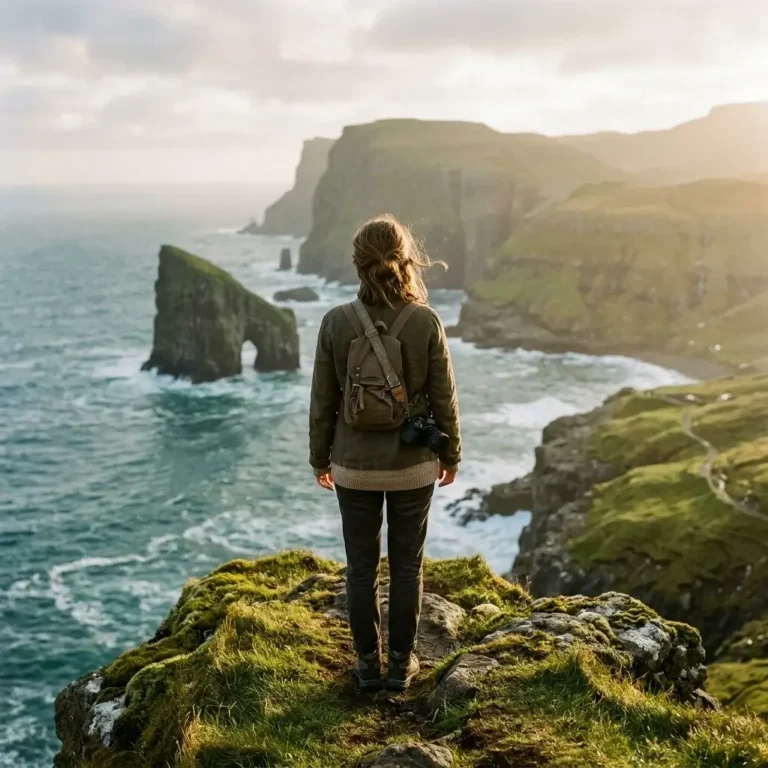
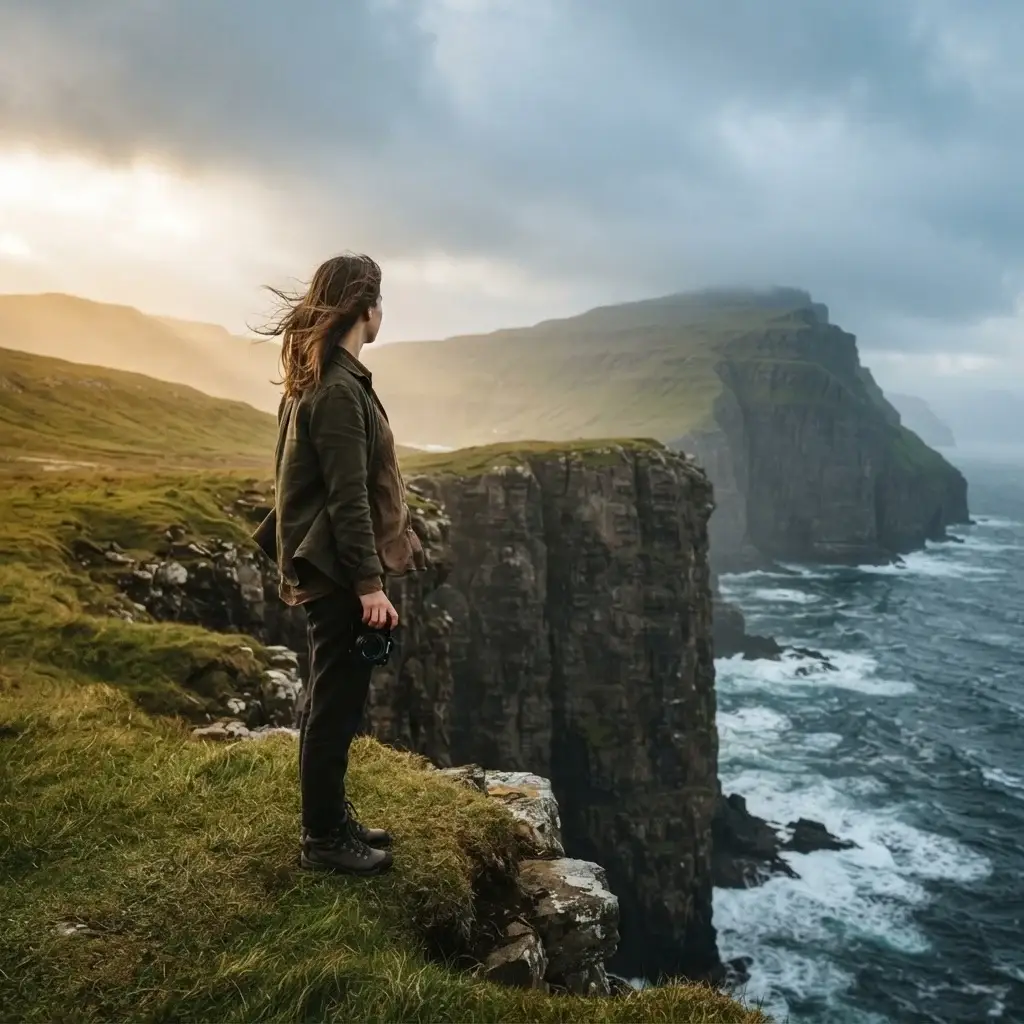
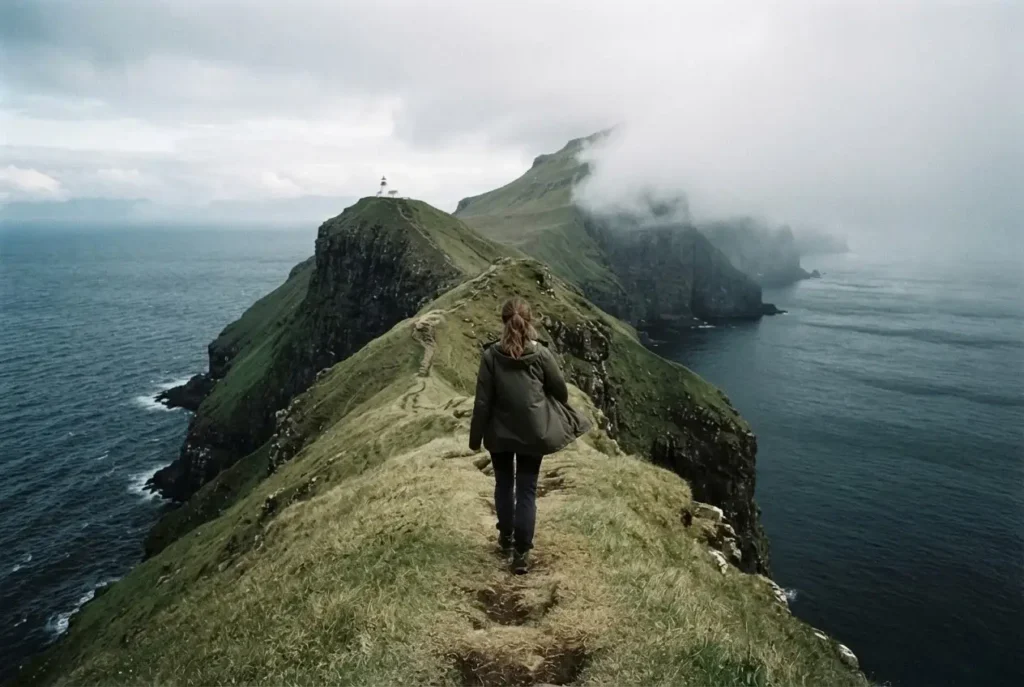
The Faroe Islands are an autonomous territory of Denmark sitting in the North Atlantic, roughly halfway between Norway and Iceland. Eighteen islands, about 50,000 people, and some of the most dramatically beautiful landscapes on earth. Think sheer sea cliffs dropping hundreds of meters into churning Atlantic water, grass-roofed houses painted in primary colors, waterfalls falling directly off clifftops into the ocean, and sheep outnumbering people roughly two to one.
Solo travel here is safe, well-organized, and surprisingly straightforward. Most nationalities can enter without a visa. The islands use the Faroese króna and Danish krone interchangeably, and English is widely spoken. Getting around requires some planning since the public bus network covers most areas but schedules are infrequent. Renting a car for at least part of your stay gives you the freedom to reach the more remote villages and hiking trails.
It is worth knowing that the Faroe Islands takes sustainable tourism seriously. As of February 2026, a small sustainability fee applies: visitors aged 16 and over staying in paid accommodation pay DKK 20 per night, capped at a maximum of DKK 200 per stay. Per the Visit Faroe Islands official sustainability page, this fee goes directly toward trail maintenance, landscape protection, and supporting local communities. It is a modest contribution for what the islands give back in return.
The main islands to prioritize are Streymoy (where the capital Torshavn is located), Eysturoy, and Vagar. The village of Saksun on Streymoy, with its dramatic tidal lagoon and turf-roofed church, is one of the most photographed spots on the islands and worth the winding drive. The hike to Kallur Lighthouse on the northern tip of Kalsoy Island is one of the most talked-about walks in the entire North Atlantic. Weather changes fast and dramatically here; layers are non-negotiable.
Ljubljana, Slovenia
Ljubljana is Europe’s best argument for the idea that a capital city can be genuinely livable, visually beautiful, and almost entirely free of the crushing tourist masses that have made cities like Amsterdam or Barcelona feel exhausting. If you have been following solo travel boards on Pinterest lately, you will have noticed Ljubljana appearing more and more, often alongside Lake Bled day trip content, but the city itself deserves far more than a stopover.
The historic center is compact and walkable, with a pedestrianized riverside zone lined with open-air cafes, a castle visible from almost everywhere,
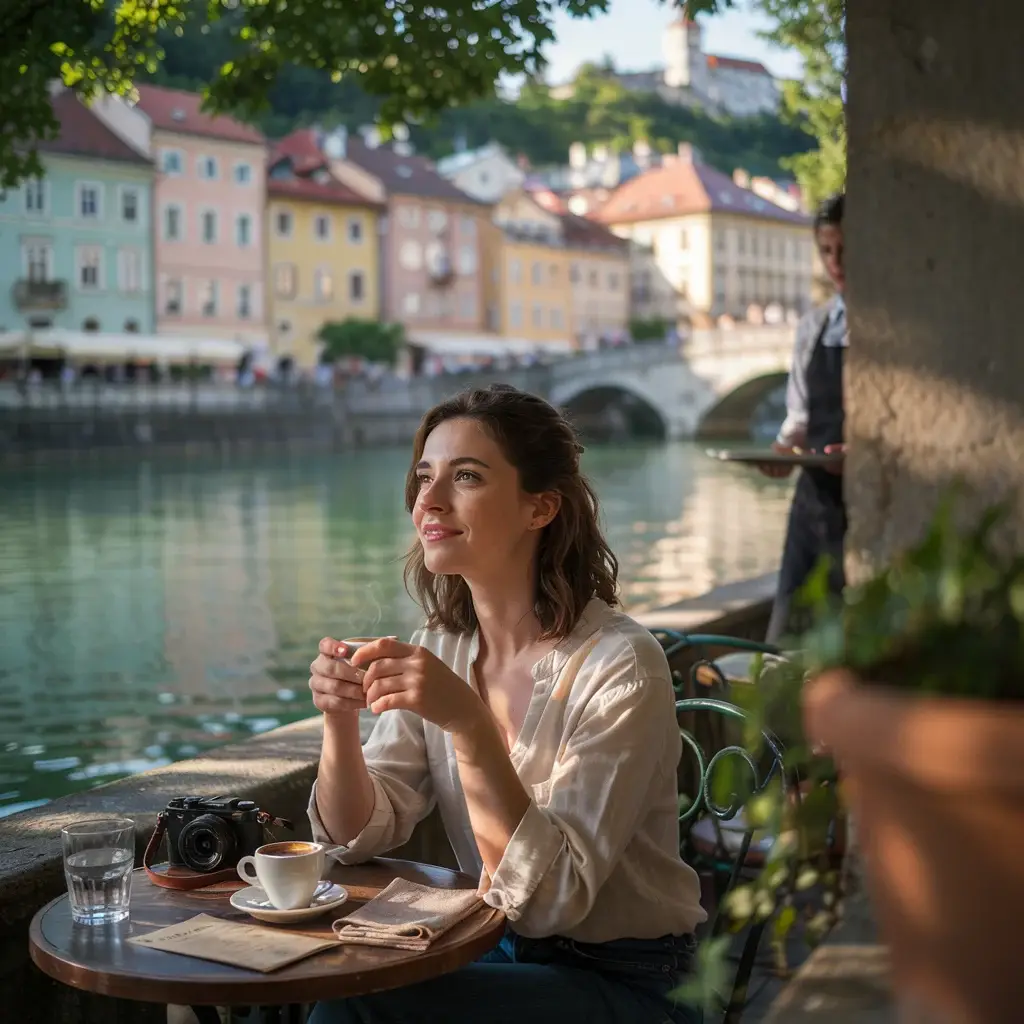
and an extraordinary covered market along the Ljubljanica River. Slovenia as a whole has built a strong reputation for sustainable, thoughtful tourism, and the official Slovenia tourism site reflects a destination that is proud of its natural spaces, its food culture, and its accessibility for independent travelers.
From Ljubljana you can reach Lake Bled in about 45 minutes by bus, Postojna Cave in around an hour, and the Soča Valley, one of the most beautiful river valleys in Europe, in a couple of hours. If you are building a solo Balkans or Central European itinerary, Ljubljana works beautifully as a multi-day base rather than a one-night stop, and the Visit Ljubljana tourism board maintains an excellent, well-organized travel planning resource for getting around the city and surrounding region.
What to eat: the open-air central market on Pogacarjev Square is the ideal place to start any morning. Grab a burek (pastry stuffed with cheese or meat) from one of the bakeries near the market, then follow the market stalls toward the river. Local cheeses and honey from the Carniolan region are exceptional. In the evening, the Metelkova neighborhood, a former military barracks turned creative and nightlife district, offers a very different side of Ljubljana that most day-trippers never see.
Oaxaca, Mexico
Oaxaca has been called one of the most culturally rich states in all of Mexico, and that reputation holds up. It sits in southern Mexico, surrounded by mountains, and its capital Oaxaca City is a compact, walkable colonial city with an extraordinary food scene, a deep indigenous Zapotec and Mixtec heritage, and an arts and crafts tradition that is genuinely world-class. The city’s historic center and the nearby Monte Alban archaeological site are jointly recognized as UNESCO World Heritage Sites, a designation that reflects how significant this place is in human cultural history.
Solo travelers, including solo women, consistently rate Oaxaca highly for safety and ease of navigation, particularly within the centro, Jalatlaco, and Reforma neighborhoods. The advice that comes up most consistently from experienced travelers is to stick to reputable transportation options at night and avoid displaying expensive items visibly. Use official taxis or Uber for airport transfers and late-night travel.
The food alone is worth the flight. Oaxacan cuisine is one of the most distinctive in all of Mexico, built around ingredients like black beans, dried chilies, chapulines (toasted grasshoppers, genuinely delicious and not at all as alarming as they sound), and mole, the complex sauce that Oaxaca arguably does better than anywhere else. The Mercado Benito Juarez in the city center is an essential stop: wander the stalls, try the tasajo (air-dried beef), the tlayudas (large crispy tortillas loaded with beans and cheese), and the fresh fruit juices. For chocolate lovers, Oaxaca’s drinking chocolate, prepared with water and stirred with a molinillo, is the real version of something that has been badly imitated everywhere else.
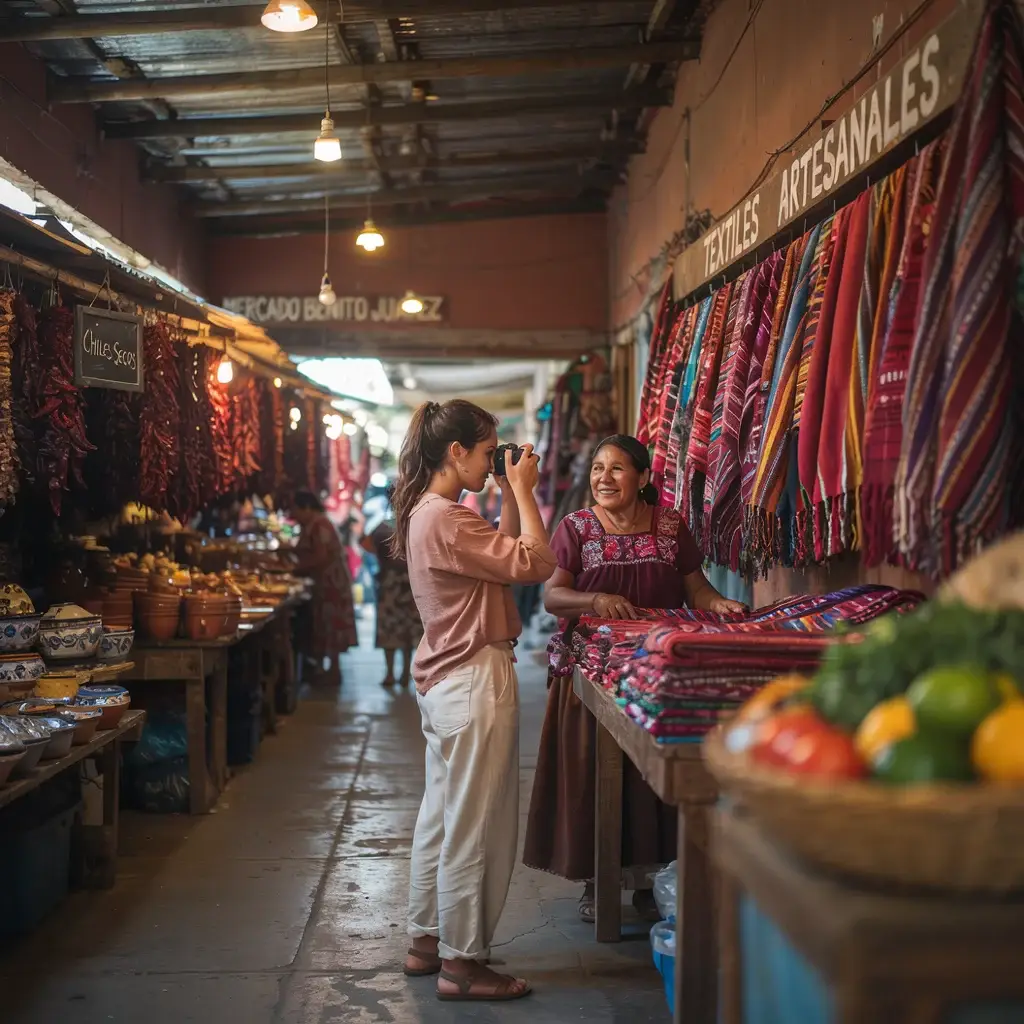
Day trips from Oaxaca City are excellent. Hierve el Agua, petrified mineral waterfall formations about an hour outside the city, is a Pinterest magnet for good reason: the rock formations genuinely look like flowing water frozen in stone, with mountain views in every direction. The village craft markets in Teotitlan del Valle (weavings) and San Bartolo Coyotepec (black clay pottery) give you direct access to living artisan traditions. Getting there is easy by colectivo, the shared minivans that run frequent routes from the city center for almost nothing.
Turning Pinterest Inspiration into a Real Trip
Here is where most people lose momentum. They have a growing board full of beautiful places and no clear next step. The gap between saving a pin and booking a flight can feel enormous, but it does not have to be.
The method that works for me starts with asking one question: is this a curiosity or a commitment? A curiosity is a place that catches your eye but does not create any urgency. A commitment is a destination that you find yourself coming back to, reading more about, and genuinely imagining yourself in. The commitment destinations deserve a board of their own, separate from the general inspiration folder.
Once you have committed to a destination, Pinterest’s role shifts.
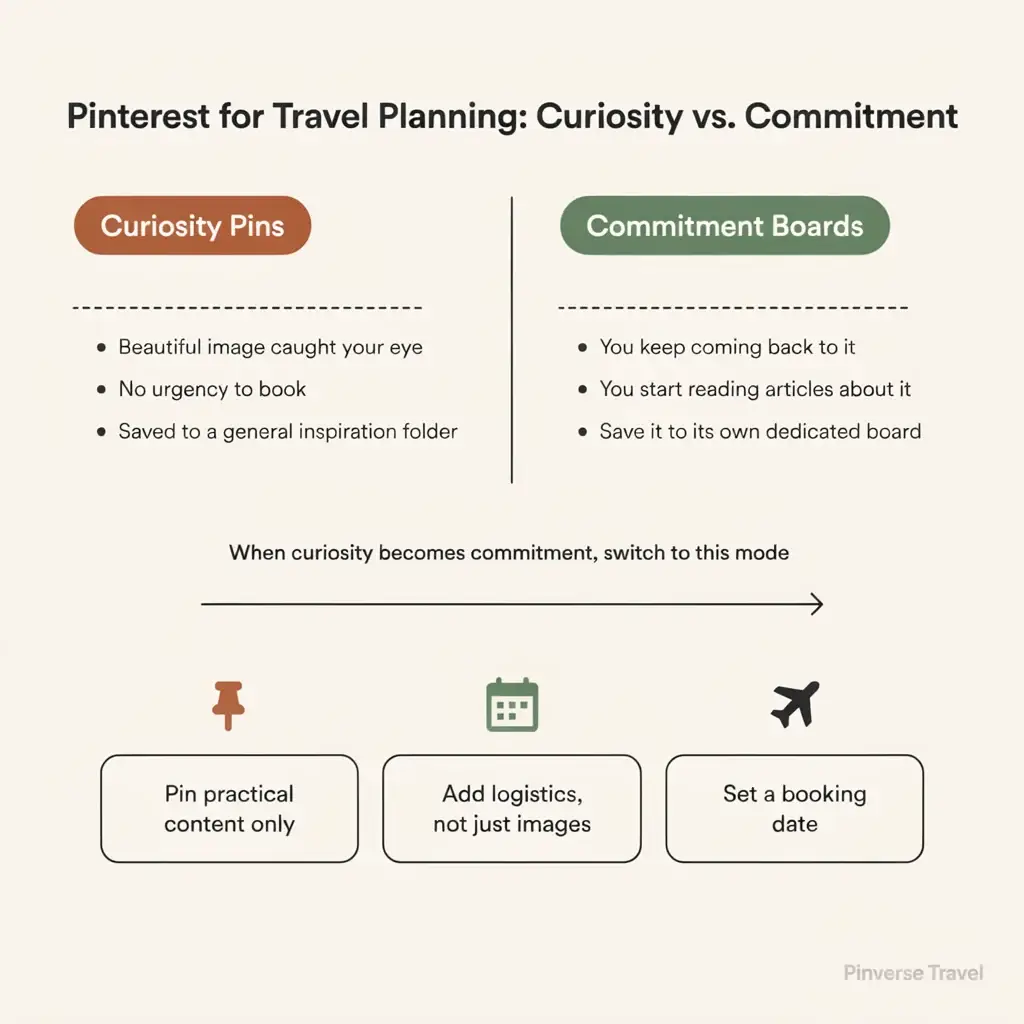
Stop pinning images and start pinning practical content: packing lists, local food guides, neighborhood breakdown articles, transit how-tos. This transforms your board from a mood board into a planning resource. The visual inspiration that first drew you in now sits alongside the functional information you need to actually go.
The last thing worth saying: the fact that a destination is rising on Pinterest does not mean it is already overrun. It means it is on the way. The travelers who arrive first, while the infrastructure is still for locals and the restaurants are still priced for locals, have the best experience. They also help shape how a destination develops. Spending your money at family-run guesthouses, hiring local guides, eating at neighborhood restaurants rather than tourist-facing ones, these choices matter more in a small or developing destination than almost anywhere else.
Offbeat travel is not just about finding places most people have not heard of. It is about showing up with the curiosity and respect to meet a place on its own terms. Pinterest, used well, can help you find those places. Everything after that is up to you.