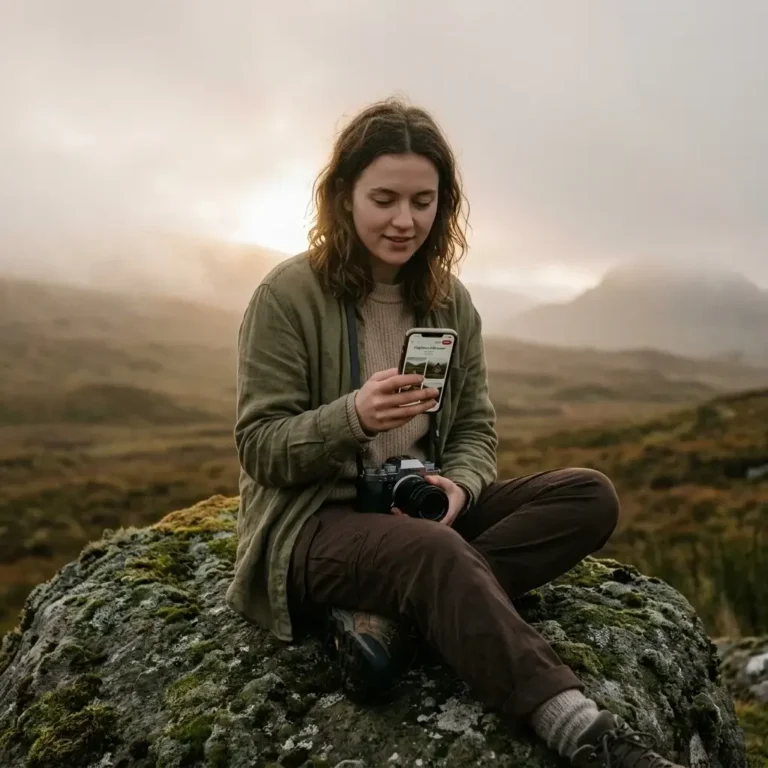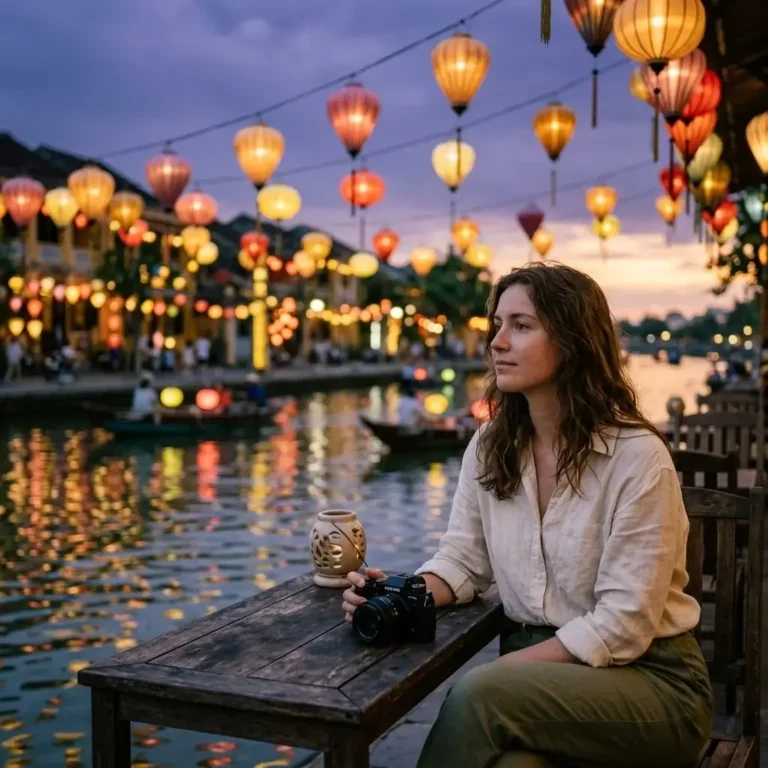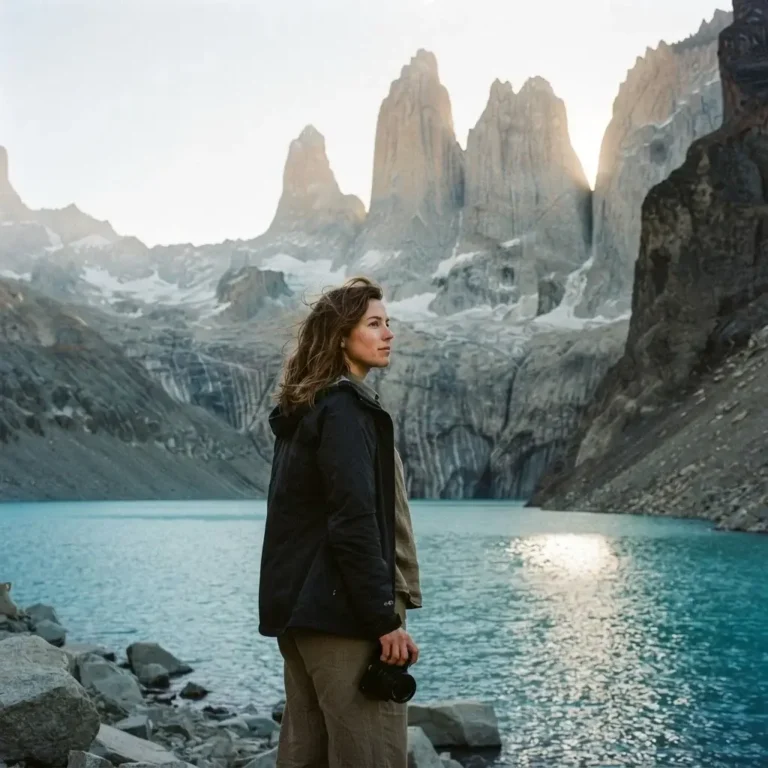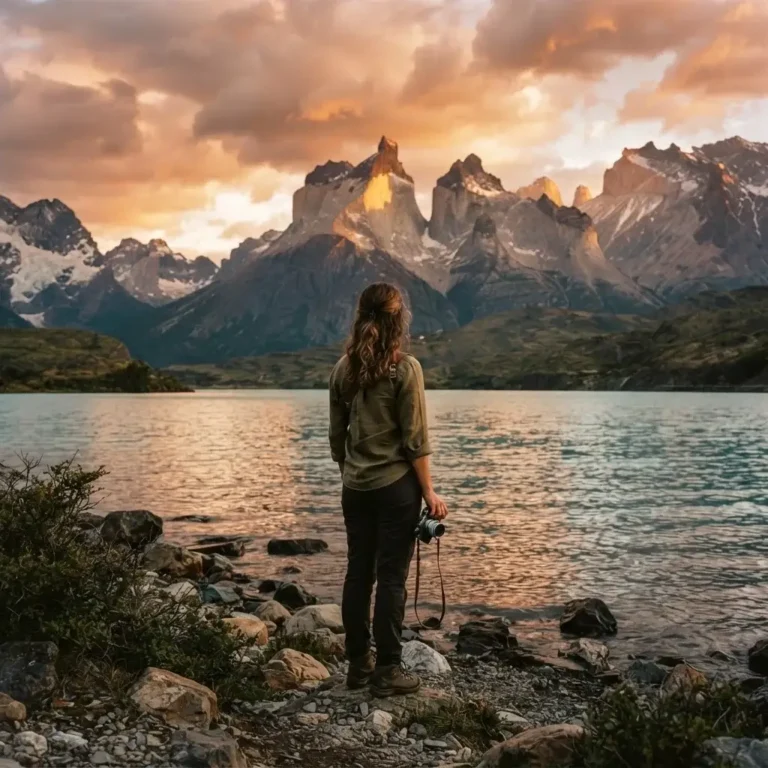
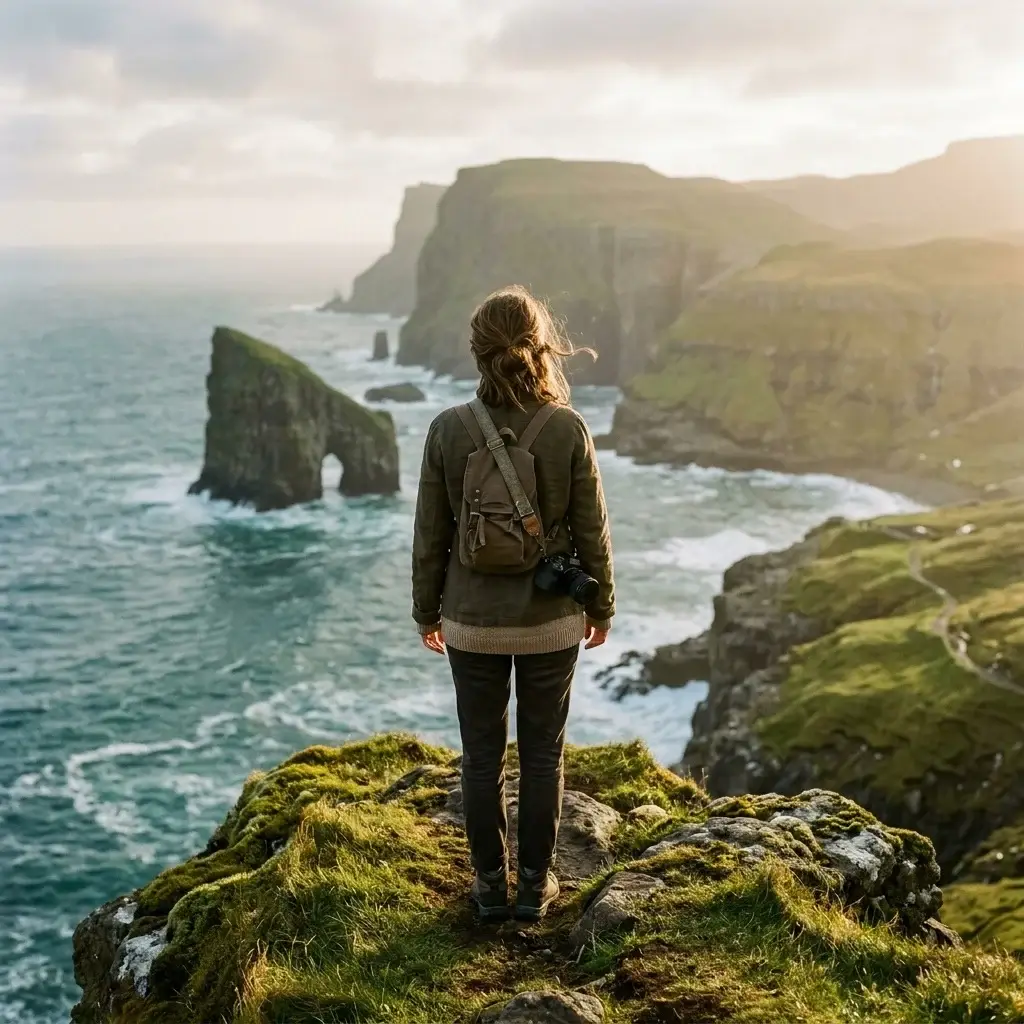
I have a confession. For a long time, I had a Pinterest board called “Places That Don’t Feel Real.” It had about 400 pins in it. Moss-covered cliffs dropping into the Atlantic. A lone tent perched on a ridge above the clouds. A village so remote the only road to it turns to gravel, then to mud, then to something you’d only call a “path” out of politeness.
I looked at that board constantly. I added to it almost weekly. And for longer than I want to admit, I did absolutely nothing about it.
This is the trap that nobody talks about when they write about Pinterest and travel. The platform is extraordinary for discovery and dream-building. But somewhere between the pin and the passport, most people stall. Life gets busy. The trip feels too complicated, too remote, too expensive, or too far outside what they’ve done before. The board grows. The trip stays a dream.
I want to change that for you today.
This guide is for anyone who has ever saved an off-the-grid travel pin and immediately thought “I wish” instead of “I will.” I’m going to walk you through exactly how to use Pinterest as a genuine planning tool for remote adventures, not just a mood board, while giving you specific destinations that actually deserve to be on that board, along with the real-world logistics to make them happen.
Why Off-the-Grid Travel Hits Differently
Before we get practical, let’s get honest about what draws people to this kind of travel in the first place.organization if you want a step-by-step walkthrough of the platform’s built-in tools.
Off-the-grid travel is not about being extreme. It is not about suffering or proving something. At its core, it is about stepping away from over-touristed places, disconnecting from the noise of modern life, and choosing experiences that are shaped by nature, local culture, and your own resourcefulness rather than hotel concierges and TripAdvisor star ratings.
When I was backpacking solo through Europe, some of my most vivid memories were not from the famous squares or the popular museums. They were from the detours. The village I wandered into because I took the wrong bus. The coastal path where I didn’t pass another person for three hours. That is what off-the-grid travel delivers even when you’re not in the most remote place on earth. You get presence. You get surprise. You get the version of yourself that exists when no one is watching and there’s no algorithm to perform for.
Lonely Planet’s editorial team has published a thoughtful list of the world’s best off-grid destinations that ranges from Lesotho in southern Africa to Shikoku in Japan to remote Nepal. What all of those places have in common is not dramatic geography (though they have that too). It’s that they reward the traveler who came prepared, who came curious, and who came willing to show up without a detailed script.
That is exactly the kind of traveler I want to help you become.
The Real Problem With Pinterest Travel Boards
Pinterest is genuinely wonderful for off-the-grid inspiration. No argument there. Searching terms like “remote hiking destinations,” “wild camping spots,” or “off-grid cabin stays” will flood your feed with images that make your chest ache a little. The problem is that Pinterest optimizes for the visual, not the practical.
A pin is almost never the full story. The dramatic photo of a lone hiker on a sea cliff might have been shot in a location that requires a permit, a 4WD vehicle, a specific weather window, and a local guide. Or it might be a 20-minute walk from a guesthouse. Pinterest cannot tell you which. That is your job.
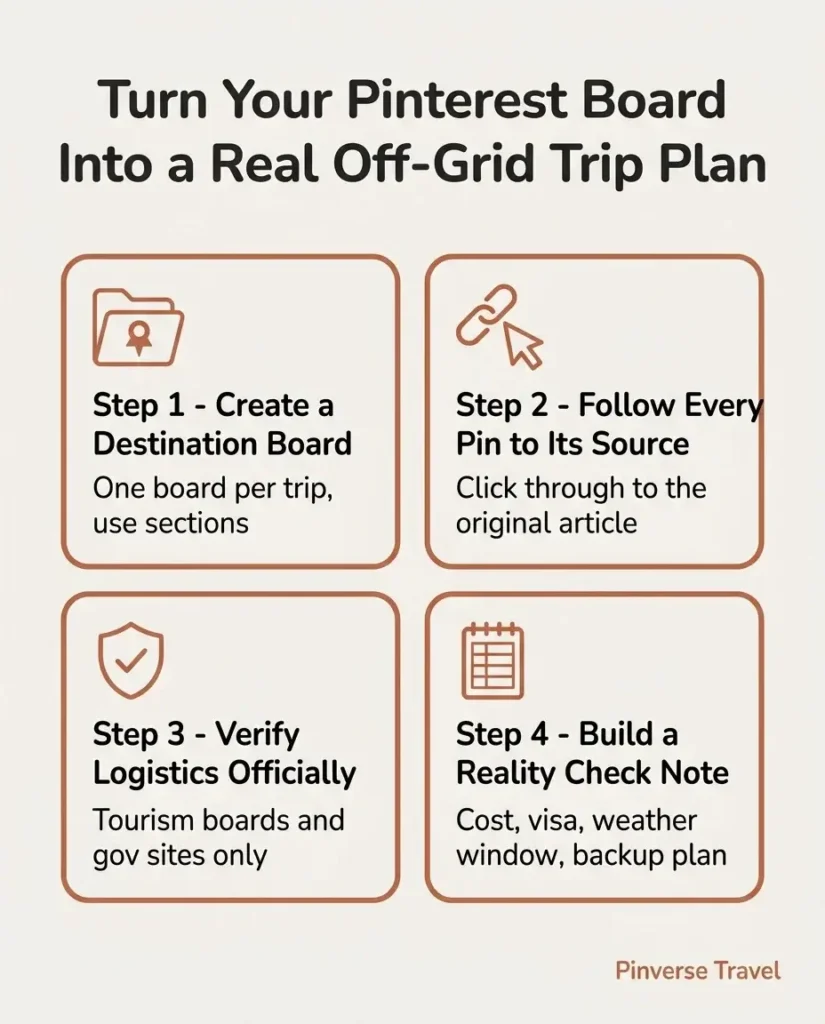
Here is how I recommend treating your Pinterest travel boards as an actual planning system rather than just a visual wishlist.
Step one: Create a destination-specific board, not just one big “travel” board. When you’ve identified a region that genuinely excites you, give it its own board. Use sections inside that board to separate logistics from inspiration. Label sections something like: Getting There, Places to Stay, What to Eat, Hikes and Routes, and Practical Notes. This forces you to move from dreaming to researching.
Step two: Follow each pin back to its original source. Click through every pin that genuinely excites you. The image might live on a travel blog, a tourism board, or a photography site. The actual article behind the pin often has the ground-level detail you need: trail conditions, distances, whether there’s mobile signal, what season the photo was taken in.
Step three: Verify any logistics pin with an official source. If a pin claims a ferry departs daily or a border crossing is straightforward, double-check it against the official tourism board or government travel advisory page. Travel conditions change and Pinterest content is often years old.
Step four: Build a parallel “reality check” note. I keep a simple running document alongside each board with columns for: estimated cost, best travel window, visa requirements, nearest hospital/emergency contact, and one backup plan. This turns Pinterest inspiration into something you can actually hand to yourself on planning day.
Holiday Extras has a practical overview of the Pinterest travel planning workflow that covers how to use sections, map features, and board organization if you want a step-by-step walkthrough of the platform’s built-in tools.
Five Off-the-Grid Destinations Worth Moving From Your Board to Your Itinerary
What follows are five places that solo travelers consistently describe as genuinely off-the-grid in feel, achievable without specialist skills or extreme budgets, and deeply rewarding for people who care about authentic experience over Instagram convenience. Where I haven’t been personally, I’m drawing on extensive research and community reports from solo travelers who have made these trips.
The Faroe Islands
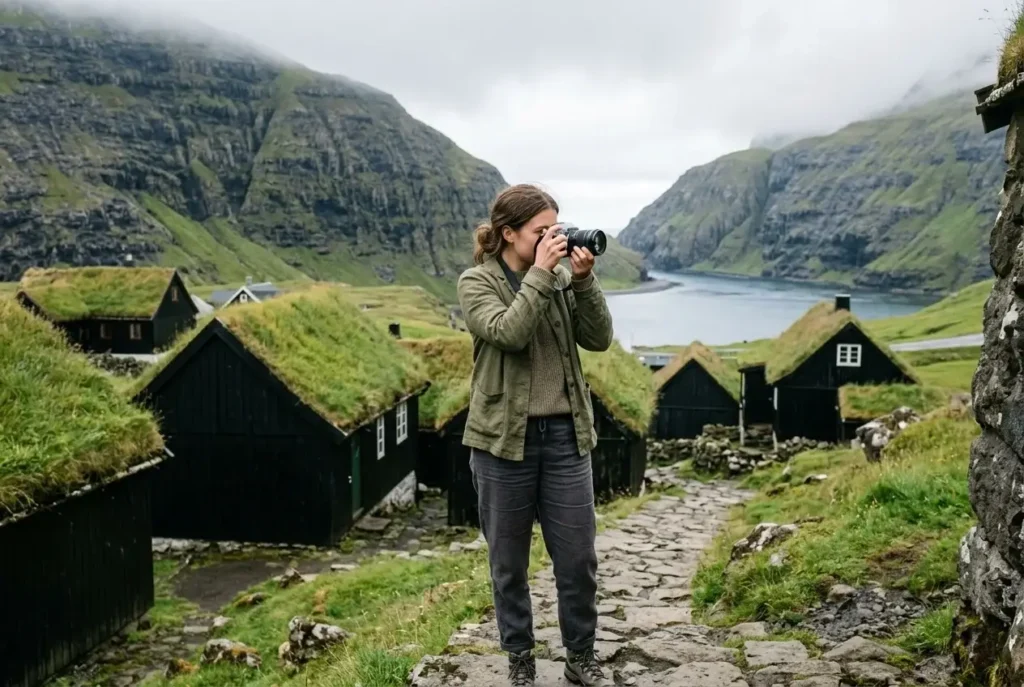
If there is one destination that appears more than any other on Pinterest boards tagged “off the grid,” it’s the Faroe Islands. And frankly, the photos earn it. This tiny archipelago sitting between Iceland and Norway is staggeringly beautiful: 18 volcanic islands, waterfalls that seem to fall sideways in the wind, villages where the rooftops are covered in grass, and hiking trails that traverse ridges so high you look down at clouds.
Here is the good news for first-timers: the Faroe Islands are more accessible than they look on Pinterest. From most European cities, you can fly directly to Vágar Airport on Atlantic Airways. The islands are compact enough to explore by rented car, and the infrastructure for independent travel is solid. From what solo travelers consistently report, people here are warm and helpful, English is widely spoken, and the hiking trail network is exceptionally well marked.
On entry requirements: the Faroe Islands are not part of the European Union or the Schengen Area, even though they belong to the Kingdom of Denmark. EU and Schengen country nationals can enter visa-free with a passport or national ID for short stays. Travelers from the US and other non-Schengen countries need a valid passport but generally do not require a visa for short tourist visits. Importantly, a standard Schengen visa does not allow entry, so if you need a visa, it must be specifically issued for the Faroe Islands through a Royal Danish Embassy. The official Faroe Islands passport and visa page has the most current details by nationality.
Budget roughly 150 to 250 USD per day including accommodation, food, and a rental car. The Faroe Islands are not cheap, but they are considerably less expensive than Iceland. The best window for hiking is June through August. Expect changeable weather regardless of season: waterproof layers are not optional.
Svalbard, Norway
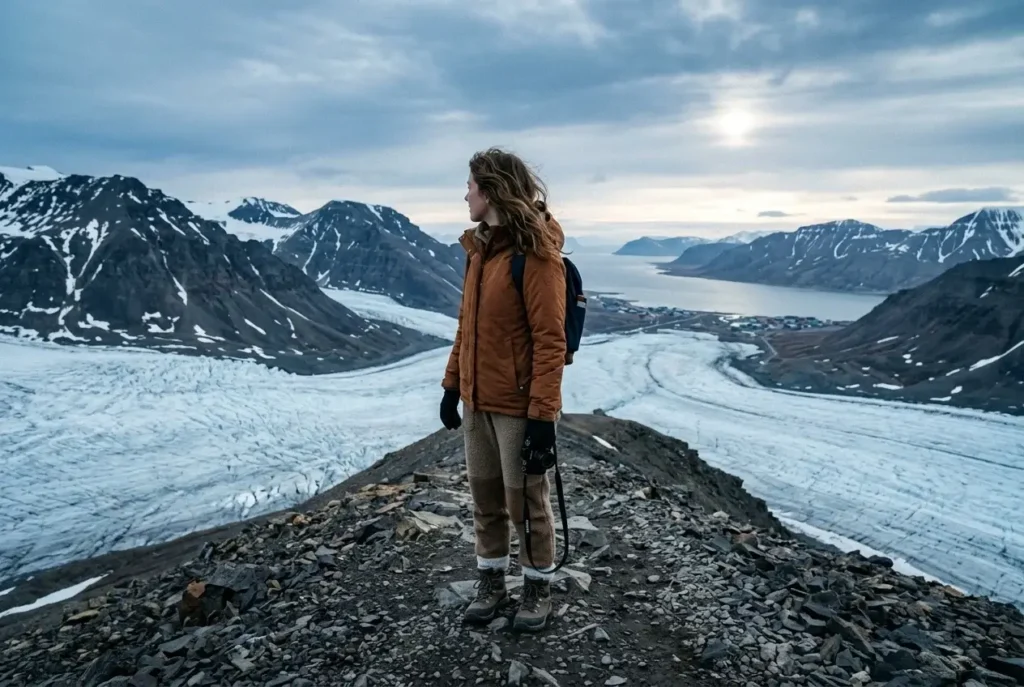
Svalbard is the kind of destination that sounds like it belongs in a geography textbook. It is a Norwegian archipelago in the High Arctic, located roughly halfway between mainland Norway and the North Pole. Polar bears outnumber people here. The only real settlement is Longyearbyen, a small town of around 2,500 people that somehow has decent restaurants and a surprisingly good museum about Arctic history.
Svalbard is one of the few places on earth where you genuinely need to think about large wildlife encounters before you leave town on foot. Outside of Longyearbyen, polar bear presence is real and guides who carry rifles are standard for wilderness excursions. This is not a place to casually improvise a solo hike into the backcountry. But it is absolutely a place where organized small-group expeditions (kayaking, snowmobiling, glacier hiking, Northern Lights tours) deliver a quality of experience that most people spend their whole lives dreaming about.
The visa situation at Svalbard is unusually simple. Under the 1920 Svalbard Treaty, almost all nationalities can visit Svalbard without a visa. A valid passport is required. What you do need is sufficient funds and travel insurance that covers emergency medical evacuation (a non-negotiable in the Arctic). The official Svalbard visitor information page is the most reliable source for practical pre-trip logistics.
The best time to visit depends on what you want. May through September offers hiking, boat trips, and the midnight sun. February through April is the window for dog sledding, snowmobile expeditions, and Northern Lights if you want the full Arctic winter experience. For a full picture of seasonal activities available, the Svalbard things to do page breaks it down clearly by activity type.
Kangaroo Island, South Australia
This one is personal, in the sense that I spent time in Australia and have a deep love for what that country offers the independent traveler. Kangaroo Island specifically is a destination I’ve researched closely and heard about consistently from travelers who say it changed how they think about wildlife encounters.
Sitting just 13 km off the South Australian coast, Kangaroo Island is home to wild koalas, kangaroos, sea lions, little penguins, and over 260 species of birds. It is not remote in the survivalist sense, but it is deeply off-grid in atmosphere. There is no mass tourism infrastructure here. No theme parks. No resort strips. What you get instead is raw coastline, eucalyptus forests, a thriving local food and wine scene, and animals who behave the way animals do when humans haven’t scared them into hiding.
Getting there is easy from Adelaide: a short domestic flight or a ferry crossing. The Kangaroo Island Tour Pass (around $95 AUD for adults) covers access to guided boardwalk experiences at Flinders Chase National Park and key wildlife viewing areas. Tourism Australia’s official Kangaroo Island guide has practical visitor details including what to expect across seasons.
The best time to visit is October through April, South Australia’s spring and summer. Rental car is the recommended way to explore; the island is large enough that trying to rely on limited public transport will frustrate you.
The Scottish Highlands
The Scottish Highlands are the definition of a Pinterest off-grid dream that is genuinely achievable on a modest budget. Few landscapes anywhere in the world match the combination of dramatic scale, historical depth, and practical ease of access you get here. You can drive from Inverness into true wilderness within 20 minutes. You can wild camp legally in Scotland under the Land Reform (Scotland) Act 2003, which gives you the right to camp on most unenclosed land responsibly. This makes Scotland remarkable among European destinations for independent adventurers who don’t want to pay for managed campsites every night.
What solo travelers consistently highlight about the Highlands is the quality of solitude. Not isolation in a frightening sense, but the kind of uninterrupted quiet that feels rarer and rarer in modern travel. The Northwest Highlands Geopark is a UNESCO-designated landscape of extraordinary geological significance. The Beinn Eighe National Nature Reserve, one of the UK’s oldest, is worth a slow afternoon. Small towns like Torridon, Kinlochewe, and Ullapool provide a warm pub, a basic shop, and friendly locals if you need to restock or just sit and exist for a while.
For travelers coming from outside the UK, entry is generally visa-free for stays under six months for most nationalities post-Brexit, though US and some other nationals should confirm current requirements with the UK government’s entry requirements tool before traveling.
Spiti Valley, Himachal Pradesh, India
Spiti Valley is a cold desert plateau in the Indian Himalayas, sitting at elevations between 3,800 and 4,500 meters. It is often described by travelers who’ve been there as one of the most otherworldly places on the planet: barren mountains painted in rust, gold, and grey, ancient Buddhist monasteries clinging to cliffsides, and villages so isolated that for years they could only be reached during a narrow summer window before the roads closed with snow.
Solo travelers who make the journey consistently describe it as difficult to reach but transformative once you’re there. The two main approaches are from Shimla (via a long mountain road journey) or from Manali when the Rohtang Pass is open, typically June through October. Altitude acclimatization is essential: Spiti is not a destination to rush. Give yourself at least two days at lower altitude before climbing. Inner Line Permits are required for some restricted areas near the Tibetan border and can be arranged in Kaza, the main town.
What you get in exchange for the effort: monastery visits where resident monks will offer you butter tea, market days in villages that feel centuries removed from urban India, and stargazing from high-altitude campsites that routinely appear on “best night skies on Earth” lists.
The Safety Layer Nobody Puts on Their Pinterest Board
Here is the part that the beautiful photos almost never show. Going off the grid means taking personal responsibility for your safety in a way that ordinary travel does not require. This is not a reason to stay home. It is a reason to prepare.
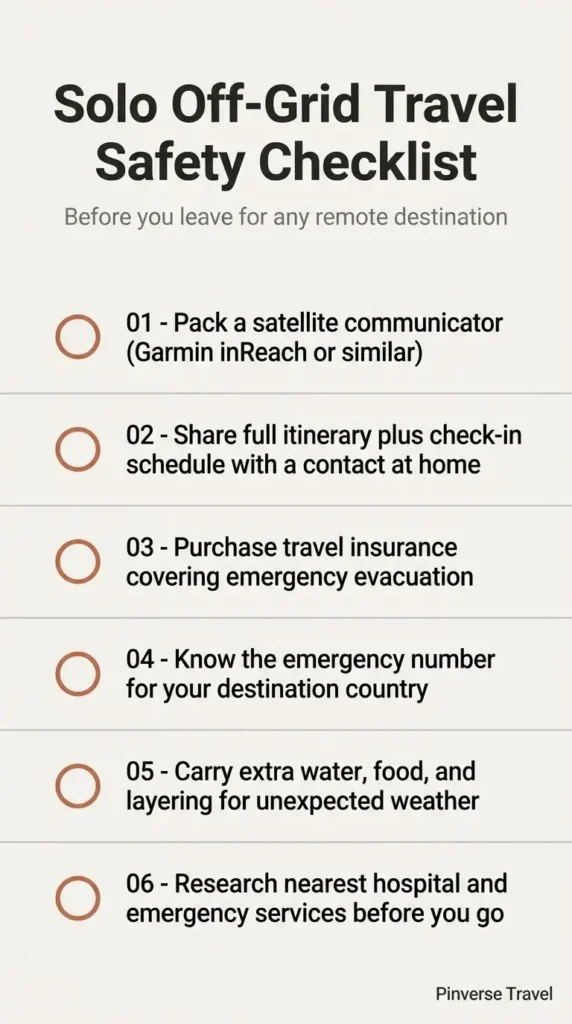
The single most important tool for serious off-grid and remote travel is a satellite communicator. A device like the Garmin inReach Mini 2 allows you to send and receive messages, share your location with a contact back home, and trigger an SOS signal that goes to a 24/7 emergency response coordination center from anywhere on the planet, regardless of cell service. This device costs roughly $350 USD plus a monthly subscription starting around $14.95 for a basic plan. If you are going to spend real money on anything for remote travel, let it be this.
Beyond the communicator, the principles are consistent across every remote destination. Share your full itinerary with someone at home before you leave, including expected check-in times. Purchase travel insurance that explicitly covers remote areas and emergency evacuation. (This is not standard on all policies, so read the fine print.) Know the emergency number for the country you’re in before you need it. Carry more water, food, and warmth than you think you’ll need. These aren’t dramatic survival skills. They are the basic discipline that separates a great trip from a dangerous one.
For packing the right gear, REI’s comprehensive backpacking checklist is a practical starting point that covers everything from sleeping systems to navigation tools to first-aid essentials in plain language.
From Dreamer to Planner: The Step That Changes Everything
I left a stable office job in New York because I kept looking at places I wanted to be and convincing myself the timing wasn’t right. The budget wasn’t right. My experience level wasn’t right. Sound familiar?
The truth I eventually learned is that no amount of Pinterest pinning will replace the act of booking something. Not a full itinerary. Just one thing. A flight. A ferry ticket. A first night’s accommodation. The moment you make the trip slightly real, your brain shifts from dreaming mode to planning mode, and the momentum tends to carry you the rest of the way.
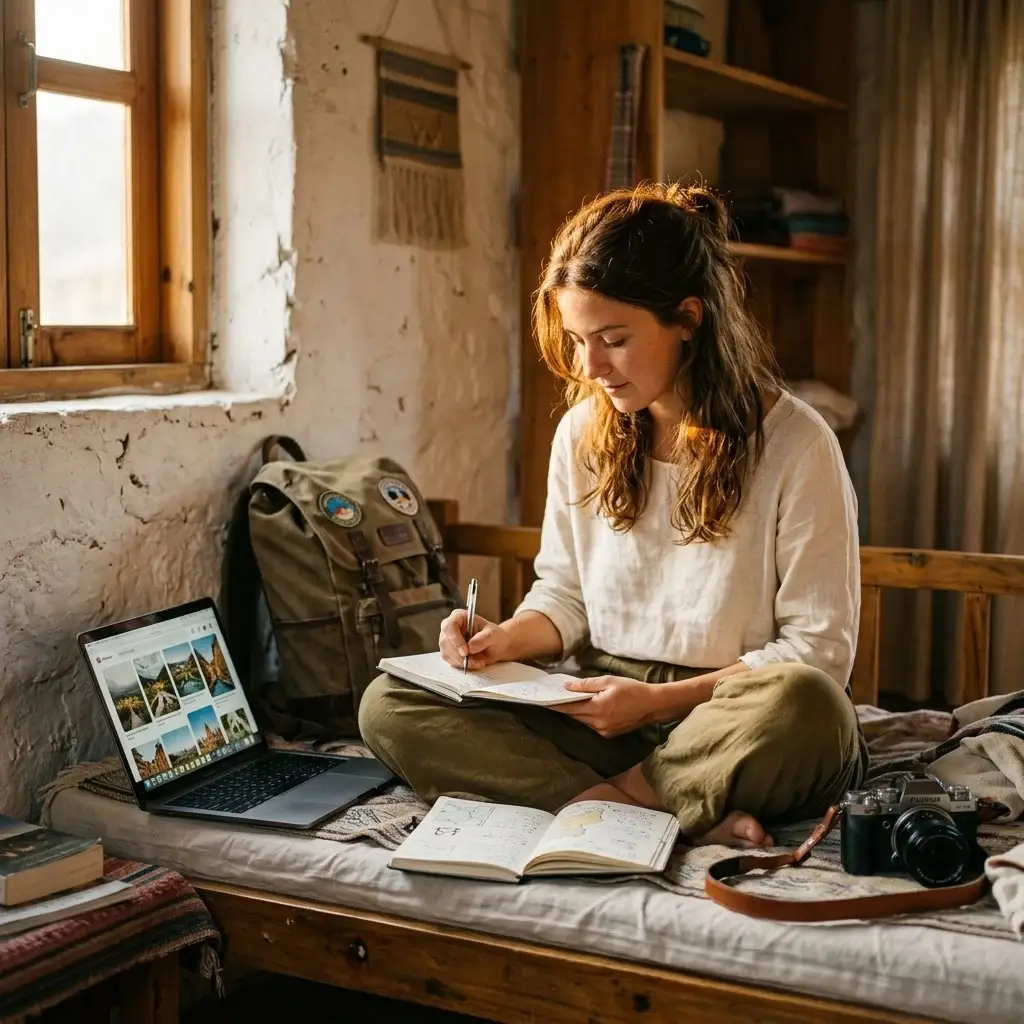
Off-the-grid travel is not reserved for professional adventurers or people who grew up camping. It is available to anyone who is willing to prepare thoughtfully, start modestly, and not wait for permission. The Faroe Islands have guesthouses with warm showers and home-cooked dinners. Svalbard has a grocery store and a coffee shop. Kangaroo Island has paved roads and a tourism office. These places are wild but they are not hostile.
Your Pinterest board has been telling you something for a while now. The only question is when you’ll start listening.
A Few Final Notes Before You Start Planning
The most persistent mistake I see first-time off-grid travelers make is treating the destination as a performance rather than an experience. The goal is not to have the best photos from Svalbard or the most dramatic story from Spiti. The goal is to show up somewhere genuinely different, pay attention, and let it change you a little. That tends to happen quietly, not dramatically. You notice it later, when you’re back home, sitting at a desk, thinking about how differently you’re capable of seeing the world.
Start with the destination on your board that excites you most and scares you only a little. Not a lot. A little. That’s the right calibration. Do the research, make the booking, and then go figure out the rest the way every good traveler eventually does: one day at a time, in the actual place.
Your off-the-grid adventure is not waiting for a perfect moment. It is waiting for you to stop waiting.