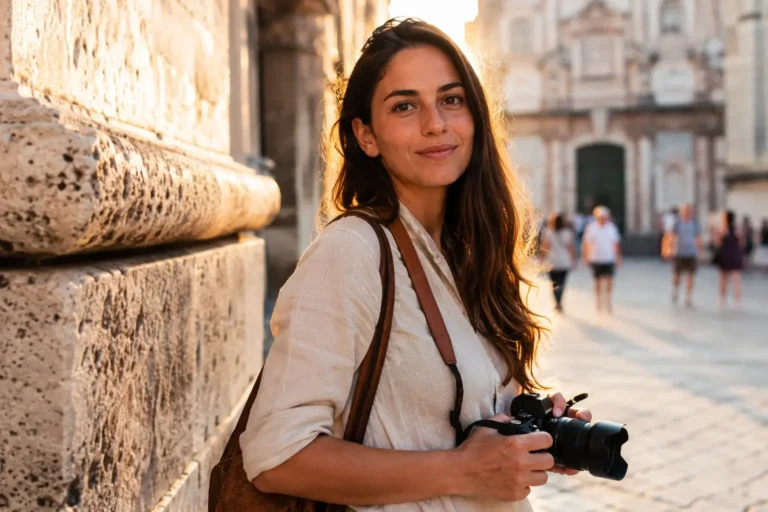
When I first started traveling, my suitcase looked like a tornado had hit it. I remember standing in a tiny hostel room in Budapest, dumping everything I owned onto a bunk bed just to find my passport. I was sweating, frustrated, and honestly? I felt like a failure. I had left my “stable” New York office job for this, and yet I couldn’t even manage my own belongings.
I didn’t know it then, but I was making the rookie mistake of viewing my luggage as a bottomless pit rather than a living system. Over the years, from teaching English in the quiet hills of Thailand to navigating the bustling markets of China, I realized that the secret to travel isn’t how much you pack, but how well you store what you bring.
If you feel overwhelmed by the thought of packing, or if you’ve ever had to pay an overweight luggage fee because you just threw items into a bag, you are in the right place. Let’s talk about the best travel-friendly storage solutions that have genuinely changed the way I move through the world.
Why Organization is Your Best Travel Companion
Travel is unpredictable. You will miss trains, you will face language barriers, and you will get lost in a new city at 2:00 AM. That is just part of the deal. But you should never feel lost inside your own bag. When I was working as a sightseeing guide back in New York, I saw tourists struggle with this every single day. They were so busy wrestling with their gear that they forgot to look up and appreciate the history around them.
The best travel-friendly storage solutions act as a structural foundation for your trip. When everything has a “home,” you don’t have to waste mental energy thinking about your stuff. You can focus your energy on what matters: cultural immersion, meeting new people, and learning about the world.
The Magic of Compression Packing Cubes
If you only buy one thing after reading this, make it high-quality compression packing cubes. These are, hands down, the MVP of my entire gear setup. Think of them as tiny, portable drawers for your suitcase.
I prefer compression cubes over standard ones because they have a second zipper that collapses the air out of your clothes. When I lived out of a backpack in Europe, these cubes allowed me to fit two weeks’ worth of clothes into a small carry-on.
How to use them like a pro:
- Categorize by function: I put all my tops in one, bottoms in another, and undergarments in a smaller, separate cube.
- The “Roll” Method: Don’t fold your clothes. Roll your shirts and pants tightly before placing them in the cube. This prevents wrinkles and maximizes every square inch of space.
- Dirty laundry: Always keep one empty, smaller cube to act as a laundry bag for worn clothes. This keeps the “used” smell away from your clean shirts.
Protective Tech Pouches and Cable Management
One of the biggest sources of travel stress is the “tangle of doom.” You know the one: your charging cables, power bank, and headphones all knotted together in the bottom of your bag.
I’ve learned that keeping tech organized isn’t just about convenience—it’s about protection. I use a dedicated tech organizer with elastic loops. This keeps my cables from fraying and ensures I always know where my adapter is.
Before you head out, I always suggest checking the US Department of State Travel website for the specific entry requirements and safety alerts of your destination, which helps me decide which tech (like laptops or external hard drives) is actually necessary to bring versus what should stay home. Having a dedicated storage spot for your passport, local SIM cards, and travel documents inside that same tech pouch is a game changer for keeping those high-stakes items safe.
Toiletry Systems: Beyond the Plastic Bag
For years, I just used a flimsy Ziploc bag for my soap and toothpaste. It leaked, it ripped, and it was a mess. Now, I use a hanging toiletry bag. The reason this works so well for solo travelers is that hostel bathrooms often have very little counter space. By hanging your bag on a hook or a door, you keep your items dry and accessible.
When traveling to regions where water quality or health safety might be a variable, I always cross-reference my packing list with the CDC Travelers’ Health portal to make sure I’m bringing the right medical and hygiene supplies. Being prepared with a well-organized toiletry kit means you can handle minor health issues quickly without needing to hunt down an unfamiliar pharmacy in the middle of the night.
Shoe Storage: Keeping Your Gear Clean
It sounds simple, but your shoes are the dirtiest things you own. Putting a pair of sneakers directly against your clean clothes is a recipe for disaster. I use lightweight, breathable nylon shoe bags. They are essentially little drawstring pouches that keep the grime off your outfits.
If you are hiking—which I did frequently while trekking through China—you really need a separate, durable bag for your trail shoes. I usually store these at the very bottom of my backpack to keep the weight centered.
If you are planning to visit any UNESCO World Heritage sites during your travels, you will likely be doing a lot of walking. Keeping your footwear organized and protected is key to ensuring you stay comfortable. There is nothing worse than arriving at a historic site, only to find your spare socks are covered in mud because they were packed too close to your hiking boots.
Security Storage: The “Hidden” Compartments
When you travel solo, security is always in the back of your mind. I don’t rely on a single wallet. I split my money and cards up. I keep a primary debit card in my main wallet, and a “backup” set of cash and a credit card stored in a travel-friendly storage solution that is inconspicuous—like a hidden belt or a pouch that attaches to the inside of my clothing.
When I was teaching English in Thailand, I learned that understanding local etiquette is just as important as physical security. I often look at the Tourism Authority of Thailand official guides to understand the cultural expectations of handling money and interacting with locals. Carrying only what you need for the day and keeping the rest of your stash in a secure, organized spot in your luggage back at your accommodation is a smart, low-stress way to travel.
How to Handle Bulky Items
What about jackets? Or those “just in case” sweaters? The best travel-friendly storage solutions for bulky items are vacuum-seal bags that don’t require a vacuum. You just push the air out by rolling them.
I only use these for things I won’t need until I reach my destination, like a thick coat for a winter trip. Because I live a lifestyle that involves switching between New York City and various tropical or temperate climates, I have to be modular. I keep my “heavy gear” in these bags, compressed down to the size of a thick book. This leaves me so much extra space for things I actually want to bring home, like local crafts or books.
My “Go-Bag” Philosophy
Regardless of where I am going, I keep a small, internal “go-bag” or a small packing cube with the essentials. This includes:
- A change of underwear
- A basic first-aid kit
- A universal power adapter
- A copy of my passport and insurance info
I keep this at the very top of my luggage. If my flight is delayed, or if I have to sleep in an airport, or if my hostel hasn’t finished cleaning my room yet, I have everything I need to be comfortable for 24 hours without unpacking my entire bag. It’s a small, practical detail that saves me from total panic when things go wrong.
Safety and Insurance Considerations
Part of being organized is also having your documentation in order. I treat my digital documents just like my physical ones. I store them in an encrypted folder on a USB drive that lives in the same tech pouch I mentioned earlier.
When you are out exploring, you want to be covered for the unexpected. I always suggest looking into the safety and medical coverage offered by World Nomads Travel Insurance before you leave home. Knowing that you have resources to fall back on if something goes wrong is a huge part of being a confident solo traveler. When you have your insurance documents stored in the same place as your passport, you never have to scramble during an emergency.
Navigation and Local Logistics
Once you arrive, your storage needs change. You aren’t just managing what’s in your suitcase anymore; you’re managing what’s in your daypack.
In many cities, I rely heavily on local ride-sharing apps to move between transport hubs and my accommodation. I often consult the Grab official app information pages to see how the service works in various Southeast Asian countries. It is much easier to manage your luggage when you know exactly how you are getting to your hostel. Instead of dragging a suitcase over uneven pavement for six blocks, I can hop into a car, keep my bags organized by my feet, and get straight to my room.
The Mental Shift: From “Possession” to “Freedom”
If you take one thing away from this, let it be this: Your gear should serve you, not the other way around. I spent too many years worrying about my stuff. I worried about it getting stolen, I worried about it getting dirty, and I worried about it being disorganized.
The best travel-friendly storage solutions are designed to make your gear disappear from your mind. You pack them, you zip them, you put them in your bag, and then you forget about them.
When you get to a new destination, whether it is a small village in Ghana or a busy street in New York, you shouldn’t be thinking about your suitcase. You should be thinking about the local food you want to try, the people you want to meet, and the experiences you want to have.
A Note on Practicality Over Perfection
Don’t go out and buy the most expensive gear on the market. That’s not what Pinverse Travel is about. You don’t need a designer luggage set to be a world traveler. You need systems that work for you.
Try using what you have first. Maybe you have old mesh pouches from an old computer purchase. Maybe you have small cloth bags from shoes you bought years ago. These can be the best travel-friendly storage solutions for you right now. Test them on a weekend trip to a nearby town. See how they feel. If they make your life easier, keep using them. If they get in the way, get rid of them.
Embracing the Journey, Mess and All
Even with all my systems, my bag still gets messy. Sometimes, I’m in a hurry to catch a bus and I just shove everything into my suitcase. That’s okay. Travel isn’t about being perfect. It is about the growth that comes from the chaos.
The goal of organizing your luggage isn’t to create a rigid, military-style trip. It is to create a soft landing place for yourself. It is about knowing that when you are tired, hungry, and far from home, you can reach into your bag and find exactly what you need. That is the kind of confidence that makes solo travel so addictive.
So, start small. Grab a few packing cubes. Find a dedicated spot for your tech. Keep your shoes separate. Watch how much lighter your spirit feels when your bag is light, organized, and truly travel-friendly. You are capable of this, and the world is waiting for you to go explore it.