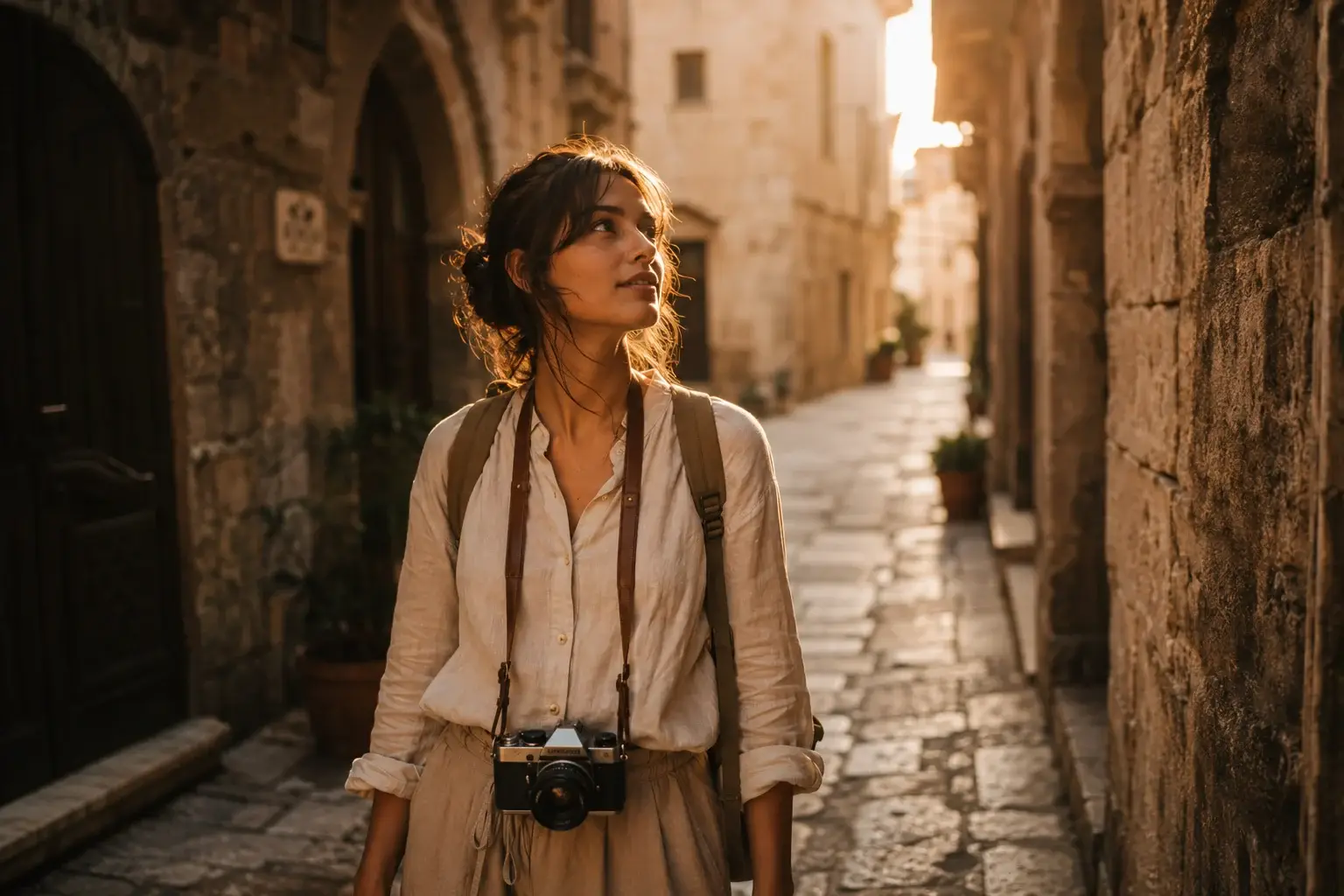
When I think back to my first big trip after leaving my desk job in New York, I remember standing in my bedroom, staring at a massive, heavy suitcase that felt like it held the weight of my entire life. I was terrified of being unprepared. I packed two pairs of heels, three heavy sweaters I didn’t need, and a collection of “just in case” items that occupied precious space in my bag—and my mind.
That trip was a learning experience. I spent half my time dragging that beast over cobblestone streets in Europe and the other half worrying about whether I’d left something important behind. I was physically weighed down, and it made me move differently. I was less likely to walk a few extra blocks to find a quiet cafe, and more likely to stick to the taxi queue.
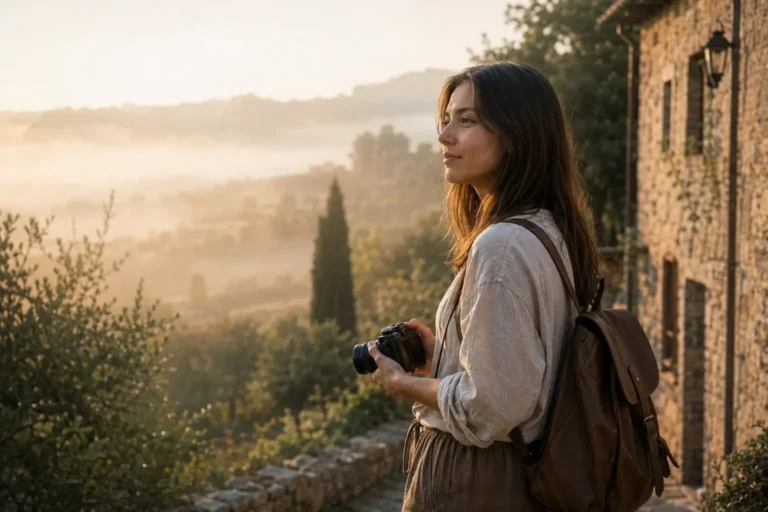
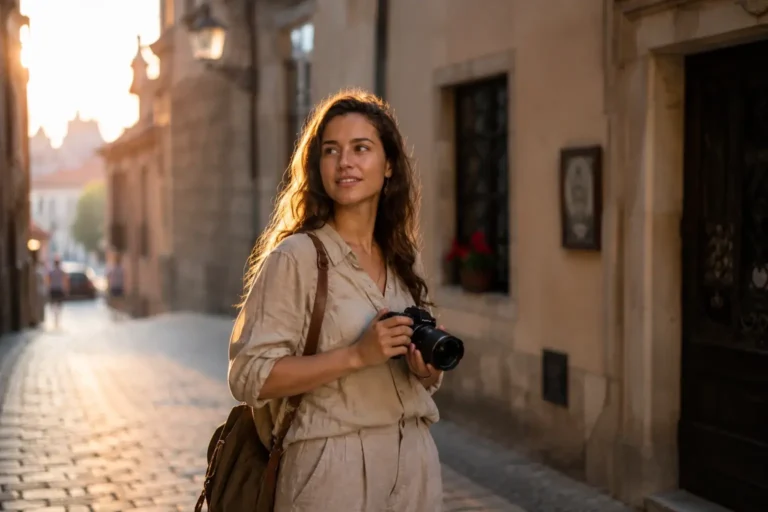
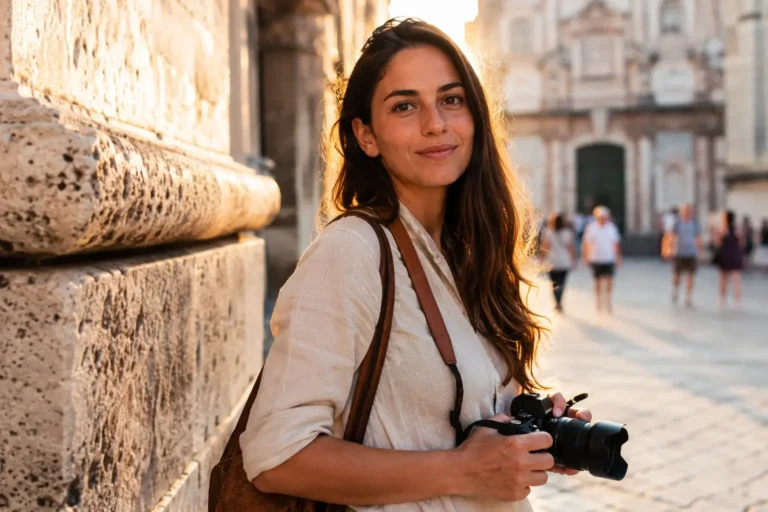
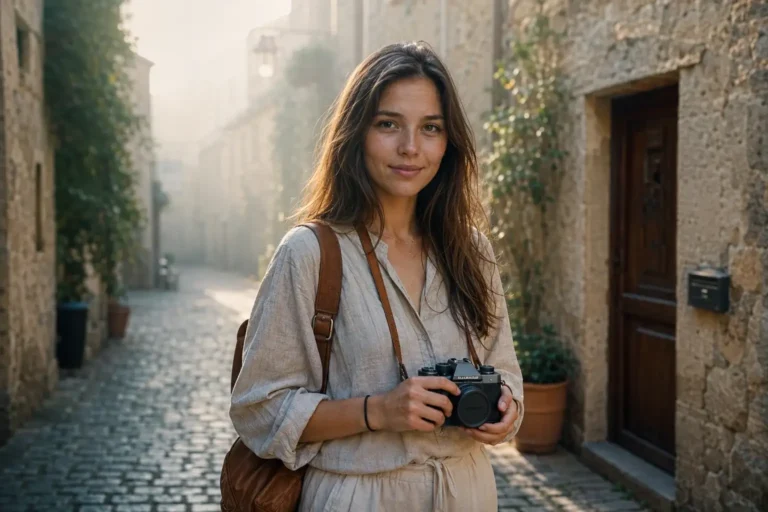
Since then, I’ve refined my approach. I’ve learned that the secret to a richer, more meaningful adventure isn’t about what you take with you, but about the space you leave for the world to fill. These minimalist travel packing tips changed how I interact with the places I visit. By narrowing my gear down to the essentials, I stopped being a “tourist with a suitcase” and started being a traveler who could actually engage with the world.
The Mindset Shift: Why Less Is Always More
Minimalism in travel isn’t about deprivation. It isn’t about wearing the same shirt for three weeks until it starts to complain. It is about clearing the clutter so you can focus on the reason you left home in the first place: discovery. When you travel light, you become more mobile. You can hop on a local bus without a second thought. You can navigate a busy train station in Bangkok or a winding alleyway in Rome without the anxiety of maneuvering a giant bag.
When I lived in Thailand teaching English, I saw a huge difference between travelers who arrived with massive gear and those who showed up with a single backpack. The latter were the ones who found the best street food stalls and the hidden temples that don’t appear in the flashy magazines. They were unburdened. They were ready to say “yes” to an invitation, a detour, or a sudden change in plans.
The first step in your own shift is realizing that most of the things we pack are just comfort blankets. We pack them to soothe our fear of the unknown. But the unknown is where the growth happens. If you find yourself overthinking your gear, remember that almost everything you need—soap, water, socks—can be found almost anywhere on the planet.
Master the “Core Essentials” Strategy
To pack like a minimalist, you have to be honest about your daily rhythm. I use the “three-day rule.” I pack enough clothes for three days, and I commit to doing a quick wash along the way. Whether I am washing a shirt in a bathroom sink in Ghana or using a local laundry service in a small town, it takes very little time.
Focus on versatile pieces. I love merino wool because it doesn’t hold odors and it regulates temperature perfectly, whether I am in the humid climate of Southeast Asia or the brisk air of a New York autumn. If you are preparing for your next adventure, it is always a smart idea to look at the official entry requirements and safety alerts for your destination provided by the US Department of State Travel to ensure you aren’t packing unnecessary items for restricted areas or specific entry regulations.
Footwear: The One Area You Cannot Skimp On
If you want to have deeper experiences, you have to be willing to walk. When I was a sightseeing guide in New York, I saw thousands of people ruin their day—and sometimes their trip—because they chose style over substance for their feet.
You need one pair of shoes that can do it all. They should be broken in, comfortable enough to walk five miles in, and decent enough to wear to a nice dinner. I usually stick with a pair of sturdy, neutral-colored sneakers. You don’t need a pair of hiking boots for city travel, and you don’t need flip-flops for cold climates. Be honest about your itinerary. If you are going to be in an urban environment, keep it simple.
Digital Minimalism and Electronics
I used to travel with a laptop, an iPad, a camera, and a Kindle. Now, I try to consolidate. A smartphone is often enough to document your trip, navigate your way, and even write your notes. If you are worried about health safety while navigating a new country, you can easily review the latest health advisories and vaccine guidance from the CDC Travelers’ Health before you depart, which can help you decide if you need to pack a specific medical kit or if you can rely on local pharmacies.
Remember that electronics add weight and they add worry. The more expensive gear you bring, the more you have to guard it. Travel is more enjoyable when you aren’t constantly checking your bag to make sure your laptop is still there.
Cultural Immersion Starts with Your Bag
There is a direct correlation between how much you carry and how much you learn. When you carry less, you move through public transit with the locals. You aren’t taking up two seats with your luggage. You are just another person on the bus, looking out the window, listening to the hum of the city.
When I was traveling through China, I realized that the best way to understand a culture is to participate in its daily flow. That means using the same transportation systems as the residents. While many travelers rely on expensive private drivers, I often look at how to get around using local apps or public transit. For example, if you find yourself in Southeast Asia, you might find that understanding how Grab works for travelers by checking their official app overview makes your transit experience much more seamless and integrated into the local rhythm.
The Art of Eating Like a Local
One of the biggest regrets I hear from new travelers is that they spent all their time in the “tourist zone” and ate in restaurants that had menus in five languages. To really taste a culture, you have to walk away from the main square. You have to walk until you find the place where the chairs are plastic and the menu is handwritten on a wall.
In Thailand, my favorite meals weren’t at the resorts. They were at the small, family-run street carts. I once found a bowl of boat noodles that changed my entire perspective on flavor. It cost less than a dollar, and it was the highlight of my week. When you are a minimalist traveler, you aren’t tied to a hotel schedule. You aren’t rushing back to grab a buffet breakfast. You are free to wander until you smell something incredible, sit down, and just enjoy.
Respect and Etiquette
Packing light also means you are more adaptable to cultural norms. If you are visiting a site that requires modest dress, you don’t need to pack five different outfits. One lightweight, versatile wrap or a simple long-sleeve shirt can serve multiple purposes.
When visiting various sites listed by UNESCO World Heritage, you’ll often find that the most respectful way to visit is to move quietly and observe. A huge suitcase makes you loud. It makes you clumsy. It makes you stand out in ways that can be distracting. A light backpack allows you to blend in, walk softly, and show the necessary respect for the history and culture you are witnessing.
Managing the “Just In Case” Fear
The biggest enemy of minimalist packing is the “what if” thought. What if it rains? What if I’m invited to a gala? What if I get a stain on my shirt?
Here is the truth: If it rains, you can buy an umbrella. If you are invited to a gala—which is, let’s be honest, unlikely on most backpacking trips—you can find a creative way to dress up what you have or buy something local. If you get a stain, you wash it.
The “what if” mentality is actually just fear. It is the fear that you won’t be able to handle a minor inconvenience. But you are a capable person. You navigated life in your home city, and you can navigate life on the road. When you stop packing for “what if” and start packing for “what is,” you stop being a consumer and start being an explorer.
Safety and Insurance
Being a minimalist doesn’t mean being reckless. You should always be prepared in terms of safety and documentation. I always keep digital copies of my passport and important documents in a secure, encrypted folder. I also make sure I have solid coverage. It is always wise to look into guidance on travel insurance and safety tips from World Nomads because it gives you the peace of mind to focus on the experience rather than worrying about the “what ifs” that actually matter, like health or lost gear.
You don’t need a physical binder full of papers. You need a clear head and the right support.
Building Your Personal Travel Toolkit
As you prepare for your next trip, take your current packing list and cut it in half. Then look at what is left and cut it in half again. It sounds drastic, but you will be surprised at how little you actually use.
Focus on items that serve multiple purposes. A scarf is a blanket on a cold plane, a cover-up for a religious site, and a fashion accessory. A high-quality water bottle saves you money and reduces waste. A journal is your best friend when you want to process the incredible things you are seeing and feeling.
When you pack less, you create a “space” in your trip. That space is for the conversation with the stranger on the train. It is for the extra hour you spend in a museum because you aren’t worried about catching a shuttle. It is for the slow morning coffee in a plaza while the city wakes up around you.
Why This Matters for Your Personal Growth
When I look back at my time living with a family in Ghana, I didn’t remember what clothes I wore. I didn’t remember the gear I brought. I remembered the way the light hit the trees in the morning, the taste of the local stew, and the kindness of people who had so much less than I did but gave so much more of themselves.
Minimalist travel is not just about the bag. It is about the life you want to lead. By choosing to carry less, you are making a statement that your life is defined by experiences, by human connection, and by your own curiosity. You are telling yourself that you are ready for the world, exactly as it is, without needing to surround yourself with all the things you thought you required to feel “ready.”
Final Reflections on the Road
Travel is not a competition. You don’t get extra points for visiting more countries, and you certainly don’t get points for having the newest or most expensive gear. The only thing that matters is how much you open your heart to the places you go.
I encourage you to try a shorter trip first. Go somewhere for three days with nothing but a small daypack. See how it feels to walk through the airport and head straight to the exit, skipping the baggage claim. See how it feels to walk into your accommodation and just drop your bag in a corner, already ready to head back out to explore.
Once you experience that freedom, you will never want to go back. You will realize that the world is much more accessible than you ever imagined. You are stronger than you think, and you are far more capable of handling the road than your overpacked suitcase ever led you to believe.
So, the next time you sit down to plan an adventure, put the list aside for a moment. Think about the memories you want to make. Think about the people you want to meet. And then, start with the essentials. The rest is just noise. The world is waiting, and it’s a lot easier to reach when you aren’t carrying the weight of the world on your back.
Tips for Maintaining Your Minimalist Edge
Once you have mastered the art of the light pack, you will find that it becomes a lifestyle. Even in my daily life in New York, I find myself gravitating toward this approach. I buy less, I organize better, and I prioritize quality over quantity.
If you are just starting out, keep a “packing list” document on your phone. After every trip, update it. Note what you didn’t use, and note what you wished you had. Over time, this document will become your most trusted companion. It will evolve as you evolve.
Remember, you are the common denominator in every trip you take. The bag is just a tool. The real magic happens when you show up present, curious, and unburdened. That is when you find the real depth of a destination. That is when you find the stories that you will tell for the rest of your life.
Happy travels, and remember to keep it simple. The road is calling, and you are finally ready to answer.