I remember the exact moment I realized I was done with the “right path.” I was sitting in my office in New York, staring at a spreadsheet, counting down the days until my next two-week vacation. I felt like I was living my life in small, blink-and-you’ll-miss-it increments.
When I finally quit that job and started traveling, I was terrified. I thought I had to start with the “easy” countries—the ones where everyone spoke my language and the maps were all in English. But after I backpacked across Europe and spent time living abroad, I realized something important: Eastern Europe is actually one of the absolute best regions for a first-time solo traveler.
It is affordable, the history is deep and complex, the public transport is often better than what we have at home, and the people are incredibly welcoming once you move past the initial shy exterior.
If you are feeling that itch to travel but you’re worried about where to start, let’s talk about the best places to visit in Eastern Europe. These spots are safe, easy to navigate, and will teach you more about yourself than you ever thought possible.
Why Eastern Europe is Perfect for Beginners
When I was a sightseeing guide in New York, I met thousands of people from all over the world. Many of them were scared to travel alone. They worried about safety, about language barriers, and about getting lost.
I tell them what I tell you now: Eastern Europe strikes the perfect balance. It is not as overwhelmingly expensive as Western Europe, which means you don’t have to stress about your budget every single day. It is not as chaotic as some other parts of the world, meaning you can find your footing without feeling like you are in a survival situation.
It is a place where you can learn to be independent. You can walk through beautiful, old cities, eat hearty meals that cost less than a sandwich in Manhattan, and figure out who you are when you aren’t surrounded by the people who know you back home.
1. Prague, Czech Republic: The Fairytale Starter
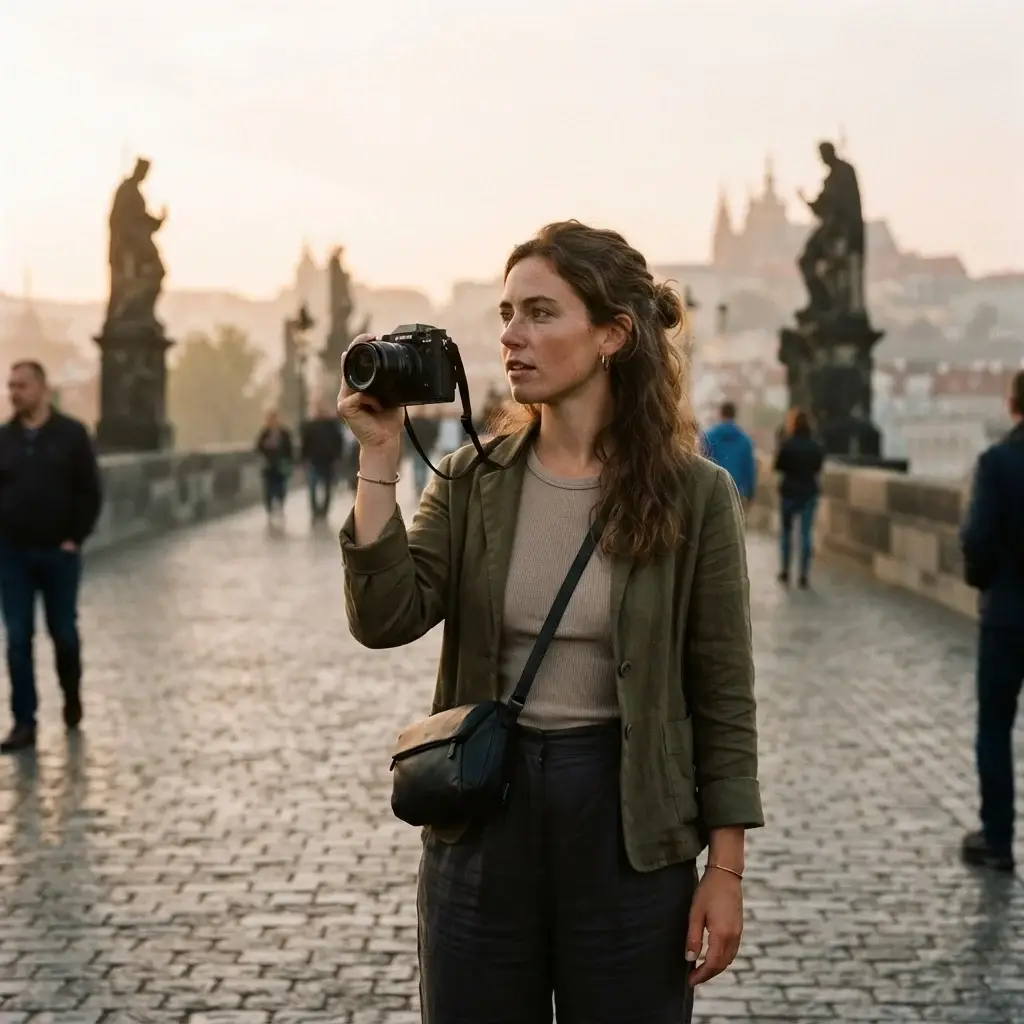
If you have never traveled alone before, start here. Prague feels like a movie set. Every time I walk across the Charles Bridge, I half-expect to see someone riding a horse or wearing armor.
Prague is safe, the city center is incredibly walkable, and the public transit system is one of the most reliable I have ever used. You don’t need to be a seasoned pro to get around here.
What to Do: You have to see the castle. Yes, it’s touristy, but it’s worth it. My best tip? Go early. Like, 7:00 AM early. The city is quiet, the light is soft, and you can see the historic center, which is designated as a protected site by UNESCO, without fighting through a wall of selfie sticks.
What to Eat: You need to try svíčková. It is a beef sirloin with a creamy vegetable sauce served with bread dumplings. It is heavy, comforting, and perfect after a long day of walking. If you want something quick on the street, people will try to sell you trdelník (a cinnamon sugar pastry). It’s not actually traditional Czech food—it’s more of a tourist thing—but it is delicious, so treat yourself anyway.
Navigating the City: The trams are your best friend. They go everywhere. Buy a multi-day pass at any metro station. Don’t use random taxis from the street; use an app or have your hotel call one. If you want a great general overview of what this region offers in terms of history and logistics, you can look at the Lonely Planet regional guide to help you get a feel for the map.
2. Budapest, Hungary: The Thermal Capital
Budapest is like the cool, older sibling of Prague. It’s a bit grittier, a bit more exciting, and the nightlife is legendary. The city is split into two sides: Buda (the hilly, quiet, castle side) and Pest (the flat, bustling, party side).
What to Do: The thermal baths are non-negotiable. I spent an entire afternoon at Széchenyi Baths, and it was one of the most relaxing experiences of my life.
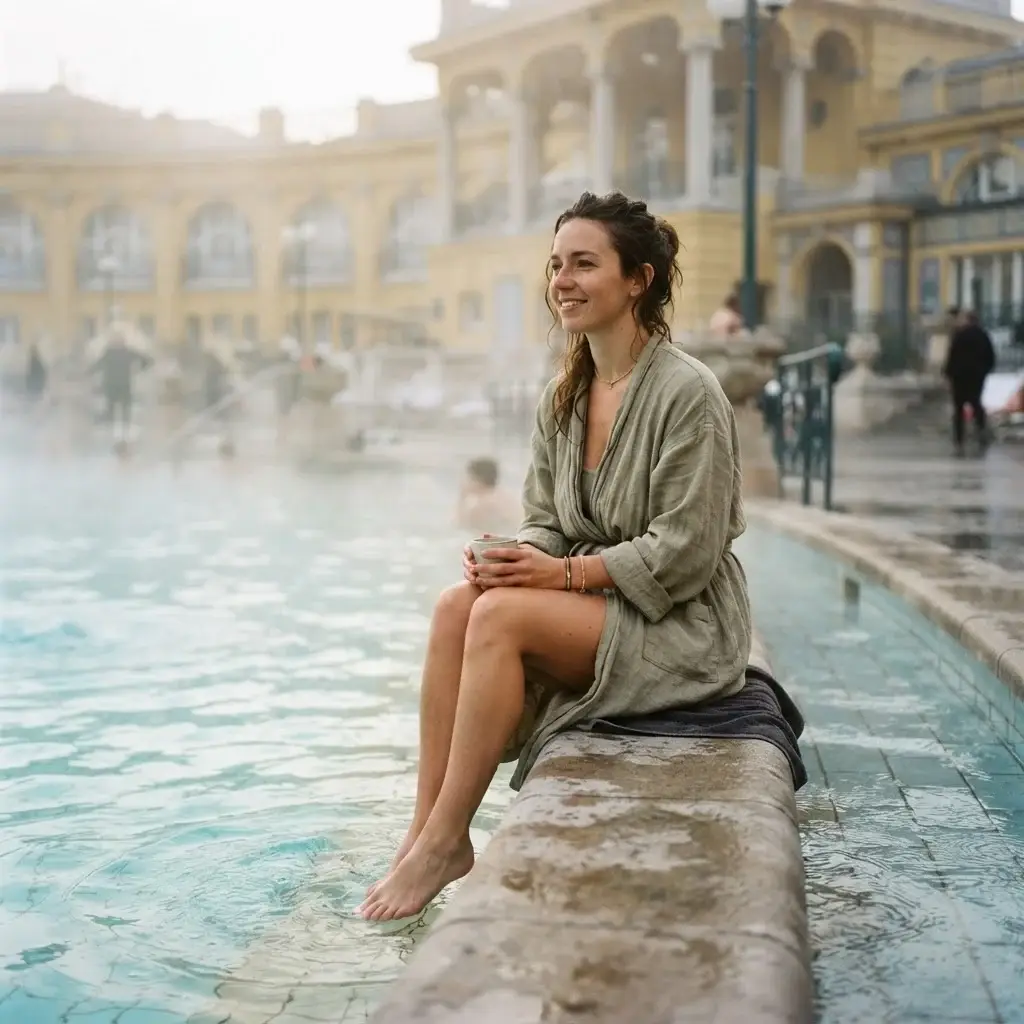
It is not weird to go alone. Everyone is just floating, relaxing, and escaping the cold.
At night, go to a “Ruin Bar.” These are bars built into the ruins of old, abandoned buildings in the Jewish Quarter. They are decorated with mismatched furniture, old bathtubs, and random art. It feels like a living room party with strangers.
What to Eat: You have to try lángos. It is deep-fried dough topped with garlic water, sour cream, and shredded cheese. It is simple, cheap, and honestly, life-changing.
Navigating the City: Budapest is very walkable. You can cross the Chain Bridge on foot to get between Buda and Pest. For longer distances, the yellow M1 metro line is the oldest on the continent. It’s tiny, charming, and very easy to figure out.
3. Kraków, Poland: The History Hub
Kraków stole my heart. It is a city that has seen so much history—both the incredibly beautiful and the incredibly painful. Walking through the Old Town, you see stunning architecture, but just a short trip away, you can visit Auschwitz-Birkenau.
I know that sounds heavy, but visiting these sites taught me more about empathy and perspective than any book ever did. It makes you realize how precious travel is.
What to Do: Spend time in the Main Market Square. It is one of the largest medieval squares in Europe. Sit at a cafe, order a coffee, and just watch the world go by.
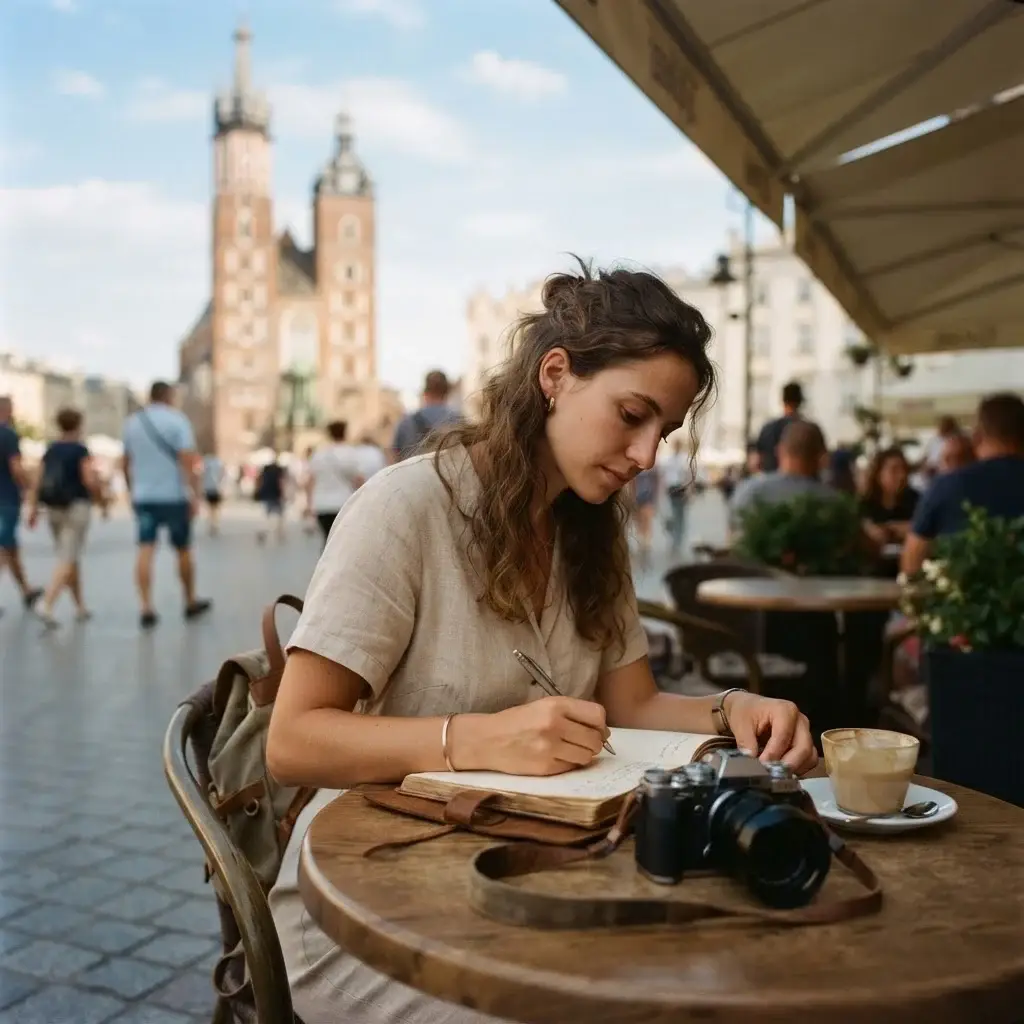
It’s the best way to soak in the local vibe. If you are interested in deep history, spend time in the Kazimierz district. It used to be the Jewish quarter and has a very specific, melancholic, yet beautiful energy.
What to Eat: Pierogi. You will eat your weight in pierogi. They are dumplings filled with everything from cheese and potato to meat to fruit. They are the ultimate comfort food. Look for “Milk Bars” (bar mleczny). These are cheap, cafeteria-style eateries left over from the communist era. They are authentic, incredibly affordable, and serve the best home-cooked food.
Health and Safety Note: When you travel, especially if you are eating at street stalls or trying new local foods in older cities, it’s always good to be mindful of your health. You can check the CDC Travelers’ Health page for the latest updates on food safety and any health tips for specific countries in the region. It’s just about being smart, not being scared.
4. Ljubljana, Slovenia: The Green Gem
If you are intimidated by big cities, Ljubljana is your answer. It feels more like a cozy town than a capital city. It is incredibly green, sustainable, and friendly. Everyone speaks English, it is very safe, and the pace of life is so much slower than what I was used to in New York.
What to Do: Take a walk along the river. There are cafes lining the banks, and locals sit there for hours drinking coffee. It’s not about rushing to see “the big sights.”
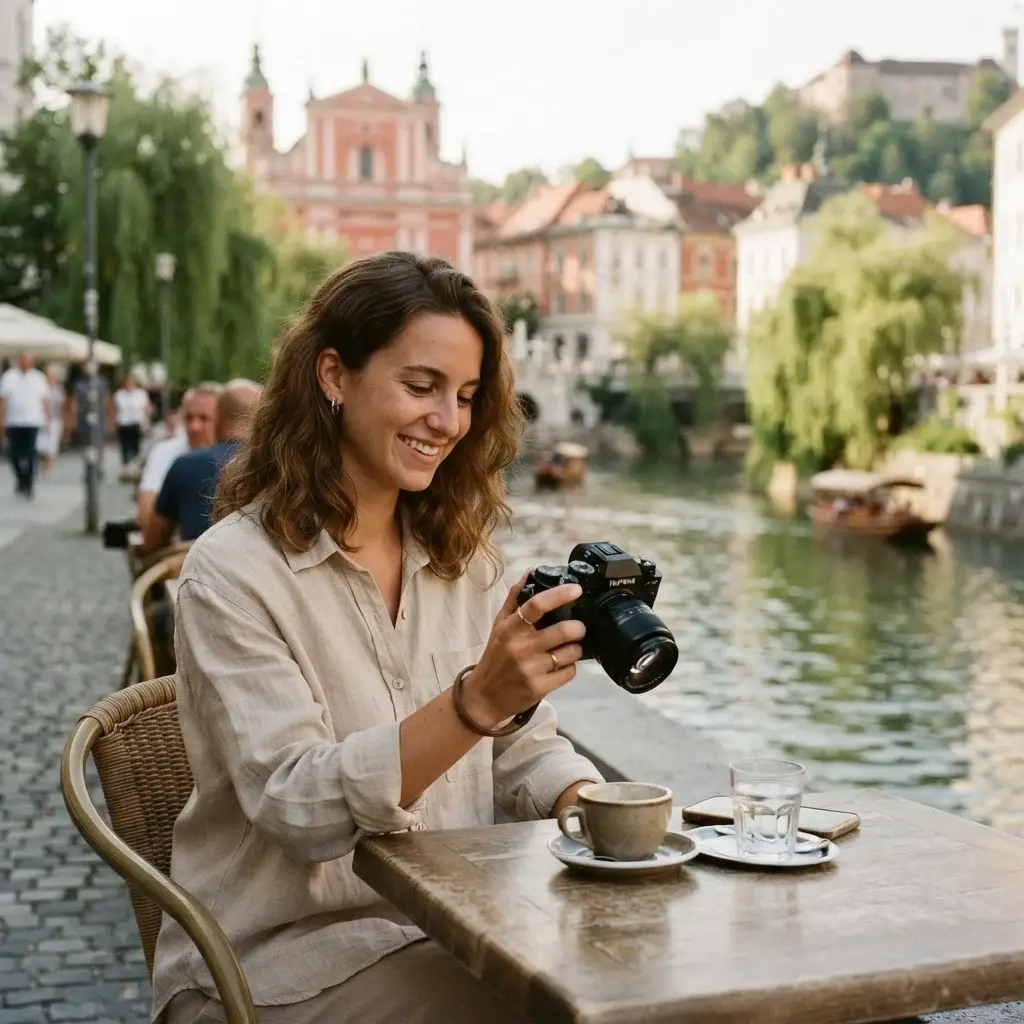
It’s about sitting with a book, watching the boats go by, and just breathing. Also, take a day trip to Lake Bled. It is a short bus ride away and looks like a fairy tale.
What to Eat: Try potica. It’s a traditional nut roll pastry. It’s sweet, dense, and pairs perfectly with coffee.
Navigating the City: You can walk everywhere. Seriously. I barely used a bus the whole time I was there. It is the perfect place to build your solo travel confidence because you can’t really get lost. Everything eventually leads back to the river.
5. Tallinn, Estonia: The Tech-Medieval Mix
Tallinn is such a surprise. It’s a medieval, walled city, but it’s also one of the most technologically advanced places in Europe. You can see ancient cobblestone streets one minute and walk into a super-modern, Wi-Fi-connected cafe the next.
What to Do: The Old Town is a UNESCO site, and it is stunning. Get lost in the narrow alleys. Climb the hill to the Toompea castle area for the best view over the city’s red rooftops.
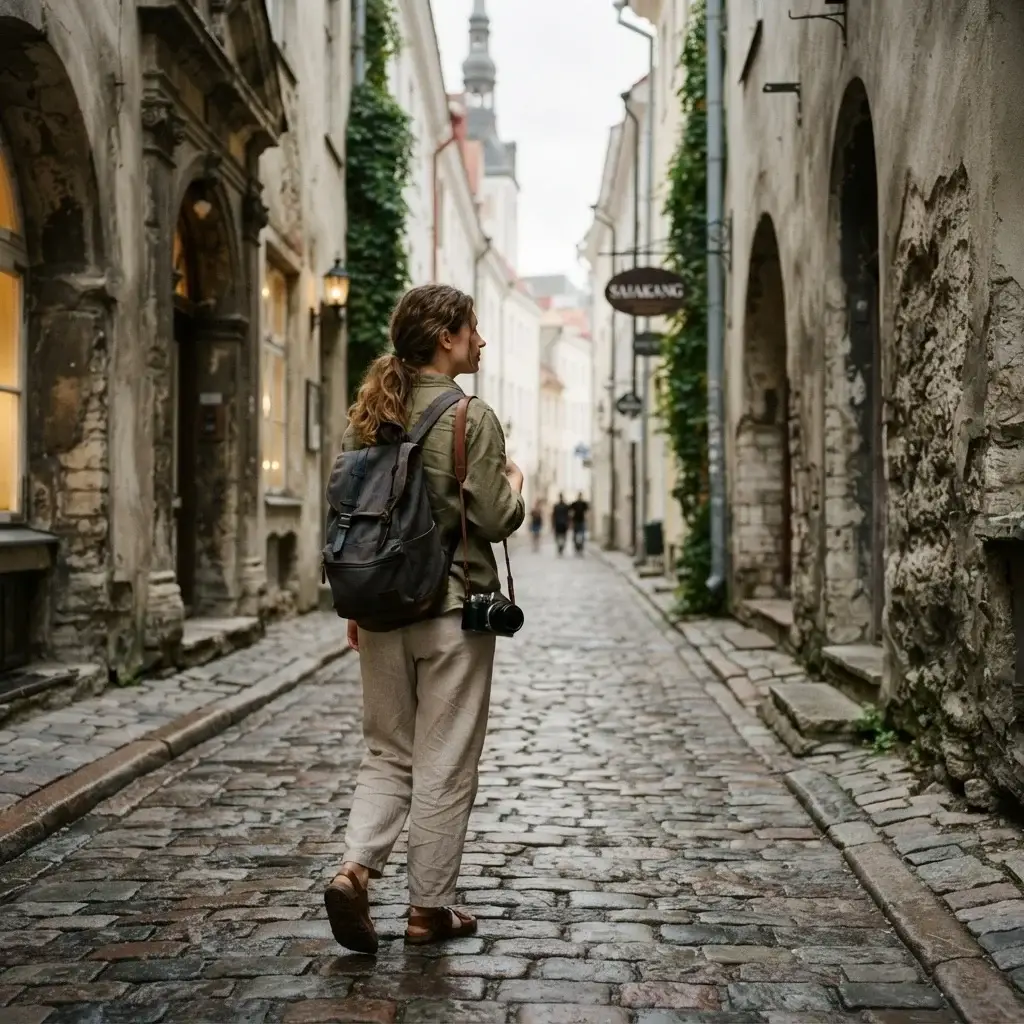
It feels like you are in the 14th century.
What to Eat: Estonian food is hearty and rooted in forest ingredients. Look for dishes with mushrooms, berries, and rye bread. It is very simple but very good.
Navigating the City: Tallinn is small and very orderly. The trams are great. The people might seem a bit quiet at first, but don’t take it personally. They are just respectful of personal space.
Staying Safe and Sound (Yes, You Can Do This)
I hear from so many of you who are scared to travel because of what you see on the news or hear from family. “Is it safe?” is the number one question I get.
The truth is, Eastern Europe is very safe for solo travelers. Of course, you need to use common sense. Don’t walk alone in dark, empty areas at night. Keep an eye on your bag in crowded train stations. Trust your gut. If a situation feels wrong, just walk away. You don’t owe anyone an explanation.
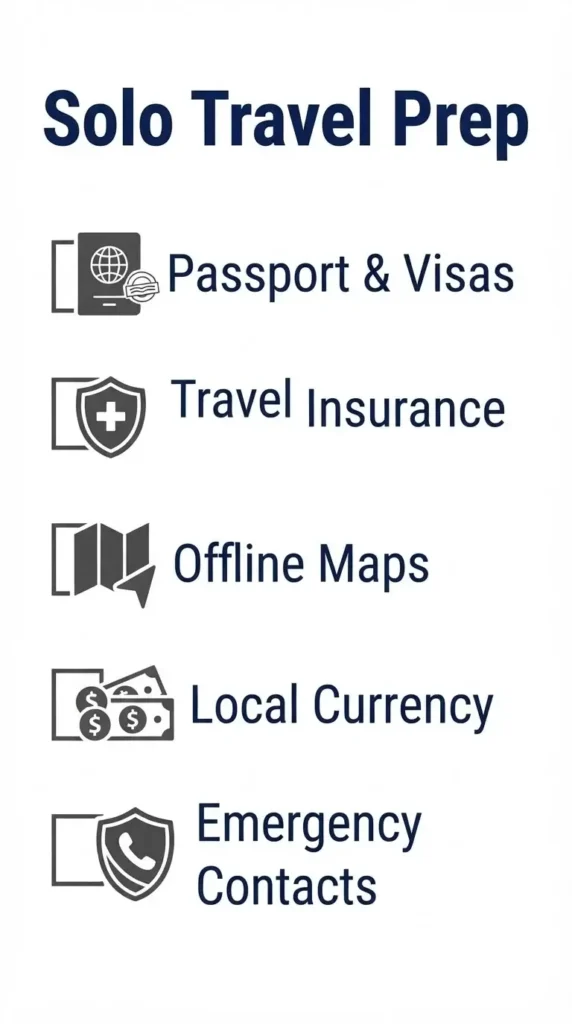
Before you go, it is vital that you have a plan. Check the US Department of State Travel website for entry requirements, visa information, and any active travel alerts. This isn’t to scare you; it’s to empower you. Knowing exactly what to expect when you arrive at the border—like if you need a specific visa or if your passport needs six months of validity—takes 90% of the anxiety out of the arrival.
Also, don’t leave home without insurance. I know it’s an annoying extra expense, but it is the price of peace of mind. I always recommend looking into World Nomads travel insurance because they focus on helping you understand coverage for the unexpected things that can happen when you are abroad, like losing your bag or needing a doctor. It’s better to have it and not need it than to need it and not have it.
How to Get Around: The Logistics
If you are used to the US, where you almost have to rent a car to do anything, you are going to be shocked by how easy it is to travel around Eastern Europe.
The Train System: This is the gold standard. Trains connect almost every major city. They are affordable, comfortable, and a great way to see the landscape change. I love taking the train because I can read, write in my journal, or just stare out the window. It is the best “me time” you will ever get.
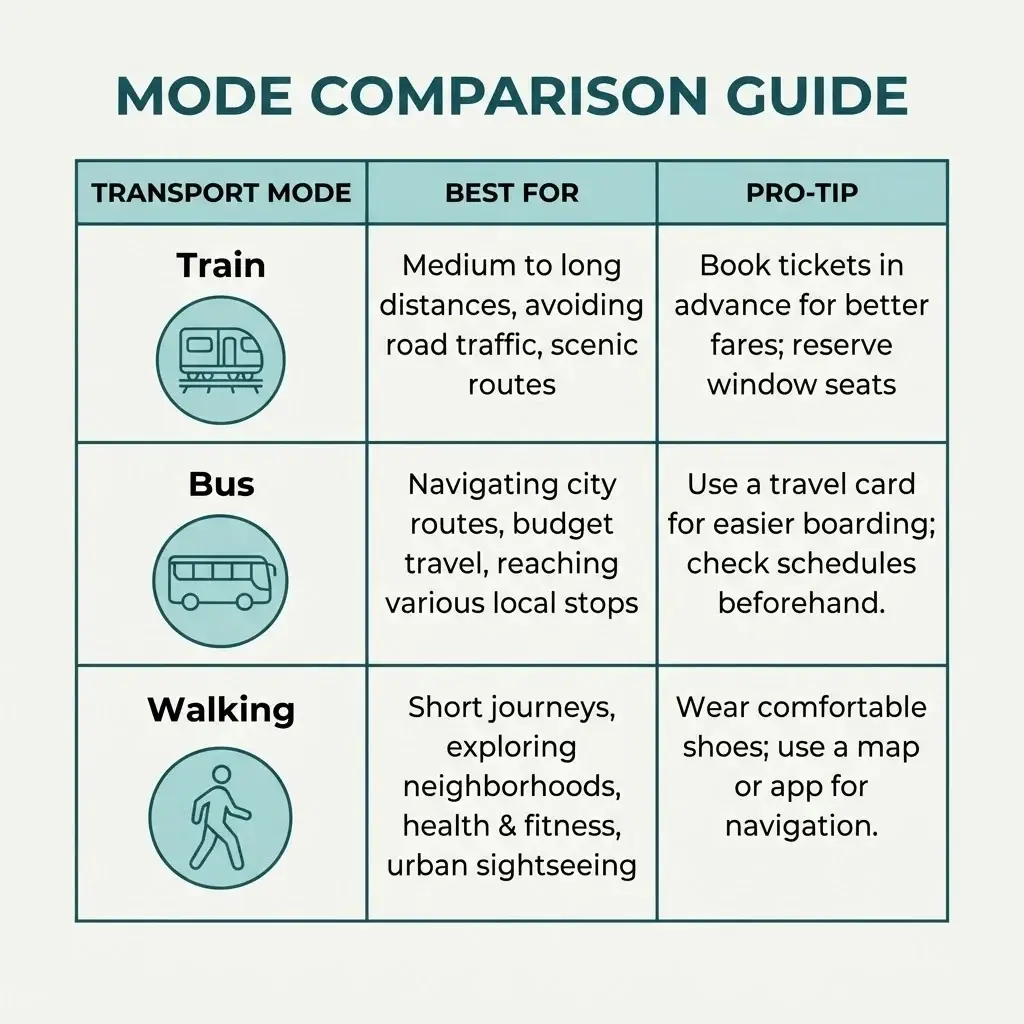
Buses: For shorter trips or routes where the train doesn’t go, buses are great. They are usually very modern, have Wi-Fi, and are very cheap. Just make sure to book your tickets in advance online during the busy summer months.
Walking: Pack good shoes. I cannot stress this enough. Leave the heels or the stiff dress shoes at home. You will be walking on cobblestones, climbing hills, and exploring old towns. Your feet will thank you for wearing sneakers or comfortable walking boots.
Cultural Etiquette: Being a Respectful Guest
I have seen tourists act like they own the place. Don’t be that person. You are a guest in these countries.
- Learn a few words: You don’t need to be fluent. Just learning “Hello,” “Please,” “Thank you,” and “Excuse me” in the local language goes a long way. People will appreciate the effort, even if you butcher the pronunciation.
- Observe before you act: Before you shout or sit down, look at what the locals are doing. Are they quiet? Are they standing in a queue? Mimic them.
- Dining tips: In many parts of Eastern Europe, you have to ask for the bill. It is considered rude for the waiter to bring it to you before you ask. Just make eye contact and do a little “writing” motion in the air, or say “Check, please.”
My Personal Advice for the First-Time Solo Traveler
If you are sitting there reading this and thinking, “I want to go, but I’m just too scared,” listen to me: The fear is normal. I was scared before every single trip I took. I was scared when I left my office job. I was scared when I moved to a country where I didn’t know the language.
The fear doesn’t go away; you just learn to move with it.
You don’t need a massive plan. You don’t need to quit your job tomorrow (though, if you want to, I support you). You just need to book one ticket.
Start small. Maybe just a weekend trip to a nearby city. Test the waters. See how it feels to have breakfast alone at a cafe. See how it feels to navigate a subway system that isn’t the one you use at home.
You will make mistakes. You will get on the wrong train. You will order something you didn’t mean to order. And you know what? That is where the memories come from. That is where the growth happens.
When I look back on my time as a sightseeing guide in New York, I remember the people who were just ticking boxes off a list. But when I look back on my solo travels, I remember the feeling of sitting in a square in Prague, drinking coffee, and realizing that I was completely capable of taking care of myself. That is a feeling no luxury resort or guided tour can give you.
Eastern Europe is waiting for you. It is filled with history, beauty, and incredible people who are just waiting to meet a curious traveler like you. Stop waiting for the “perfect time.” The perfect time is now. Pack your bag, grab your passport, and go find out what you are capable of. You are going to be just fine.