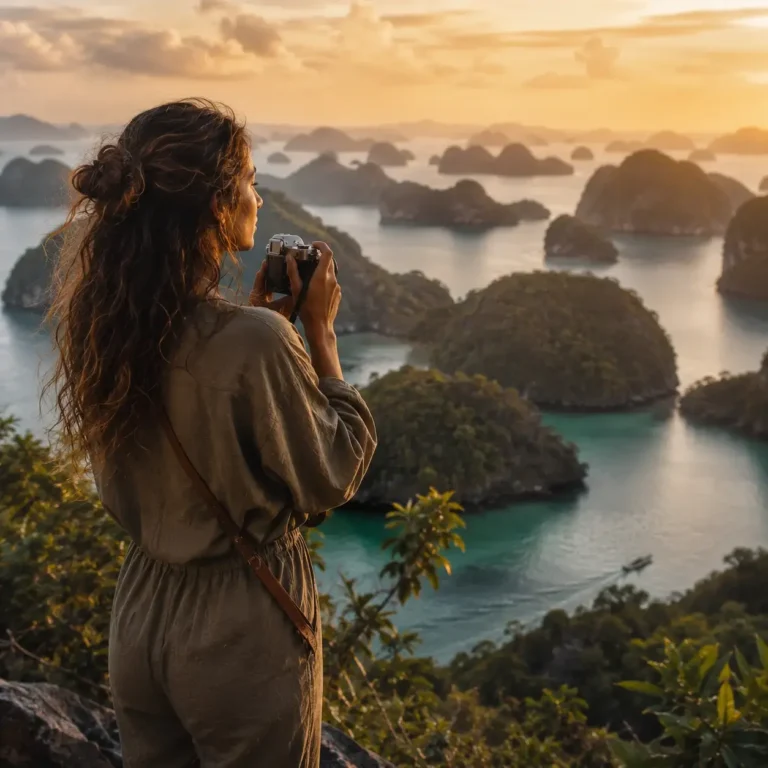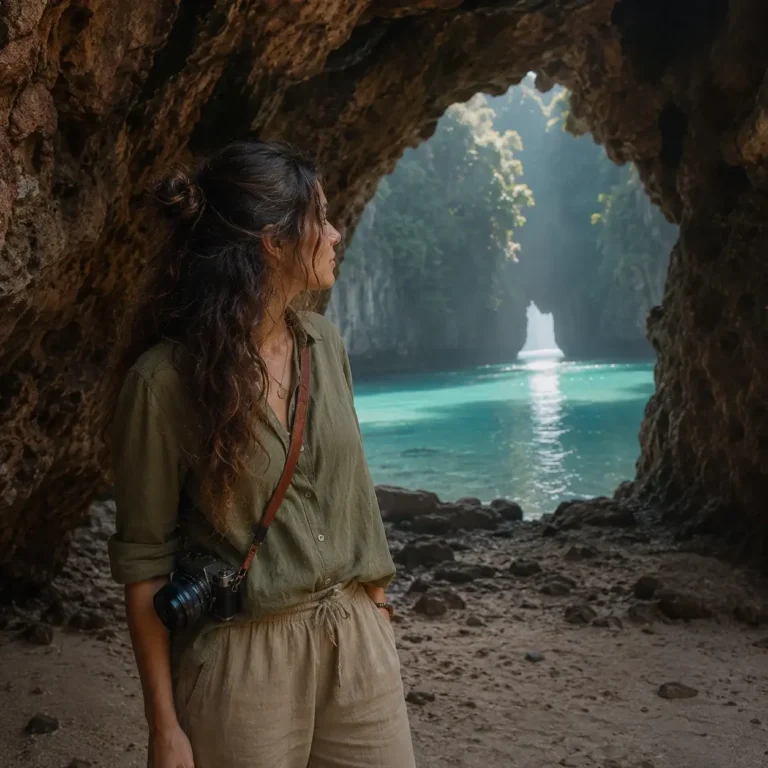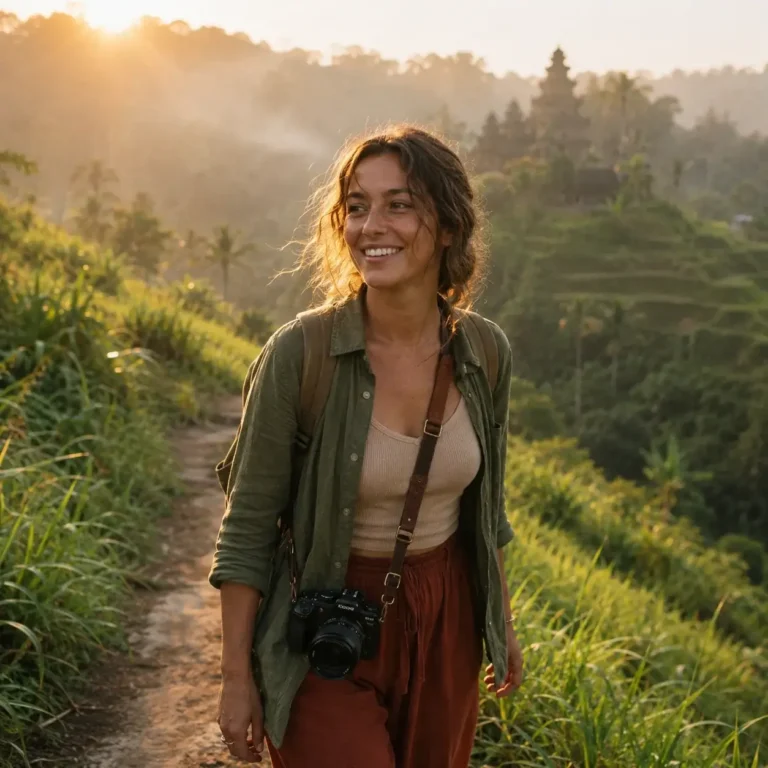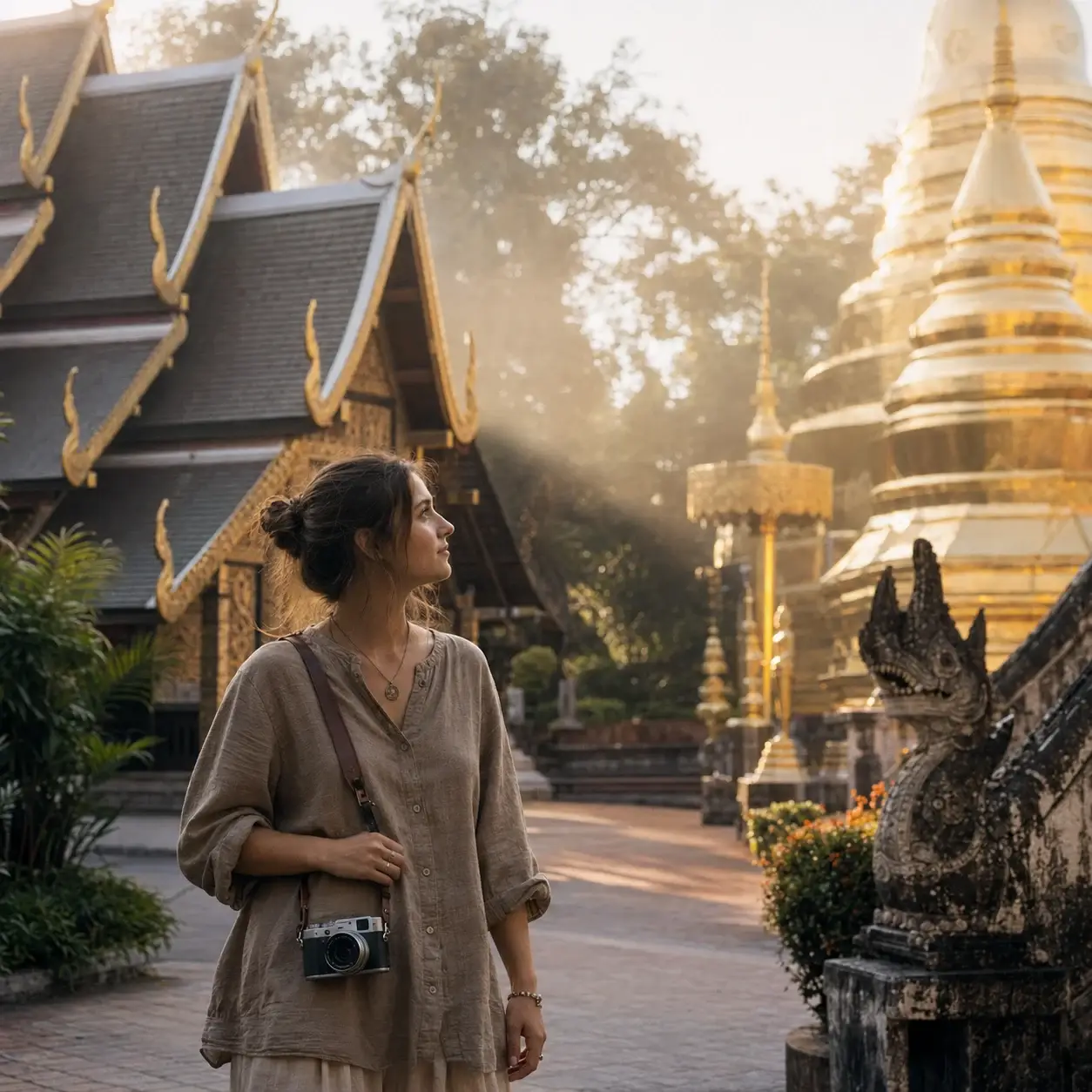
Have you ever stared at the fluorescent lights of your office cubicle and felt like your life was ticking away in spreadsheets? I know that feeling intimately. A few years ago, I was sitting at a corporate desk in New York City. On paper, I had a successful life. I had a master’s degree in communication and a stable job. But every single morning, my heart felt heavy. I didn’t want to spend my youth waiting for a two-week annual vacation that my boss could deny on a whim.
So, I did something that made my friends and family think I had lost my mind. I quit.
To fund my dreams, I didn’t have a secret trust fund. I took a job waitressing full-time, working double shifts and putting every dollar of tip money into a dedicated travel savings account. I cut out expensive coffees, stopped buying new clothes, and focused entirely on the prize: absolute freedom.
Before that, I had worked as a certified sightseeing guide in New York, showing people the sights of my home city. But I wanted to be the one exploring the unknown. I wanted to see if I could survive on the other side of the planet without a safety net.
If you are standing on the edge of making a big change but you are terrified that you do not have enough money, this guide is for you. Traveling across Asia does not require a fortune. In fact, it is one of the most affordable, culturally rich, and transformative places on earth for a solo adventurer. Let’s break down exactly how you can travel across Asia on a budget, face your deepest fears, and reclaim your life.
Shifting Your Mindset from Vacationer to Slow Traveler
The biggest mistake people make when planning a trip to Asia is trying to see everything in two weeks. They book five internal flights, stay in Western-style hotels, and eat at tourist restaurants. By day ten, they are exhausted, stressed, and broke.
To stretch your budget across months, you must embrace slow travel. Slow travel means staying in one region or town for weeks instead of days. It means taking local buses instead of planes. When you slow down, your daily expenses drop drastically. You can negotiate weekly rates at local guesthouses, cook your own breakfast, and truly understand the rhythm of a place.
When I taught English in Thailand, I learned that the best moments don’t happen while checking a famous monument off a list. They happen when you sit at the same street side stall every morning, learning a few words of the local language from the family who cooks your meals.
Navigating Visas, Health, and Safety Safety Nets
Before you pack your backpack, you need to handle the boring but essential logistics. Skipping these steps can destroy your budget before your trip even begins. Unexpected medical bills or border fines will drain your bank account faster than anything else.
Checking Entry Requirements
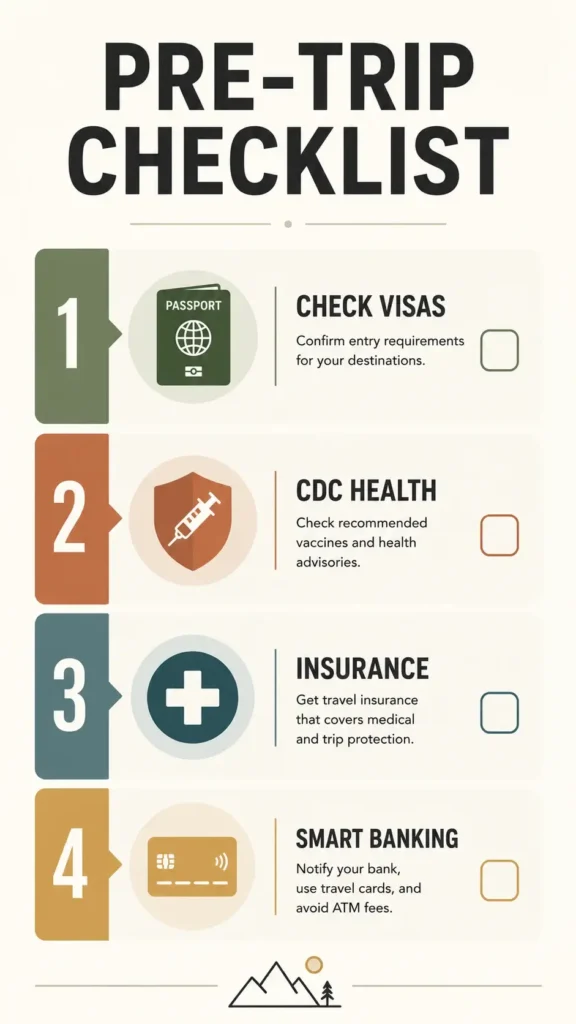
Every country in Asia has distinct rules regarding tourist visas. Some offer free visas on arrival, while others require you to apply online weeks in advance. When I plan my routes, I make sure to avoid expensive visa mistakes by keeping up with shifting international policies. For my official planning, I always look up the latest entry requirements and travel alerts on the US Department of State travel advisory page for international destinations because slipping up on entry rules can mean getting turned away at the border.
Staying Healthy on the Road
Getting sick abroad is miserable, and healthcare costs can be sky-high. You need to know which vaccines are required for countries like India, Vietnam, or Indonesia. You also need to learn how to avoid food-borne illnesses without missing out on the incredible local food scene.
To keep myself safe from tropical diseases, I always check the medical guidelines and immunization recommendations provided by the CDC Travelers’ Health destination pages before packing my medical kit. This helps me know exactly what pills or shots I need for rural areas.
Securing Reliable Travel Insurance
Never travel without insurance. If you get into a scooter accident in Bali or catch a severe fever in Cambodia, a good policy will save your life and your wallet. I look for policies that cover emergency medical evacuation and gear protection for my laptop and camera. To protect my finances against unexpected emergencies, I highly recommend checking out the comprehensive coverage options found on the World Nomads travel insurance safety guide because they specialize in independent solo travel and adventure activities.
Mastering Budget Transport Across the Continent
Transport can easily become your biggest expense if you are not careful. If you want to know how to travel across Asia on a budget, you must learn to love trains, buses, and ferries.
The Magic of Overnight Trains and Buses
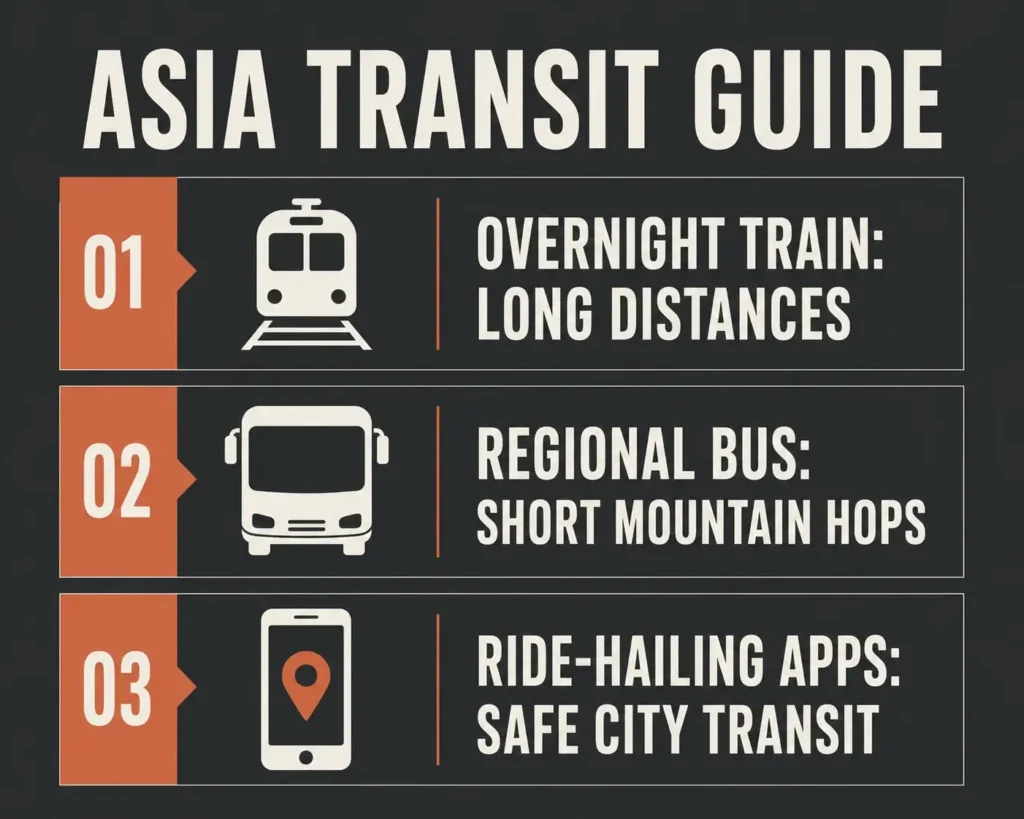
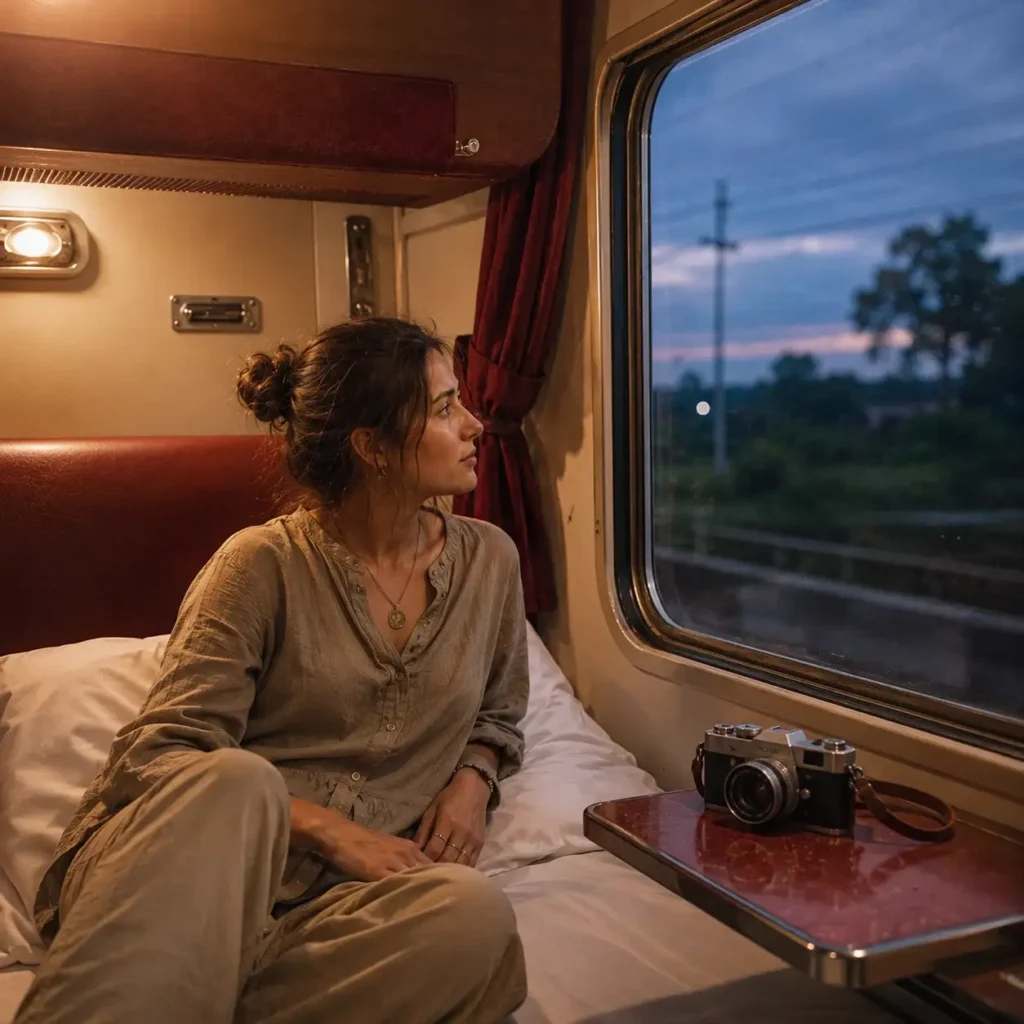
In countries like India, Thailand, and Vietnam, overnight trains are a budget traveler’s best friend. Why? Because a sleeper train ticket doubles as transport and your night’s accommodation. You save the cost of a guesthouse room while moving closer to your next destination.
For example, taking the overnight train from Bangkok to Chiang Mai is an incredible experience. You get a clean bunk with fresh sheets, and you wake up just as the sun rises over the misty mountains of northern Thailand. The cost is a fraction of a domestic flight, and the environmental footprint is much smaller.
Navigating Local Cities Safely and Cheaply
When you arrive in a bustling Asian metropolis, avoid the airport taxi sharks who prey on tired tourists. Look for local metro systems, public buses, or shared auto-rickshaws. In Southeast Asia, ride-hailing apps have completely revolutionized budget transit by eliminating the need to haggle with drivers who refuse to turn on their meters.
When I need a quick, affordable ride through congested city streets in countries like Malaysia, Vietnam, or Indonesia, I rely on my phone to book a local driver. You can read about how the platform handles pricing and safety protocols directly on the Grab official app overview for regional travelers , which saves you from getting ripped off at train stations.
Affordable Accommodation: From Social Hostels to Guesthouses
Where you sleep matters, but you do not need to spend fifty dollars a night for a clean, safe room. Asia offers some of the most diverse budget accommodations in the world.
The Hostel Life
If you are traveling solo, hostels are the best place to find your community. You can get a single bed in a shared dorm room for three to eight dollars a night in most parts of Southeast Asia and South Asia. These spaces feature communal kitchens, free water refills, and common rooms where you can meet other travelers to split the cost of tour guides or transport.
If you value your privacy, look for small, family-run guesthouses. These are often called homestays. Staying with a local family means your money goes directly into the local economy rather than a massive hotel corporation. The rooms are basic—usually just a bed, a fan, and a cold-water shower—but the hospitality is priceless.
Eating Like a Local: Street Food Secrets
You cannot say you have experienced Asia until you dive headfirst into the street food culture. Many first-time travelers are terrified of street food because they fear getting sick. But during my years on the road, I have found that street food is often fresher and safer than food served in empty tourist restaurants.
How to Pick a Safe Street Food Stall
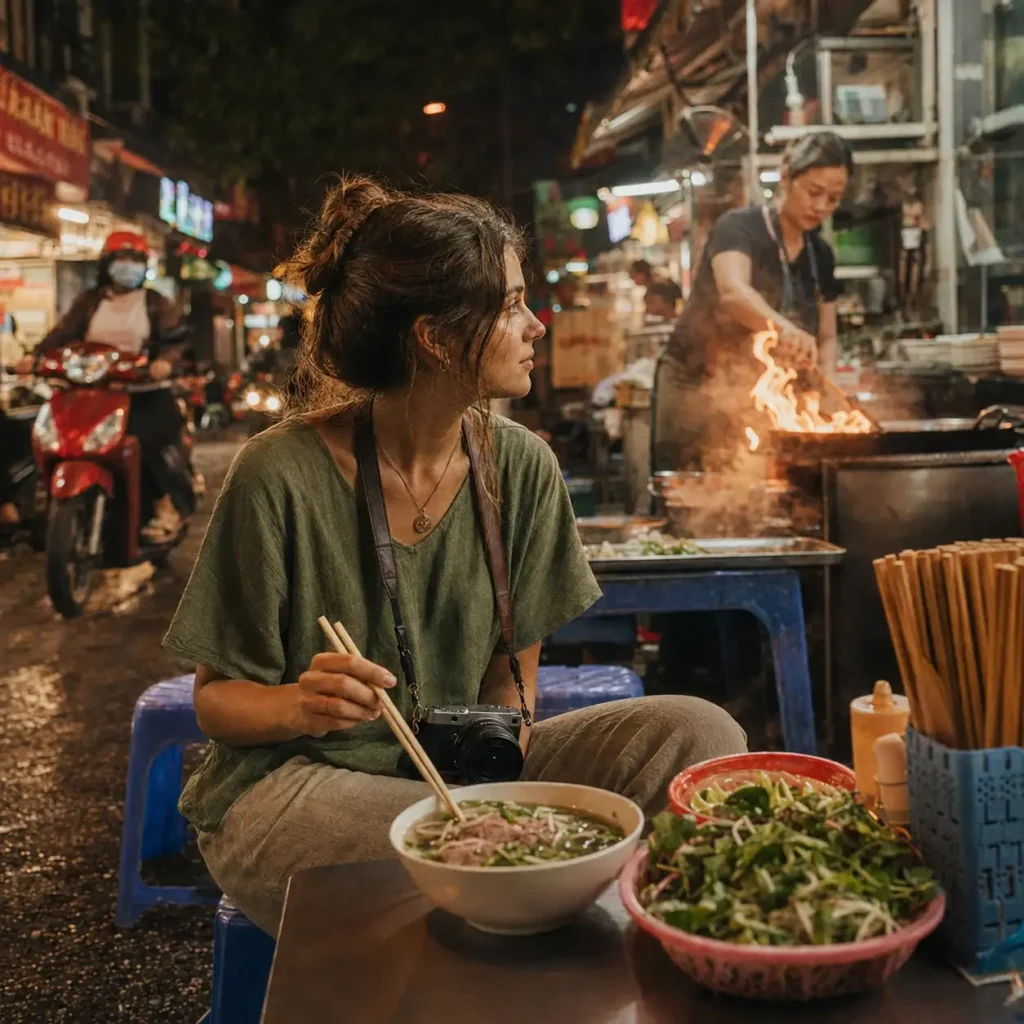
Look for the crowds. If a stall is packed with local families, taxi drivers, and students, that means the food turnaround is incredibly fast. The ingredients aren’t sitting around in a warm kitchen; they are cooked right in front of you over a flaming wok.
Unmissable Cheap Eats
- Thailand: Seek out Pad Kra Prow (minced pork or chicken fried with holy basil and chili) topped with a crispy fried egg. It costs less than two dollars and tastes incredible.
- Vietnam: Grab a hot bowl of Pho Bo (beef noodle soup) from a sidewalk vendor using tiny plastic stools. The broth simmers for twelve hours, creating a rich flavor profile you cannot replicate in a Western kitchen.
- India: Enjoy Thali plates, which provide unlimited refills of lentils, rice, vegetable curries, and warm flatbread for pennies.
To make sure you behave respectfully while enjoying these culinary experiences, it is smart to study local dining habits. For instance, you can check out the cultural dining protocols and regional etiquette guides hosted by the Tourism Authority of Thailand official website to learn why you should use your spoon instead of your fork to put food into your mouth.
Exploring Incredibly Affordable Destinations in Asia
Let’s look at three specific regions where your budget will stretch the furthest while offering deep cultural immersion and breathtaking natural beauty.
1. Chiang Mai and Northern Thailand
Northern Thailand is a paradise for budget solo travelers. Chiang Mai is packed with ancient temples, bustling night markets, and affordable cafes.
- What to Eat: You absolutely must try Khao Soi. This is a rich, coconut curry noodle soup served with chicken and topped with crispy fried noodles, pickled mustard greens, and shallots. A bowl at a local market costs about $1.50.
- Navigation Tip: Do not use individual tuk-tuks for city travel. Instead, hail a Songthaew—these are red passenger trucks that drive fixed routes. You simply wave them down, hop in the back, and pay a flat fee of around thirty Thai Baht (less than one dollar) when you arrive at your destination.
2. Hanoi and Northern Vietnam
Hanoi is an assault on the senses in the best possible way. The Old Quarter is a maze of narrow streets, motorbike engines, and the rich aroma of roasting coffee beans.
- What to Eat: Try Bun Cha, which features grilled pork patties served over cold rice noodles with a mountain of fresh herbs and a sweet, savory dipping sauce. It was famously eaten by Anthony Bourdain and Barack Obama, but you can still find it for two dollars at local street stalls.
- Navigation Tip: Walking is the best way to explore the Old Quarter, but crossing the street can be terrifying due to the millions of motorbikes. The secret is to walk at a slow, steady pace. Do not stop, run, or look at your phone. The drivers will calculate your speed and naturally weave around you.
3. The Cultural Triangle of Sri Lanka
If you want to escape the massive crowds of Southeast Asia, head to Sri Lanka. This island nation offers incredible wildlife, ancient ruins, and surfing beaches for an incredibly low cost.
- What to Eat: Order Kottu Roti. This street food dish is made by chopping flatbread on a metal griddle along with vegetables, eggs, spices, and meat. The rhythmic metallic chopping sound can be heard from blocks away, and a single portion can easily feed two people.
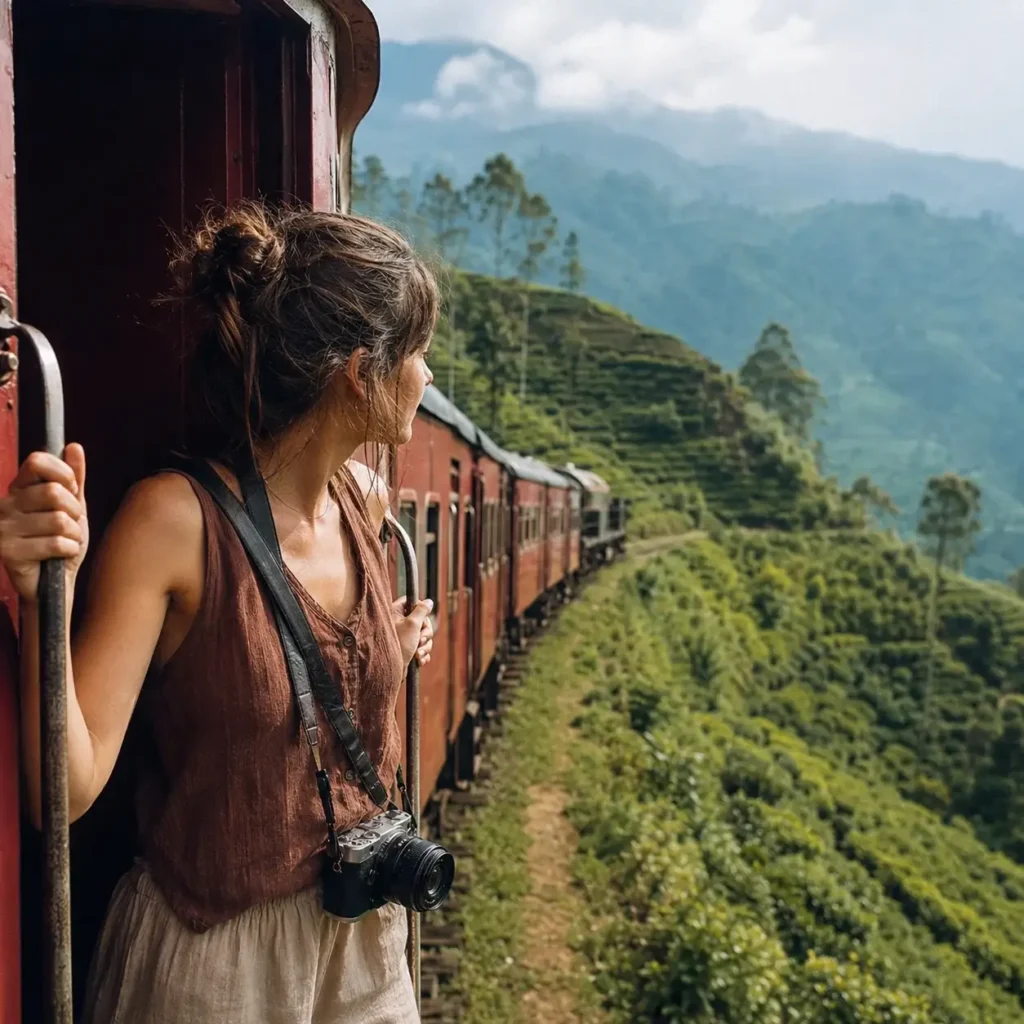
- Navigation Tip: Take the legendary train from Kandy to Ella. It winds through lush tea plantations, over historic stone bridges, and through mountain tunnels. A second-class ticket costs less than three dollars for a seven-hour journey, making it one of the cheapest and most beautiful train rides in the world.
Embracing Historic Wonders and Cultural Sites Safely
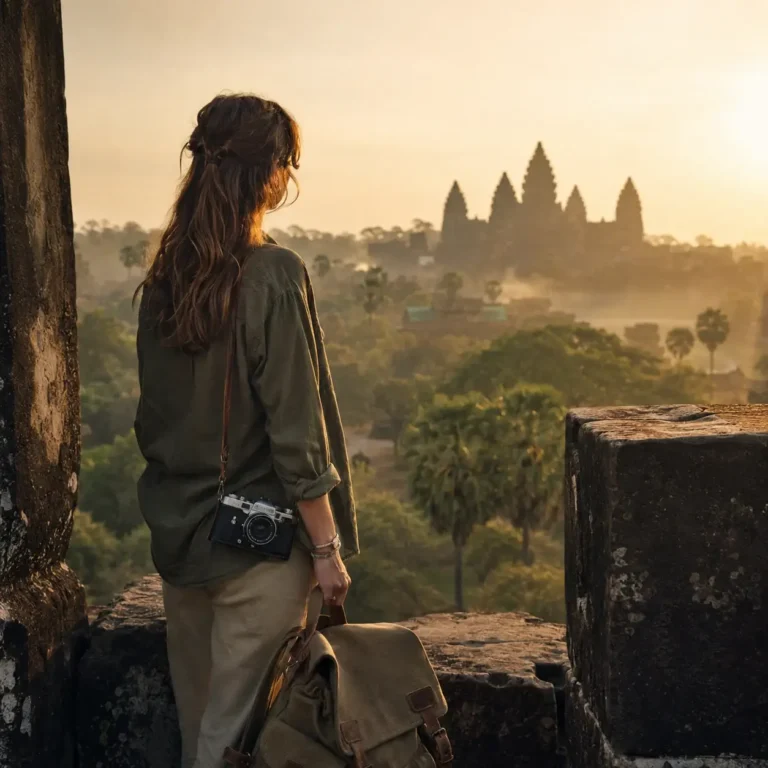
One of the highlights of backpacking through Asia is visiting ancient heritage locations that have stood for thousands of years. From the sprawling temples of Angkor Wat to the historic towns of Laos, these locations offer a window into human history.
To fully appreciate the historical context of these ancient structures, I find it deeply helpful to read through the historical documentation and preservation records on the UNESCO World Heritage Centre official site , which gives you a deeper respect for the monuments before you even step foot through the stone gates.
Practical Ways to Stretch Your Funds While Traveling
If you want to keep your journey going indefinitely, you need to think creatively about your finances. Here are three practical methods I used to keep my bank account healthy on the road.
1. House Sitting and Volunteering
You can exchange a few hours of work per day for a free place to sleep and home-cooked meals. Websites like Worldpackers or Workaway connect travelers with local hostels, organic farms, and language schools looking for volunteers. This eliminates your accommodation costs entirely.
2. Teaching English or Freelancing
If you have a laptop and a steady internet connection, you can work from anywhere. Many digital nomads base themselves in places like Da Nang or Chiang Mai because the cost of living is so low that you only need to work a few hours a week to cover your total expenses.
3. Smart Banking and Avoiding Hidden Fees
ATM fees will destroy your budget if you aren’t careful. Every time you withdraw cash in Thailand, the local bank charges you around seven dollars. To combat this, open a bank account that refunds international ATM fees or uses fee-free partner networks. Always withdraw the maximum amount allowable at once to minimize the number of times you face those transaction charges.
Overcoming the Fear of the Unknown
When I was packing my bags to leave New York, I was filled with intense self-doubt. People told me that solo travel was too dangerous for a young woman. They told me I was throwing my career away. I spent nights crying in my room, wondering if I was making a massive mistake.
But the moment my boots touched the ground in Asia, that fear evaporated. It was replaced by a sense of wonder and capability. I realized that the human world is overwhelmingly kind. People who had nothing would offer to share their food with me. Total strangers helped me find the right bus when I was completely lost.
If you are waiting for the perfect moment to book your ticket, let me remind you that the perfect moment does not exist. You don’t need a massive fortune, and you don’t need permission from anyone else. You just need a spark of courage to walk away from your routine and step into the magnificent unknown.
To find more detailed breakdowns of local regions, transport schedules, and seasonal weather patterns across the continent, you can browse through the comprehensive destination library on the Lonely Planet Asia travel destination guide , which remains my absolute favorite resource for mapping out raw independent journeys.
The world is waiting for you. Pack your bags, trust your instincts, and start living your own story #BeyondTheMap.