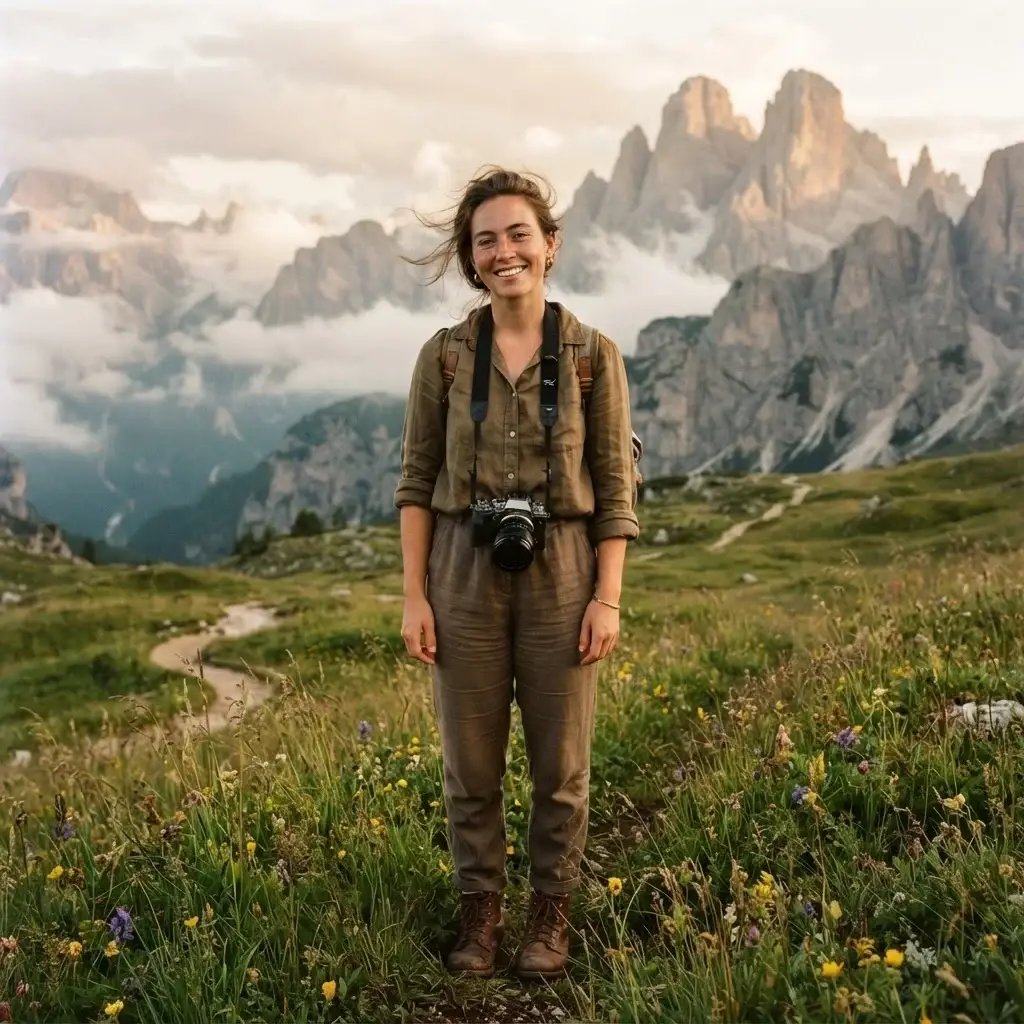
I remember sitting at my desk in New York City, staring at a calendar full of meetings. I had a decent job, a steady paycheck, and a comfortable apartment. But every time I looked out the window, I felt this strange, hollow ache. I wanted to see the world, not just read about it on someone else’s blog. I wanted to test myself. I wanted to climb mountains, not corporate ladders.
That feeling is exactly why I’m writing this for you. When I finally left that life behind, the first thing I did was head to Europe. But I didn’t go for the fancy resorts or the tourist-packed capitals. I went to find the edges of the map. I went to find adventure.
Europe is often marketed as a place for history, wine, and museums. Those things are great, but the continent is also a goldmine for anyone looking to push their physical and mental boundaries. If you are a solo traveler craving movement, nature, and that distinct rush of “I did this all by myself,” you are in the right place. Let’s look at the best places in Europe for adventure travel that will change how you see the world—and yourself.
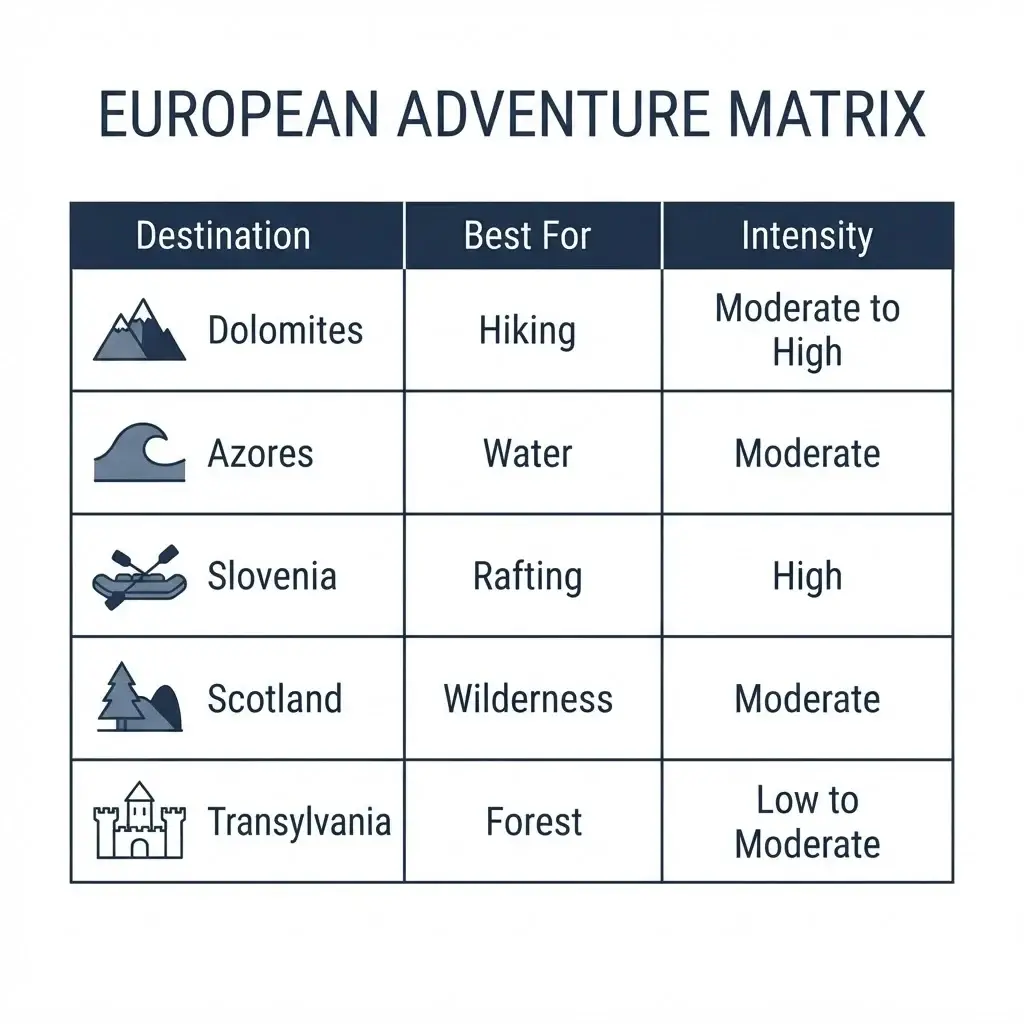
The Italian Dolomites: Your First Step Into the Clouds
If you have never gone on an adventure trip alone, the Dolomites are your perfect starting point. Located in the northeast of Italy, this mountain range is jagged, dramatic, and absolutely stunning.
What I love about this place is the rifugio system. Imagine hiking all day, your legs burning, your lungs full of crisp, cold air, only to reach a cozy wooden hut at the top of a peak. Inside, there is hot soup, warm beds, and other hikers from all over the world. You never feel truly alone because there is always someone to share a meal with at the communal tables.
The Dolomites are a UNESCO World Heritage site [https://whc.unesco.org] because of their unique limestone formations, and once you are there, you will understand why. The trails are incredibly well-marked, which is a huge confidence booster for a solo traveler.
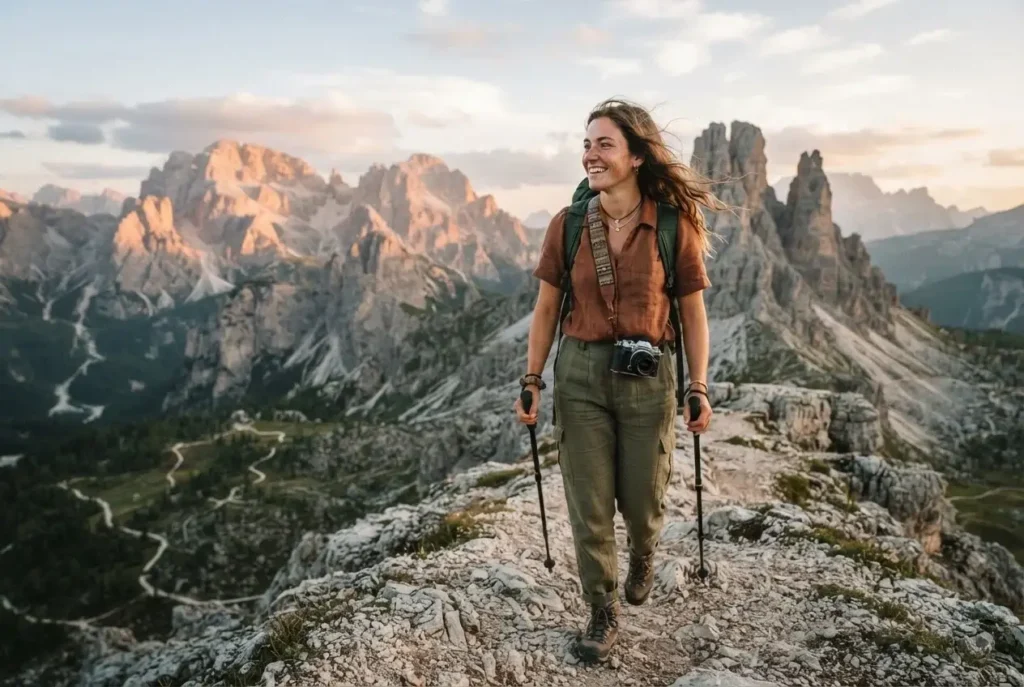
You don’t need a guide to navigate most of them.
- The Adventure: Try a via ferrata. This is a climbing route that uses steel cables and ladders fixed to the rock. It sounds scary, but it is very safe if you have the right gear. It makes you feel like a mountaineer, even if you’ve never climbed before.
- What to Eat: After a long hike, get a plate of canederli. These are bread dumplings, usually served with speck (a type of smoked ham) and broth. It is heavy, hearty, and exactly what you need to recover.
- Navigation: Fly into Venice or Innsbruck and take the bus or train up into the valleys. Once you are there, the local bus network is fantastic. You don’t need a car.
The Azores, Portugal: The Untamed Atlantic Oasis
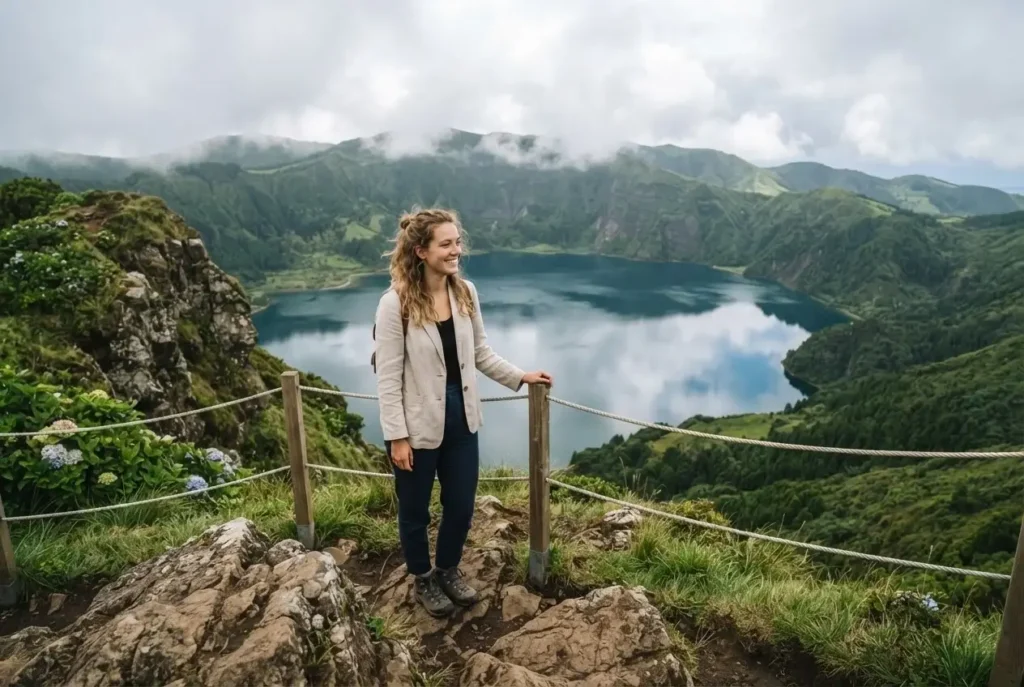
If you want to feel like you have discovered a lost world, head to the Azores. This is a group of nine volcanic islands in the middle of the Atlantic Ocean. It is often called the “Hawaii of Europe,” and the name fits.
The islands are lush, green, and wild. This is not a place for sitting on a beach with a cocktail. This is a place for hiking down into volcanic craters, swimming in hidden waterfalls, and watching the mist roll over emerald green hills. The weather changes every ten minutes, which keeps you on your toes and forces you to be adaptable—a key skill for any solo adventurer.
- The Adventure: Canyoning. This involves hiking up a stream, then sliding, jumping, or rappelling down waterfalls back to the bottom. It is wet, exhilarating, and forces you to trust your own body.
- What to Eat: You have to try cozido das furnas. It is a meat and vegetable stew cooked underground by the natural geothermal heat of the volcanic earth. It’s a literal taste of the island’s energy.
- Navigation: You will likely fly into Ponta Delgada on São Miguel island. To explore the smaller islands, you can take short, thrilling flights on local prop planes or hop on inter-island ferries.
Slovenia: The Gem of Europe
I cannot say enough good things about Slovenia. If you are nervous about your first solo adventure, start here. It is safe, it is small, and the people are incredibly kind. Most people I met spoke perfect English, which took a lot of the stress out of the logistical side of travel.
Slovenia feels like a fairy tale. The Soča Valley, with its piercingly blue-green river, is the heart of adventure here. It is one of the best places in Europe for adventure travel because it packs so much variety into a tiny space.
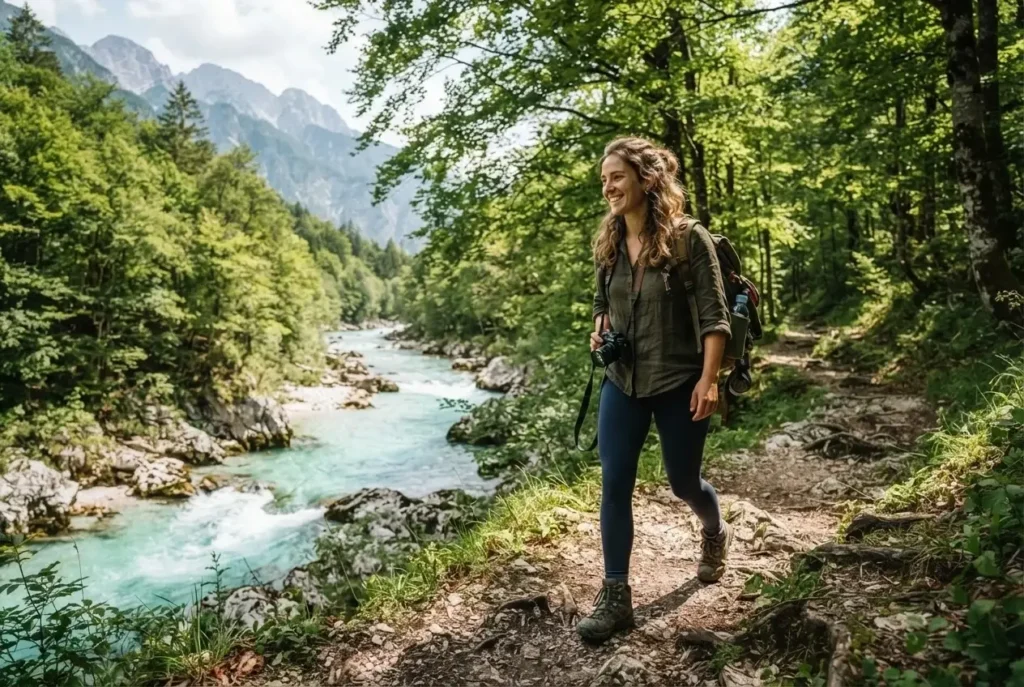
One day you are white-water rafting, the next you are exploring an ancient castle, and the day after that you are hiking in the Julian Alps. You can check out the Lonely Planet [https://www.lonelyplanet.com] guides for a solid overview of the diverse regions, but honestly, you can’t go wrong just picking a direction and walking.
- The Adventure: White-water rafting on the Soča River. The water is freezing, the rapids are fun, and the views of the surrounding mountains are unbeatable.
- What to Eat: Kremna rezina (cream cake). It is a layered pastry with vanilla custard and whipped cream. It is massive, rich, and the perfect reward after a day of being active.
- Navigation: The country is so small you can get from the capital, Ljubljana, to the mountains in less than two hours by bus or rental car. It is incredibly efficient.
The Scottish Highlands: For the Soulful Hiker
Scotland is moody, vast, and deeply powerful. When I hiked through the Highlands, I felt a sense of freedom I had never known before. It is not always sunny. It is often windy and rainy. But that is the point. Adventure is about embracing the elements, not fighting them.
The Highlands are perfect for solo travel because the trails are filled with like-minded people. You will see people from all over the world walking the West Highland Way.
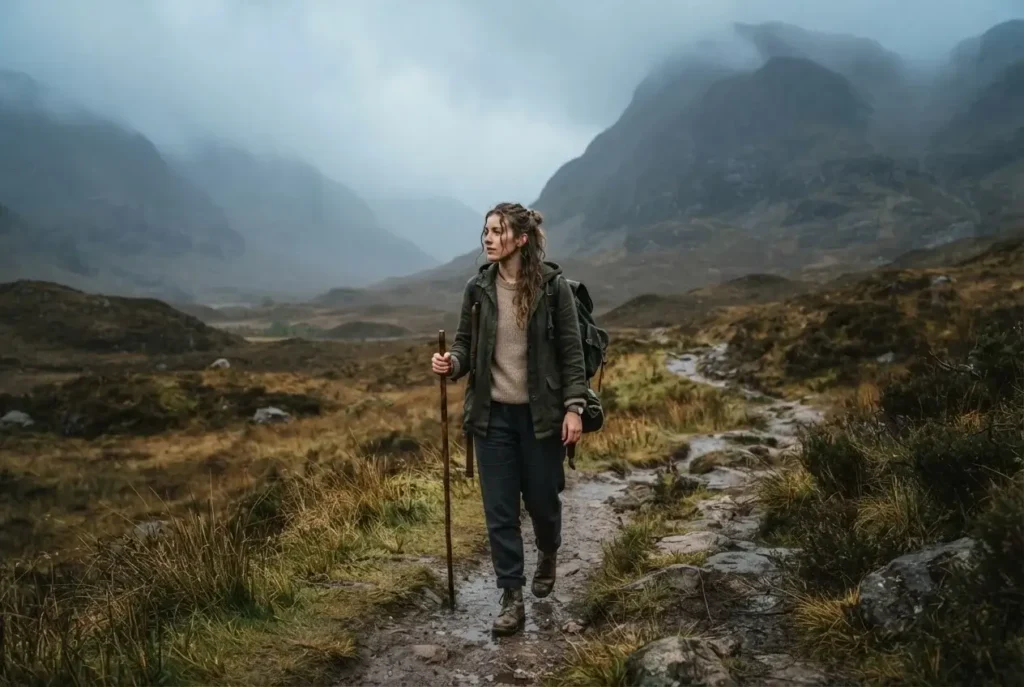
You don’t have to talk to anyone if you don’t want to, but the option is always there.
- The Adventure: Wild hiking. You don’t need a guide for many of the trails, but you do need to be prepared. Pack good waterproof gear, a map, and a compass. Learning to navigate using a paper map is a skill that will make you feel like a pro.
- What to Eat: Haggis, neeps, and tatties. Don’t let the reputation scare you. It is a savory, spiced pudding served with turnips and potatoes. It is comfort food at its finest.
- Navigation: Trains run from Glasgow and Edinburgh to the main towns in the Highlands like Fort William. From there, your own two feet are your main mode of transport.
Transylvania, Romania: A Deep Dive into the Wild
If you want an adventure that feels a bit off the beaten path, go to Transylvania. It is not just about the Dracula stories; it is about the dense, ancient forests and the rugged Carpathian Mountains.
This region is perfect for travelers who want a bit of mystery. The villages are sleepy, the hiking is intense, and the history is thick. Hiking in the Carpathians is a challenge. The trails are long, the wildlife is real (bears are present, so stay alert!), and the sense of accomplishment you feel when you reach the top is unmatched.
- The Adventure: Exploring the Fagaras Mountains. These are some of the most dramatic mountains in Europe. The ridge hike is world-class and will test your endurance.
- What to Eat: Sarmale. These are cabbage rolls stuffed with minced meat, rice, and spices, usually served with polenta and sour cream. It is the fuel of the mountains.
- Navigation: Renting a car is the best way to see the villages and reach the mountain trailheads, as public transport can be a bit slow in the remote countryside.
Mastering the Art of Solo Adventure: How to Plan and Thrive
Now that you have a list of places, let’s talk about the how. A lot of people ask me, “Emma, how do you just go?” The answer is: you prepare, you stay humble, and you trust yourself.
Planning Your Health and Safety
Before you book a single ticket, take a moment to look at the practical stuff. It is not the “fun” part of travel, but it is the most important. I always check the CDC Travelers’ Health [https://wwwnc.cdc.gov/travel] website before I go anywhere new. It keeps me updated on vaccine recommendations, food safety, and any health alerts for the region. Knowing you have the right health information allows you to focus on the hike, not on worrying about “what if.”
Additionally, look up the entry requirements. I recommend bookmarking the US Department of State [https://travel.state.gov] travel pages for every country on your list. It gives you honest, clear, and updated safety ratings. If there is a protest or a travel alert, you will see it there. It helps me make informed decisions, which makes me feel confident, not anxious.
The “What-If” Factor: Insurance
I have heard so many stories of travelers who skipped insurance to save fifty dollars and ended up paying thousands for a twisted ankle or a lost bag. Don’t be that person. I always make sure I have solid coverage. I often use World Nomads [https://www.worldnomads.com] because their plans are built specifically for people who are actually out there doing activities, not just sitting in a hotel lobby. Knowing that if something goes wrong—whether it’s a medical emergency or a cancelled flight—I have support, lets me say “yes” to the scary, exciting adventures.
Packing for Independence
The biggest mistake I see solo adventurers make is overpacking. When you are traveling alone, you are the porter.
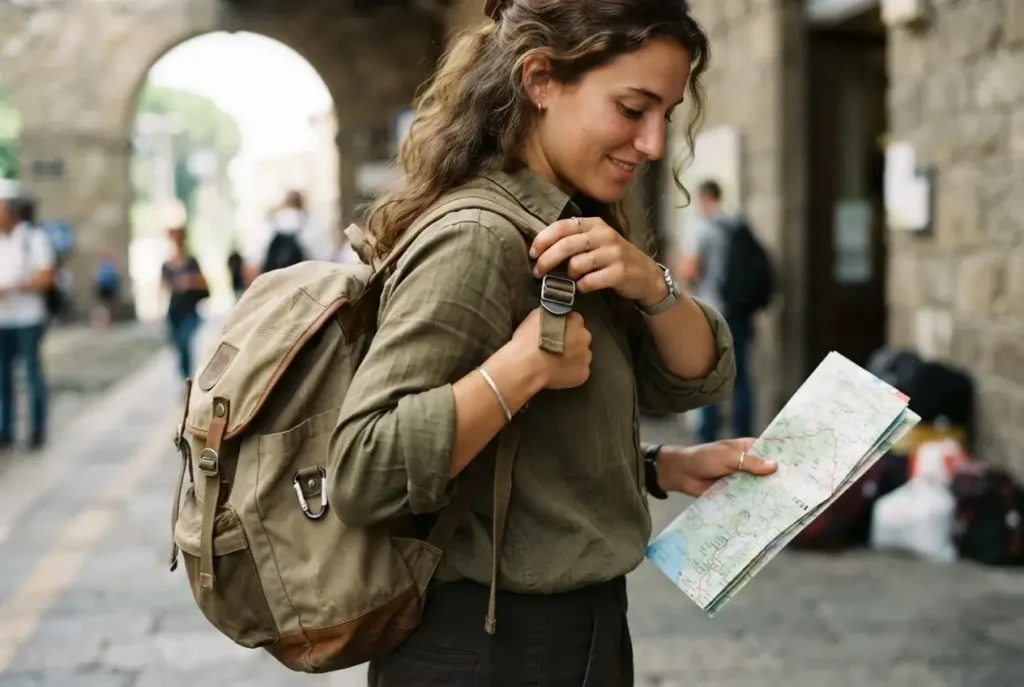
If you have to haul your luggage up a flight of stairs or run to catch a train, you want it to be light.
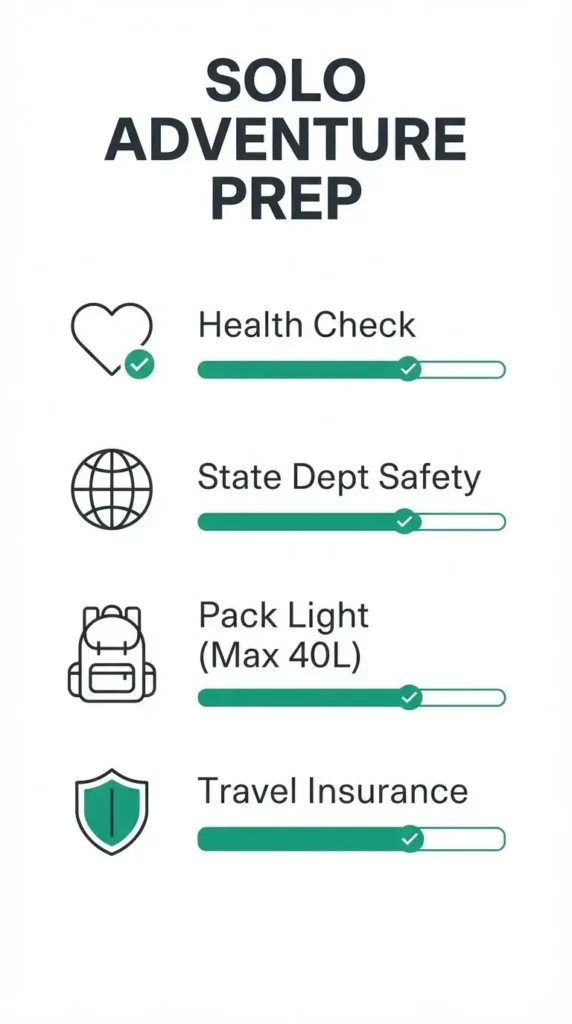
- The Backpack: Aim for a 40-liter bag. It fits in most overhead bins and forces you to prioritize.
- The Shoes: Invest in good ones. Do not buy brand-new hiking boots and wear them for the first time on a 15-mile hike. Break them in. Your feet are your most important tool.
- The Mindset: Pack clothes you can layer. Europe’s weather is unpredictable. One minute it’s sun, the next it’s a thunderstorm.
Finding Your “Why”
When you are out there, alone on a trail in Slovenia or a mountain path in Scotland, you are going to have moments where you feel lonely or tired. That is normal. That is part of the growth.
When I started, I used to panic when I got lost or when the bus schedule didn’t match the reality. I realized that my frustration wasn’t about the bus; it was about my need to control everything. The adventure starts when you let go of that control. When you ask a local for help, when you find a new path because the old one was blocked, when you sit on a bench and just watch the world go by—that is when you are really traveling.
Solo travel isn’t about being fearless. It’s about being scared and doing it anyway. It’s about building a version of yourself that knows you can handle whatever the road throws at you. You don’t need a group. You don’t need a pre-planned luxury tour. You just need curiosity, a pair of good shoes, and the willingness to take the first step.
The “perfect” time to travel is a myth. There will always be bills, there will always be work, there will always be reasons to stay home. But the world is out there, and it is waiting for you to see it. Don’t wait until you’re “ready.” You are ready now. Start small if you have to. Take a weekend trip to a nearby city. Then take a week in the mountains. Then go further. You are capable of so much more than you think.
So, where are you going first? Pack your bag. The mountains are calling.