The Best Foodie Cities in South America (And What to Eat There)

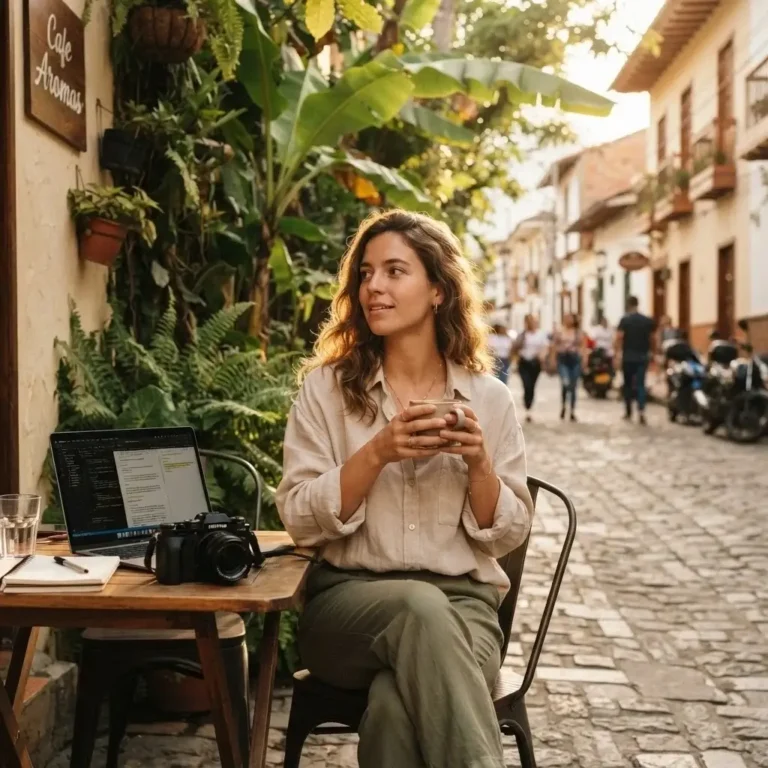
There is a version of travel where you plan your whole trip around food. Not restaurants necessarily, not Michelin stars or fancy tasting menus, but real food, the kind tied to culture and history and the hands of people who have been making it for generations. That kind of travel changes you.
South America is one of the most underestimated foodie continents on the planet. And I mean that in the best possible way. Because while most travelers still think of Europe or Southeast Asia when they imagine food trips, the cities in this region are quietly doing some of the most exciting, globally recognized cooking in the world right now.
If you are planning a South American trip and you care about eating well, this guide is for you. Whether you have two weeks or two months, here is where to go and, more importantly, what to order when you get there.
Why South America Belongs on Every Foodie’s Radar
When I was working as a sightseeing guide back in New York, I used to tell tourists that the food of any city is its story told on a plate. I believed it then, and I believe it even more now. South America’s cuisine is the story of Indigenous ingredients, African influences, European immigration, and Japanese diaspora communities, all mixing together over centuries into something that cannot be easily replicated anywhere else.
Here is the bigger picture before we get into cities: Peru has won South America’s Leading Culinary Destination at the World Travel Awards for 2025, making it the 11th time the country has claimed that title overall. A Lima restaurant just became the world’s best. A Bogota restaurant just topped Latin America. This is not hype. This is the culinary world catching up to what South American chefs have been doing for a long time.
Now let’s get into the cities.
Lima, Peru: The City That Earned Its Reputation
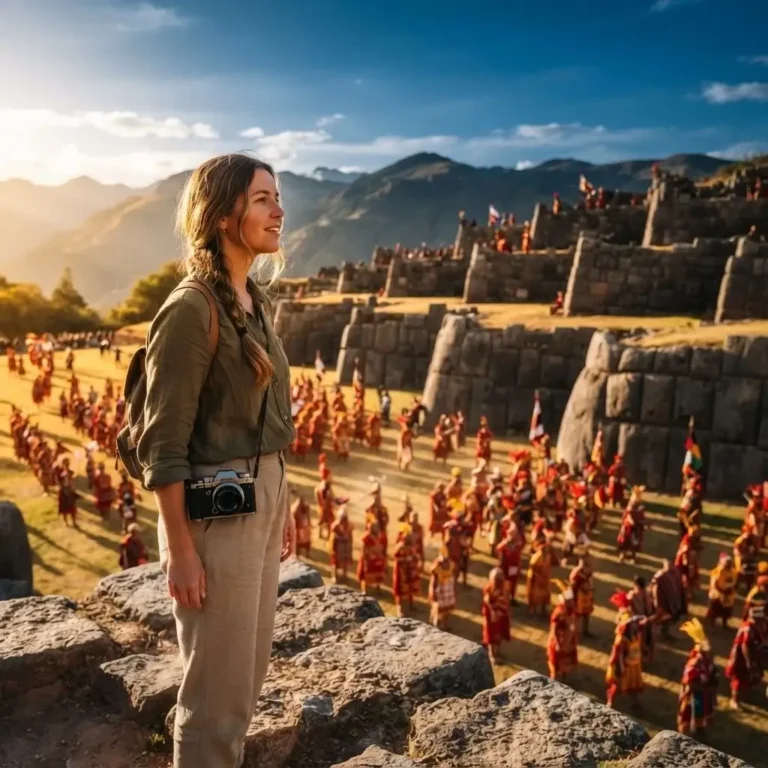
If there is one city in South America where food is a genuinely national obsession, it is Lima. Not in a trendy way. In the way that a dish’s preparation has been passed down through families for centuries and is now considered part of the country’s living culture.
Ceviche is the obvious starting point. Peru’s ceviche, fresh fish cured in lime juice with chili and salt, was formally inscribed on UNESCO’s Representative List of Intangible Cultural Heritage of Humanity in 2023. That is not a marketing headline. That is a recognition that this dish, its preparation, and the community knowledge surrounding it matter to humanity. When you eat ceviche in Lima, you are eating something with weight behind it.
One thing most travel guides miss: ceviche is a lunch dish. Cevicherias buy fish at dawn and serve it fresh at midday. Going at dinner means you are getting day-old fish, and in Lima, that is considered a sin. Head to a cevicheria in the Miraflores neighborhood between noon and 2pm for the best experience. Ask for “leche de tigre” on the side, which is the leftover lime marinade. Locals drink it straight. It is sharp and bright and bracing.
Lima has also become a destination for serious fine dining. Maido, led by chef Mitsuharu ‘Micha’ Tsumura, was named the World’s Best Restaurant in 2025, a Nikkei (Peruvian-Japanese fusion) restaurant that captures what makes Lima so singular: centuries of migration turned into something completely new. You do not have to book Maido to feel the Nikkei influence. It shows up everywhere in Lima, from small Japanese-Peruvian diners in the Pueblo Libre neighborhood to market stalls selling tiradito, the lighter, Japanese-inflected cousin of ceviche.
Beyond ceviche, work your way through lomo saltado (a stir-fry that shows Lima’s Chinese immigrant influence), aji de gallina (a creamy yellow-chili chicken stew), and anticuchos, which are grilled beef heart skewers sold from street carts in the evening. They sound intimidating. They taste like the best thing you have ever put on a stick.
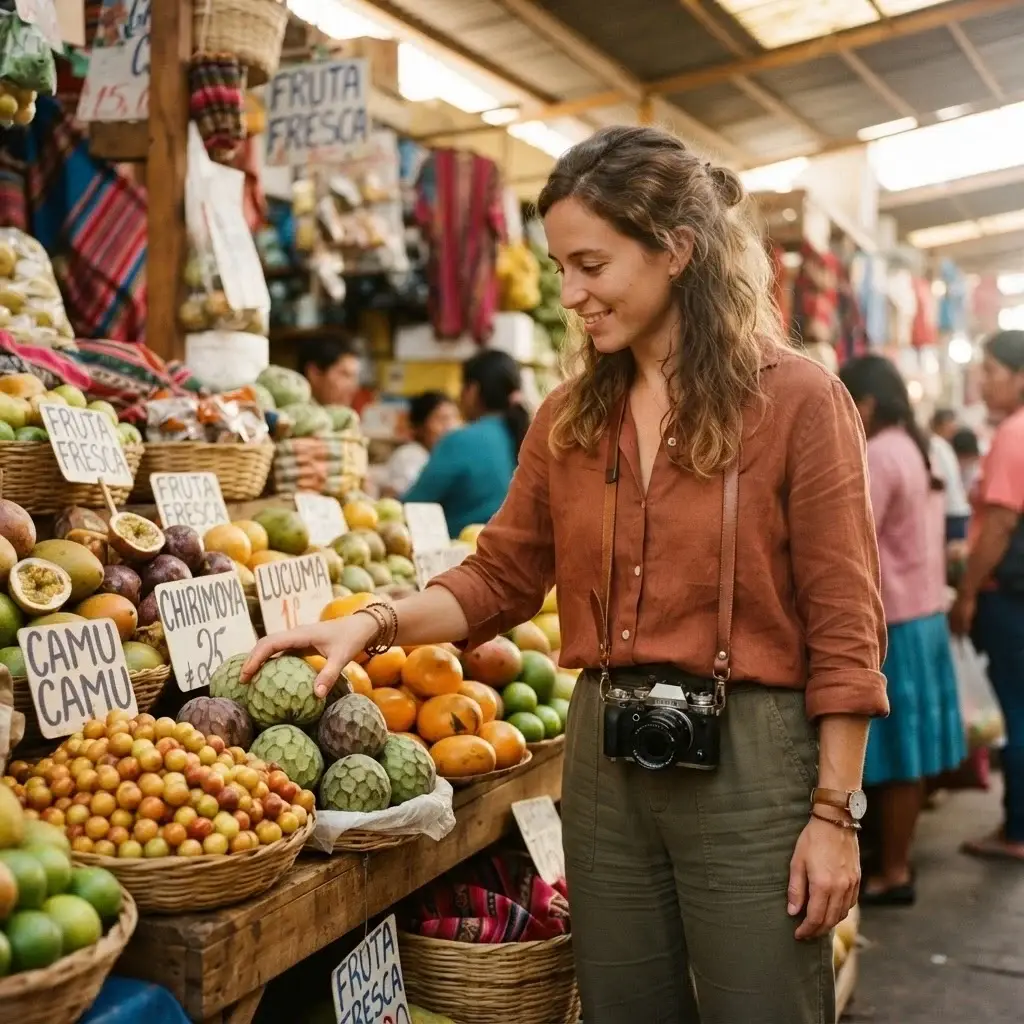
Solo traveler tip for Lima: The Surquillo market (Mercado No. 1 de Surquillo) is where local cooks shop. Walk through it, buy a bag of whatever fruit you do not recognize, and ask the vendor what it is. Every solo traveler I have spoken to who has done this describes it as one of the best hours they spent in Lima.
Buenos Aires, Argentina: Where Meat Is a Love Language
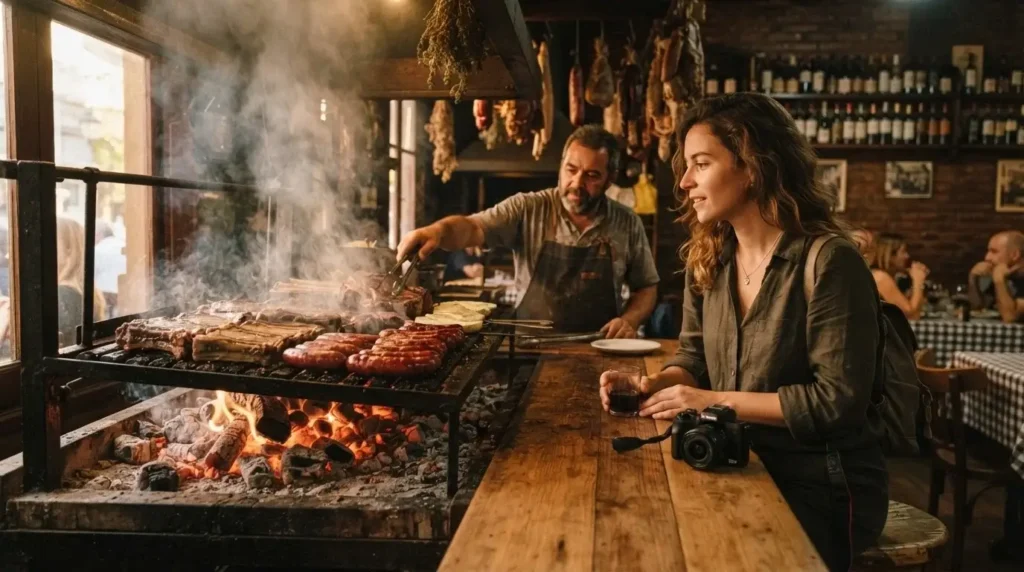
Buenos Aires has a food identity built around one thing: asado. The Argentine barbecue tradition is so deeply woven into the country’s culture that saying “let’s have asado” is really saying “let’s gather, let’s celebrate, let’s be together.”
For solo travelers, this can feel like a tradition you can only observe from the outside. But that is not quite true. The city’s parrillas (steakhouses) are set up for solo dining, and sitting at the bar counter and watching a skilled parrillero work a live-fire grill is a perfectly complete experience. What you want to order: a chorizo sandwich (choripan) to start, then a short rib (asado de tira), cooked low and slow over coals, not flames. If you want to understand the culture behind what you are eating, this breakdown of Argentine asado tradition explains the process and etiquette well before your first visit.
Buenos Aires is also one of the great empanada cities in the world. Each region of Argentina has its own version, and in the city you will find them at bakeries, markets, and takeaway windows. The Buenos Aires style tends toward beef, olive, and hard-boiled egg inside a flaky baked shell. Cheap, filling, and utterly satisfying at any hour.
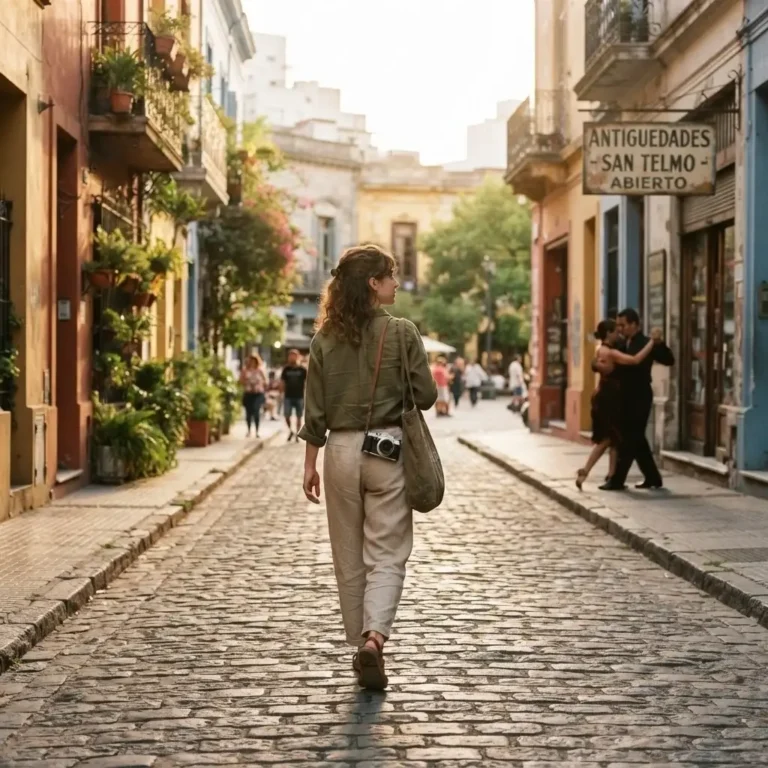
The San Telmo neighborhood is where you want to spend a morning. The indoor market at Mercado de San Telmo has been running since 1897. You will find everything from fresh produce stalls to little sit-down lunch counters where locals eat empanadas, milanesa (a breaded beef or chicken cutlet), and choripan. On Sundays, the surrounding streets fill with a street fair that stretches for several blocks. Go early before the crowds.
Do not leave Buenos Aires without eating dulce de leche from something, anything. It is caramel-adjacent but thicker and more intense. Spread it on medialunas (small croissant-like pastries) at a cafe in the morning with a cortado, and you will understand why Argentines are unapologetic about their food culture.
A note on budget: Buenos Aires has been one of the more affordable major cities in South America for foreign travelers in recent years due to the exchange rate. A full sit-down meal at a mid-range parrilla can run roughly $10 to $18 USD for a main. Street food and takeaway empanadas can be $1 to $3 each.
Bogota, Colombia: The Underdog That Just Topped Latin America
Bogota does not always appear at the top of South America food lists. That is a mistake, and the global culinary community has started catching on in a real way.
In late 2025, El Chato in Bogota was named the Best Restaurant in Latin America by Latin America’s 50 Best Restaurants, the most credible ranking in the region. Chef Alvaro Clavijo returned to Bogota after working in Paris kitchens and at iconic restaurants like Noma and Per Se, then used his savings to open a contemporary Colombian bistro that sources entirely from small local producers. The menu changes constantly based on what those producers harvest. It is a reservation worth planning around if fine dining is on your agenda.
But Bogota’s food story is not only about tasting menus. It is about changua, a simple milk and egg soup that Bogotanos eat for breakfast, which sounds strange and tastes comforting and strange in the best way. It is about ajiaco, a thick potato and chicken soup that has been feeding this high-altitude city for centuries. It is about the city’s markets and fruit stalls selling guanabana, lulo, and feijoa, tropical fruits that most travelers from the northern hemisphere have never encountered.
La Perseverancia market in the Chapinero neighborhood is where locals do their morning shopping. The fruit variety alone is worth going for. Eat a bowl of soup at one of the market stalls. It will cost you a dollar and taste like something made with genuine care.
Bogota is also surprisingly good for vegetarians and plant-based eaters, which is not something most South American food guides acknowledge. The city’s diverse population and progressive food culture have produced a solid range of plant-forward options across multiple neighborhoods.
Cartagena, Colombia: Coastal Flavor With Caribbean Soul
If Bogota is the intellectual food city of Colombia, Cartagena is the joyful one. The coastal Caribbean city runs on seafood, tropical fruit, and a kind of easy generosity that you feel in every meal.
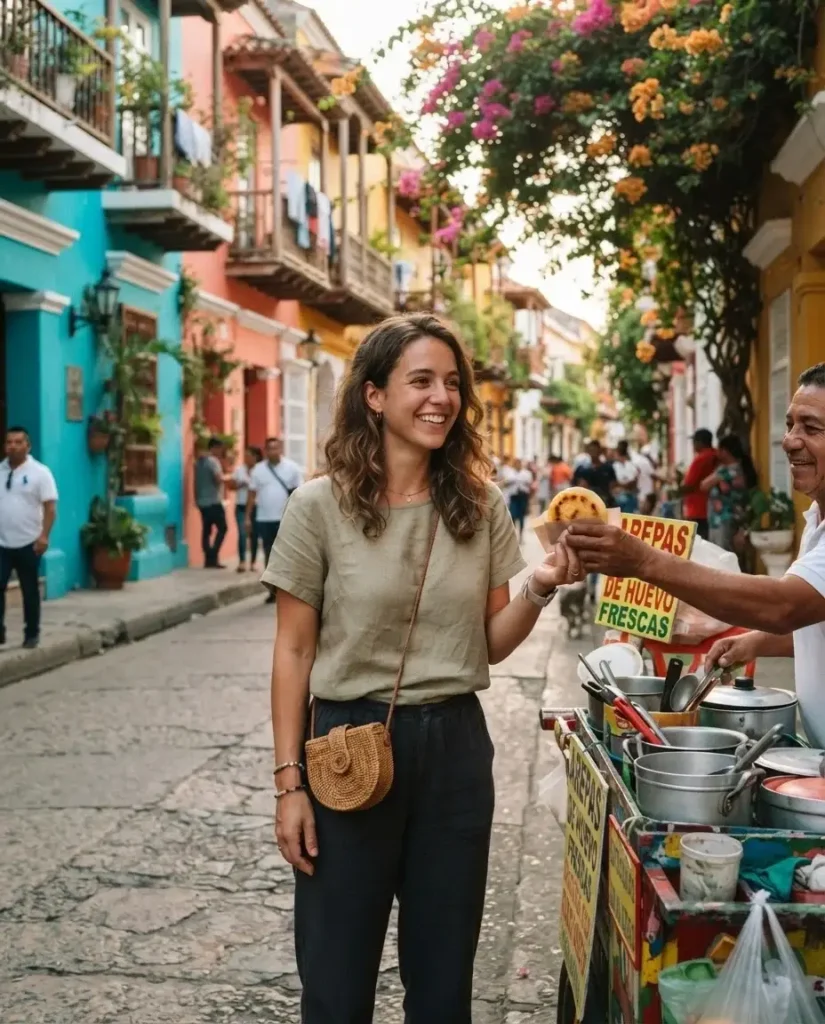
From what solo travelers consistently report, Cartagena’s street food scene is where the real eating happens. The city’s vendors and cooks have kept traditions alive in ways that restaurant menus can not always replicate. Look for arepas de huevo, a thick fried corn cake stuffed with egg and sometimes meat, sold by women called “areperas” who have often been making them the same way for decades. Find a posta negra, slow-cooked beef in a dark sauce of tamarind and panela, at one of the small fondas (local canteens) in Getsemani, the neighborhood just outside the walled city.
The walled city (Ciudad Amurallada) itself is gorgeous but increasingly tourist-priced. Eat your serious meals in Getsemani and use the walled city for a cold coconut agua (coconut water sold from carts) as you walk. That said, the seafood in Cartagena is genuinely exceptional across price points. Arroz con mariscos (seafood rice) at a simple restaurant near the waterfront can be one of the most satisfying meals of a whole trip.
Solo traveler note: walking food tours in Cartagena are genuinely worth the cost for first-timers. They move through neighborhoods you might not find on your own, the guides explain the cultural context behind what you are eating, and you end up with a mental map of the city’s food geography that shapes the rest of your time there.
Sao Paulo, Brazil: The Most Underrated Foodie City on the Continent
Ask most people to name Brazil’s best food city and they say Rio de Janeiro. They are wrong. It is Sao Paulo, and it is not particularly close.
Sao Paulo is one of the most ethnically and culturally diverse cities in the Western Hemisphere. It has the largest Japanese diaspora community outside Japan. It has massive Italian, Lebanese, and Korean communities. The result is a food city where you can eat Japanese yakitori one night, wood-fired Neapolitan pizza the next, and Brazilian churrasco the night after that, and every version is made by people who have been cooking it for generations.
The Liberdade neighborhood is the city’s Japanese-Brazilian epicenter. The Sunday street market there sells everything from fresh sashimi to Japanese sweets to pasteis de queijo (fried cheese pastries). If you love Japanese food, budget a morning for this neighborhood. You will not be disappointed.
For Brazilian cooking specifically, the churrascaria experience is the obvious landmark, and it is worth doing at least once. Rodizio-style churrascaria means waiters bring skewers of different meats to your table continuously until you tell them to stop. Picanha (top sirloin cap) is the cut to focus on. The Pinheiros neighborhood has an excellent range of mid-priced churrascarias alongside more creative contemporary restaurants.
Casa do Porco, ranked number 4 in Latin America’s 50 Best 2025, is worth a special mention. Chef Jefferson Rueda’s whole-pig cooking concept has put Sao Paulo’s contemporary food scene on the global map. The menu changes based on what cuts are available that day, and the dining experience feels distinctly and proudly Brazilian.
Budget reality for Sao Paulo: This is one of South America’s more expensive cities for eating. Street food and market meals will run $3 to $8. A mid-range restaurant dinner will be $15 to $30. Budget accordingly, but know that street-level eating here is genuinely excellent.
Santiago, Chile: Seafood, Markets, and Comfort Food Done Right
Santiago is often passed through quickly by travelers on their way to Patagonia or the wine regions. That is a shame, because the city’s food culture, while quieter than Lima or Buenos Aires, is deeply satisfying.
The anchor of any food visit to Santiago is Mercado Central, the city’s famous central seafood market, which opens at 6am and runs until 5pm most days, with Friday hours extending to 8pm. The market is tourist-aware, so the restaurants inside the main hall tend toward higher prices. The move is to eat at the smaller stalls around the periphery, where local workers grab a bowl of caldillo de congrio (a congrio eel stew that Chilean poet Pablo Neruda famously wrote an ode to) or paila marina (a shellfish broth). These are not fancy meals. They are the real ones. This guide to eating in Santiago covers the neighborhood-by-neighborhood breakdown well if you want more depth after this article.
Pastel de choclo is Chile’s great comfort food: a baked corn and meat casserole, somewhere between a pie and a stew, served in a clay pot.

It is heavy, warming, and perfect for the cooler temperatures that Santiago often carries. Empanadas here are baked rather than fried, typically filled with pino, a mixture of ground beef, olives, hard-boiled egg, and raisins, the raisins being a detail that surprises almost everyone the first time.
The wine connection to food in Chile is genuine. The Maipo Valley vineyards are less than an hour from the city. Even if you are not a wine person, pairing a glass of carmenere with a simple lunch in the city is the kind of easy pleasure that stays with you.
A Few Honest Notes for Solo Food Travelers in South America
Eating alone in South America is genuinely easier than people expect. The region has a strong culture of counter seating, market stalls, and casual neighborhood restaurants where solo diners are completely normal. You do not need to feel awkward or over-explain yourself. Sit down, point at what looks good if you do not speak Spanish or Portuguese, and enjoy it.
A few things I want you to know before you go: the best meals in South America are almost always not in the most obvious places. They are in markets, in neighborhoods slightly off the main tourist drag, and in small family-run spots with no English menu and plastic chairs. Follow the locals. Eat lunch where the workers eat. Order the set lunch menu (called “menu del dia” or “almuerzo”) at local restaurants, which typically includes soup, a main, and a drink for $3 to $7.

It is one of the best travel hacks on the continent.
Also: learn a few food words in Spanish or Portuguese before you go. Not because you need them to survive, but because attempting the language, even imperfectly, changes how people respond to you. It signals that you are there to engage, not just consume. That is the difference between eating at a place and experiencing it.
Which City Should You Prioritize?
If you only have time for one, go to Lima. The food there is the most distinctive, globally significant, and deeply cultural experience you will find anywhere in South America right now. It earns every piece of praise it receives, and then some.
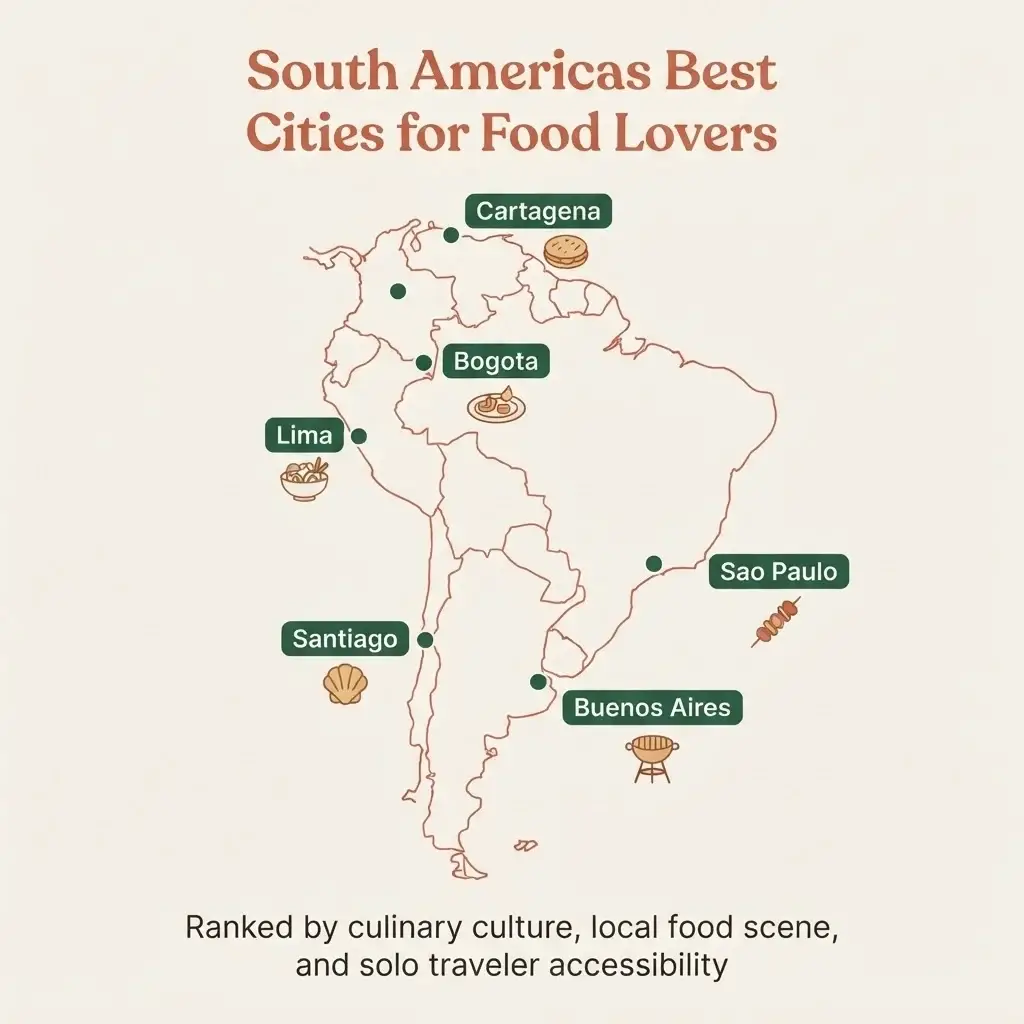
If fine dining is your priority, Lima and Bogota both deserve serious attention. If you want the most varied and cosmopolitan food experience, Sao Paulo. If you want coastal, joyful, street-level eating, Cartagena. If you want the classic South American experience tied to culture and ritual, Buenos Aires is where asado culture will earn your devotion.
The honest truth is this: South America is not one food story. It is dozens, all playing out in cities that are more different from each other than most travelers realize. The most rewarding trip is the one that gives you enough time to actually settle into a place, eat multiple meals, wander markets, and let the food teach you something about where you are.
Stop waiting for the perfect itinerary. Start with where you feel the pull. The food will handle the rest.