
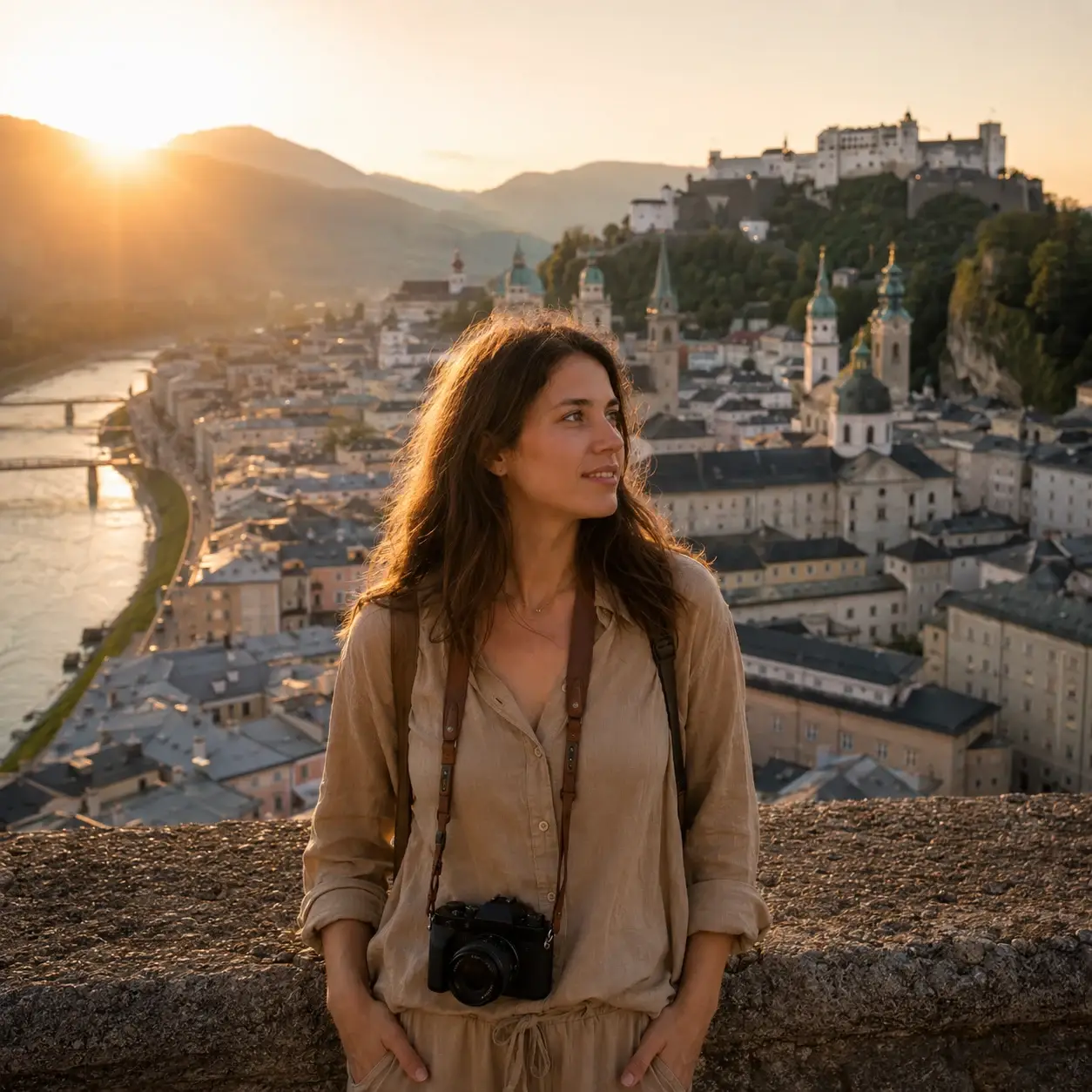
I still remember the suffocating feeling of sitting in my old corporate office cubicle in New York, staring at a tiny, flickering desktop screen. I had exactly two weeks of vacation time for the entire year. Every single day felt like a rigid routine, a endless cycle of spreadsheets and morning commutes that made my world feel incredibly small. I knew I wanted something else. I wanted to see how people lived on the other side of the ocean, to learn the rhythms of new cities, and to experience what it felt like to navigate the world completely on my own terms.
When I finally saved up enough money by working late-night shifts as a New York sightseeing guide and waitressing on weekends, Austria was one of the very first places that completely stole my heart. There is a specific kind of magic that happens when you step off a train into a city that feels both grand and intensely welcoming.
But when I was planning that first trip, I felt incredibly overwhelmed. How many days should I spend looking at palaces in Vienna? Is it easy to get to Salzburg without speaking fluent German? Will I feel lonely or out of place traveling by myself?
If you are asking yourself those exact same questions right now, please take a deep breath. You can absolutely do this trip independently, safely, and beautifully. I have taken everything I learned from my own journeys to create the best 7-day itinerary for Vienna & Salzburg. This is not a rushed, competitive checklist designed for a social media feed. This is a practical, slow-travel guide designed to help you build your solo travel confidence, connect with local history, and eat incredible food without breaking your budget. Let’s map out your week in Austria.
Why Combining Vienna and Salzburg is the Perfect Austrian Introduction
When people think about traveling to Austria, they often worry about trying to see the entire country in one short week. They try to cram in Innsbruck, Hallstatt, Graz, and the deep alpine valleys all at once. In my experience, rushing through an itinerary like that just leaves you exhausted, staring at train windows instead of actually experiencing the destination.
Focusing your seven days entirely on Vienna and Salzburg gives you the absolute perfect balance between urban grandeur and alpine charm. Vienna is a sweeping masterpiece of imperial architecture, deep musical history, and a slow-moving coffee house culture that invites you to sit and think for hours. Salzburg, on the other hand, feels intimate, dramatic, and closely connected to nature. It is nestled tightly against towering gray mountains and split by a rushing turquoise river.
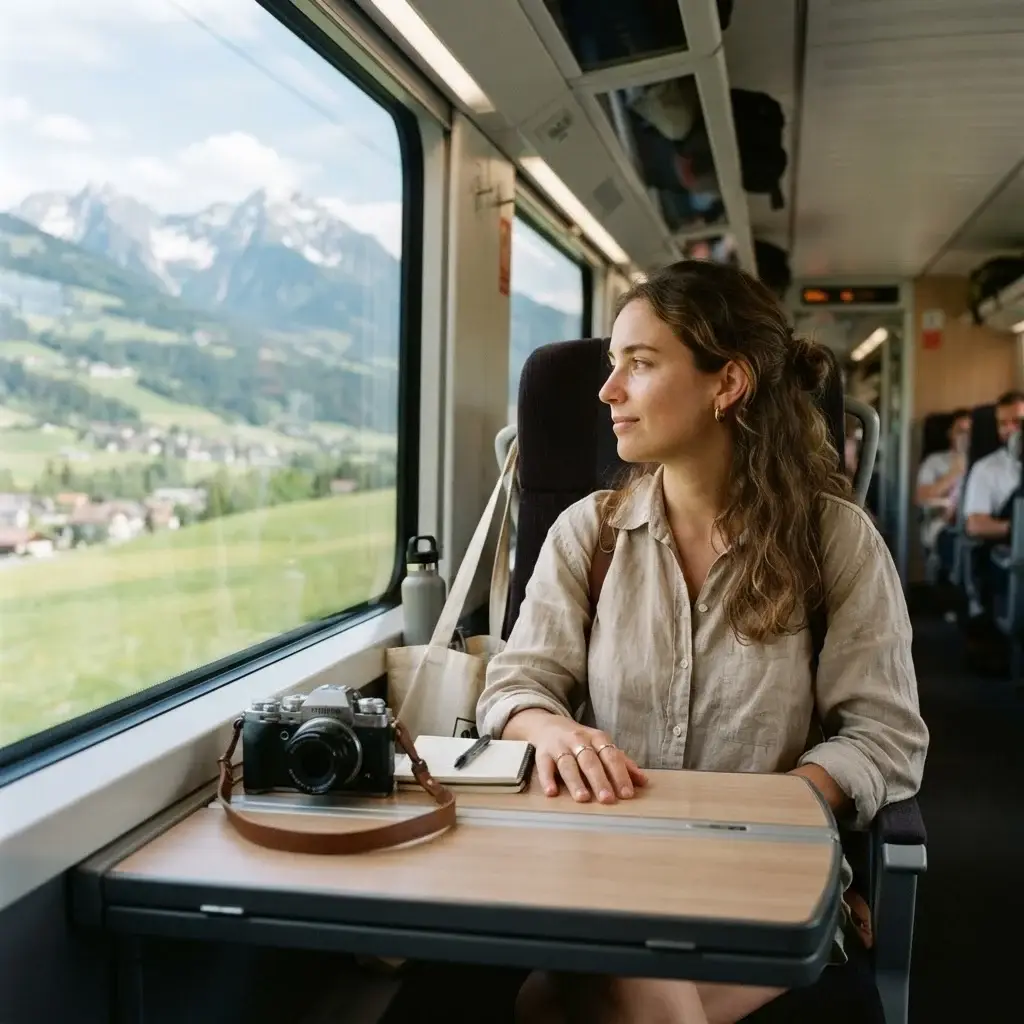
Connecting these two iconic cities is also incredibly simple. The Austrian rail network is efficient, affordable, and highly reliable. You do not need to rent a car, navigate confusing mountain highways, or deal with expensive parking fees. Traveling between them by train is a peaceful, scenic experience that gives you time to read, journal, or simply watch the green hills and tiny church steeples roll past.
Before you pack your bags, it is always a smart habit to check the official travel guidelines. I always make sure to review the latest passport validity rules and entry requirements on the US Department of State travel advisory page for Austria so that I know exactly what to expect at border control before my flight lands.
Day 1: Arriving in Vienna and Finding Your Pacing
Getting from the Airport to the City Center
The moment your flight lands at Vienna International Airport (VIE), your main goal is to get to your accommodation without spending a fortune or getting stressed out. Many tourist brochures will tell you to take the City Airport Train (CAT). It is a bright green train that looks very modern, but it costs significantly more than the standard local train.
Instead, look for the red signs pointing toward the S-Bahn local trains. You want to buy a ticket for the S7 train line. It takes about 25 minutes to reach the central Station called Wien Mitte, and it costs a fraction of the price of the express tourist train. The ticketing machines have clear English options, and you can pay with a standard debit or credit card.
Vienna Transit Quick Reference:
[S-Bahn S7 Train] -> Best budget option from airport to Wien Mitte.
[U-Bahn Subway] -> Clean, fast, safe. Buy a 24, 48, or 72-hour pass.
[Tram Lines] -> Perfect for scenic rides around the Ringstrasse.
Navigating the Historic Ringstrasse
Once you drop off your bags at your hotel or hostel, give yourself permission to walk slowly. Vienna is laid out in a brilliant way. The historic center, known as the Innere Stadt, is surrounded by a massive, grand boulevard called the Ringstrasse. This loop was built where old medieval city walls used to stand, and it is lined with some of the most spectacular buildings in Europe.
I highly recommend taking a self-guided walk along this loop or jumping on Tram Line 1. Sitting by the window of an old red tram as it rattles past the grand Austrian Parliament, the historic City Hall (Rathaus), and the sweeping State Opera House is the perfect, low-stress way to introduce yourself to Vienna’s layout. It is safe, easy, and gives you a wonderful visual map of the city.
Your First Austrian Coffee House Experience
You cannot say you have truly experienced Vienna until you spend an afternoon inside a traditional Kaffeehaus. This is not like a modern, fast-paced coffee shop where people grab a plastic cup and leave immediately. In Vienna, a coffee house is an extension of your own living room. It is a cultural institution where you are encouraged to buy a single drink, read the daily newspapers hanging on wooden racks, and sit undisturbed for as long as you like.
For your very first evening, head toward Café Central or Café Sperl. When you walk inside, a waiter dressed in a crisp black vest will greet you. Order a Melange, which is the classic Viennese espresso topped with warm steamed milk and a bit of foam. Pair it with a slice of Apfelstrudel (apple strudel) featuring a thin, flaky crust and perfectly spiced apples.
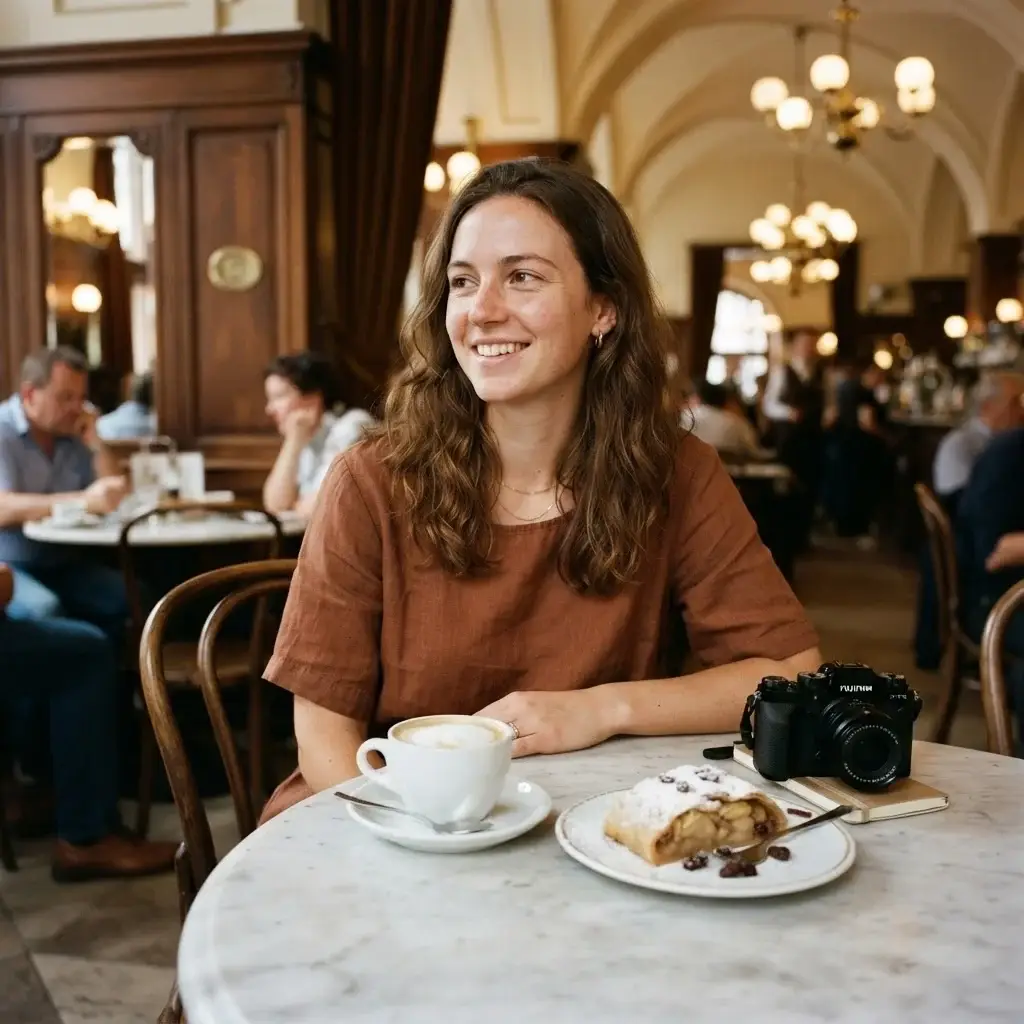
Do not feel rushed when the waiter leaves you alone. Take out your journal, map out your thoughts, and soak in the gentle clinking of porcelain spoons. This slow, intentional lifestyle is exactly what made me realize that the fast-paced corporate world wasn’t the only way to live.
Day 2: The Imperial Heart of Vienna
Morning at St. Stephen’s Cathedral
Start your second day right in the geographic and emotional center of Vienna at St. Stephen’s Cathedral (locally called Stephansdom). This massive Gothic masterpiece has a striking, colorful tiled roof that glints in the morning sun. The cathedral itself is free to enter, and walking into the cool, dark, stone interior early in the morning allows you to beat the heavy crowds.
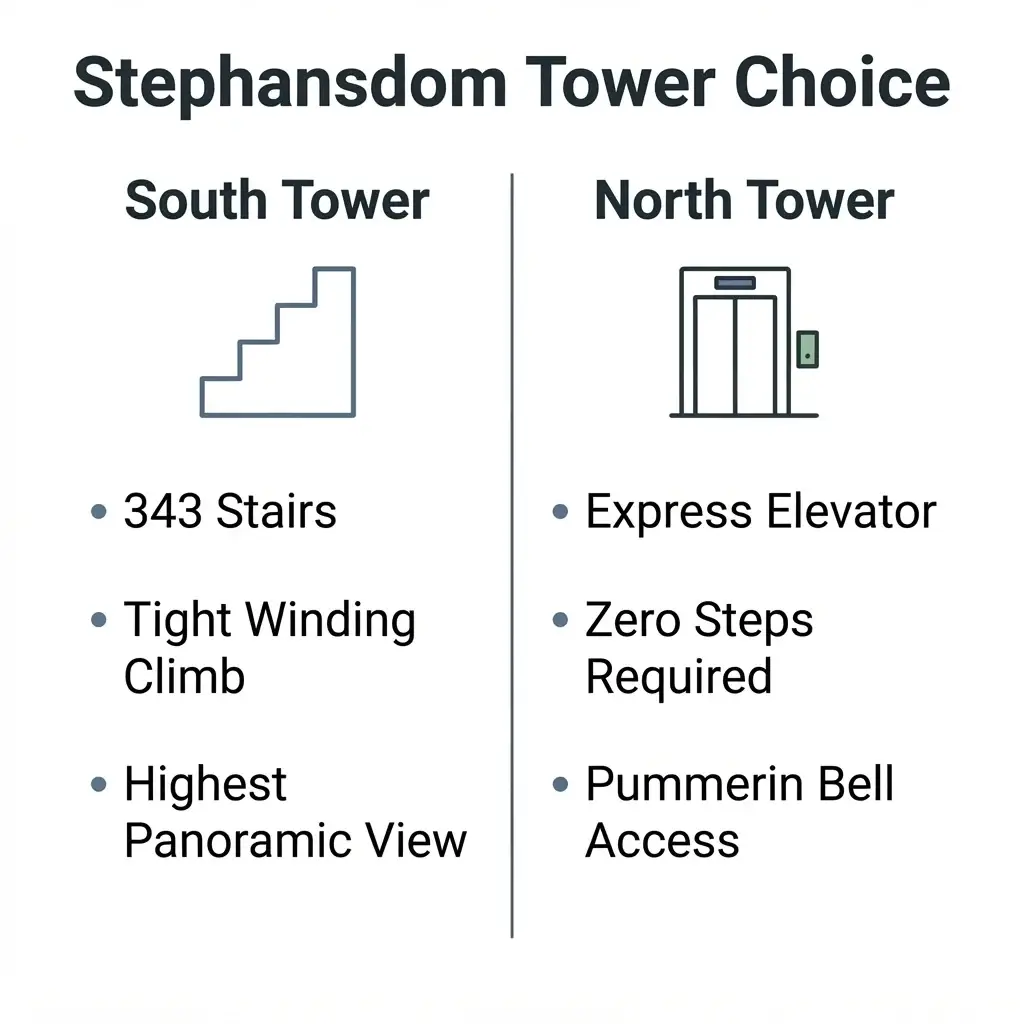
Stephansdom Tower Choice:
– South Tower: 343 tight, winding stone steps. Incredible view, but a hard climb.
– North Tower: Express elevator access. Home to the massive Pummerin Bell.
If you want a truly spectacular view of the city, you have two choices. You can climb the 343 tight, winding stone steps up the South Tower, or you can take a small elevator up the North Tower to see the massive Pummerin Bell. I usually prefer the North Tower elevator because it is less claustrophobic and lets you get much closer to the intricate, diamond-patterned roof tiles.
Walking the Graben and Hofburg Palace
After leaving the cathedral, walk down the Graben and the Kohlmarkt, two of Vienna’s most elegant pedestrian streets. These walkways are lined with historic pastel buildings, beautiful fountains, and window displays filled with delicate pastries.
At the end of the Kohlmarkt, you will walk directly through the monumental gates of the Hofburg Palace. This sprawling complex was the winter residence of the powerful Habsburg rulers for centuries. Today, it houses the Austrian President, the Spanish Riding School, and several world-class museums.
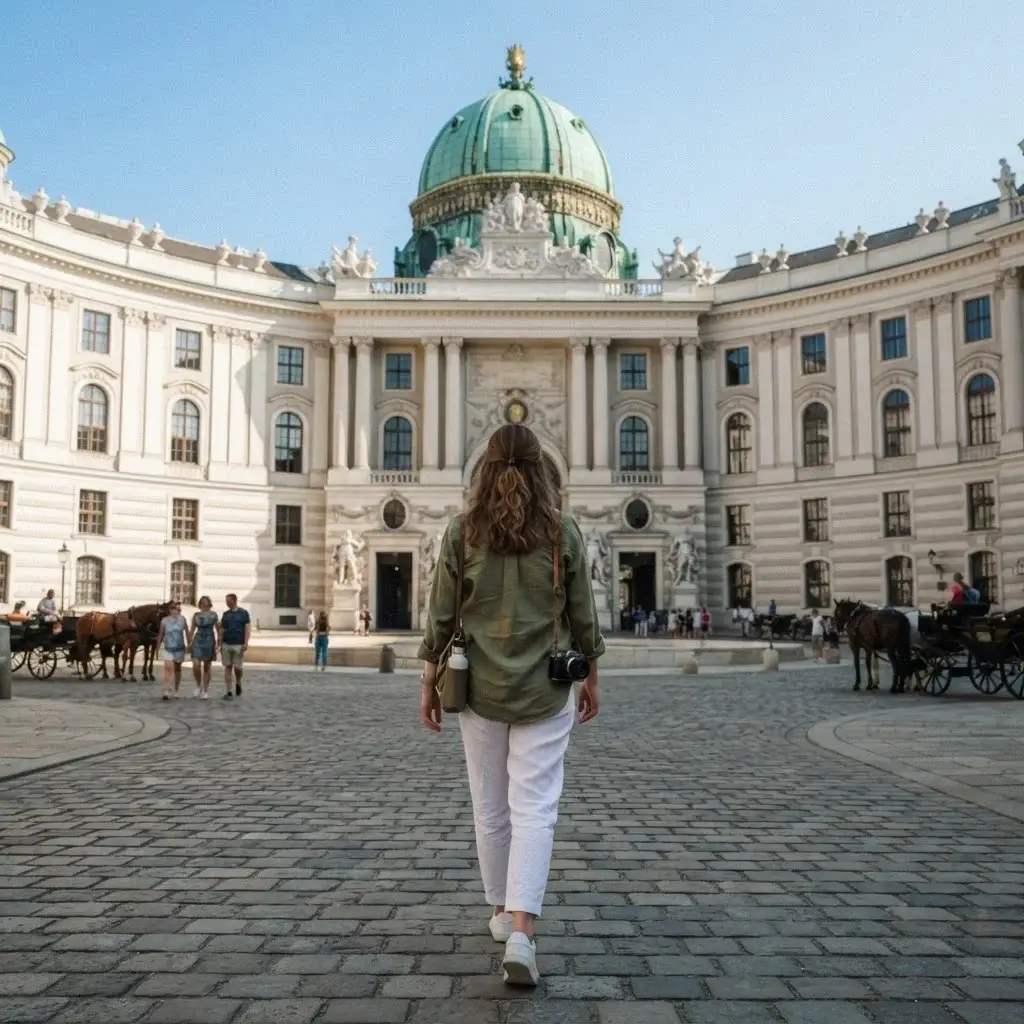
Instead of paying for every single museum inside the gate, I highly recommend purchasing a ticket specifically for the Sisi Museum. It tells the deeply fascinating, complicated, and tragic life story of Empress Elisabeth of Austria. Her struggle against the rigid rules of the royal court always reminds me of how powerful the human desire for personal freedom and self-determination truly is.
Lunch: Finding an Authentic Wiener Schnitzel
By midday, you will likely be very hungry. It is time to find an authentic Austrian lunch. Avoid the highly advertised tourist restaurants right next to the palace gates, as they often charge double the price for mediocre food. Instead, take a short ten-minute walk into the quieter side streets to find a traditional basement restaurant called a Gasthaus.
You want to look for a place like Gasthaus Wickerl or Café Anzengruber. Order the classic Wiener Schnitzel vom Kalb (traditional veal schnitzel) or the pork version (vom Schwein). A true Viennese schnitzel is pounded incredibly thin, coated in fresh breadcrumbs, and fried until the crust is a beautiful, wavy golden brown. It should always be served with a side of Erdäpfelsalat (Austrian potato salad), which is made with a tangy, bright marinade of vinegar, oil, beef broth, and a touch of mustard instead of heavy mayonnaise.
Day 3: Art, Grand Palaces, and Local Markets
Exploring the Naschmarkt Early
Begin your third morning at the Naschmarkt, Vienna’s most famous open-air market. This bustling stretch of stalls has been running for over a century. If you arrive around 9:00 AM, you will see local residents doing their daily grocery shopping before the heavy waves of tour groups arrive.
The market is split into two distinct vibes. One half is filled with vendors selling colorful fresh fruits, local cheeses, olives, and exotic spices from across Europe and the Middle East. The other half is lined with tiny, cozy restaurants and food stalls.
For a cheap and delicious breakfast, stop by a bakery stall and grab a Topfengolatsche, a traditional pastry square filled with sweet, creamy curd cheese. It pairs perfectly with the energetic morning calls of the stall owners.
The Baroque Beauty of the Belvedere Palace
Next, take a short ride on the subway (U-Bahn) or walk over to the magnificent Belvedere Palace. The Belvedere is actually a complex of two magnificent Baroque palaces (the Upper and Lower Belvedere) separated by a sweeping, terraced garden filled with fountains and sculptures. The entire historic landscape is beautifully preserved, and it is recognized globally for its immense cultural value. You can read more about why this architectural marvel is so highly protected on the UNESCO World Heritage Centre detail page for the historic center of Vienna, which highlights the incredible artistic legacy of the city.
Inside the Upper Belvedere museum, you will find an unparalleled collection of Austrian art, including the world’s largest collection of paintings by Gustav Klimt. Standing in front of his masterpiece, The Kiss, is a surreal experience. The shimmering gold leaf and intricate geometric patterns are far more vibrant and emotional in person than any textbook photograph could ever show.
Belvedere Ticket Tip:
Book your Upper Belvedere time slot online at least two days in advance.
The line for walk-up tickets can easily cost you over an hour of your afternoon.
Sunset at Schonbrunn Palace Gardens
To wrap up your final full day in Vienna, take the U4 subway line directly out to Schönbrunn Palace. This was the summer residence of the monarchs, painted in a very specific, iconic shade of imperial yellow.
Schönbrunn Palace Layout:
[Grand Palace Palace Building] -> Requires paid interior museum ticket.
[Symmetric French Gardens] -> Completely free to walk and explore.
[Gloriette Structure Hill] -> Steep walk up for the ultimate city view.
While touring the interior rooms is beautiful, my absolute favorite thing to do is completely free: exploring the massive French gardens. Walk past the symmetrical hedges and grand fountains, then make the steady, uphill hike to the Gloriette structure sitting on the crest of the hill.
As you stand by the stone arches of the Gloriette, you can look out over the entire yellow palace complex with the vast skyline of Vienna spreading out behind it. Watch the sun drop below the distant hills, painting the sky in deep shades of orange and violet. It is a peaceful, powerful view that cost nothing but a little bit of legwork.
Day 4: Journey Through the Changing Landscape to Salzburg
Booking Your Austrian Train Tickets
On your fourth morning, it is time to say goodbye to Vienna and make your way west toward the mountains. The train journey from Vienna’s central station (Wien Hauptbahnhof) to Salzburg is incredibly smooth and takes just under two and a half hours.
You have two main train operators for this route: the state-owned ÖBB (Railjet) and the private operator Westbahn. Both options are clean, fast, and feature reliable free Wi-Fi, power outlets, and clean restrooms.
Vienna to Salzburg Train Options:
– ÖBB Railjet: Departs from Wien Hauptbahnhof. Frequent schedules, deeply integrated.
– Westbahn: Often offers lower base prices if booked online early. Very modern cars.
To get the absolute best price, download the ÖBB app or visit the Westbahn website at least a few weeks before your trip. Booking early allows you to lock in a Sparschiene ticket, which is a deeply discounted advance ticket.
If you are traveling alone, I highly recommend paying an extra few Euros to reserve a specific seat. This guarantees you a quiet spot by the window so you can watch the rolling farmland slowly transform into dramatic, jagged limestone peaks as you enter the Salzkammergut region.
Arriving in Intimate Salzburg
The moment you step off the train at Salzburg Hauptbahnhof, you will immediately notice a change in energy. Vienna feels massive, imperial, and deeply historic; Salzburg feels crisp, compact, and alive with alpine air. The entire historic old town (Altstadt) is easily walkable, squeezed tightly between the rushing, glacier-fed waters of the Salzach River and steep, emerald-green cliffs.
Check into your accommodation, put on your most comfortable walking shoes, and head straight for the riverbanks. Walk across the Makartsteg bridge, where thousands of colorful love locks hang from the chain-link railings. Looking across the river toward the rows of pastel-colored buildings, church spires, and the massive fortress looming high above the city is a view that will instantly make you smile.
A Evening Walk Down the Getreidegasse
Spend your first afternoon wandering down the Getreidegasse, Salzburg’s most famous narrow shopping street. What makes this historic lane so unique is that every single shop—even modern global brands—is legally required to display an intricate, hand-crafted wrought iron guild sign above the door.
Getreidegasse Highlights:
– Wrought Iron Guild Signs: Hand-crafted iron artwork above every doorway.
– Mozart’s Birthplace: The bright yellow house located at Number 9.
– Hidden Passageways: Durchhäuser (through-houses) leading to quiet courtyards.
As you walk down the flagstone path, look closely for the narrow, arched entryways known as Durchhäuser (through-houses). These are public pedestrian cut-throughs that lead through the ground floors of historic buildings into quiet, beautiful hidden courtyards filled with ivy and small fountains.
At Number 9 Getreidegasse, you will find a bright yellow house where Wolfgang Amadeus Mozart was born in 1760. You don’t necessarily have to pay to go inside the museum if you aren’t a classical music scholar; simply standing in the historic courtyard and imagining a young musical genius practicing his violin in these exact rooms is magical enough.
Day 5: Exploring Fortress Heights and Baroque Alleys
Dominating the Skyline: Hohensalzburg Fortress
Start your morning early by conquering Hohensalzburg Fortress (Festung Hohensalzburg), the colossal 11th-century castle that sits proudly on top of the Festungsberg hill. It is one of the largest fully preserved medieval fortresses in all of Europe, and it has never been conquered by enemy forces.
To reach the top, you can take a ride on the Festungsbahn funicular, a steep cable railway that zips up the cliff face in under a minute. However, if you want a great morning workout and want to save a little cash, there is a beautifully paved, steep walking path that winds up from behind the Kapitelplatz.
Walking up allows you to see the thick defensive walls up close and experience the true scale of the structure. Once inside the main courtyard, explore the ancient watchtowers, the historic armory, and the opulent Golden Hall.
The absolute best part of the fortress, though, is the panoramic view from the outer wooden viewing platforms. On one side, you look down at the uniform rooftops, domes, and spires of the Old Town. On the other side, you look out over rolling alpine meadows dotted with traditional wooden barns, backed by the sheer, snow-dusted walls of the Untersberg mountain.
Descending to St. Peter’s Abbey and Cemetery
After heading back down the hill, step inside the serene grounds of St. Peter’s Abbey (Stift St. Peter). This is the oldest continuously active monastery in the German-speaking world, dating all the way back to the year 696.
St. Peter’s Abbey Checklist:
[Monastic Church] -> Beautiful, ornate late-Baroque interior details.
[Ancient Cemetery] -> Historic iron graves tucked against raw rock cliffs.
[Early Catacombs] -> Early Christian rooms carved directly into the stone walls.
The abbey’s cemetery (Petersfriedhof) is incredibly beautiful and peaceful. It is filled with carefully tended flower beds, intricate wrought-iron grave markers, and ancient stone vaults carved directly into the raw rock face of the mountain. It feels like a secret garden hidden completely away from the modern world.
For a small fee of a couple of Euros, you can climb a set of stone steps into the catacombs carved into the rock wall. These early Christian prayer rooms are simple, dark, and filled with history, offering a quiet space to reflect on your journey.
Tasting Local Delicacies: Kaspressknödel and Salzburger Nockerl
For lunch, find a traditional local tavern like the Die Weisse or Bärenwirt. These long-standing spots serve authentic, hearty Salzburger comfort food.
You must try Kaspressknödel Suppe. This is a deeply savory, clear beef or vegetable broth served with a large, flattened dumpling made from sourdough bread crumbs and sharp, local alpine cheese that has been pan-fried until crispy before being placed in the soup. It is incredibly comforting, especially if a cool mountain breeze is blowing through the city.
Salzburg Culinary Highlights:
– Kaspressknödel: Savory pan-fried alpine cheese dumplings in hot broth.
– Salzburger Nockerl: Fluffy, sweet baked egg soufflé shaped like three mountains.
If you have a sweet tooth, make sure to share a portion of Salzburger Nockerl for dessert. This is a sweet, incredibly fluffy baked egg soufflé that is served warm and dusted with powdered sugar. It is always shaped into three distinct mounds, which are designed to represent the three major hills that frame the skyline of Salzburg: the Kapuzinerberg, the Mönchsberg, and the Rainberg. It is light, airy, and tastes like a sweet mountain cloud.
Day 6: Mirabell Gardens and a Hike for the Perfect View
The Symmetry of Mirabell Palace and Gardens
Cross back over the Salzach River to spend your sixth morning exploring the breathtaking Mirabell Gardens. Built in 1606 by an Archbishop for his beloved mistress, this palace and its grounds are a masterclass in grand, symmetrical Baroque garden design.
Walk through the grand stone gates and you will find yourself surrounded by perfectly manicured geometric flower beds, massive marble statues of mythological figures, and the iconic Pegasus Fountain.
If you grew up watching classic films, you will instantly recognize this garden as the exact filming location where Maria and the children danced and sang “Do-Re-Mi” in The Sound of Music. Standing on the famous stone steps and looking out across the gardens toward the distant fortress is one of the most cheerful and nostalgic photo spots in the entire city.
Hiking the Mönchsberg Ridge Path
In the afternoon, escape the busy shopping streets by taking a gentle nature hike right above the city roofs. The Mönchsberg is the long, narrow ridge of green hill that runs parallel to the river.
You can take the modern elevator up to the Museum of Modern Art to access the trail, or you can walk up the historic stone stairs near the Mülln district. Once you are up on the ridge, you will find yourself on a peaceful, shaded dirt path surrounded by old trees, old stone fortification towers, and tiny mountain meadows.
Mönchsberg Ridge Walk:
[Mülln Stone Stairs Entry] -> [Shaded Forest Trails] -> [Humboldt Terrace View] -> [Modern Art Museum Area]
As you walk along the ridge toward the fortress, the forest will occasionally open up to reveal the Humboldt Terrace. This is my absolute favorite viewpoint in Salzburg. From this high stone ledge, there are no glass barriers or fences between you and the historic city center below.
You can hear the distant, melodic ringing of the cathedral bells and watch the turquoise river cut through the pastel buildings. Bring a simple picnic lunch of local bread, cheese, and fresh fruit from the market, sit on a wooden bench, and just soak it all in.
Day 7: Choosing Your Own Adventure in the Alpine Surroundings
Option A: The Historic Trick Fountains of Hellbrunn Palace
For your final day in Salzburg, you have a wonderful opportunity to head slightly outside the city center to see the beautiful alpine countryside. If you want something lighthearted, historic, and incredibly unique, take local Bus 25 south to Hellbrunn Palace (Schloss Hellbrunn).
Built in the early 1600s as a summer day-residence for an eccentric Prince-Archbishop, Hellbrunn was designed purely for amusement and entertainment. The main highlight here is the famous Wasserspiele (Trick Fountains).
The Archbishop hid hundreds of secret water jets inside stone benches, grottoes, paths, and mechanical moving theaters. As you take a guided tour through the beautiful gardens, the guide will secretly activate the hidden water valves, playfully splashing unexpected guests. It is an incredibly fun, interactive experience that reminds us that people centuries ago loved to laugh and play just as much as we do today.
Day 7 Excursion Choices:
– Hellbrunn Palace: Lighthearted, hidden water fountains, beautiful grounds. Great for a fun afternoon.
– Untersberg Mountain: Dramatic alpine peaks, cable car ascent. Perfect for nature lovers.
Option B: High Alpine Views on the Untersberg Mountain
If you want a true, dramatic mountain experience before your journey ends, stay on that same Bus 25 all the way to its final stop at the base of the Untersberg Mountain. This towering limestone mountain marks the border between Austria and Germany.
You don’t need any technical climbing gear or extreme hiking experience to reach the top. You can step inside the large Untersbergbahn cable car, which glides dramatically up the sheer, vertical rock face in less than ten minutes.
The moment you step out of the top station, you are standing over 6,000 feet above sea level. The air up here is incredibly crisp, cool, and thin.
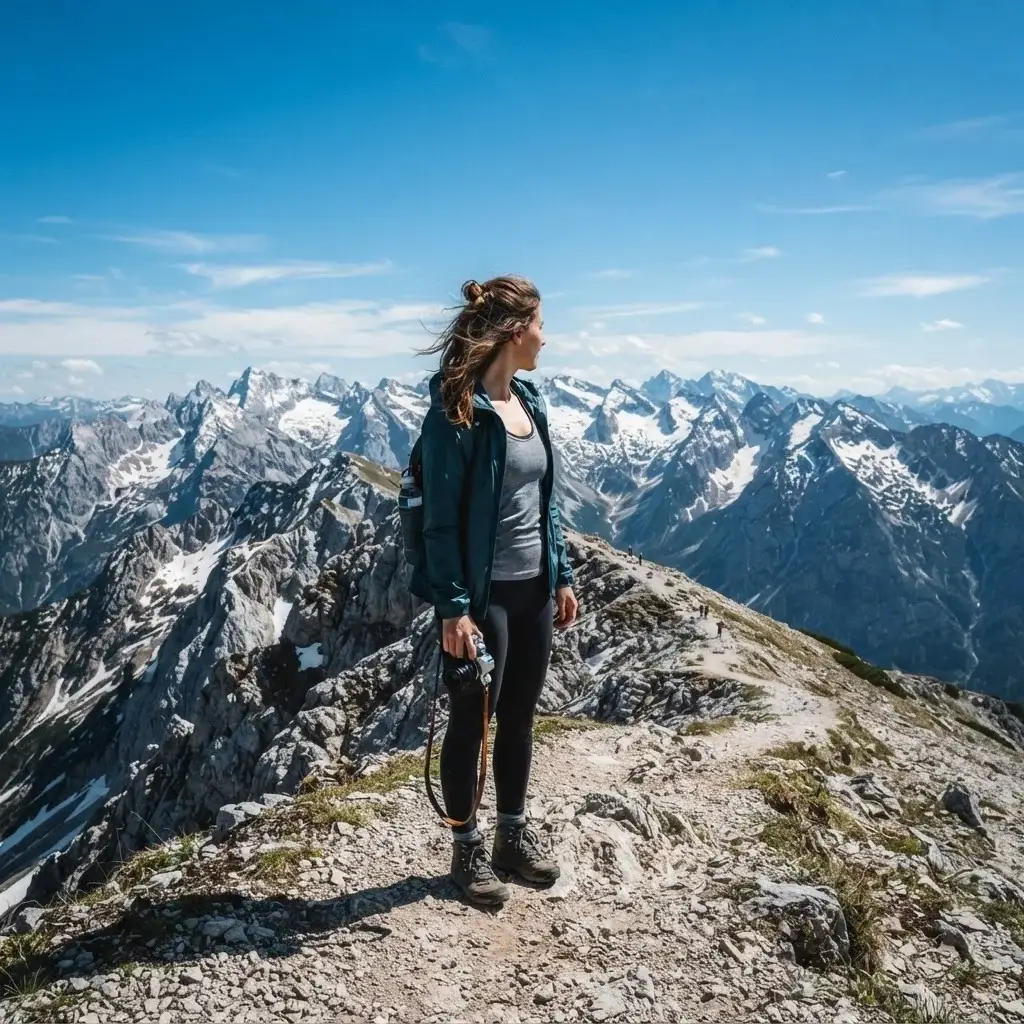
A well-maintained gravel path leads along the mountain ridge to a massive wooden summit cross. As you stand at the peak, look north to see the entire Salzburg valley looking like a tiny toy set, or look south to see an endless sea of jagged, snow-capped alpine peaks stretching deep into the horizon. It is a humbling, expansive view that completely reframes your perspective, reminding you how beautiful the world is when you have the courage to step out and explore it.
Practical Tips for a Smooth Austrian Journey
Staying Healthy and Prepared on the Road
When you are spending long days walking on historic cobblestones, climbing steep fortress paths, and exploring vast palace gardens, taking simple care of your body is essential for keeping your travel confidence high. Packing a basic personal first aid kit with blister bandages, headache tablets, and any personal medications is always a smart move.
If you ever feel unwell or need to check on local health guidelines while traveling, it is very reassuring to know that the CDC Travelers’ Health site for Austria provides clear, trustworthy health advice, regional safety updates, and simple food safety tips to keep you feeling strong and energized throughout your entire independent trip.
Navigating the Language Barrier with Confidence
One of the biggest fears that keeps people from booking their first independent European trip is the language barrier. In Austria, the official language is German. However, please do not let this cause you any anxiety.
In both Vienna and Salzburg, the vast majority of locals, transit workers, waiters, and museum staff speak excellent English. All major transit ticket machines, train announcements, and restaurant menus feature clear English translations.
That being said, making a small effort to use a few basic German words is a wonderful way to show respect for the local culture. It breaks the ice instantly and always brings a warm smile to the faces of the people you meet. Try saying “Hallo” (Hello), a polite “Bitte” (Please), “Danke” (Thank you), or a friendly “Tschüss” (Goodbye) when leaving a small bakery or coffee house.
Managing Cash, Cards, and Tipping Etiquette
Austria uses the Euro (€) as its official currency. Credit and debit cards are widely accepted in almost all hotels, major museums, train stations, and larger restaurants. However, unlike some parts of Europe that have gone completely cashless, Austria still maintains a very strong, traditional cash culture.
Many historic coffee houses, local market stalls, small neighborhood bakeries, and traditional taverns will display a small sign that says “Nur Barzahlung” (Cash Only). I always make a habit to carry at least twenty to thirty Euros in cash in my wallet every single day to avoid any awkward situations at the register. Always use an ATM located inside a reputable bank branch to withdraw cash, rather than the independent tourist ATMs found on the streets, which often charge incredibly high transaction fees.
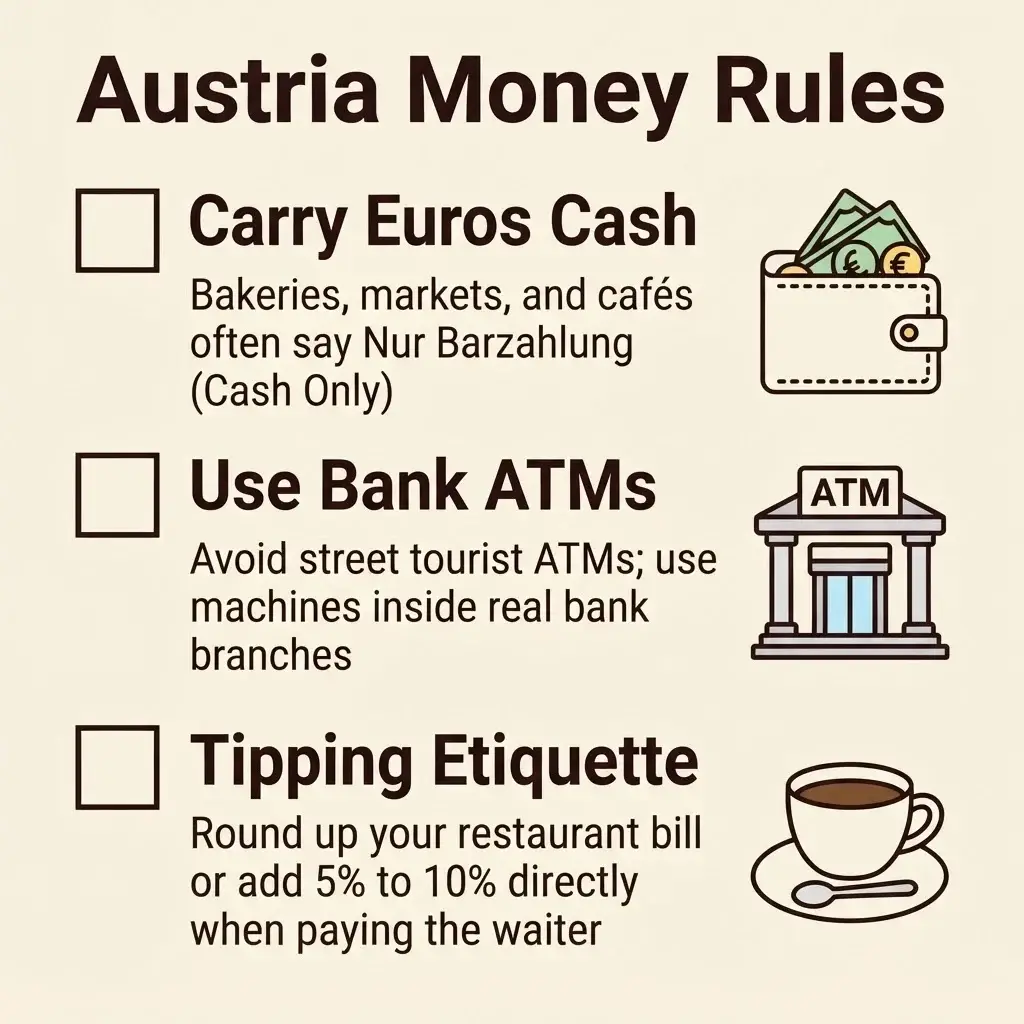
When it comes to tipping in Austrian restaurants, the system is very different from the high-percentage tipping culture in North America. Service charges are legally included in the price of your food.
However, it is customary to round up the bill to the nearest even number or add a small tip of around 5% to 10% for good service. Instead of leaving cash on the table when you walk away, you should tell the waiter the total amount you wish to pay including the tip while they are processing your payment at the table.
Moving Beyond Hesitation and Booking Your Adventure
When I was stuck in that old office routine years ago, the hardest part of travel wasn’t saving the money or navigating the foreign transit systems. The hardest part was simply finding the courage to believe that I was capable of doing it. I used to make endless excuses about why it wasn’t the perfect time, or why I should wait for a travel partner to join me.
Emma’s Travel Mantra:
Stop waiting for the perfect moment. The world rewards curiosity,
courage, and open-mindedness. Your adventure starts when you decide to take the first step.
What my time in Austria taught me is that the perfect moment simply does not exist. The world does not require you to be an absolute expert before you leave home; it simply requires you to be curious, open-minded, and willing to learn from the challenges along the way.
Whether you are sitting inside a warm Viennese coffee house watching the snow fall outside, standing in front of a radiant gold Klimt painting, or looking out over the jagged alpine peaks from the top of the Untersberg mountain, this 7-day journey will show you just how independent, resilient, and capable you truly are. Don’t wait for someday. Pack your bags, book your train tickets, and take that beautiful first step into the world today.



