
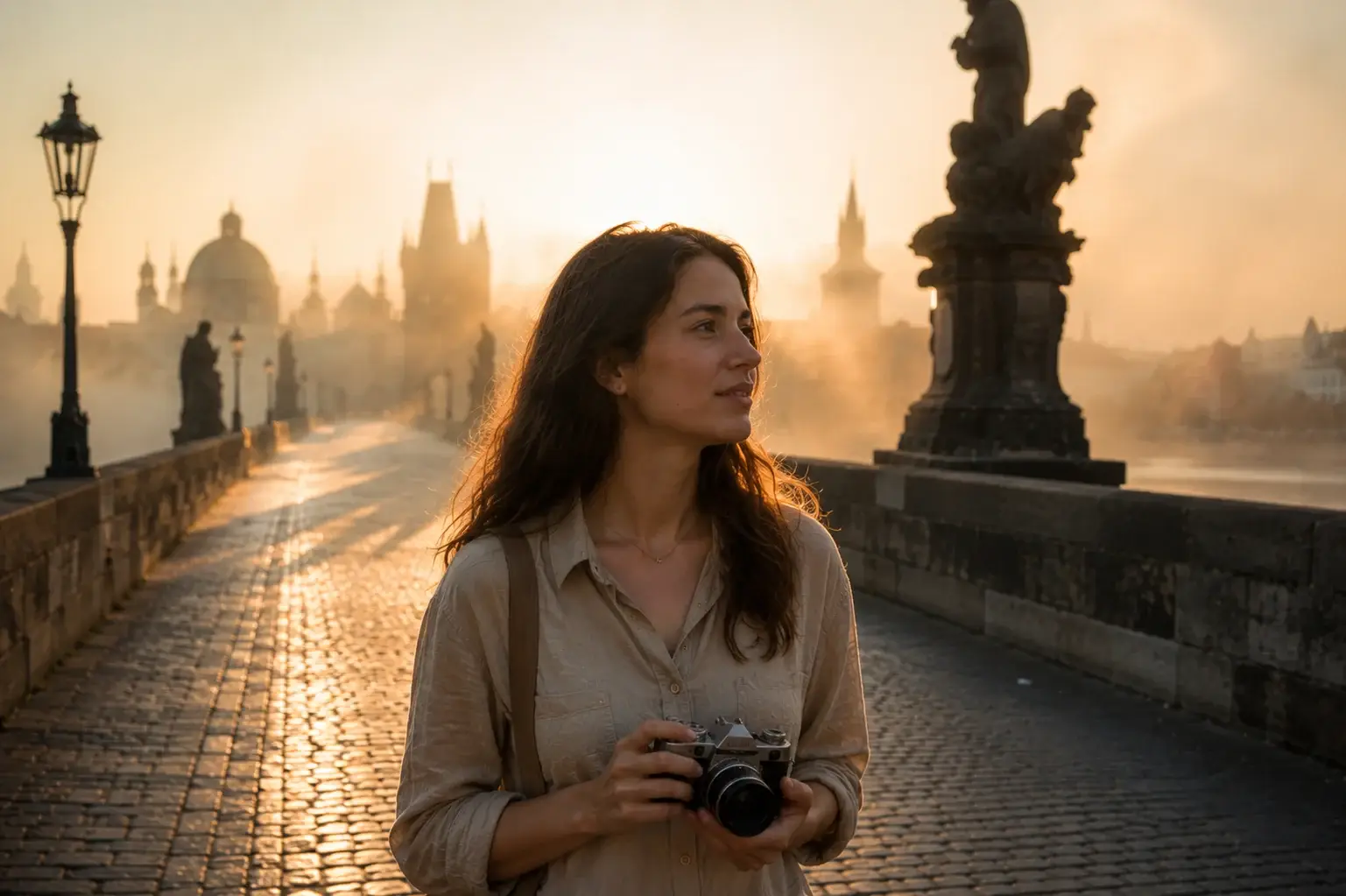
Years ago, when I was working as a certified sightseeing guide in New York City, I used to watch tourists sprint from the Empire State Building to Times Square, eyes glued to their clipboards, sweating through their shirts. They were checking off boxes, but they weren’t actually there. When I finally saved up enough waitressing tips to quit my corporate office job and buy a one-way ticket to Europe, I promised myself I would never travel that way.
Prague is a city that punishes the hurried traveler. If you try to sprint through its cobblestone alleys like you are running a marathon, you will end up with blistered feet, a camera roll full of blurry statues, and a deep sense of exhaustion. Prague reveals its magic when you slow down. It is in the smell of roasted pastries drifting through quiet side streets, the heavy weight of centuries-old stone under your boots, and the golden hour light hitting the Gothic spires.
You do not need a week to fall in love with the Czech capital, but you do need a smart, intentional plan. This guide will show you exactly how to spend 2 days in Prague without the stressful rushing. We are going to skip the frantic checklist, bypass the worst of the tourist traps, and create a weekend that gives you room to breathe, observe, and truly connect with this incredible Bohemian city.
Smart Preparation: Navigating Prague Like a Pro
Before we even step foot on the historic stones of the Old Town, we need to handle the boring but essential logistics. When I first started traveling solo after leaving my 9-to-5 grind, I learned the hard way that a little bit of upfront knowledge prevents a massive amount of on-the-road anxiety. Prague is incredibly safe, but a few quick insider tips will keep you from feeling like a lost outsider.
Safety, Documents, and Cash Reality
First things first: check your entry paperwork before you pack. If you are an international traveler, it is always a smart habit to consult the US Department of State travel advisory for the Czech Republic to verify current visa-free entry windows, passport validity rules, and safety updates.
Prague uses the Czech Koruna (CZK), not the Euro. While card payments are accepted almost everywhere, you will want a small amount of local cash for street vendors or public restrooms.
- The Golden Rule: Never, under any circumstances, use the independent cash machines on the streets (especially those marked “Euronet”). They charge predatory conversion fees. Only use official bank ATMs located inside physical bank branches.
- Pickpocket Awareness: Prague is highly peaceful, but crowded transit lines and the immediate area around the Astronomical Clock are hunting grounds for petty pickpockets. Keep your zippers closed, never put your phone in your back pocket, and consider checking out World Nomads travel safety tips for solo explorers to boost your confidence before you arrive.
Mastering the Public Transit System
Prague has one of the best, cleanest, and most affordable public transit networks in the entire world. You do not need to take a single taxi during your 2 days here. The system relies on an honor code: you buy a ticket before boarding and validate it once in the yellow machines at the station or onboard the tram. If a transit officer checks your ticket and it isn’t stamped, you will face a hefty, non-negotiable fine.
For a 2-day trip, I highly recommend downloading the Lítačka app. You can buy a 48-hour network pass directly on your phone, activate it before you step onto the tram, and never worry about paper tickets again. Tram 22 will be your best friend—it winds through the city’s most historic neighborhoods and functions as a DIY sightseeing route for the price of a standard commute.
Day 1: The Soul of Prague—Old Town and Lesser Town
Our first 24 hours are designed to introduce you to the core historic core of Prague, but at a pace that allows you to actually savor it. We are going to wake up early to experience the city’s most iconic landmark in perfect solitude, before diving into the maze-like streets of the Old Town and crossing over to the quieter, more poetic Lesser Town.
[Day 1 Morning Route]
Charles Bridge (7:30 AM) ➔ Old Town Square ➔ Astronomical Clock ➔ Josefov (Jewish Quarter)
Morning: Sunrise on Charles Bridge and Old Town Wonders
I know, waking up early on vacation sounds like a chore. But trust me on this: if you visit Charles Bridge at 2:00 PM, you will be jostled by selfie sticks, street performers, and massive tour groups. It feels chaotic. But if you walk onto the bridge at 7:30 AM, you will find it wrapped in a soft, ethereal morning mist.
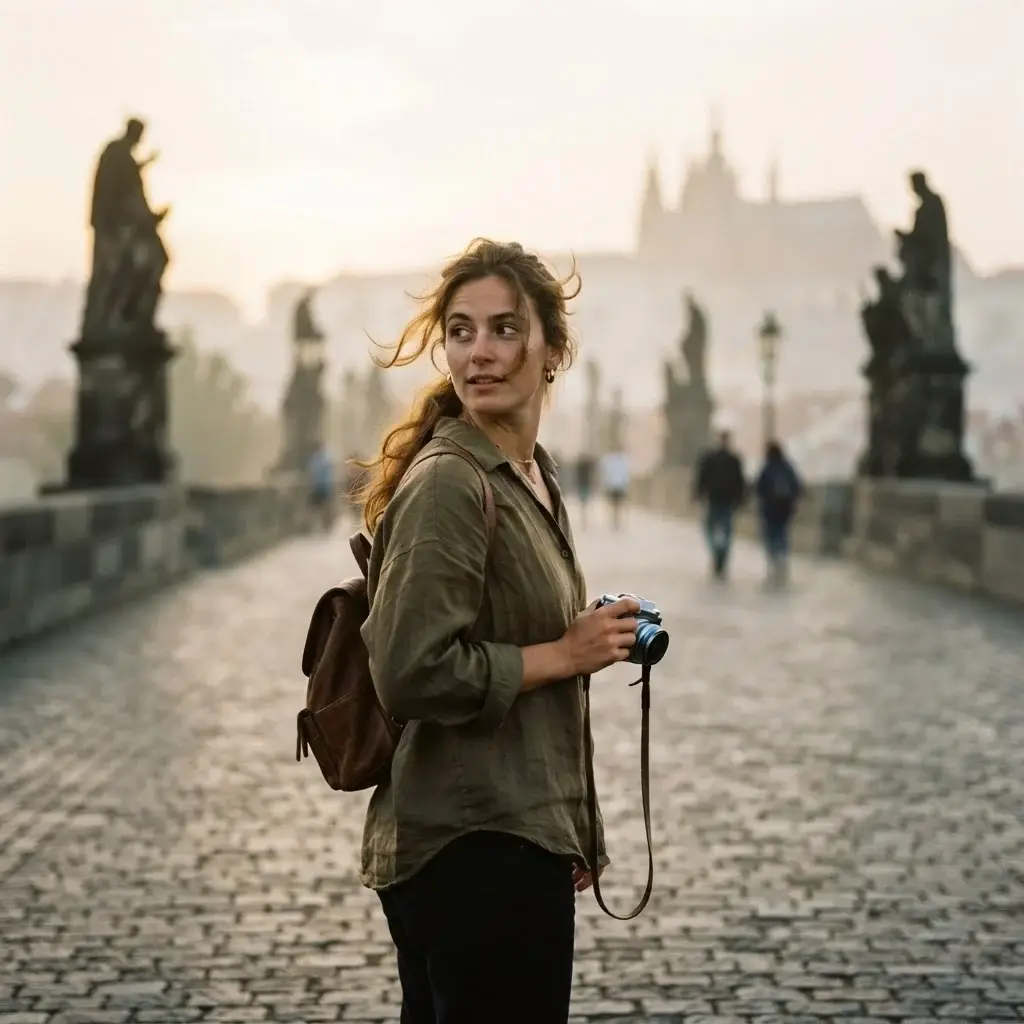
You will share the space with just a few landscape painters and local joggers.
As you walk across the heavy stone blocks, look up at the 30 Baroque statues lining the railings. The bridge connects the Old Town with the Lesser Town across the Vltava River, and it has stood here since the 14th century. Take a moment to touch the base of the Statue of St. John of Nepomuk; local lore says that rubbing the bronze plaque brings good luck and guarantees your return to Prague.
From the bridge, take a slow ten-minute walk through the winding alleys of Karlova Street into the Old Town Square (Staré Město). This square is a masterpiece of architectural history, showcasing a stunning mix of Gothic, Renaissance, and Baroque styles. Because of its incredible preservation, the entire historic core is protected, and you can learn more about its cultural value on the official UNESCO World Heritage page for Prague, which details how these structures survived the centuries.
Right on the side of the Old Town Hall, you will find the world-famous Astronomical Clock (Orloj). Installed in 1410, it is the oldest operating astronomical clock on earth. Every hour on the hour, a small crowd gathers to watch the mechanical show: the Twelve Apostles walk past the tiny windows while a skeleton representing Death rings a bell. It is a brief, quirky spectacle. Don’t waste your afternoon waiting for it; instead, catch it naturally as you explore the square.
Late Morning: The Quiet Corridors of Josefov
Just a few blocks north of the main square lies Josefov, the historic Jewish Quarter. This area tells a deeply moving story of survival, culture, and resilience. Unlike the rest of the Old Town, much of Josefov was remodeled at the turn of the 20th century to mimic Parisian boulevards, creating a striking visual contrast of wide, tree-lined streets next to ancient synagogues.
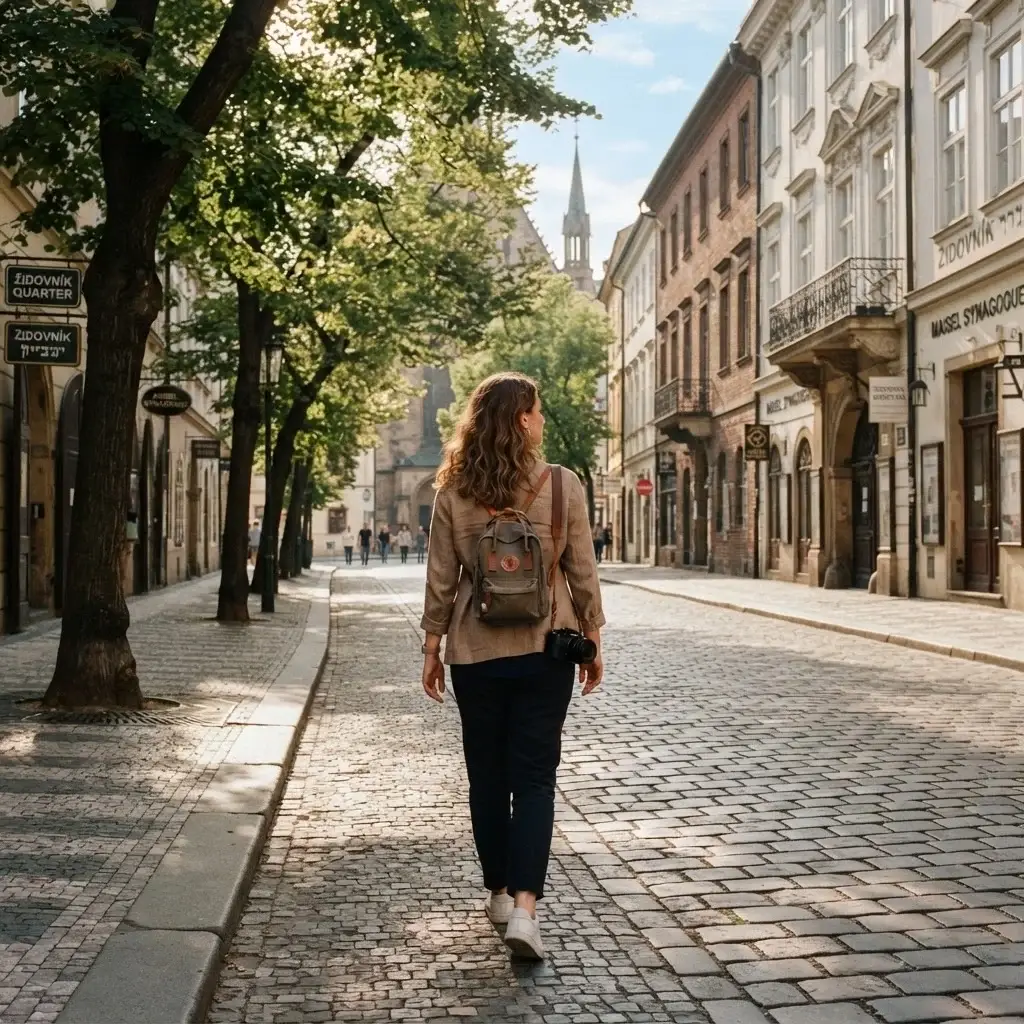
Buy a single entry ticket to the Jewish Museum complex. This grant you access to several historic synagogues, including the Spanish Synagogue with its breathtaking, Moorish-style golden interior, and the Old Jewish Cemetery. In this small plot of land, layers of earth hold thousands of gravesites, with crumbling, moss-covered headstones crowded together in a hauntingly beautiful testament to the community’s deep history. It is a place for quiet reflection, so please remember to speak in hushed tones as you walk the designated pathways.
Midday: A Slow Lunch and Czech Culinary Foundations
By now, your feet are likely tired, and your stomach is rumbling. Czech food is designed for cool weather and long walks—it is hearty, filling, and incredibly comforting. For a thoroughly authentic lunch that won’t break the bank, skip any restaurant with an English menu displayed on the main square. Instead, walk five minutes out of the tourist zone to Lokál Dlouhááá.
Lokál is a long, beer-hall style restaurant loved by locals. Order the Svíčková na smetaně (tender beef sirloin in a creamy, sweet root-vegetable sauce, served with airy bread dumplings and a dollop of tart cranberries) or a classic, rich beef Guláš.
Pair your meal with a cold glass of Pilsner Urquell. In Prague, beer is a matter of immense national pride; it is often cheaper than bottled water and is poured using specialized taps to create a thick, creamy head of foam that locks in the flavor and carbonation. If you don’t drink alcohol, order a Kofola, a local herbal cola that has a unique, slightly spiced taste that locals grew up on.
Afternoon: Escaping to Malá Strana (Lesser Town)
After lunch, we are going to cross back over the river—this time using the Mánes Bridge to get a stunning side-profile view of the Charles Bridge without the foot traffic. We are entering Malá Strana, the Lesser Town. This neighborhood feels like a living fairy tale. It is packed with pastel-colored diplomatic embassies, quiet walled gardens, and hidden cobblestone courtyards.
[Day 1 Afternoon Route]
Mánes Bridge ➔ Wallenstein Garden ➔ Kampa Island ➔ John Lennon Wall
Your first stop here should be the Wallenstein Garden (Valdštejnská zahrada). Tucked behind a massive palace wall, this early Baroque garden is completely free to enter and offers a peaceful sanctuary. As you walk the gravel paths, you will encounter magnificent peacocks roaming freely, beautiful fountains, and a bizarre, artificial cave wall made of synthetic stalactites (called a grotto) that looks like something out of a fantasy novel.
From there, wander south toward Kampa Island, a tranquil peninsula separated from the mainland by a small, historic canal known as the Devil’s Stream (Čertovka). Here, you will see a massive, ancient wooden waterwheel turning slowly in the current.
Right around the corner is the John Lennon Wall. Since the 1980s, this ordinary stone wall has been covered in layers of Beatles-inspired graffiti, lyrics, and messages of global peace. During the communist regime, local students would use the wall to write protest poetry, making it a powerful, living symbol of free speech and creative expression. Take a moment to read the messages left by travelers from every corner of the earth.
Evening: Dinner and a Hidden Sunset View
As the sun begins to dip, skip the crowded riverside paths and take a short, steep walk up into Petřín Park. This expansive hillside is covered in lush orchards and quiet walking trails. If you want a spectacular view of Prague’s famous red-tiled roofs and countless spires catching the evening light, this is the absolute best spot in town.
For dinner, make your way to U Černého Vola (At the Black Ox), a historic pub located near the top of the hill. This place has remained blissfully unchanged for decades. Sit at the long, communal wooden tables, order a light snack like Utopenec (pickled sausage with onions) or a plate of warm smoked pork with cabbage, and wash it down with a glass of dark Velkopopovický Kozel beer. It is unpretentious, incredibly cheap, and deeply authentic.
Day 2: Castles, Local Neighborhoods, and New Perspectives
Now that you have explored the historic heart of Prague, our second day is all about gaining a grander perspective. We will visit the massive castle complex that dominates the skyline, and then leave the primary tourist trails behind to explore where local residents actually live, shop, and hang out.
[Day 2 Morning Route]
Tram 22 to Castle ➔ St. Vitus Cathedral ➔ Golden Lane ➔ Nový Svět
Morning: Navigating Prague Castle Without the Exhaustion
The Prague Castle (Pražský hrad) complex is officially the largest ancient castle network in the world. It sits high up on a steep hill overlooking the entire city. Most tourists make the mistake of walking up the grueling old castle stairs from the Malá Strana metro station, arriving at the top sweaty and completely out of breath.
Here is the insider secret: take Tram 22 up the back of the hill and get off at the Pražský hrad stop. This leaves you on a flat path just a short, easy walk from the main castle gates, saving your legs for the hours of exploring ahead.
The castle grounds are completely free to enter and stroll through, but you will need a circuit ticket to go inside the primary architectural treasures. The crown jewel of the complex is St. Vitus Cathedral. As you step through the heavy doors, look up at the soaring Gothic arches and the magnificent, vibrant stained-glass windows, including a famous piece designed by the iconic Czech Art Nouveau master, Alphonse Mucha.
Next, follow the path to the Golden Lane (Zlatá ulička), a row of tiny, brightly painted 16th-century cottages built directly into the castle fortification walls. These homes were originally constructed for the King’s royal goldsmiths and castle guards. In the early 20th century, the famous writer Franz Kafka lived and worked in house number 22, finding the quiet, isolated street perfect for his writing.
Late Morning: The Hidden Village of Nový Svět
Once you leave the castle gates, do not follow the crowds down the main hill. Instead, take a short walk west into Nový Svět (which translates to “New World”). This is one of Prague’s best-kept secrets—a tiny, secluded neighborhood tucked away just steps from the bustling castle walls.
Nový Svět was originally a poor working-class district built in the 14th century.
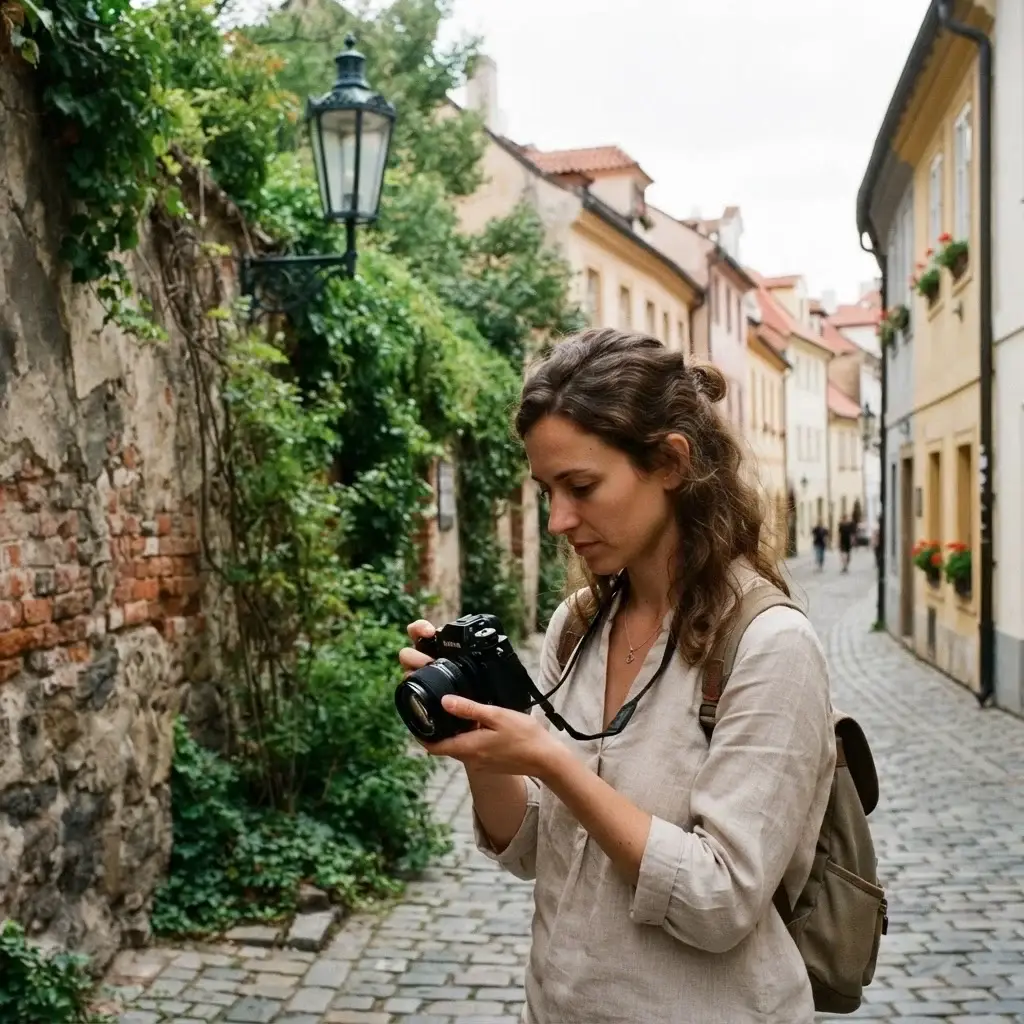
Today, it feels like an insulated country village dropped into the middle of a major European city. The narrow, winding paths are lined with charming, ivy-covered cottages, small artist studios, and old gas lamps. There are no tour groups here, no souvenir stalls, and no noise. Stop by Kavárna Nový Svět, a tiny neighborhood cafe, to grab a delicious cappuccino and a slice of homemade cake. Sit on their small, quiet outdoor terrace and listen to the birds chirp while you recharge your batteries.
Midday: Crossing the River for a Modern Neighborhood Lunch
Now that we have fully explored the historic heights, it is time to cross back over the river to the eastern flatlands. We are headed to Holešovice, a vibrant, gritty, industrial-chic district located north of the city center. This neighborhood was once full of meatpacking plants and heavy factories; today, those massive brick warehouses have been beautifully converted into contemporary art galleries, independent design boutiques, and innovative restaurants.
[Day 2 Afternoon Route]
Holešovice District ➔ Vnitroblock ➔ Letná Park ➔ Beer Garden View
For lunch, walk into Vnitroblock, an old, cavernous industrial warehouse complex transformed into a lively multi-functional creative center. Inside, you will find a boutique shoe store, an independent art gallery, and a fantastic, modern cafe built right into the raw concrete and exposed steel beams. Order a fresh sourdough sandwich filled with local goat cheese and roasted beets, or try a warm bowl of seasonal soup. It is a wonderful look at how modern Prague residents live, create, and work away from the old fairy-tale center.
Afternoon: Creative Art and the Green Slopes of Letná
Just a short tram ride or an easy fifteen-minute walk from Holešovice is the DOX Centre for Contemporary Art. If you enjoy cutting-edge architecture and thought-provoking modern art, this space is absolutely worth your time. The clear highlight of the gallery is the Gulliver Airship, a massive, 140-foot-long wooden structure shaped like an old zeppelin, custom-built directly on the roof of the factory buildings. You can walk inside the hollow wooden body of the airship, which serves as a unique reading room and space for literature discussions.
After soaking in the modern art, take a slow, relaxing walk toward Letná Park (Letenské sady). This expansive, leafy plateau sits directly above the Vltava River. As you walk through the trees, you will hear a rhythmic, heavy thumping sound. That is the Prague Metronome, a massive, functional red kinetic sculpture that sits on a giant stone plinth where an enormous monument to Joseph Stalin stood during the communist era. Today, the area around the metronome is a favorite hangout spot for local skateboarders and students.
Walk to the edge of the Letná hillside to find the most famous, iconic panoramic view of Prague. From this specific vantage point, you can look straight down the Vltava River and see five of Prague’s historic stone and steel bridges lined up perfectly in a row.
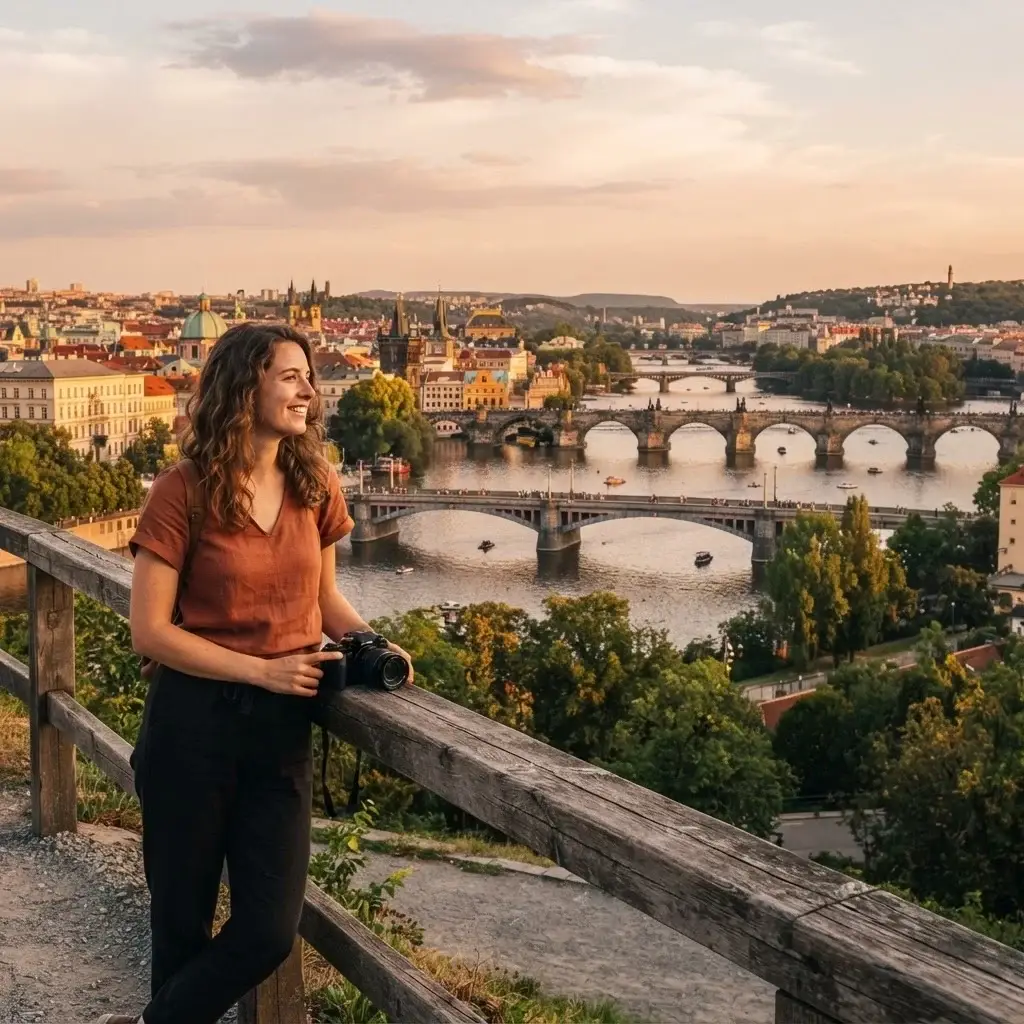
Right next to this overlook is the Letná Beer Garden. Grab a simple paper cup of Gambrinus beer or a non-alcoholic soda from the small wooden kiosks, sit at one of the long, rustic picnic tables under the shade of massive chestnut trees, and watch the tram cars glide along the riverbanks far below.
Evening: A Taste of Modern Bohemian Gastronomy
For your final evening in Prague, let’s skip the heavy, traditional pub food and experience the exciting, creative wave of modern Czech cooking. Make a reservation well in advance at Eska, located in the trendy, neighboring district of Karlín. Karlín has a wonderful, relaxed energy, and Eska is housed in a beautifully restored, double-height industrial fabric factory.
Eska takes simple, traditional, old-world Czech ingredients—like root vegetables, potatoes, grains, and fermented foods—and transforms them into breathtaking, modern culinary art. You must try their famous potatoes in ash. It sounds incredibly basic, but they serve smoked potatoes cooked directly in real wood ash, paired with a rich, velvety egg yolk sauce and decadent cultured cream. It is a plate of pure flavor that completely redefines what Czech food can be. Combine that with a loaf of their legendary, fresh-baked wood-fired sourdough bread, and you have the perfect dinner to close out an unforgettable, unhurried 48 hours.
Practical Survival Tips for Solo Travelers
If you are planning your very first independent getaway, Prague is the perfect training ground to build your travel confidence. It is a highly walkable city, the transit is simple, and violent crime is practically non-existent. However, navigating any new culture solo requires a little bit of street smarts.
Essential Czech Language Etiquette
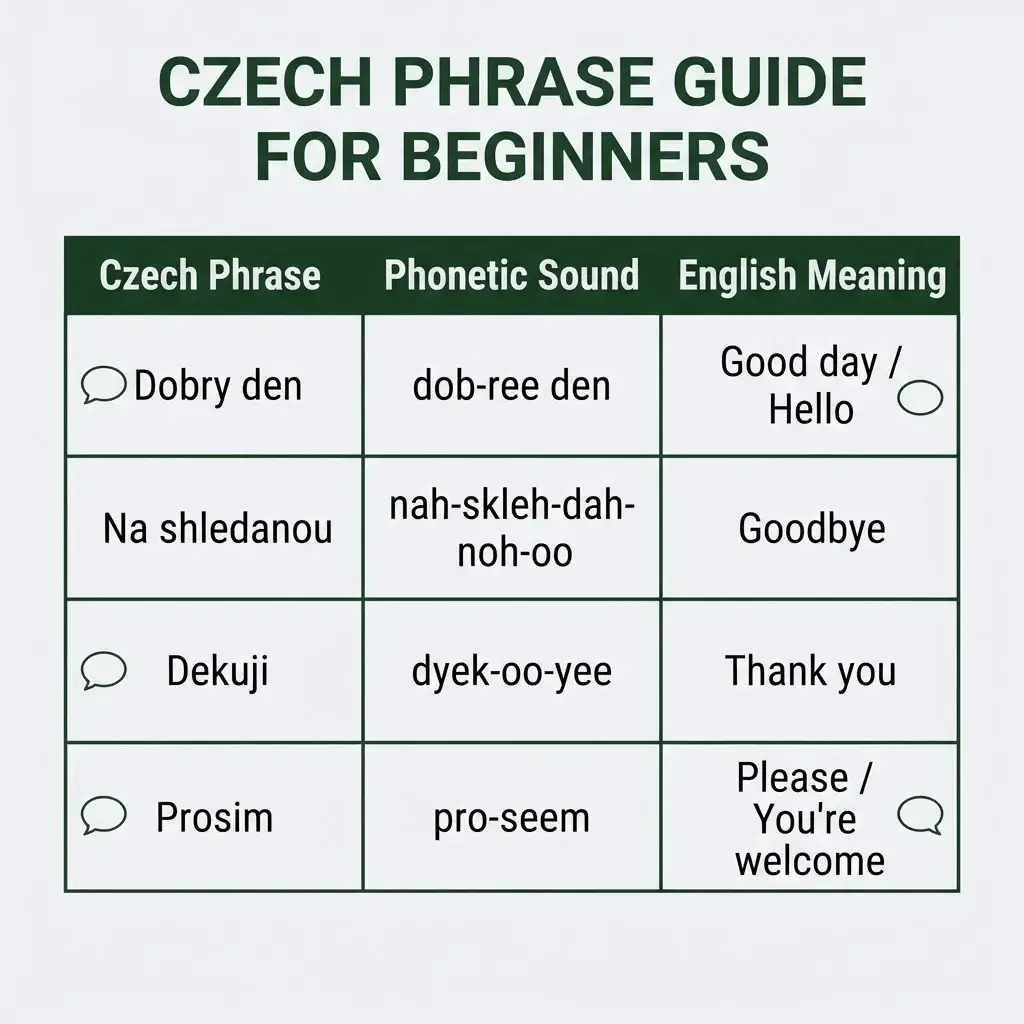
One of the easiest ways to dissolve your anxiety and instantly connect with locals is to use a few basic words of Czech. When you walk into a quiet neighborhood cafe, a pub, or a small shop, it is customary politeness to greet the shopkeeper.
- Say “Dobrý den” (pronounced dob-ree den), which means “Good day.”
- When you are leaving, say “Na shledanou” (nah skleh-dah-noh-oo), which means “Goodbye.”
- To show gratitude for your food or service, say “Děkuji” (dyek-oo-yee), which means “Thank you.”
Locals know that Czech is an incredibly complex, difficult language for foreigners to master. Making the effort to use these simple phrases shows that you respect their culture, and it instantly transforms how you are treated.
Navigating the Tipping Culture with Ease
Tipping in Prague is straightforward, but it causes a lot of unnecessary stress for first-time visitors. In standard sit-down restaurants, a tip of 10% is standard for good service.
The Golden Rule of Tipping: Do not leave your cash tips sitting on the table after you pay. Instead, when the waiter tells you the total bill amount, tell them how much you want to pay in total before you hand over your cash or tap your card. For example, if your bill is 270 CZK, you can simply hand over your card and say “300” (rounding up to a clean number). This keeps the transaction simple, clean, and avoids any awkward back-and-forth exchanges.
Your Slow Travel Blueprint for Prague
The secret to exploring an ancient city in a weekend is to stop treating travel like an endurance sport. When you slow down your pace, you create the mental space needed for spontaneous discovery. You notice the intricate stone carvings above an ordinary doorway, you chat with the local barista about their favorite parks, and you actually remember how the cool air felt as it drifted off the river.
Use this itinerary as a flexible guide, not a rigid prison sentence. If you find a quiet corner in the Wallenstein Garden and want to sit on a stone bench reading a book for two hours, do it! The spires will still be there when you wake up. Travel should always enrich your life and build your inner confidence—it shouldn’t feel like a second job. Pack your most comfortable walking shoes, leave your everyday worries behind at the boarding gate, and let yourself get lost in the beautiful, winding rhythm of Prague.



