How to Travel Europe Sustainably Without Missing the Magic

I want to start with a confession, because I think it clears the air. For years, I believed “sustainable travel” was a thing other people did. The ones with the reusable everything, the perfect capsule wardrobe, the moral high ground. Meanwhile I was the woman who left her gray office desk in New York, worked flexible jobs to save enough to go, and then booked whatever flight was cheapest at 1 a.m. because that was what I could afford.
So if part of you wants to travel Europe more gently but another part is worried it means being rich, being perfect, or being bored, I get it. I’ve stood exactly there.
Here’s what I’ve learned since. Traveling Europe sustainably is not about guilt or sacrifice. Done right, it actually gives you the better trip. Slower mornings, deeper conversations, real food, fewer airports. The planet-friendly version of a European journey and the most memorable version turn out to be almost the same trip. Let me show you how to build it.
First, Let Go of the Idea That You Have to Be Perfect
The fastest way to quit before you start is to aim for a flawless zero-impact trip. That trip doesn’t exist. You are going to fly at some point, probably to reach Europe in the first place. You are going to make choices that aren’t ideal. That is fine.
Sustainable travel is a direction, not a purity test. Every train you take instead of a short flight, every extra night you spend in one place instead of racing on, every local cafe you choose over a chain, it all adds up. When I lived with a family in Ghana, I learned something that reshaped how I travel: the way you move through a place, and where your money lands, matters as much as the sights you see. Aim for better, not perfect, and you’ll actually keep it up.
The Single Biggest Lever: How You Move Around
If you only change one thing, change how you get from place to place. Transport is where the real footprint lives, and it’s also where Europe makes sustainable choices genuinely enjoyable.
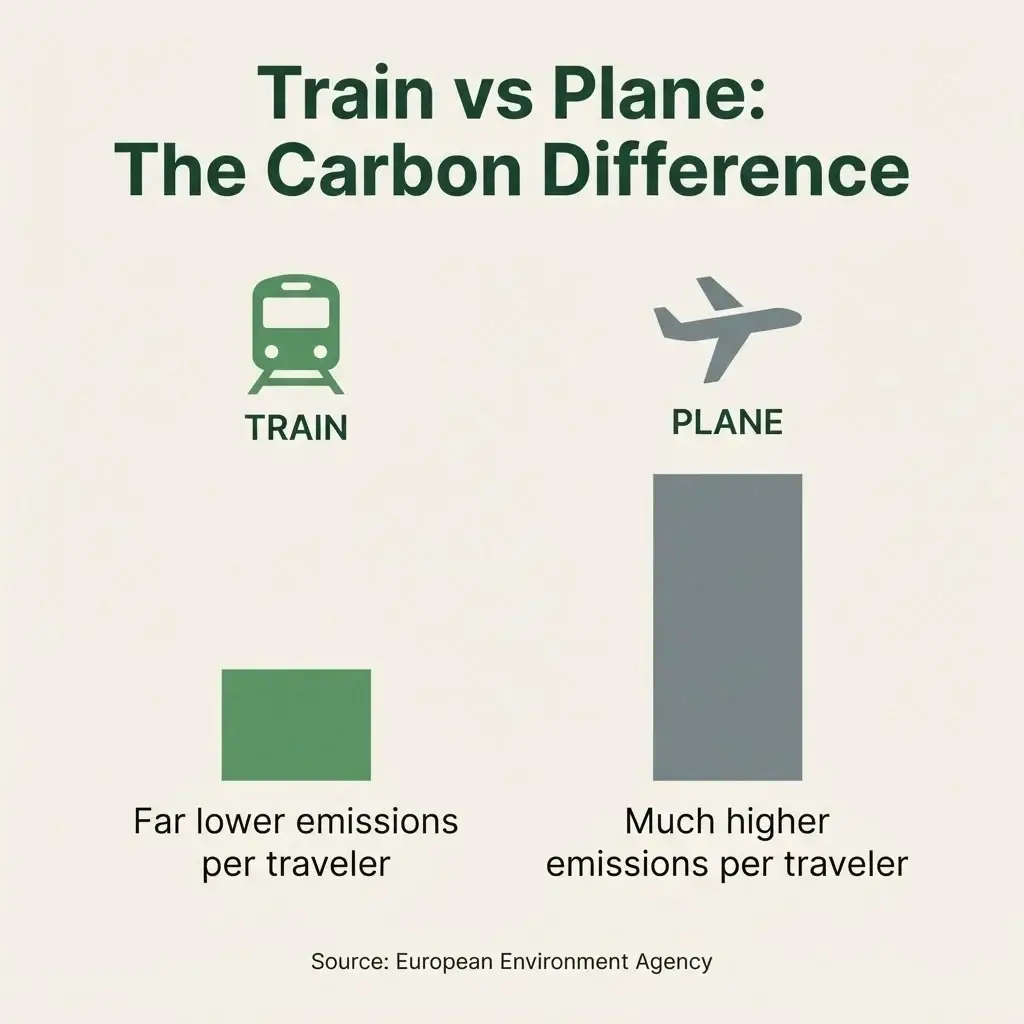
Trains Beat Planes, and the Data Isn’t Close
I used to assume the environmental difference between a train and a short flight was marginal. It isn’t. The European Environment Agency’s detailed Transport and Environment Report on train versus plane travel concluded that rail is the most sensible motorized way to travel after walking or cycling, with aviation’s emissions per passenger far higher. On a Paris to Amsterdam or Munich to Vienna route, the train isn’t just a little greener. It’s in another category.
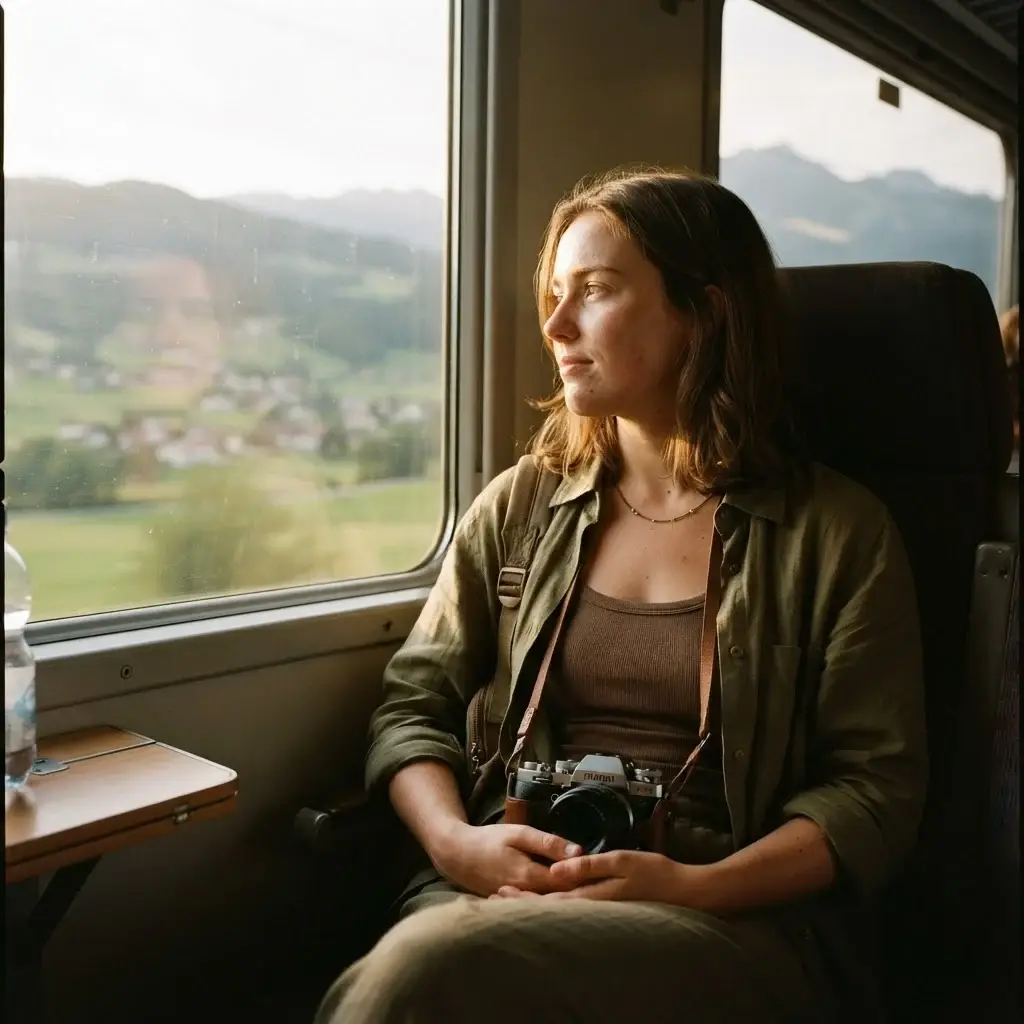
And it’s a nicer way to move. You skip the two-hours-early airport ritual, you keep your full-size toiletries, you watch the landscape change instead of staring at a seatback. When I backpacked across Europe solo years ago, my favorite hours were often the train hours, journal open, snacks from a market spread on the tray table.
How Rail Passes Actually Work
If you’re doing several countries, look at a rail pass. European residents use Interrail and everyone else uses the equivalent Eurail version, but they work the same way. The Interrail Global Pass covers travel across 33 countries on a set number of flexible days, and at current prices it runs around 212 euros for 4 travel days within a month, about 286 euros for 7 days, and around 415 euros for 15 days in second class. One honest catch: high-speed and night trains usually need a paid seat reservation on top of the pass, so budget a little extra and book those popular routes early.
Is a pass always cheapest? No. Sometimes a single advance-purchase ticket beats it. Run the math for your specific route before you buy. Passes shine when you want flexibility and lots of hops, not when you’re doing two fixed long trips.
Night Trains Are the Sustainable Traveler’s Secret Weapon
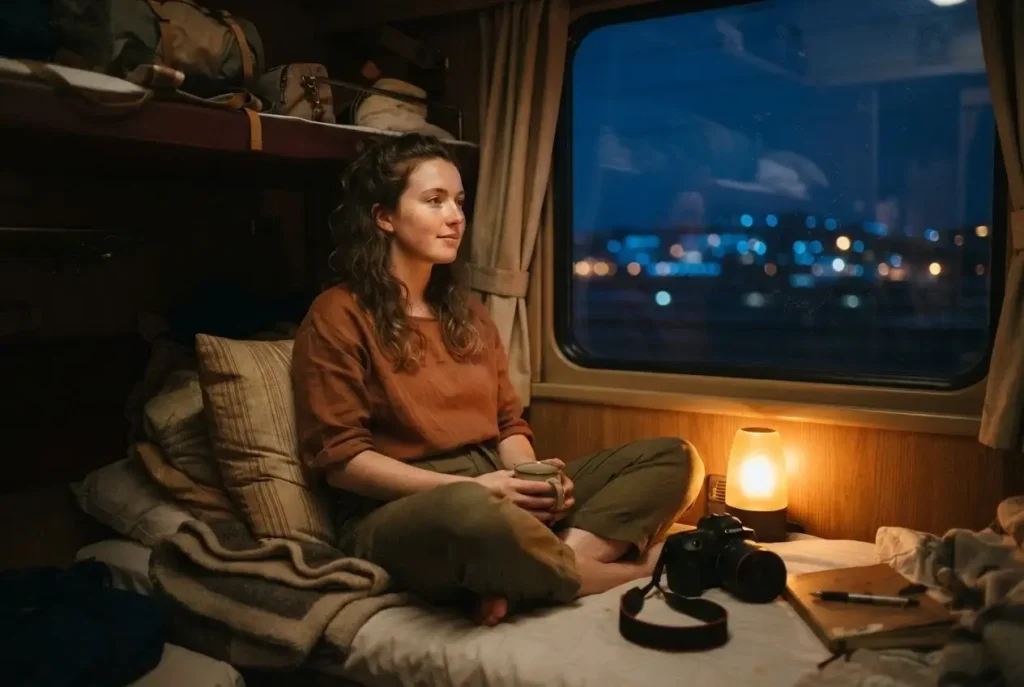
This is the tip I wish someone had handed me sooner. Night trains let you cover a long distance and pay for a night’s sleep at the same time, which means no flight and no hotel bill for that night. Austria’s rail company runs the ÖBB Nightjet network of sleeper trains connecting cities across Austria, Germany, Switzerland, Italy and more, and newer routes keep opening up, including the European Sleeper line running Brussels to Amsterdam to Berlin to Prague. You board in the evening, tuck into a couchette or a proper sleeper cabin, and wake up in a new country.
From what solo travelers consistently report, the sleeper cabins feel safe and social in the right way, and booking a couchette rather than an open seat is worth the extra for real rest. If you’re anything like me when I first planned overnight travel, the idea sounds daunting and then becomes the part of the trip you brag about.
Slow Down: Fewer Places, More Living
Here’s the mindset shift that makes everything easier. Sustainable travel and slow travel are the same instinct. When you stop trying to “do” five countries in ten days, your footprint drops and your experience deepens at the same time.
Racing around means more transport, more packing and unpacking, more money, and, honestly, less memory. I’ve never once regretted staying longer somewhere. When I hiked through parts of China, the days I remember most weren’t the checklist sights. They were the slow ones, a long meal, a wrong turn that led somewhere better, a conversation that lasted because I wasn’t rushing to a train.
Pick two or three bases and go deep. Use them as hubs for day trips by regional train. You’ll spend less, stress less, and understand the place instead of just photographing it.
Where You Sleep, and How to Spot Real Green From Fake
Accommodation is the second big lever, and it’s where “greenwashing” runs wild. A hotel putting a card on your pillow about reusing towels is not a sustainability program.
Look for real certification instead. The EU Ecolabel for tourist accommodation is an official European standard that holds hotels and campsites to genuine requirements on energy, water, and waste, not vague marketing. It’s a reliable filter when you’re comparing places.
Beyond the label, some simple choices do a lot. Smaller, locally owned guesthouses keep your money in the community. A place that runs on renewable energy or actually manages its water matters more than one with a “nature” theme and a lot of houseplants. And staying longer in one spot, even booking a small apartment for a week, almost always beats hopping between hotels every second night.
Eat Like You Live There
Food is one of the most joyful ways to travel more sustainably, and it costs less, not more. Seasonal, local eating means fewer food miles and better flavor, and it drops you straight into the culture.
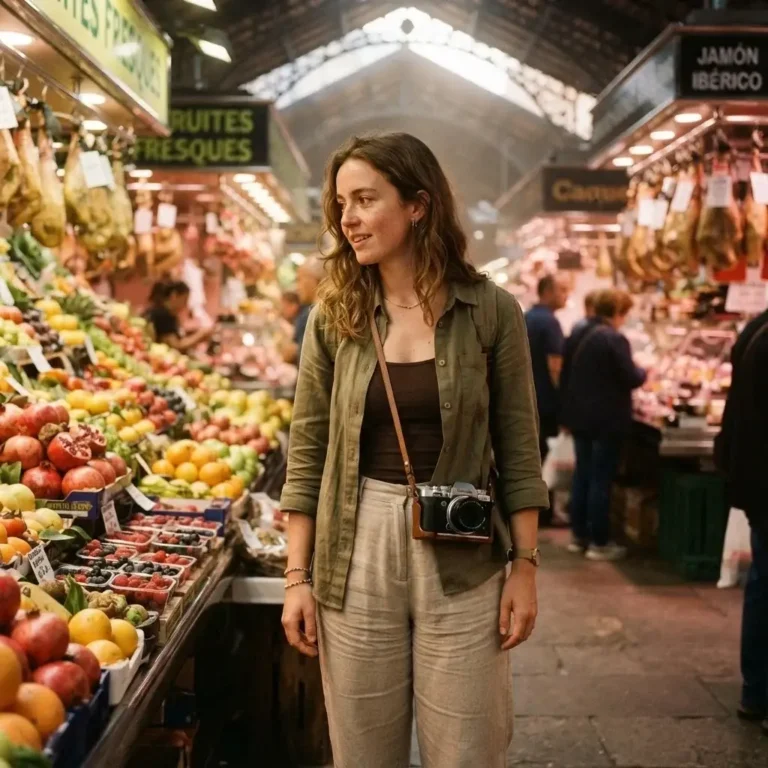
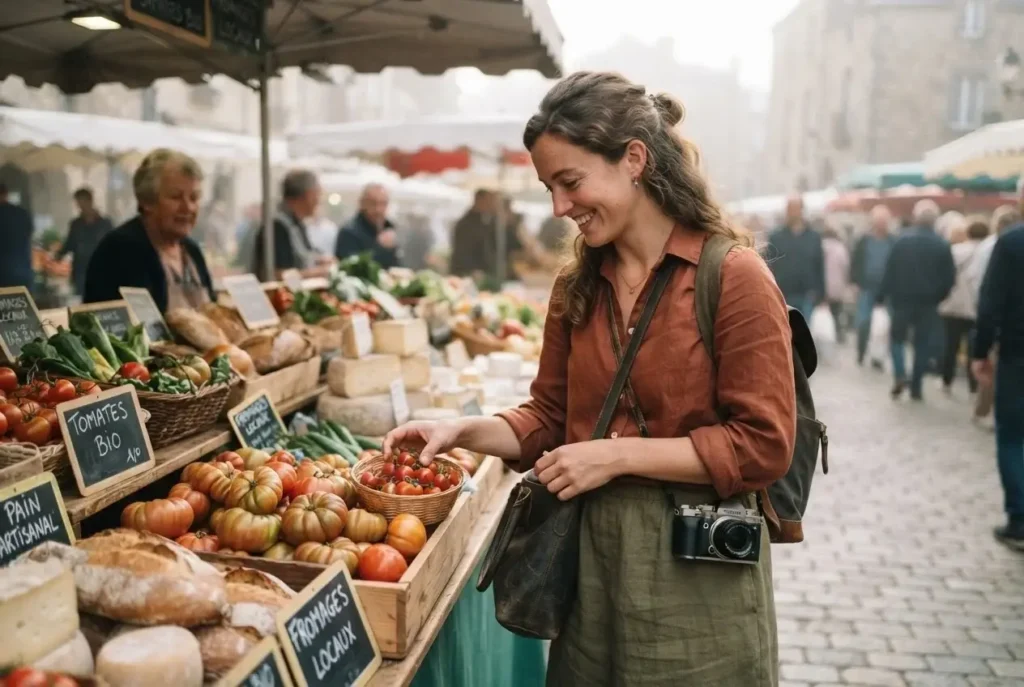
Head to the markets. Buy the bread, the cheese, the fruit that’s actually in season where you are. Order the regional dish the grandmothers order, not the imported steak that could be from anywhere. Fill a reusable bottle instead of buying plastic, which is easy across most of Europe where tap water is safe and public fountains are common. When I taught English in Thailand, my whole relationship with food changed once I started eating what and where locals ate, and that lesson travels straight to a market in Lyon or Lisbon. The most sustainable meal and the most memorable meal are usually the same plate.
Get Around Cities Without a Car
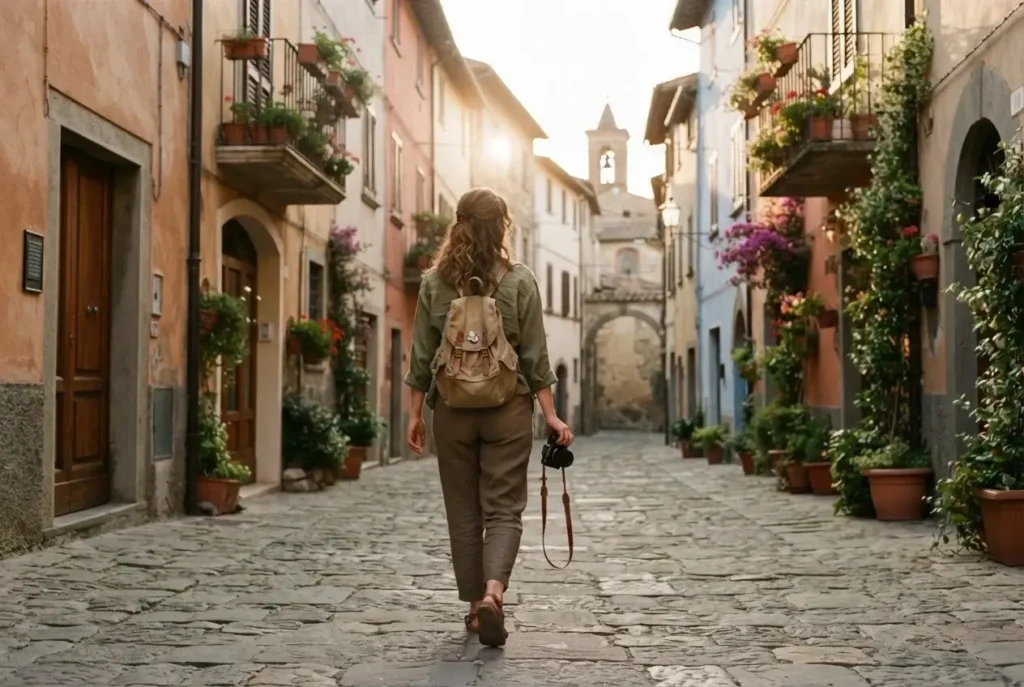
Once you’re in a city, you rarely need a car, and European cities are built for this. Trams, metros, buses, and your own two feet will get you almost anywhere, cheaper and greener than taxis.
Buy a transit day pass or a multi-day card on arrival. Rent a bike where the city has good infrastructure, which is more and more of them. Walking is free, produces nothing, and is genuinely the best way to stumble into the corners you’d never find otherwise. As a former sightseeing guide in New York, I can tell you the visitors who walked always saw the real city. The ones who only took cars saw the inside of traffic.
If you want to lean into greener cities on purpose, the European Union actually names them. The European Green Capital Award recognizes cities leading on sustainability each year, and past winners make fantastic, low-stress bases for a gentle trip.
Travel Off-Season and Skip the Crowds
Overtourism is a real strain on Europe’s most loved places, and the summer crush is hard on both the destinations and on you. Going in shoulder season, roughly spring and autumn, spreads out the pressure, and rewards you with lower prices, thinner crowds, and locals who have time to talk.
You also get a more honest version of a place. A Tuscan hill town in October, or a Greek island in May, feels lived-in rather than performed. The official European Travel Commission’s sustainable travel guidance leans hard on this same idea of traveling off-season, favoring longer stays, and supporting local culture, and it’s solid, practical advice straight from Europe’s own tourism body.
Spend Your Money Where It Counts
This is the quiet superpower of sustainable travel, and it’s the one I care about most. Where your money lands shapes the place you’re visiting.
Choose the family restaurant over the international chain. Buy the craft from the person who made it, not the mass-produced fridge magnet. Book tours run by local guides who live there. Sleep in independently owned places. Community-based tourism, where the income actually stays with the people who host you, is one of the most powerful things a traveler can do, and it costs the same or less than the alternative. Living with a family in Ghana taught me this in the most direct way possible: tourism can either extract from a community or sustain it, and the traveler often decides which.
A Realistic Word on Cost and Carbon Offsets
Let me be straight with you, because the other guides usually aren’t. Sustainable does not automatically mean cheaper, and it does not always mean more expensive either. A 2025 study of over 100 cross-border European routes found the train was cheaper than flying on only around 39 percent of them, so sometimes the greener train genuinely costs more than a budget flight. When that happens, you get to make a real choice with open eyes, and often the value, the comfort, and the city-center-to-city-center convenience of the train win anyway.
As for carbon offsets, treat them as a small last step, not a permission slip. Reducing your impact by taking the train and slowing down does far more than paying a few euros to offset a flight you didn’t need to take. Reduce first, offset the rest if you like, and don’t let offsetting convince you that any trip is now consequence-free.
How to Actually Plan Your First Sustainable Europe Trip
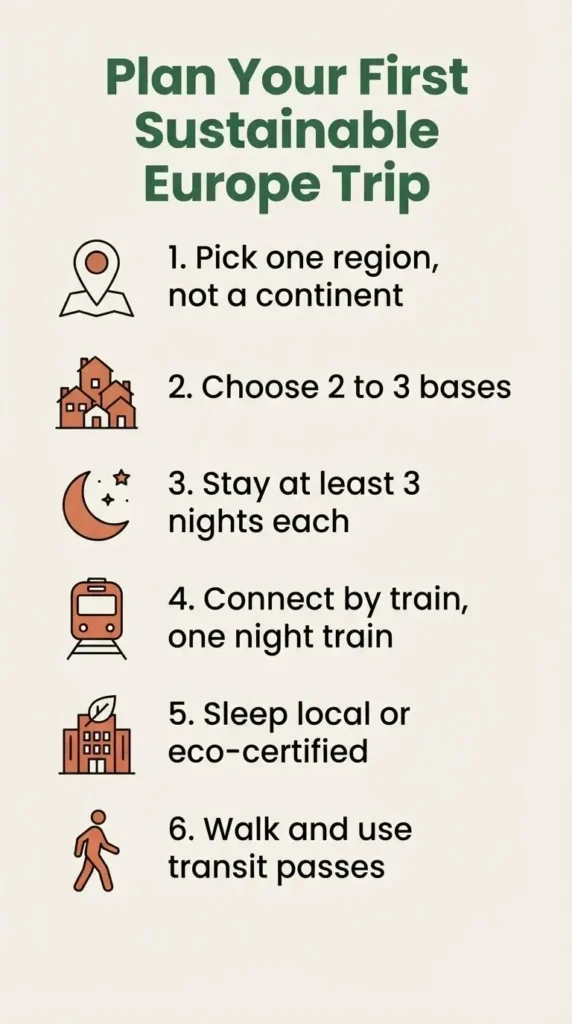
If this all feels like a lot, here’s how I’d sketch a first trip, simply. Pick a region rather than a continent, say northern Italy and Austria, or the Low Countries. Choose two or three bases and plan to stay at least three nights in each. Connect them by train, using a night train for the one long leg so you save a night’s accommodation. Book a certified or locally owned place to sleep. Get a transit pass in each city and walk everywhere you can. Eat at markets and family-run spots, carry a refillable bottle, and go in shoulder season if your calendar allows.
That’s it. That’s a genuinely lower-impact trip, and it’s also, not coincidentally, a richer and more relaxed one.
You Don’t Have to Choose Between the Planet and the Adventure
The story we’ve been sold is that caring about your footprint means a smaller, duller trip. My experience, and everything I keep learning, says the opposite. The train hours become the best hours. The extra nights in one town become the memories. The market meals become the stories you tell. The local guesthouse becomes the family you keep in touch with.
You don’t need to be perfect and you don’t need to be wealthy. You just need to point yourself in a kinder direction and start. The perfect moment to plan this trip was never going to arrive anyway. So open a map, pick a region, look up a train, and take the first small step. Europe, and a gentler way of seeing it, is closer than you think.