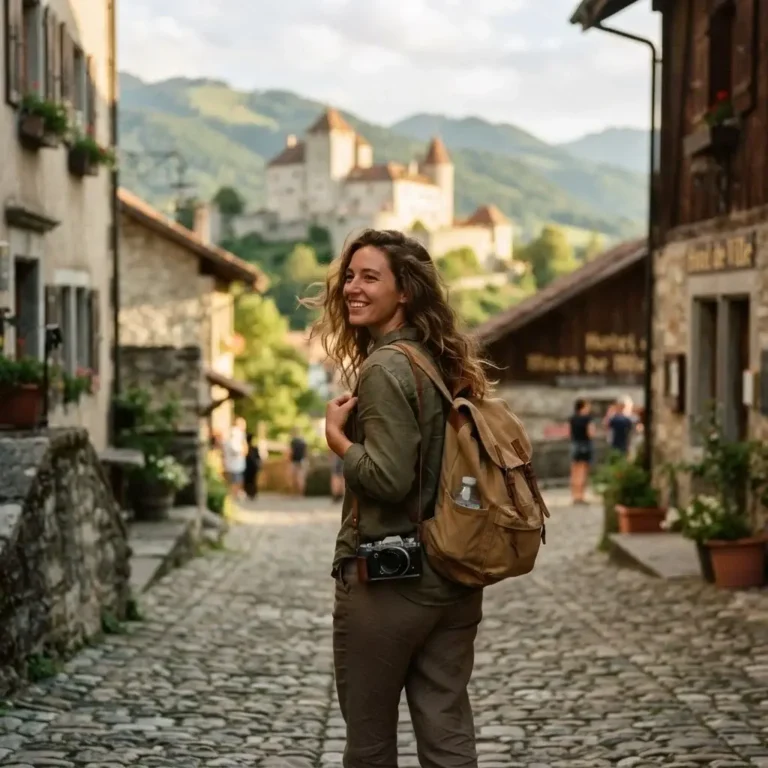
When I backpacked solo across Europe years ago, I was mostly chasing cheap hostels, night trains, and whatever pastry looked good in a bakery window. History was somewhere on the itinerary, but it usually meant standing in a long line outside a famous museum with everyone else. It wasn’t until later in that trip, in a small town whose name I genuinely don’t remember anymore, that I noticed a modest stone memorial tucked into a square nobody else seemed to be visiting. No tour groups. No gift shop. Just a name, a date, and a quiet kind of weight that a crowded landmark rarely gives you.
That moment stuck with me. It’s part of why I get a little restless when travel articles about “war memorials in Europe” just repeat the same five famous names over and over. Europe is covered in history that most visitors never see, not because it’s hidden exactly, but because it’s not the thing everyone tells you to add to your list. If you’re the kind of traveler who wants to actually feel a place rather than just photograph it, these are the memorials worth building a detour for.
Why the Famous War Memorials Aren’t the Whole Story
Normandy’s beaches, Auschwitz-Birkenau, the Anne Frank House. These places matter enormously, and I’m not here to talk you out of visiting them. But they’ve also become so central to how people imagine “war tourism” in Europe that dozens of equally powerful sites get skipped entirely. Part of this is simple awareness. Part of it is that the famous sites are easy to book a tour for, which means they show up first in searches and social feeds.
The underrated memorials tend to share a few things in common. They’re usually free or very cheap to visit. They require a little more effort to reach, which naturally filters out the rushed day-trippers. And because fewer people show up, you get something the packed sites can’t offer anymore: space to actually sit with what you’re looking at.
Ypres Beyond the Menin Gate Crowds
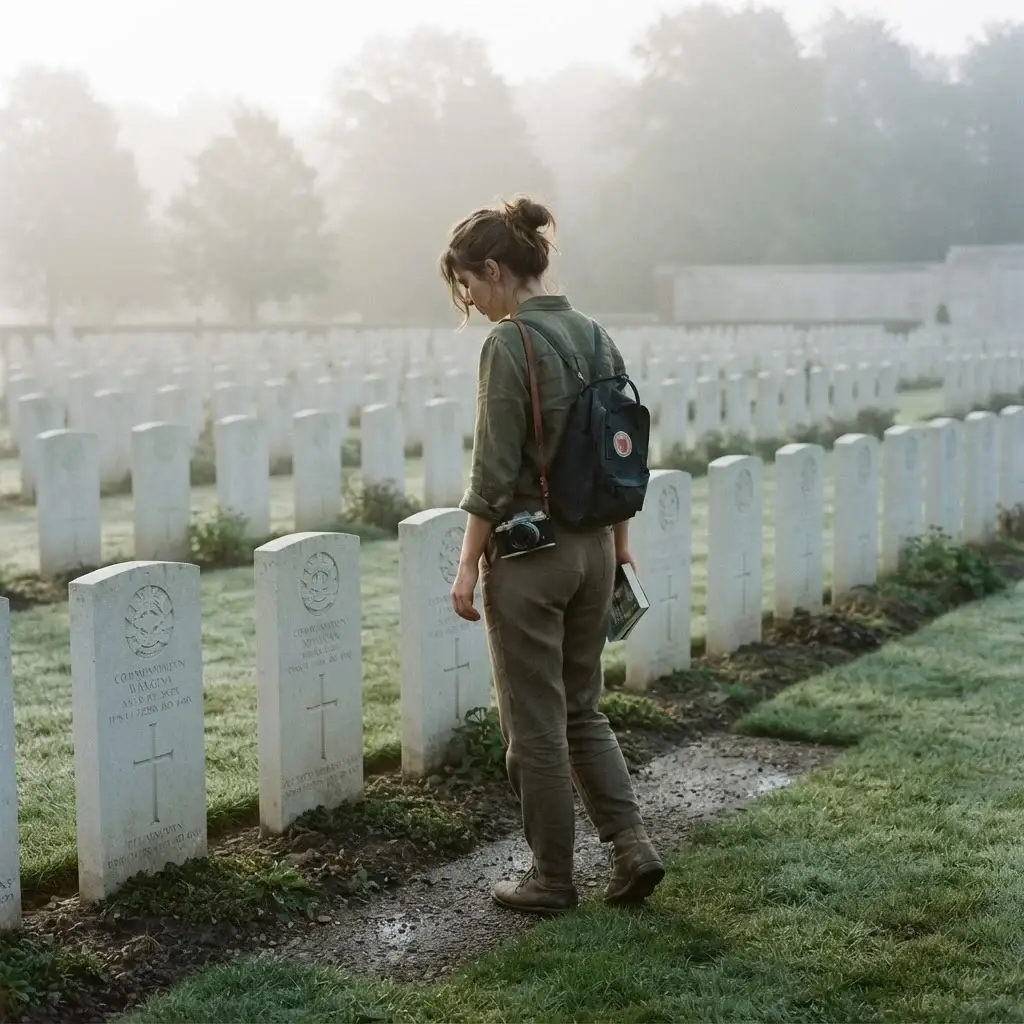
Ypres, or Ieper as it’s known locally, gets some recognition for the Menin Gate and its nightly Last Post ceremony, but most visitors show up for that one evening event and leave the next morning without seeing much else. The real depth of this region is in the surrounding countryside. Tyne Cot Cemetery, the largest Commonwealth war cemetery in the world, sits quietly outside town with almost 12,000 graves and a wall listing tens of thousands more names of soldiers whose bodies were never identified. Sanctuary Wood still has original trench lines you can walk through, overgrown and eerily preserved.
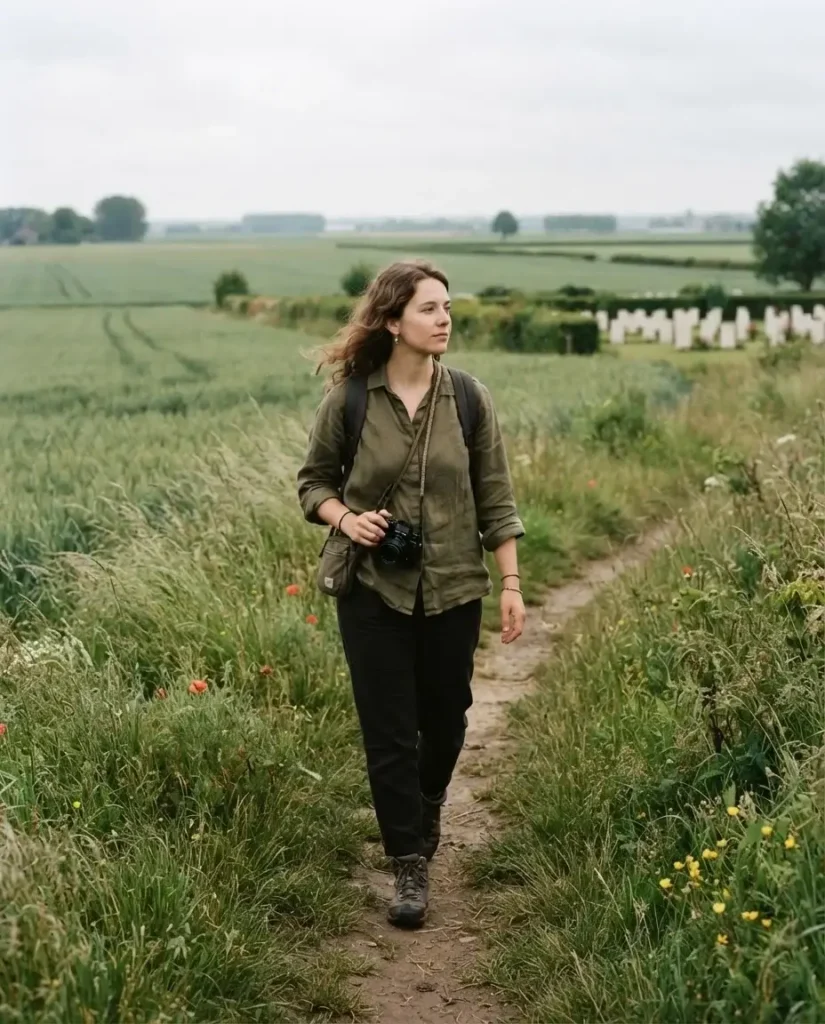
If you’re planning a visit, I’d recommend basing yourself in Ieper itself rather than day-tripping from Brussels, since the town is small enough to explore on foot and gives you time in the evening for the Last Post ceremony without rushing. The Commonwealth War Graves Commission’s visitor center in Ieper is a genuinely useful first stop, since the staff there can point you toward smaller cemeteries and sites scattered through the surrounding farmland that most tourists never find on their own. Bring good walking shoes. Much of this history is spread across fields, not sidewalks.
Verdun’s Underground World
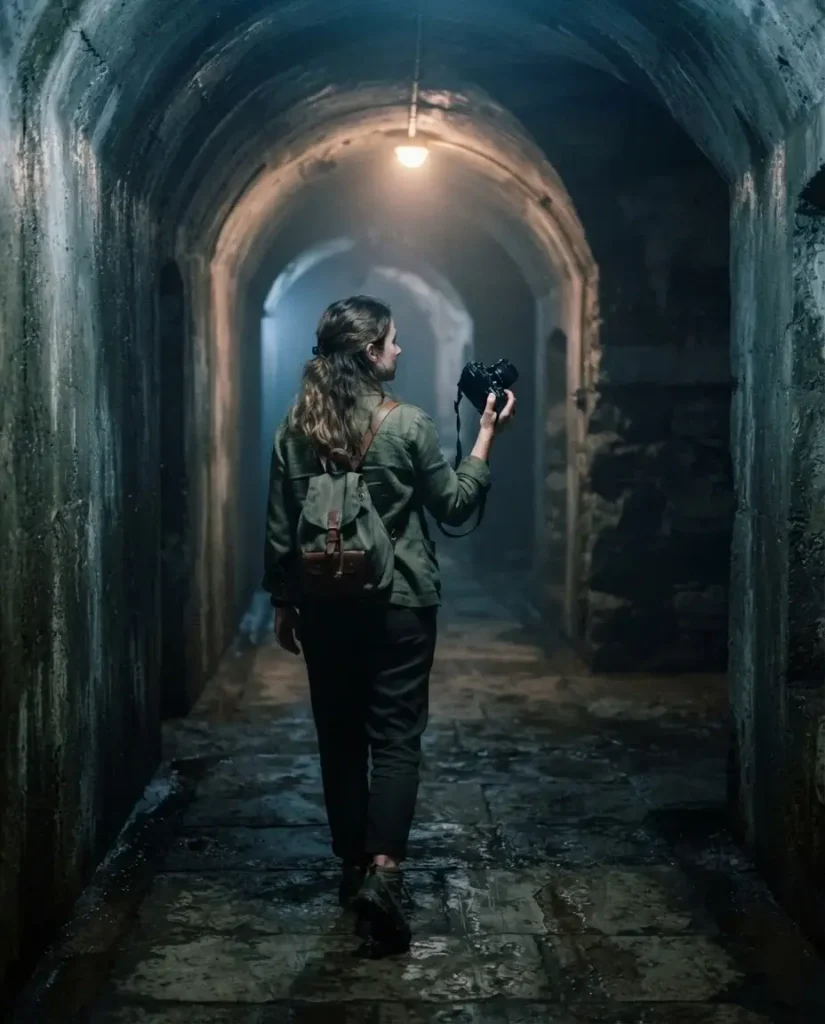
Verdun is one of those names that history books mention constantly but travelers rarely visit, probably because it’s not directly on the usual Paris-to-somewhere-else train route. That’s exactly why it’s worth the detour. The Battle of Verdun in 1916 was one of the longest and deadliest battles of the entire First World War, and the landscape still shows it. Fort Douaumont, an underground fortress that changed hands between French and German forces multiple times, is damp, dark, and quietly overwhelming to walk through.
Nearby, the Douaumont Ossuary holds the remains of roughly 130,000 unidentified soldiers, French and German both, a detail that always strikes me as a small but powerful statement about what war actually costs everyone involved. The official Memorial de Verdun site has current opening hours and admission info, and I’d suggest checking it before you go since the fort closes for a short period each winter. Give yourself at least half a day here. This isn’t a stop you rush through in twenty minutes between train connections. And when you’re done, do what I always do after a heavy history day: find a small local restaurant and order something warm and simple. In this part of France, a proper quiche Lorraine after a few hours underground feels like exactly the right way to reset.
Oradour-sur-Glane: A Village Frozen in Time
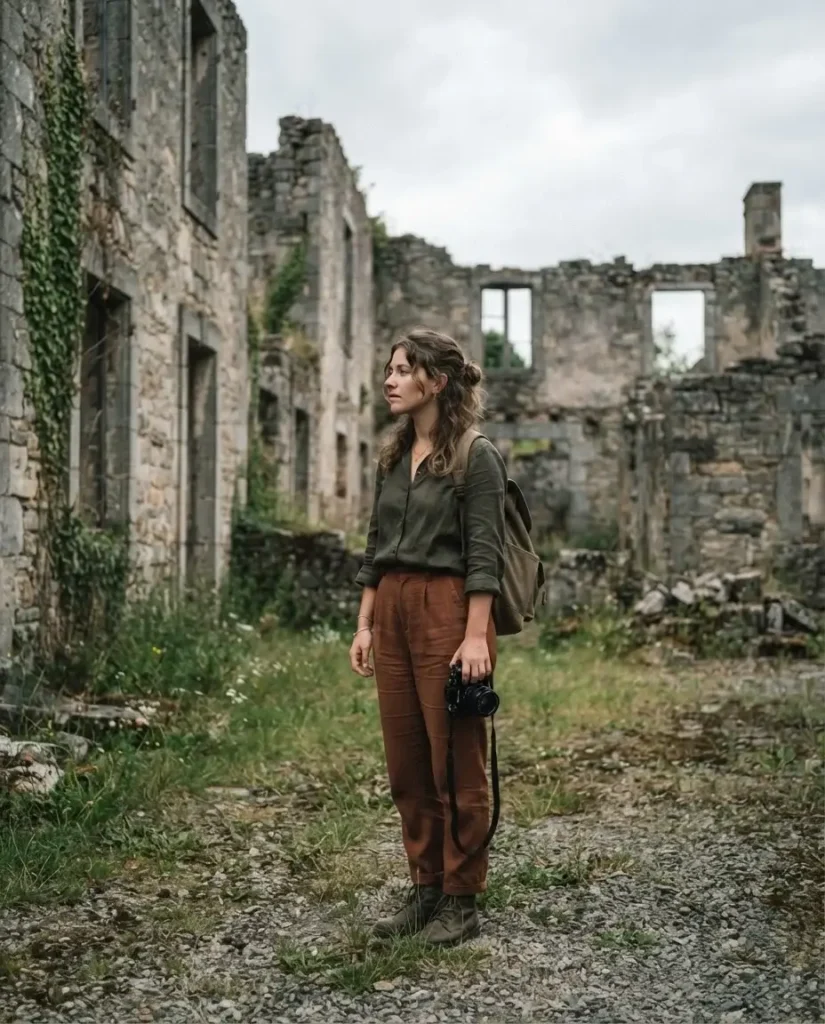
This one is hard to describe without it sounding grim, because it is. In June 1944, German SS forces destroyed the French village of Oradour-sur-Glane, killing 642 residents. Rather than rebuild, France chose to preserve the ruins exactly as they were left, and built a new village nearby. Walking through the old streets today, past collapsed walls, rusted sewing machines, and a burned-out church, is one of the starkest experiences you can have at any European memorial site.
It’s roughly 22 kilometers from Limoges, which makes it an easy add-on if you’re already exploring that region of France, though you’ll want a car or a local bus connection since it’s not well served by rail. The official opening times page for the memorial is worth checking ahead, since hours shift with the seasons and the site closes briefly in winter. I won’t pretend this is an easy visit. It’s not meant to be. But it’s one of the clearest, most physical reminders of what happened in occupied Europe that I’ve come across in my research, and it rarely makes anyone’s top ten list.
Sachsenhausen: Berlin’s Quieter Alternative
Dachau gets most of the attention when people think about visiting a former concentration camp memorial in Germany, largely because it’s closer to a major tourist hub in Munich. Sachsenhausen, just north of Berlin in Oranienburg, tends to get overlooked despite being easier to reach from a city most travelers already have on their itinerary. It’s about a 45 minute ride from central Berlin using regional trains and connecting transit, well within a normal day trip.
What makes Sachsenhausen worth prioritizing is the way the site has been preserved and interpreted. The camp held political prisoners, POWs, and eventually became a training site for concentration camp administration itself, which the museum addresses directly rather than glossing over. The official visitor information page lists current hours, which run roughly 8:30am to 5pm at the visitor center, with the outdoor grounds open a bit longer depending on the season. Entry itself is free, which is standard for most German memorial sites of this kind, though I’d budget several hours to actually walk the grounds and read the exhibits properly rather than rushing through.
The Sarajevo Tunnel and a City’s Living Memory
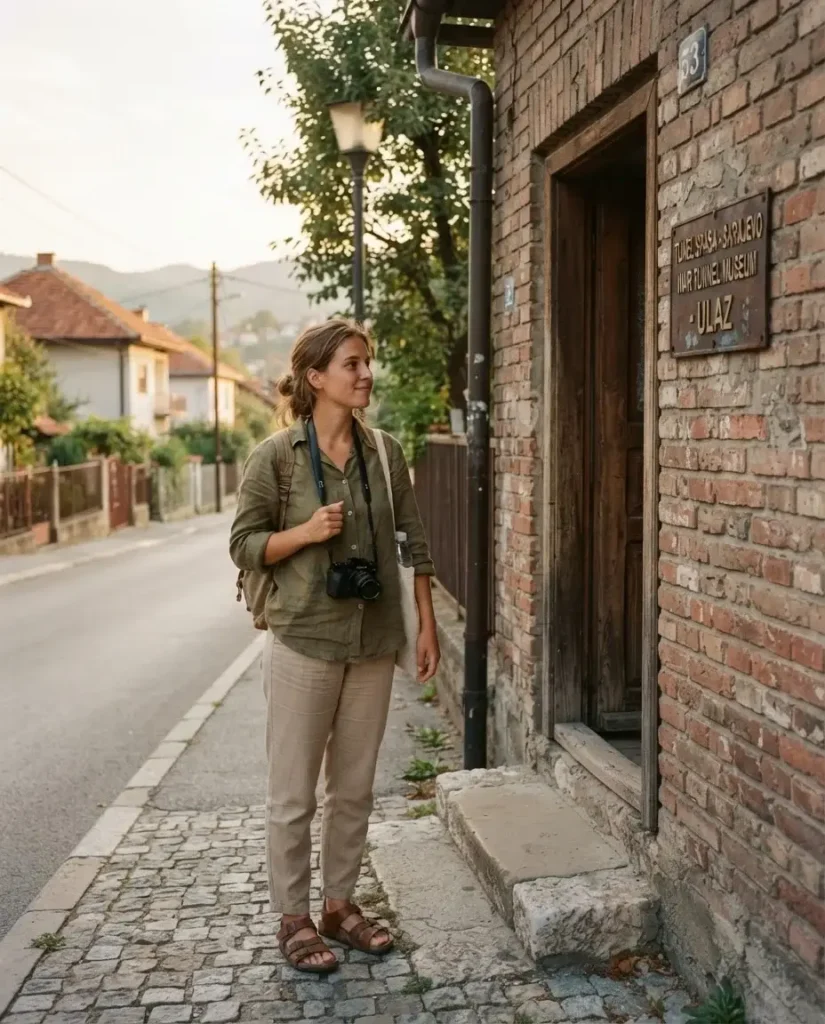
If Bosnia and Herzegovina isn’t already on your radar for a European trip, it probably should be. Sarajevo endured one of the longest sieges in modern military history, from 1992 to 1996, and the city has turned parts of that experience into some of the most moving memorial sites in Europe that almost nobody outside the region talks about. The Sarajevo War Tunnel, sometimes called the Tunnel of Hope, was dug beneath the airport runway to smuggle food, medicine, and people in and out of the besieged city. Today a short preserved section is open to visitors alongside a small museum built into the house that once concealed the tunnel’s entrance.
The Sarajevo Tunnel Museum’s official listing notes it’s open on working days, generally from around 9am to 4pm, and admission is inexpensive and typically paid in cash. What makes Sarajevo different from a lot of other war memorial destinations is that the history isn’t confined to one site. Bullet-scarred buildings, memorial roses set into sidewalks marking where shells killed civilians, and museums throughout the old town all add up to a city that remembers openly rather than tucking its history behind museum walls. Pair a visit here with a proper Bosnian coffee and a plate of cevapi afterward. It’s a small ritual, but sitting in a local cafe processing what you just saw is part of how you actually absorb a place like this, rather than just checking it off.
Vukovar’s Water Tower: Croatia’s Untold War Story
Most travelers who visit Croatia head straight for Dubrovnik’s walls or Split’s waterfront, and skip the eastern city of Vukovar entirely. That’s understandable, since it’s further from the usual coastal route, but it means almost nobody encounters one of the most striking modern war memorials in the country. Vukovar was devastated during the 1991 siege in the Croatian War of Independence, and the city’s damaged water tower, riddled with shell holes, has been preserved as a memorial rather than repaired.
The Vukovar Water Tower’s official site has details on visiting, and the tower periodically offers free admission around anniversary dates connected to its reopening as a memorial in 2020. Climbing up gives you views over the Danube and the city itself, while the damage left visible on the structure tells its own story without needing much additional explanation. This isn’t a site that gets crowded, which honestly makes it feel more powerful, not less.
Westerplatte: Where World War II Began
Most people can name where World War II ended in Europe, but far fewer know exactly where it started. That would be Westerplatte, a peninsula just outside Gdansk, Poland, where German forces launched the opening attack on September 1, 1939. Today it’s a quiet, open-air site with a large monument, some ruins of the original barracks, and views out over the Baltic that feel almost peaceful, which makes the history attached to the ground even stranger to sit with.
The site is managed under the Museum of the Second World War in Gdansk, which provides historical context and occasionally runs guided programming here, though the outdoor monument area itself is generally accessible as a public park without strict gate hours. It’s an easy add to a Gdansk visit, reachable by a short ferry ride or bus from the city center, and pairs naturally with a walk through Gdansk’s beautifully rebuilt old town afterward.
Gallipoli’s Anzac Cove Beyond April 25th
Gallipoli is well known among Australians and New Zealanders, largely because of the Anzac Day commemorations held every April 25th, but the rest of the traveling world tends to overlook it entirely. That’s a mistake, because visiting outside the commemoration crowds gives you one of the most peaceful and reflective battlefield experiences in Europe. The Gallipoli campaign of 1915 cost tens of thousands of lives on both the Allied and Ottoman sides, and the peninsula today is dotted with cemeteries, trenches, and memorials that tell the story from multiple perspectives rather than just one.
There’s no entrance fee to the historical park itself, and the Australian Government’s Anzac Portal is a genuinely useful resource for understanding the sites before you arrive, since context matters a lot here. Most visitors base themselves in Eceabat or Canakkale and take a short ferry across the strait. If you can, avoid visiting during the days immediately around Anzac Day itself unless the ceremony is specifically why you’re going, since the crowds and logistics shift dramatically that week.
How to Visit War Memorials Respectfully as a Solo Traveler
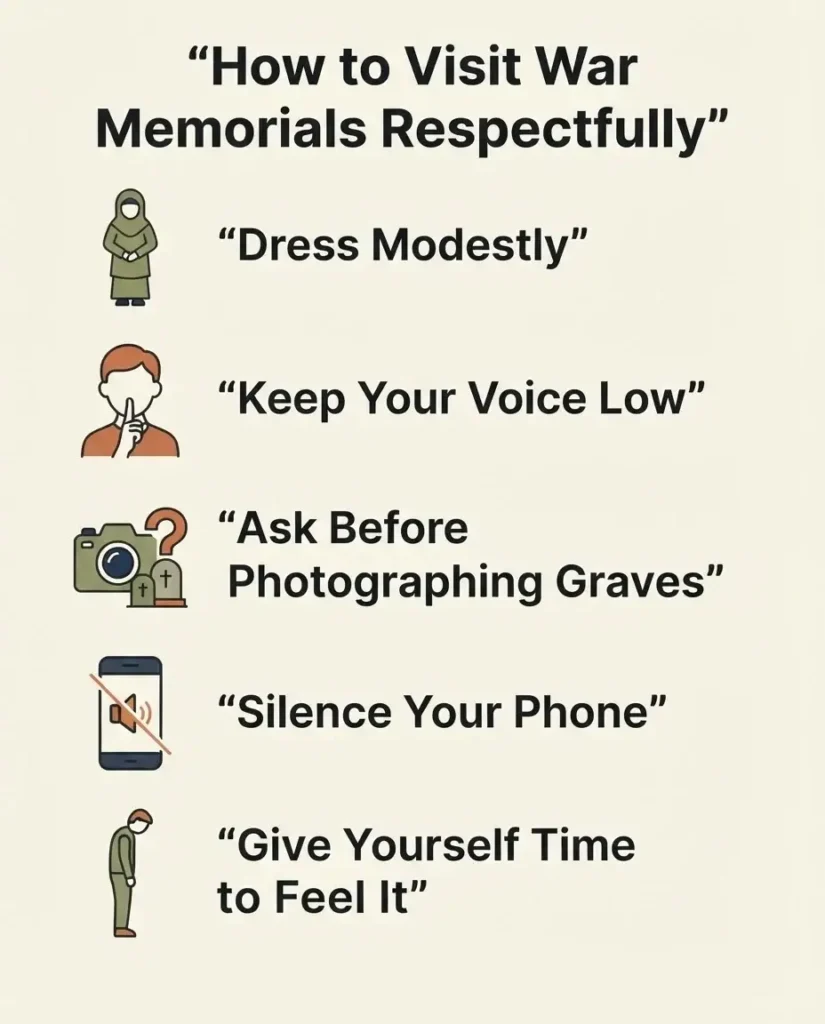
I get asked fairly often whether it’s strange to visit heavy historical sites alone, and honestly, solo visits often work better here than group tours do. You move at your own pace, you can sit somewhere for ten extra minutes if you need to, and you’re not performing a reaction for anyone else. A few things I’d genuinely encourage: dress modestly, especially at religious or burial sites. Keep your voice down and put your phone on silent. Ask before taking photos of individual graves or personal items left behind, and if a site has a policy against photography in certain areas, respect it even if nobody’s watching. And give yourself permission to feel affected. These places are designed to make you feel something. That’s not a flaw in your itinerary, it’s the point.
Common Mistakes People Make at Underrated War Memorials
The biggest mistake I see is treating these visits like any other stop on a checklist, allotting fifteen minutes for a photo before rushing to the next thing. Sites like Fort Douaumont or the Sarajevo Tunnel deserve real time, not a drive-by. Another common mistake is arriving with zero context. Reading even a short summary of what happened at a site before you go changes the entire experience, versus standing in front of a monument with no idea what it commemorates. Travelers also frequently underestimate how remote some of these sites are and end up stuck without transportation back to their base, so checking bus and train schedules ahead of time saves real frustration. And a smaller but common slip: showing up without local cash. Several of these smaller memorial sites, especially in Bosnia and rural France, still expect cash payment and don’t take cards.
Building a War Memorial Route Across Europe
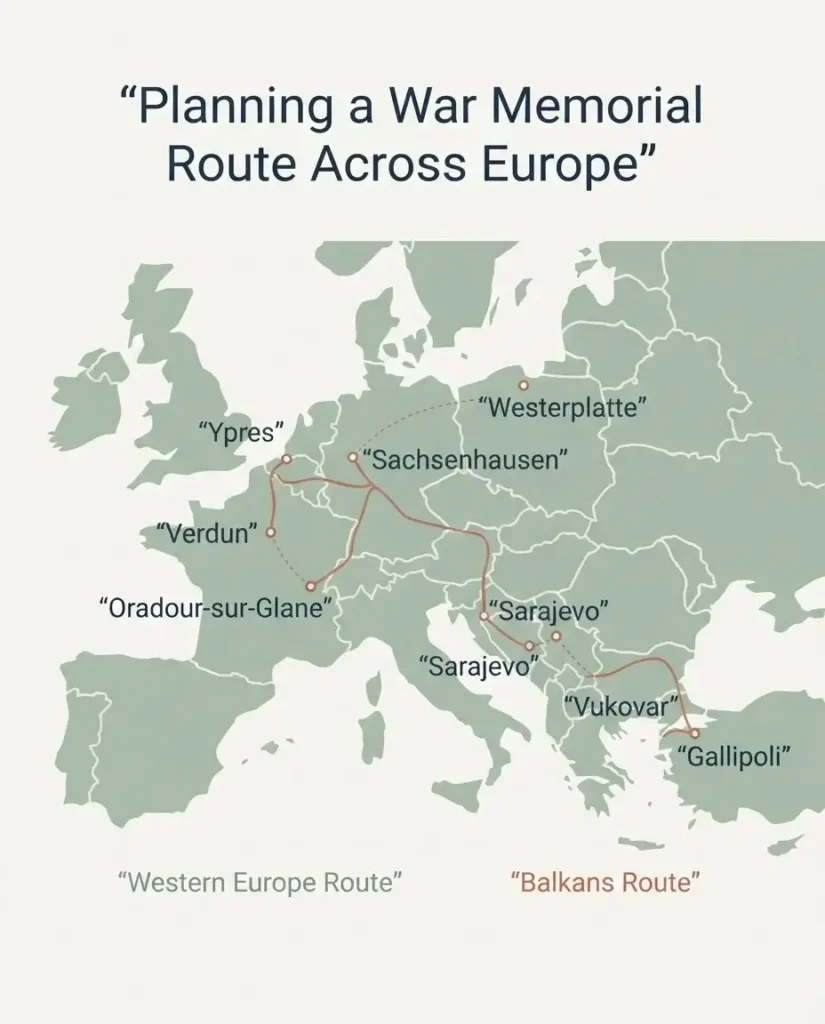
If this kind of travel interests you, the temptation is to try to cram as many sites as possible into one trip. I’d push back on that instinct a little. These visits are emotionally heavier than a typical museum stop, and stacking several in a row without breaks tends to leave people drained rather than moved. I’d suggest building a loose route through a region you’re already curious about, maybe Belgium and northern France together, or the Balkans as their own dedicated stretch, rather than trying to hit every country I’ve mentioned here in a single trip. Regional trains connect most of Western Europe’s sites well, while a rental car makes more sense for Bosnia, Croatia, and rural France. Give yourself rest days between the heaviest sites, and don’t feel guilty about balancing a memorial visit with something lighter the same day, a good meal, a walk through an old town, time by the water. That balance isn’t disrespectful. It’s how you keep yourself present enough to actually absorb what you’re seeing.
These places don’t need you to have all the answers before you show up. They just need you to actually show up, pay attention, and let the history sit with you for longer than a photo takes. That’s really all any of them are asking.