
Where to Travel in the Americas if You’re Vegetarian or Vegan

I grew up in New York City, which means I never really had to think twice about finding food that matched my diet. Want a fully vegan Korean bowl at 11pm? Done. Oat milk latte in three different directions from your front door? Easy. New York spoils you that way, and if you’ve ever eaten around this city, you already know it ranks among the best plant-based food destinations on the planet.
But the question I get asked most often by vegetarian and vegan readers is not about New York. It’s about everywhere else. Specifically: the Americas. South America. Central America. The cities people dream about visiting but worry will leave them stranded, hungry, staring at a menu full of meat and not knowing what to do.
I want to be honest with you. That fear is understandable. And it’s also largely outdated.
The plant-based dining scene across the Americas has grown faster in the last two years than most travel writers are telling you. According to a comprehensive report from Plant Based News covering Veganuary and HappyCow data, Latin America alone now has more than 10,000 vegan and vegan-friendly restaurants, up 21.6% from the previous year. Between 2023 and 2025, registered vegan dining options across the region rose 20%, from 10,834 to 13,010. These are not small numbers. This is a real cultural shift, and it is happening fast.
So let’s talk about where you should actually go, what you should actually eat, and how to navigate each destination without the anxiety.
North America: Familiar Ground, World-Class Plant-Based Eating
New York City, USA: Your Comfort-Level Benchmark
If you’re reading this from New York or planning to pass through, let me set the benchmark. NYC is ranked number six on HappyCow’s 2025 list of the top 25 most vegan-friendly cities in the world, which aggregates data based on fully vegan venues, review quality, and density per capita. The city’s plant-based scene covers every budget and every cuisine: Ethiopian injera loaded with lentil-based wats, Korean bibimbap built from vegetables and tofu, Haitian rice and beans, Indian dal, falafel carts, and dedicated all-vegan tasting menus uptown. For any vegetarian or vegan who hasn’t yet traveled internationally, New York is where you build your confidence vocabulary. You learn which questions to ask, how to scan a menu fast, and how much you can actually enjoy a meal when the kitchen knows what it’s doing. That knowledge travels.
Portland, Oregon, USA: The Undisputed North American Champion
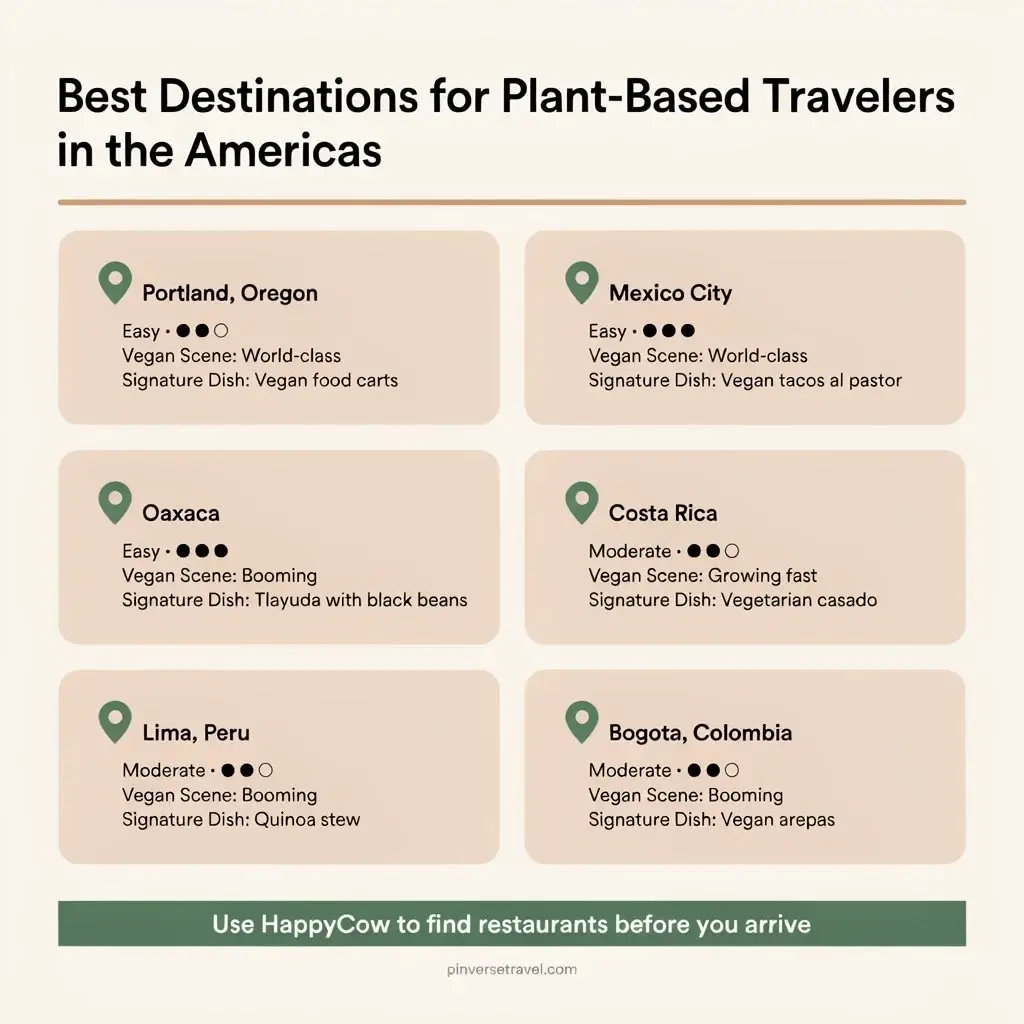
Here is something that surprises a lot of people who think of Portland only as a coffee-and-rain city. Portland, Oregon, has been consistently ranked the best vegan city in North America by WalletHub, VegOut, and Frommer’s, and its official tourism board maintains a detailed, regularly updated vegan food guide listing dozens of fully vegan restaurants, bars, bakeries, and food carts across the city. We’re not talking about a few sad salads and a tofu scramble. Portland has entirely vegan taqueria, Sri Lankan restaurants, Southern comfort food spots, pizza joints with house-made vegan cheese, doughnut shops, and ice creameries.
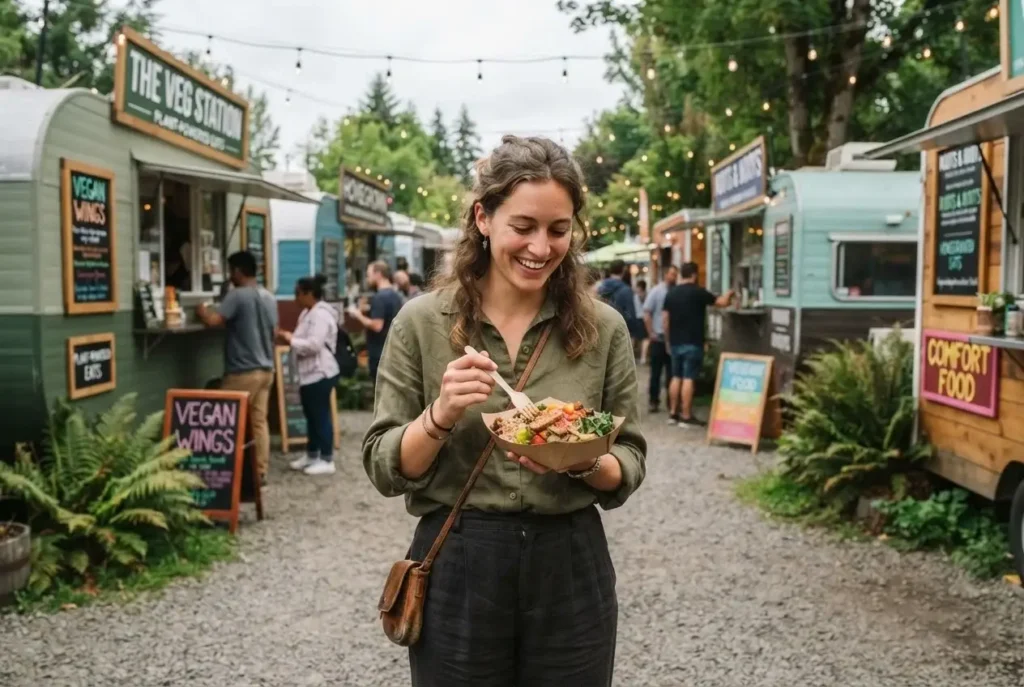
If you’re vegetarian or vegan and you’ve never been, put it on your list before the overseas destinations. It is genuinely one of the most exciting food cities in the country, and eating plant-based there feels like a reward rather than a compromise.
Mexico and Central America: Naturally Plant-Based, Historically Rich
Mexico City, Mexico: The Biggest Surprise on This List
In 2025, Mexico City entered HappyCow’s global top 10 most vegan-friendly cities for the first time, following a 13% year-over-year rise in vegan-friendly establishments. The city now has 124 fully vegan businesses and 493 additional vegan-friendly restaurants. Mexico as a whole led all of Latin America in 2025 with 512 fully vegan restaurants, according to the Mexico Business News report on Veganuary and HappyCow’s 2025 data. Nine percent of Mexico’s population identifies as vegan and 19% as vegetarian, making it second only to India globally for plant-based eating.
For travelers, this means you have enormous choice. In the neighborhoods of Roma Norte and Condesa, you’ll find everything from upscale plant-based restaurants to casual all-vegan taco carts. Por Siempre Vegano is a well-known street-level vegan taqueria in Roma Norte, serving affordable vegan tacos and tortas with photos on the menu, which is genuinely helpful when navigating in a second language. The key word you’ll rely on throughout Mexico is “sin carne” (without meat), but in Mexico City, dedicated vegan menus are common enough that you may not even need it.
Mexico City is also a fantastic solo destination in general. The metro system is extensive and inexpensive, the neighborhoods are walkable and culturally rich, and the food scene rewards slow exploration. Sit down at a street-food market, let the smells guide you, and you’ll almost always find something that works.
Oaxaca, Mexico: The Sleeper Hit
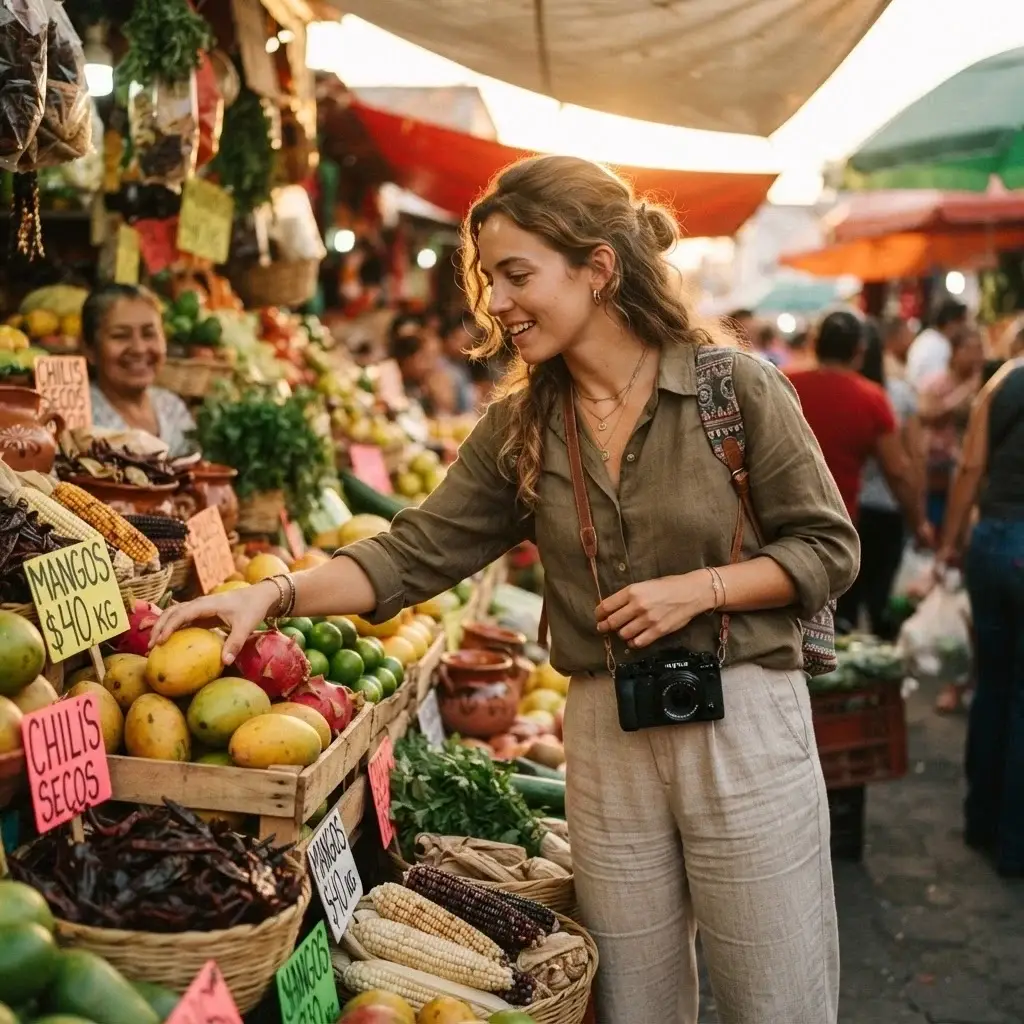
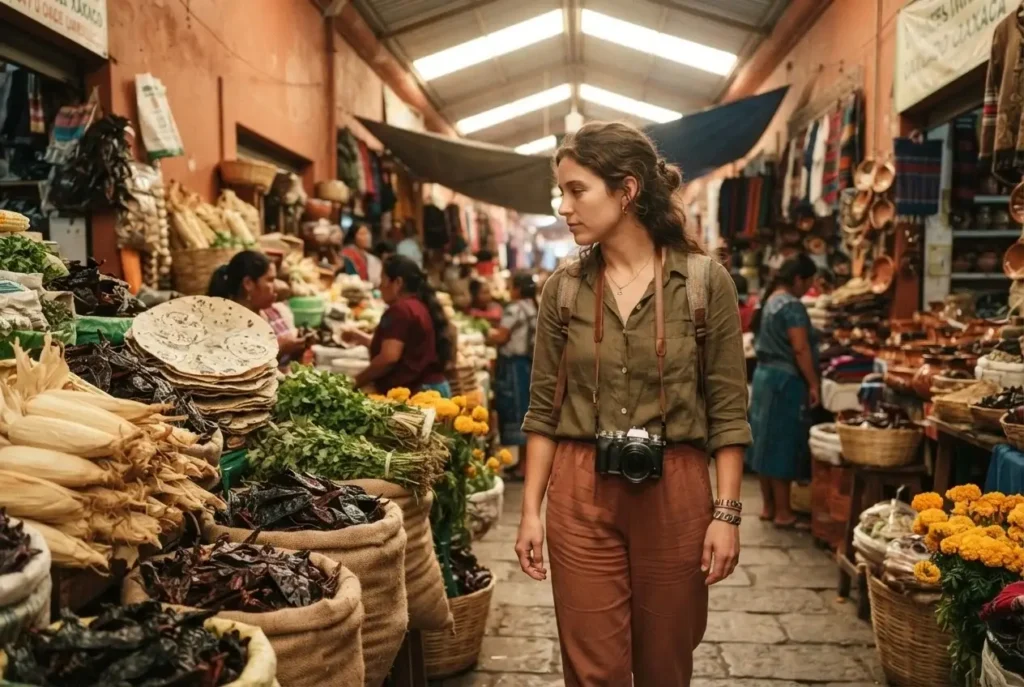
If Mexico City is the obvious answer, Oaxaca is the one people don’t expect. Oaxacan cuisine is deeply rooted in corn, beans, squash, chiles, and herbs, which means its traditional dishes are often naturally vegan or easily adapted. Tlayudas loaded with black beans and salsa can skip the meat entirely. Tamales, memelas, and tejate, a traditional chocolate and corn drink, are all plant-based in their original form. The city’s market culture means fresh produce is everywhere and meals are cheap. There is also a growing scene of cafes and restaurants catering to the international travelers and expats who have discovered Oaxaca’s food scene. It is one of those destinations that rewards slow travel, which is the kind of travel I believe in most.
Costa Rica: Pura Vida, Plant-Based Style
Costa Rica may have a reputation as a meat-and-seafood country, but vegetarians who travel there consistently report a much better experience than they expected. The key is understanding how traditional Costa Rican food works. The national dish is gallo pinto, rice and black beans typically eaten at breakfast, and it is naturally vegan in its base form. A casado, the classic lunch plate of rice, beans, plantains, and salad, can be ordered as a vegetarian casado at nearly any soda (a local Costa Rican restaurant), even if it’s not listed on the menu. You simply ask for it “sin carne.”
What makes Costa Rica genuinely accessible for vegetarians is this resource from My Tan Feet on eating vegan and vegetarian in Costa Rica, which goes deep on the specific Spanish phrases you need, the hidden pitfalls (some beans are cooked with chicken stock; some gallo pinto is cooked in butter), and which tourist destinations have dedicated vegetarian and vegan restaurants. For strict vegans, the local sodas require more careful questioning. But for vegetarians, Costa Rica is genuinely one of the most pleasant and easy countries to navigate in Central America.
The towns of Nosara, Monteverde, Santa Teresa, and Uvita have particularly strong vegan and vegetarian scenes, driven by large expat and wellness communities. A lunch plate at a local soda costs around $9-10 USD, making it a very affordable country to eat well in.
South America: The Scene That Will Surprise You
Colombia: Bogotá and Medellín Are Doing Something Special
Colombia is not a country that most people associate with plant-based eating, and that assumption is worth updating right now. Bogotá currently has over 50 vegan and vegetarian restaurants, and Medellín has over 30, according to HappyCow data. For a deeper look at what’s available and how to navigate Colombian cuisine as a plant-based traveler, the Veggies Abroad Colombia vegan guide is one of the most thorough, practical resources you’ll find, covering everything from the best Bogotá and Medellín restaurants to the specific vegan-friendly versions of traditional dishes like empanadas, ajiaco, and bandeja paisa.
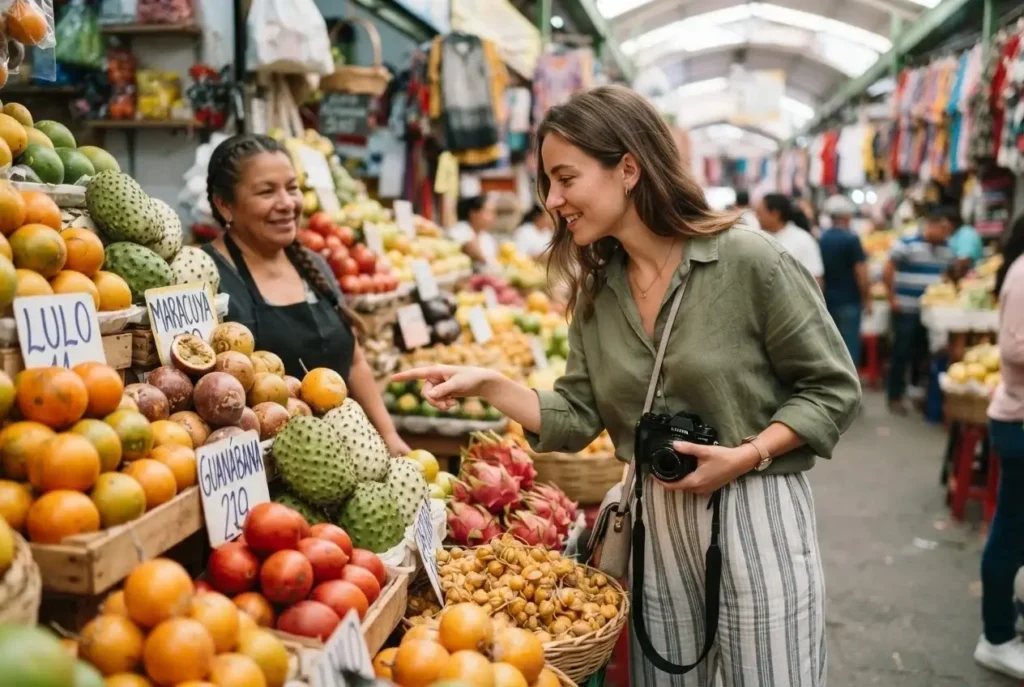
One thing that solo travelers in particular will appreciate about Colombia is how affordable and accessible the vegan scene is. Dishes like arepas, rice and beans, and tropical fresh fruit are naturally plant-based and available everywhere. The challenge is that the word “vegan” is not universally understood outside of cities and dedicated vegan restaurants, so knowing basic Spanish phrases and being comfortable pointing to ingredients matters. Bogotá’s fresh fruit markets are worth visiting for their own sake: tree tomatoes, lulo, maracuyá, and guanábana are all fruits that are likely new to most international visitors, and the abundance is extraordinary.
Medellín, beyond its remarkable food scene, is also one of the most affordable cities in South America for longer stays, making it a strong option for slow travelers or anyone considering a digital nomad-style stop.
Peru: Where Ancient Crops Meet Modern Creativity
Peru is one of the most compelling food destinations in the entire world, and the good news for plant-based travelers is that Andean cuisine is fundamentally built around plant foods. Quinoa, potatoes, choclo (Peruvian corn), broad beans, amaranth, and dozens of varieties of ají (chili pepper) form the foundation of traditional cooking. The challenge is that many traditional meat-based dishes are deeply embedded in Peruvian culture, and communicating dietary needs clearly in rural areas can take patience.
In Lima, the food scene is sophisticated enough that vegetarian and vegan options are plentiful across all price ranges. Lima has been celebrated internationally as one of the world’s great food cities, and its creative chefs are working with Andean plant ingredients in genuinely inventive ways. For a practical guide to the best vegan spots in both Lima and Cusco, the 27 Travels vegan Peru guide breaks down specific restaurants, what to order, and what to expect at each one.
In Cusco, Green Point is the most well-known dedicated vegan restaurant, offering plant-based versions of traditional Peruvian dishes in a country where that context matters a great deal. El Encuentro is a popular local vegetarian spot that serves affordable set lunches. If you’re spending time in the Sacred Valley before or after Machu Picchu, pack snacks for the more rural stretches and lean on the market towns, which always have fresh produce and simple grain dishes.
For solo travelers, Peru is the kind of place where the challenge of navigating a new food culture becomes one of the most memorable parts of the trip. You figure it out, you find something extraordinary, and you remember it for years.
Buenos Aires, Argentina: The Surprising Comeback
Argentina has the global reputation of being perhaps the most carnivore-oriented country on Earth, and to a degree, that reputation is earned. But Buenos Aires is a large, cosmopolitan, internationally minded city, and the vegan scene there has been growing fast. The city currently ranks fourth among Latin American cities for vegan-friendly restaurants with 561 venues, behind only São Paulo, Santiago, and Rio de Janeiro.
From what plant-based travelers consistently report, Buenos Aires rewards patience and a willingness to look beyond the traditional parrilla (steakhouse) experience. The Palermo and San Telmo neighborhoods have concentrated vegan and vegetarian options. The city’s Italian heritage also means pasta and pizza are plentiful, and many pizzerias can easily accommodate dairy-free requests. Buenos Aires is also one of the world’s great coffee cities, and cafes with soy or oat milk options are increasingly common. For a solo traveler who loves a walkable, European-feeling city with big arts and culture scenes, Buenos Aires is worth the navigation even if the food scene requires a bit more research upfront.
São Paulo, Brazil: The Biggest Vegan City in the Americas
When it comes to raw numbers, São Paulo is the standout. With 785 vegan dining options, São Paulo leads all Latin American cities in pure volume of plant-based choices, according to the same 2025 Veganuary/HappyCow data. Brazil as a whole has 4,259 total vegan-option venues, making it the most vegan-friendly country in the region by that measure.
From what travelers to São Paulo consistently describe, the city’s food culture is genuinely diverse, with strong Japanese, Lebanese, Italian, and West African influences all contributing to a food scene where plant-based ingredients are already central to many traditional dishes. Feijoada can be made without meat. Pão de queijo is often adaptable. Fresh açaí bowls are everywhere and naturally vegan. If you are a plant-based traveler who also wants a major world city experience with art, architecture, music, and nightlife alongside your food adventure, São Paulo belongs near the top of your list.
The One Tool That Makes All of This Easier
Across every destination on this list, one resource comes up consistently in the traveling vegan and vegetarian community: HappyCow, the global vegan restaurant finder available as both a website and app, covering 185 countries. Before you arrive anywhere new, search your destination on HappyCow to get a quick map of fully vegan restaurants, vegetarian spots, and vegan-friendly venues nearby. The app lets you filter by category and read community reviews, which are often more accurate and up-to-date than printed guidebooks. I recommend downloading the city’s results while on Wi-Fi so you have them offline, which is especially useful in countries where data access is unpredictable.
HappyCow won’t solve every situation.
In small towns, rural areas, and local markets, you’ll still need Spanish, patience, and a willingness to ask questions and point at ingredients. But for any solo traveler worried about landing in a new city and not knowing where to eat, this app removes a significant amount of that anxiety before you even land.
Practical Notes for Every Stop
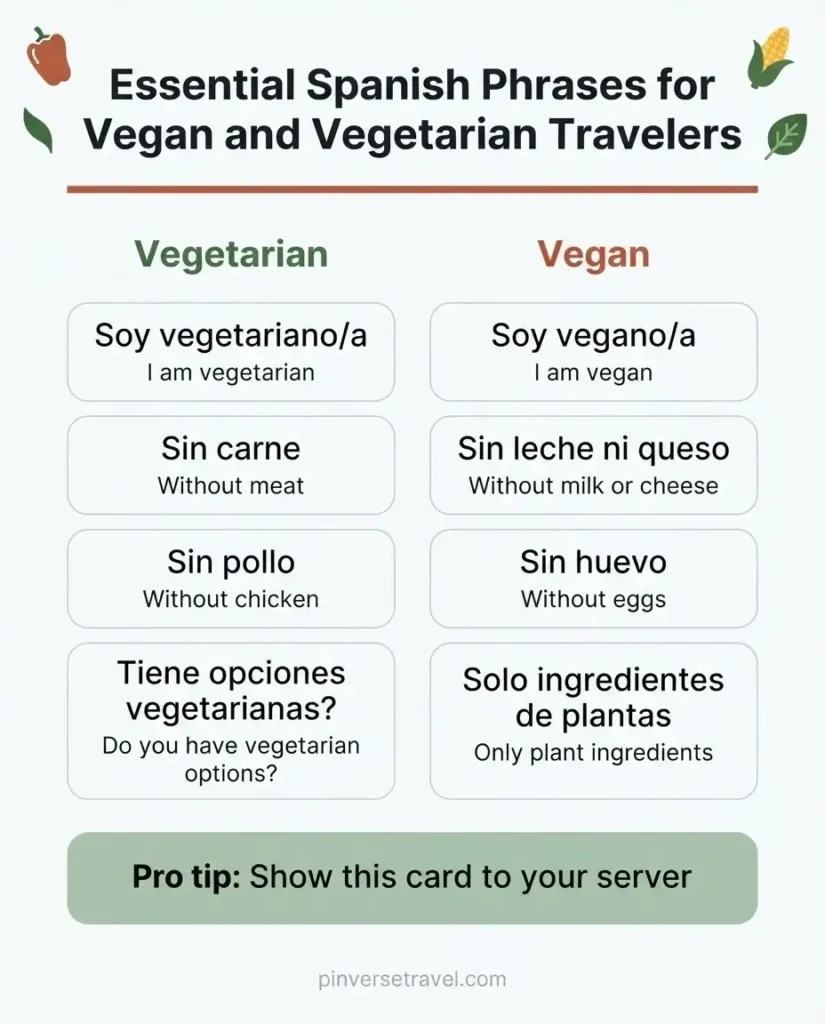
A few things that consistently matter across all of these destinations, regardless of where you go. First: learn the Spanish phrase for your dietary needs before you arrive. “Soy vegetariano/a” (I am vegetarian) and “Soy vegano/a” (I am vegan) are essential. “Sin carne” (without meat) is your most useful phrase at local restaurants. “Sin leche, sin queso, sin huevo” covers dairy and eggs if you’re vegan. Write these down or save them on your phone.
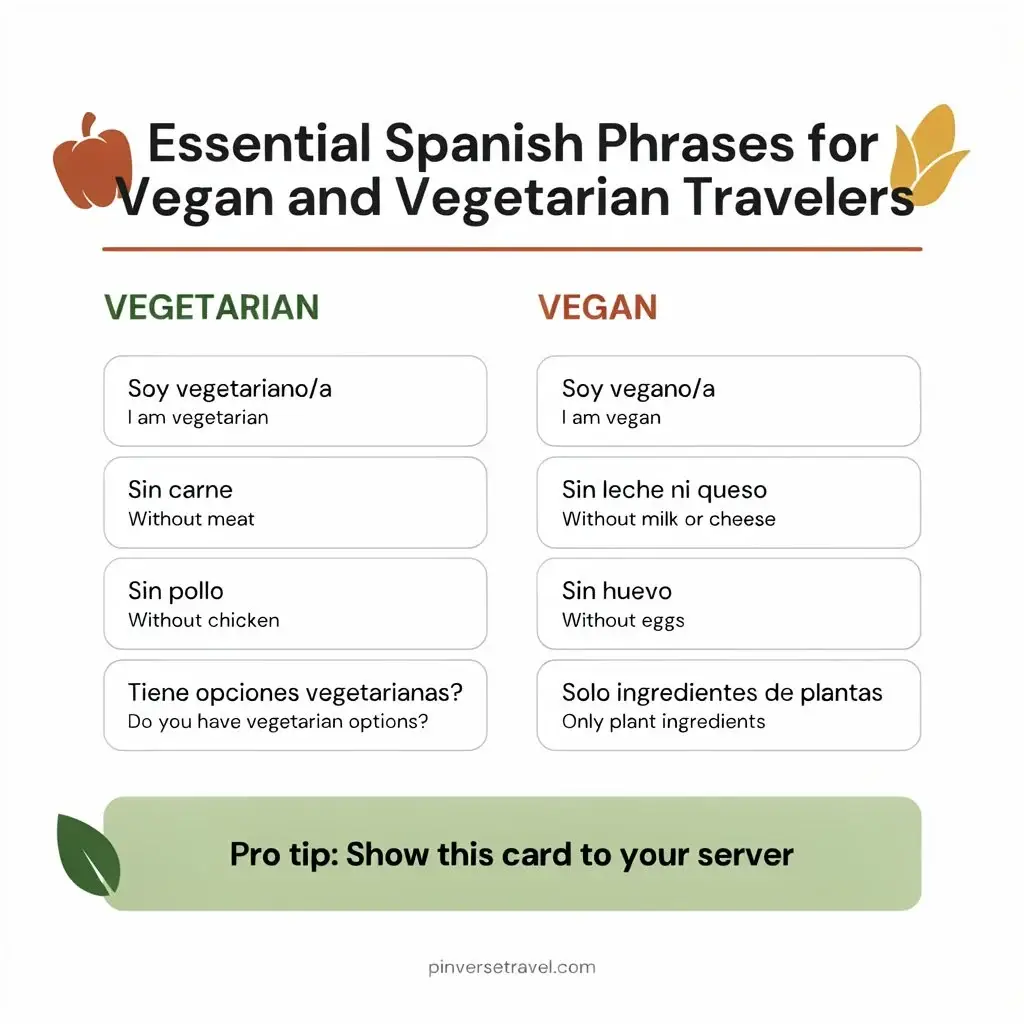
In smaller towns and local sodas or market stalls, staff are almost always willing to accommodate, but they need to understand what you need.
Second: draw a clear line in your own mind between vegetarian travel and strict vegan travel. Being vegetarian in almost every city on this list is genuinely easy. Being strictly vegan takes more research, more communication, and more flexibility in rural or traditional settings. Both are completely doable. They just require different levels of preparation.
Third: embrace the naturally plant-based dishes that already exist in each cuisine. Gallo pinto in Costa Rica. Tamales in Oaxaca. Quinoa soup in Peru. Arepas in Colombia. Açaí in Brazil. Some of the most extraordinary meals you’ll have as a plant-based traveler won’t be at a dedicated vegan restaurant at all. They’ll be at a market stall, a family-run soda, or a street corner where someone hands you something you’ve never tried before.
That is what travel is for, regardless of what’s on your plate.