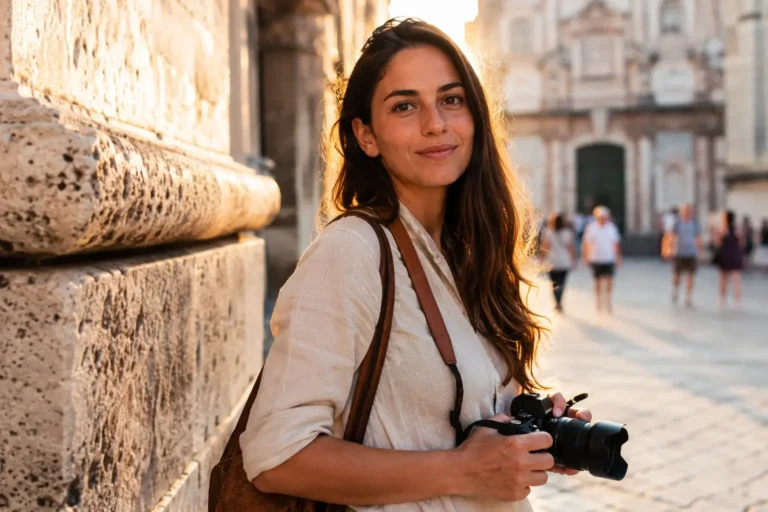
For years, I believed that traveling required a massive, heavy suitcase. When I landed my first corporate office job in New York after graduating from the State University of Albany, I used my limited vacation days to take quick, frantic trips. Every time, I brought a giant rolling bag stuffed with outfits I never wore, extra shoes that hurt my feet, and copies of documents I didn’t need. I remember dragging a twenty-kilo suitcase up five flights of concrete stairs in a train station in Europe, sweating, exhausted, and feeling completely overwhelmed. I felt like a target. Everyone could see I was a tourist who didn’t know what she was doing.
That difficult trip changed everything for me. When I eventually left that rigid routine behind, waitressed to save up money, and started traveling long-term, I realized something important. Heavy bags do not give you security. They actually hold you back.
Learning how to pack a carry-on like a pro is not just a trick to save money on baggage fees. It is a total mindset shift. It is about letting go of fear, trusting that the world has what you need, and moving through new places with your head held high. When you carry your own bag easily, you build a deep sense of confidence. You stop worrying about lost luggage, broken wheels, or crowded buses. You become an active explorer instead of a stressed-out tourist.
In this deep guide, I am going to share every single packing secret, organizational strategy, and mindset shift I have learned over nearly a decade of solo travel. Whether you are prepping for a quick weekend getaway or getting ready to spend months teaching English abroad, this manual will show you exactly how to fit your life into one small bag without leaving the essentials behind.
The Psychology of Overpacking: Why We Bring Too Much
Before we look at rolling techniques or packing cubes, we need to talk about why we pack too much stuff in the first place. Overpacking is almost never about the clothes. It is about anxiety.
When we pack for a trip, we tend to project our fears onto our luggage. We think, What if it rains for a week straight? What if I get invited to a fancy dinner? What if I ruin my favorite shirt? We try to buy insurance against the unknown by packing extra items. But here is the truth I learned after backpacking through dozens of countries: you can buy shampoo, socks, and umbrellas anywhere in the world.
When you learn how to pack a carry-on like a pro, you accept that you cannot predict every single moment of a journey. And that is completely okay. In fact, the unexpected moments are usually the best parts of travel. Embracing a minimalist packing list forces you to rely on your own problem-solving skills rather than a piece of plastic in your suitcase. It builds your confidence because you prove to yourself that you can handle small challenges on the road.
Choosing the Perfect Carry-On Bag
You cannot pack like a professional if your bag is working against you. The right carry-on should feel like an extension of your body, not a heavy burden you have to drag behind you.
Hardside vs. Softside Luggage
People often ask me if they should buy a hard plastic suitcase or a soft fabric one. There is no single correct answer, but each style serves a different kind of trip.
Hardside bags offer great protection for your things. If you are carrying a laptop, a camera, or fragile souvenirs, a hard shell keeps them from getting crushed in the overhead bin. They are also highly water-resistant, which is helpful if you are walking through a sudden downpour to find your hostel.
Softside bags, on the other hand, offer more flexibility. They can stretch slightly when you need to squeeze in one last souvenir. More importantly, soft bags usually have exterior pockets. When I worked as a certified sightseeing guide in New York City, I always noticed which travelers had easy access to their items. Having an outside pocket means you can grab your passport, your headphones, or a light sweater without opening your entire suitcase on a dirty airport floor.
Two Wheels vs. Four Spinner Wheels
Two-wheel suitcases roll like a rollerblade. You pull them behind you at an angle. They are fantastic for rough surfaces, cracked sidewalks, cobble streets, and thick carpets. Because the wheels are partially recessed into the bag, they take up less space, giving you more room inside for your clothes.
Four-wheel spinner bags sit upright and glide in any direction with a gentle push. They are amazing for smooth airport terminals and narrow airplane aisles. However, those exposed wheels are easy to break if you drop the bag off a curb. They also tend to roll away on slanted surfaces like city buses or trains. If you plan to spend most of your time exploring historic city centers with old stone streets, a rugged two-wheel bag or a travel backpack is usually a safer choice.
The Travel Backpack Option
If you want total freedom, a travel-specific backpack is the ultimate tool. I don’t mean a top-loading hiking pack that makes you look like you are climbing Mount Everest. Look for a panel-loading backpack that opens flat like a suitcase.
A backpack keeps your hands completely free. This matters immensely when you are trying to read a digital map on your phone, count local currency, or grab a rail on a fast-moving subway. Walking through a bustling market or stepping on and off ferries is much easier when your luggage is securely strapped to your back.
Understanding Airline Rules and Dimensions
Every airline has its own rules for carry-on luggage, and these rules can change based on where you are flying in the world. To avoid unexpected fees and stressful moments at the boarding gate, you must understand the difference between a carry-on bag and a personal item.
The Standard Carry-On Bag
Most major global airlines allow one standard carry-on bag that fits in the overhead compartment. The typical dimension limit for US domestic flights is 22 x 14 x 9 inches (56 x 36 x 23 centimeters). European and Asian budget airlines are often stricter, sometimes reducing the allowed depth to 7.8 inches (20 centimeters).
Weight limits also vary wildly. While major US carriers rarely weigh your carry-on, budget airlines in Europe and Southeast Asia frequently enforce a strict limit of 15.4 pounds (7 kilograms) for your main bag. Before you head out, it is highly smart to check the official US Department of State Travel website for updated international transit alerts, entry requirements, and helpful safety ratings for your specific destination countries.
The Personal Item
A personal item is a smaller bag that must fit completely under the seat in front of you. This can be a small backpack, a tote bag, a briefcase, or a large purse. The typical size limit is around 18 x 14 x 8 inches.
The secret to maximizing your space is to treat your personal item as a highly organized second suitcase, not just a place to dump loose trash. This is where you keep your most valuable and time-sensitive items: your passport, electronics, medications, and a fresh change of clothes just in case you are forced to gate-check your main carry-on.
The Master Blueprint: Building a Capsule Wardrobe
The biggest secret to knowing how to pack a carry-on like a pro is mastering the capsule wardrobe. A capsule wardrobe is a small collection of clothes where every single item matches every other item. If a shirt only goes with one specific pair of pants, leave it at home.
The 5-4-3-2-1 Packing Rule
When I am planning a week-long trip, I use a simple numbers system to keep my clothing choices under control. This classic framework ensures you have enough clothes for various weather conditions without overstuffing your bag:
- 5 Tops: A mix of lightweight t-shirts, tank tops, and one button-down shirt for nicer evenings.
- 4 Bottoms: Two pairs of comfortable pants, one pair of shorts, and a casual skirt or dark jeans.
- 3 Shoes: One pair of sturdy walking sneakers, one pair of versatile sandals or flats, and one pair of lightweight flip-flops for the shower or beach.
- 2 Layers: A light cardigan, fleece, or denim jacket, plus a compact raincoat.
- 1 Hat/Swimsuit: Essential sun protection or swimwear depending on your destination.
Choosing the Right Fabrics
When you are living out of a carry-on, fabric choice is everything. You want materials that are lightweight, durable, quick-to-dry, and resistant to wrinkles.
- Merino Wool: This is the absolute king of travel fabrics. Merino wool regulates your body temperature, keeping you cool in the heat and warm in the cold. Best of all, it naturally resists odors. You can wear a high-quality merino wool t-shirt multiple times without it smelling, which means you can pack far fewer shirts overall.
- Linen: Linen is wonderful for hot, humid tropical climates because it is incredibly breathable. However, it wrinkles easily. If you bring linen, accept the wrinkles as part of the relaxed, casual style, or choose a linen-cotton blend that holds its shape better.
- Synthetics (Nylon and Polyester): Modern athletic clothing is built for travel. It is incredibly light, takes up very little space, and dries in a few hours. If you wash a polyester shirt in your hotel sink at night, it will be completely dry and ready to wear by morning.
- Avoid Heavy Denim and Chunky Knits: Thick jeans and heavy cotton sweaters take up massive amounts of space and weigh a ton. They also take days to air-dry if you get caught in a rainstorm. Swap heavy jeans for lightweight chinos or travel pants, and layer thin sweaters instead of bringing one giant hoodie.
Color Palettes for Easy Mixing
Stick to a core color palette of neutral tones like black, navy, grey, white, or olive. Then, add one or two accent colors through small accessories like a scarf or a bandana. For example, if your base colors are navy and grey, a soft red scarf can completely change the look of an outfit without adding bulk to your bag. This approach lets you create dozens of unique combinations from just a few basic pieces.
Packing Techniques: Roll vs. Fold vs. Bundle
Once you have selected your clothes, the next challenge is getting them into the bag efficiently. Travelers have debated the best packing methods for decades, but professionals use a combination of three distinct techniques.
The Rolling Method (Ranger Rolling)
Rolling your clothes is the most popular way to maximize space. Instead of folding your shirts into flat squares, you fold them lengthwise and roll them tightly into compact cylinders. This method is incredibly effective for t-shirts, synthetic shorts, underwear, and casual dresses.
Rolling compresses the air out of the fabric and allows you to see every single item in your bag at a glance. You don’t have to dig through a stack of clothes to find the shirt you want, which keeps your bag neat throughout your trip.
The Bundle Packing Method
Bundle packing involves wrapping your clothes tightly around a central core object, like a small pouch filled with underwear or socks. You start with the most wrinkle-prone items on the outside, like button-down shirts or blazers, and wrap them layer by layer around the core.
Because the fabric is wrapped in a wide, gentle curve instead of being creased, this technique is the absolute best way to prevent wrinkles. It works beautifully if you need to travel with business clothes or formal outfits for an event. The downside is that you have to unwrap the entire bundle to access a single item of clothing.
The Compression Strategy
Compression sacks or vacuum bags use one-way valves or heavy zippers to squeeze every bit of air out of your bulky clothes. They can reduce the volume of your winter gear by up to fifty percent.
However, use them with caution. While compression bags create more physical space in your suitcase, they do not reduce the weight of your items. It is very easy to overpack your bag and bust past airline weight limits because everything looks so small.
The Magic of Packing Cubes: A Guide’s Secret
If you take only one piece of advice from this entire guide, let it be this: buy a set of packing cubes. When I was working as a tour guide in New York, helping visitors manage their daily schedules, I quickly saw that organization prevents chaos. Packing cubes are small fabric containers that act like portable drawers for your suitcase.
I like to use different colored cubes for different categories of items. I put all my tops in a green cube, my bottoms in a blue cube, and my underwear and socks in a smaller red cube. This system keeps your bag organized and saves you precious time. When you arrive at your destination, you don’t need to unpack your entire suitcase onto a questionable hotel bed. You simply lift the cubes out of your bag and slide them straight into the dresser drawers.
For the ultimate space-saving setup, look for compression packing cubes. These have a special double-zipper system that manually forces out extra air after you fill the cube, compressing your clothes down into ultra-dense, easy-to-pack blocks.
Liquid Management and the TSA 3-1-1 Rule
For many independent travelers, fitting all their liquids into a single, quart-sized plastic bag is the hardest part of packing a carry-on. But with a few simple adjustments, you can ace the security line without breaking a sweat.
Understanding the 3-1-1 Rule
The Transportation Security Administration (TSA) states that all liquids, gels, aerosols, and pastes must be in containers that hold 3.4 ounces (100 milliliters) or less. All of these small containers must fit comfortably inside one clear, plastic, quart-sized, zip-top bag. Each passenger is allowed only one liquid bag.
Solid Swaps: The Ultimate Hack
The easiest way to conquer the liquid bag constraint is to stop packing liquids. The modern beauty and hygiene industry has created incredible solid alternatives for almost every product you use:
- Solid Shampoo and Conditioner Bars: These look like bars of soap, smell amazing, and last for dozens of washes. They take up a fraction of the space and can never leak all over your clothes.
- Toothpaste Tablets: Instead of a plastic tube of paste, you pop a tiny dry tablet in your mouth, chew it slightly, and brush with a wet toothbrush. They are lightweight, completely mess-free, and highly practical.
- Bar Soap and Solid Deodorant: Swap out body washes and aerosol sprays for solid versions that don’t count toward your precious liquid limit.
- Solid Sunscreen and Moisturizer Sticks: These glide on smoothly and are perfect for keeping your skin hydrated on dry airplane flights.
Choosing the Right Travel Bottles
If you must bring specific liquid products, skip the cheap, hard plastic bottles you find in drugstores. They are prone to cracking under high cabin pressure, causing messy leaks. Instead, invest in high-quality, food-grade silicone bottles. Silicone is flexible, which lets you squeeze out every single drop of product. Look for bottles with a wide opening for easy refilling and a secure, leak-proof valve cap.
Always fill your bottles about eighty percent full. Leave a tiny bit of empty space at the top so the liquid has room to expand as the airplane changes altitude during the flight.
Streamlining Electronics and Tech Gear
As an independent digital creator, I travel with a fair amount of technology, but I see so many people bring way more gear than they actually use. Unless you are editing high-definition films on the road, your tech setup should be lean, efficient, and highly organized.
The Universal Tech Pouch
Never let your charging cords, headphones, and adapters float around loose in your suitcase pockets. They will tangle, get damaged, or disappear under the lining. Use a dedicated, zippered tech organizer with elastic loops to hold each cord securely in place.
Multi-Port Chargers and Universal Adapters
Instead of packing a individual charging block for your phone, your tablet, your watch, and your laptop, buy one high-quality, fast-charging wall block with multiple USB-C ports. Look for a charger that uses Gallium Nitride (GaN) technology. These chargers are incredibly small, don’t heat up, and can power up multiple devices simultaneously from a single wall outlet.
Pair this with a robust universal travel adapter that works in over 150 countries. It is a smart move to select one that includes built-in USB ports right on the side of the adapter, saving you even more space.
Consolidating Your Devices
Ask yourself if you really need to bring a laptop, a tablet, and an e-reader on your adventure. For most trips, a modern smartphone and a lightweight Kindle are more than enough. You can download travel apps, manage your digital boarding passes, read local guides, and back up your photos right from your phone, keeping your daypack wonderfully light.
Shoe Hacks: How to Deal with Bulk
Shoes are the absolute ultimate enemy of the carry-on traveler. They are bulky, heavy, awkwardly shaped, and inherently dirty. Knowing how to handle your footwear is a major step toward packing like a seasoned pro.
The Golden Rule: Limit Yourself to Two or Three Pairs
You should never have more than three pairs of shoes for a trip, and for many warm-weather destinations, two pairs are plenty.
- The Heavy Pair (Wear These on the Plane): Your bulkiest, heaviest shoes—like running sneakers, hiking boots, or leather boots—should stay on your feet during travel days. This simple trick instantly clears out a massive amount of physical space and weight inside your suitcase.
- The Versatile Pair (Pack These): A stylish, comfortable pair of shoes that can handle hours of city walking but still look nice enough for a casual dinner. Lightweight loafers, simple leather sneakers, or supportive flats are excellent choices.
- The Minimal Pair (Pack These): A super-flat pair of sandals or basic flip-flops. These take up almost zero space and are essential for beach days, hotel rooms, or communal hostel showers.
Maximize Inside Space and Maintain Cleanliness
Never leave the interior of your packed shoes empty. The inside of a shoe is prime, unused real estate. Stuff your rolled-up socks, underwear, or fragile tech accessories deep inside your shoes. This keeps your shoes from getting squished flat and losing their shape, while maximizing every square inch of your bag.
To keep the rest of your items pristine, always place your packed shoes inside lightweight, washable shoe bags or wrap the soles in a basic plastic grocery bag before they go into your suitcase.
Managing Health, Medication, and First Aid
Staying healthy on the road is vital for keeping your travel confidence high. But you don’t need to carry a full pharmacy in your carry-on to be safely prepared for common minor illnesses.
Streamlining Your Medical Kit
Take medications out of their bulky, oversized cardboard boxes. Keep the blister strips together and place them inside a small, clear, zippered pouch. Always pack a basic first aid kit with a few essential items:
- Pain relievers and fever reducers (like ibuprofen or paracetamol).
- Anti-diarrheal medication (an absolute lifesaver if your stomach disagrees with local street food).
- Antihistamines for sudden allergic reactions or itchy bug bites.
- A handful of adhesive bandages in various sizes and a small roll of blister tape.
- A small supply of rehydration salts to help you bounce back quickly from dehydration.
For comprehensive international health advice, mandatory vaccine lists, and reliable tips on local food and water safety, it is always a smart idea to consult the CDC Travelers’ Health portal during your planning phase.
Traveling Safely with Prescription Medications
If you take critical prescription medications, always keep them in their original pharmacy bottles with your legal name clearly printed on the label. Carry them exclusively in your personal item under the seat in front of you, never in a bag that might get checked at the airplane gate.
It is also wise to bring a clear paper copy of your official doctor’s prescription and a summary note explaining why you take the medicine, which can help you clear customs checkpoints in foreign countries without any unnecessary delays.
Master Packing Order: How to Layer Your Bag
How you position items inside your suitcase matters just as much as what you bring. Proper weight distribution makes your suitcase easier to pull and prevents your gear from shifting and getting damaged.
The Bottom Layer (Near the Wheels)
Place your heaviest items—like your packed shoes, travel hair dryers, or an extra book—at the very bottom of the bag, right next to the wheels. When you stand your suitcase upright, this placement keeps the center of gravity low. It prevents your suitcase from tipping over onto its face and makes rolling down busy city streets much smoother.
The Middle Layer
Position your major clothing packing cubes in the center section of your suitcase. This provides a soft, protective cushion around any fragile items or electronics you might have packed in the middle of your bag.
The Top Layer (Near the Handle)
Keep your lightest items, your liquid toiletries bag, and your light rain jacket at the very top of your suitcase. This ensures that when you arrive at airport security lines, you can zip open the top of your bag, slide your liquids out in one quick motion, and zip it back up without making a mess. It also means if a sudden rainstorm hits the moment you step off the plane, your rain jacket is instantly accessible.
Keeping Clean and Managing Laundry on Long Journeys
One of the biggest secrets to long-term travel with just a carry-on is realizing that you don’t need to pack unique outfits for every single day of your trip. You simply need to wash your clothes as you go.
Master the Art of Sink Washing
Washing a few items of clothing in your hotel or hostel sink takes less than ten minutes and saves you immense amounts of luggage space. Fill the basin with lukewarm water, add a few drops of mild travel laundry liquid or basic baby shampoo, and agitate the clothes thoroughly with your hands. Rinse them completely in clean water.
To speed up drying times, use the classic towel-rolling trick. Lay a freshly washed shirt flat on a dry towel, roll the towel up tightly into a cylinder with the shirt inside, and stamp on it with your feet. The towel will absorb the vast majority of the water, allowing your clothing to air-dry completely on a travel clothesline in a few hours.
Finding Local Laundry Services
If you don’t want to wash clothes by hand, look for local drop-off laundry services. In many parts of Central America, Europe, and Southeast Asia, you can drop your bag of dirty clothes at a local shop, and they will wash, dry, and fold everything for a very small fee based on weight.
For example, when exploring historical landmarks or mapping out detailed travel routes across stunning ancient destinations, check out the comprehensive city overviews on Lonely Planet to find practical neighborhood guides, local laundry tips, and reliable transport reviews.
Destination Case Study: Packing for Tropical Thailand
To see how these rules work in the real world, let’s look at a packing plan for a solo adventure through Thailand. This gorgeous country features a mix of bustling cities, sacred historical temples, and humid tropical beaches.
Navigating Sacred Cultural Sites Respectfully
When visiting stunning ancient religious sites, cultural modesty is incredibly important. Your shoulders and your knees must be completely covered, or you will not be allowed inside the temple grounds.
Instead of packing heavy, hot jeans, pack one long, lightweight linen skirt or thin travel pants. Bring a soft cotton scarf in your daypack that you can quickly drape over your shoulders before entering a temple.
Choose shoes that are easy to slip on and off quickly, because it is custom to remove your footwear before stepping into any sacred space or local Thai home. To plan your itinerary around amazing cultural festivals and review accurate regional etiquette guides, check out the official Tourism Authority of Thailand website before booking your train or flight.
Getting Around Cities Smoothly
When you land in a vibrant city like Bangkok, navigating busy roads with a massive suitcase is highly stressful. With a light carry-on bag, you can walk straight past the aggressive airport taxi lines and use public transit like the clean, fast BTS Skytrain system.
For safe, affordable point-to-point road travel around the country, download the Grab ride-sharing app on your phone. To see exactly how fares work, set up secure mobile payments, and learn how to call safe rides from your smartphone, explore the official Grab official app overview platform.
Mindset Shift: Embracing Imperfection and Growth
As we wrap up this deep packing manual, I want to remind you of the most important lesson I learned after leaving the corporate 9-to-5 grind to explore the world. Travel is inherently unpredictable, and no amount of packing can change that.
You might forget to pack a specific shirt. Your travel adapter might stop working. You might get caught in a sudden tropical rainstorm without an umbrella. But guess what? Those moments are not failures. They are the exact experiences that build your resilience, your problem-solving abilities, and your independent travel confidence.
When you pack a carry-on like a pro, you are making a conscious choice to prioritize freedom over material comfort. You are telling yourself that you are fully capable of navigating a new country with just a few essential items on your back. That realization is incredibly freeing, and it is the greatest souvenir you can ever bring home.
Stop waiting for the perfect moment or the perfect set of luggage. Pack your small bag, trust your instincts, step onto that airplane, and go make some unforgettable memories. The world rewards curiosity and courage. You’ve completely got this!