I remember the exact feeling of staring at a map of the Americas for the first time and thinking: “Where on earth do I even start?” Two entire continents, dozens of countries, glaciers and jungles and ancient ruins and one of the world’s great food cities all competing for the same slot in my itinerary. It felt less like trip planning and more like being handed a 500-page novel and told to summarize it in a weekend.
If you’re in that place right now, this guide is for you. The Americas in 2026 are having a genuinely exciting moment, for reasons I’ll walk you through below. And while I won’t pretend there’s a single “right” way to travel this part of the world, I can help you cut through the noise, understand your options by region, and leave this page with a real plan in hand, not just a longer wishlist.
Let’s break it down.
Why 2026 Is a Particularly Good Year to Travel the Americas:
Two things are happening this year that make the Americas an especially compelling destination. The first is the FIFA World Cup 2026, which is being hosted across three countries simultaneously: the United States, Canada, and Mexico. Sixteen cities are hosting matches, which means major infrastructure investment, heightened international energy, and a reason to visit cities like Mexico City, Toronto, and New York in a way that feels different from any other year. If you’re not a soccer fan, that’s completely fine, but be aware that accommodation prices in host cities will be significantly higher during match dates (June and July 2026), and you’ll want to book well in advance if your travel overlaps with this window.
The second is the United States’ 250th anniversary. The America250 celebrations have centered on cities like Philadelphia, Washington D.C., and Boston, and while July 4th was the headline date, programming and commemorative events continue across the country throughout the year. If you have any interest in American history or culture, this is a meaningful time to visit the country’s founding cities.
Both events are reasons to either lean into the energy or plan around it strategically, depending on your travel style.
How to Think About the Americas as a Region:
One of the first things I’d tell any first-time traveler to the Americas is this: stop thinking of it as one trip. The Americas are typically divided into three sub-regions for travel planning purposes, and each has a genuinely different character, cost profile, and logistical reality.
North America (the United States, Canada, and Mexico) offers enormous diversity in a relatively familiar travel framework. You’ll find world-class cities, epic national parks, a well-developed tourism infrastructure, and generally straightforward logistics if you’re coming from the UK, Europe, or Asia. Costs vary widely, with the US and Canada running expensive and Mexico offering significantly better value depending on which states you visit.
Central America (Guatemala, Belize, Honduras, Nicaragua, Costa Rica, Panama, and others) is one of the most underrated regions on the planet for solo travelers. It’s compact enough to move through quickly, budget-friendly, ecologically stunning, and culturally rich. Solo travelers consistently report feeling welcome and capable here, and the region rewards slow travel enormously.
South America is where things get truly vast. From the Colombian coast down to Chilean Patagonia, you’re covering a continent that contains everything from Amazon rainforest to high-altitude Andean desert to world-class city dining scenes. It’s also the region that requires the most planning attention, particularly around entry requirements, safety awareness, and the booking-well-in-advance logistics of places like Machu Picchu.
Which region you visit first should depend on your experience level, your budget, and what pulls at you emotionally. There is no wrong answer.
North America: The Familiar That Still Surprises:
The United States in 2026
The US is a natural starting point for many international travelers, and 2026 is a particularly layered year to visit. Beyond the World Cup and the 250th anniversary, the country’s diversity across regions means you can spend weeks moving through landscapes and cultures that feel genuinely foreign, even if the language and currency are familiar.
From what solo travelers and frequent US visitors consistently report, the most rewarding approach to the US is choosing a regional focus rather than trying to do “the whole country.” The Pacific Northwest (Portland, Seattle, Olympic National Park) rewards slow travelers. The American Southwest (Utah’s canyon country, New Mexico’s high desert, Arizona’s Sonoran landscapes) rewards hikers and culture-seekers. The East Coast, particularly the Boston-New York-Philadelphia-DC corridor, rewards history enthusiasts, and this year, with the 250th anniversary programming still unfolding, that corridor is especially alive.
I grew up in New York, so I’m biased, but the city genuinely delivers for solo travelers. It’s walkable, it’s safe by major city standards, the public transit covers most of Manhattan and the outer boroughs, and the sheer variety of food and neighborhoods means you could spend two weeks here and still not repeat yourself. The Lower East Side, Astoria, Flushing, Sunset Park: each of these neighborhoods is its own cultural world.
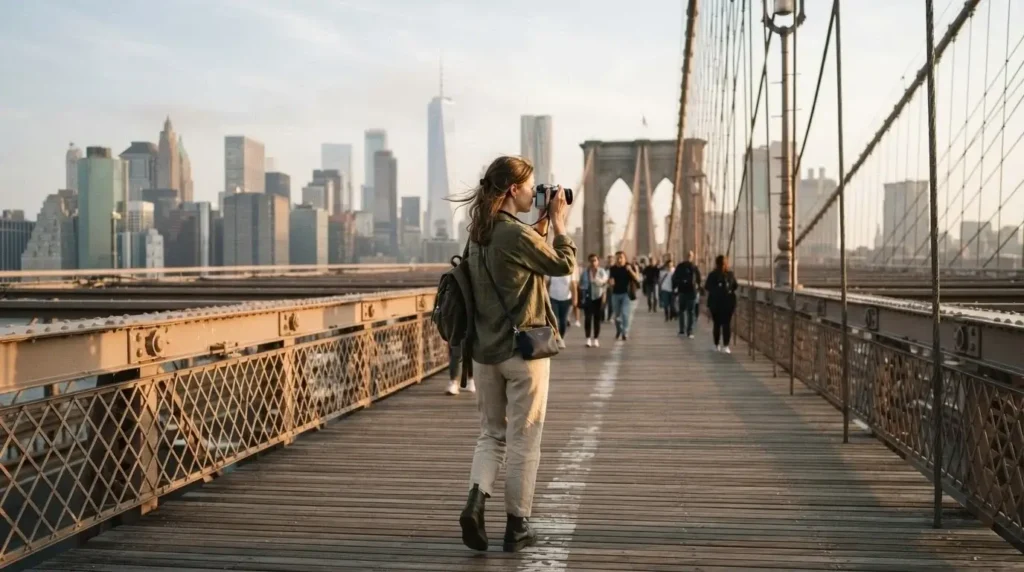
On a budget, a $3 subway ride takes you everywhere you need to go.
Mexico: Exciting and Nuanced
Mexico is one of the most visited countries in the Americas, and for good reason. The food alone is worth the trip. But this is also a country where the phrase “it depends on where you go” matters more than almost anywhere else.
As of mid-2026, the US State Department’s Mexico travel advisory sits at an overall Level 2 (Exercise Increased Caution), with some states at Level 3 (Reconsider Travel) and several at Level 4 (Do Not Travel). The Level 4 states include Guerrero (which covers Acapulco), Colima, Tamaulipas, Sinaloa, Michoacan, and Zacatecas. The Yucatan Peninsula, including Merida and the Riviera Maya, sits at Level 1 (Exercise Normal Precautions). Mexico City is Level 2, with no specific travel restrictions for US government employees in the capital.
What this means in practical terms is that Mexico City, Oaxaca, the Yucatan, and San Miguel de Allende are popular and accessible destinations for solo travelers who apply normal urban caution. Getting too late to be wandering unfamiliar streets at night, not hailing street taxis, and using app-based services like Uber are the core smart habits here. The street food in Oaxaca alone, with its mole negro, tlayudas, and memelas fresh off the comal, is the kind of travel experience that reframes how you understand cooking. Mexico City’s Mercado de Jamaica, Coyoacan, and the street-food culture of the Roma and Condesa neighborhoods are equally transformative.
Canada
Canada often gets overlooked as a travel destination in favor of its southern neighbor, but solo travelers who prioritize natural landscapes will find it deeply rewarding. Banff National Park in Alberta, Vancouver Island’s rugged coastline, and Quebec City’s genuinely European old town are all outstanding. Toronto and Vancouver are hosting World Cup matches in the summer of 2026, which will bring an international festival atmosphere to both cities. Just expect accommodation prices to spike accordingly.

Central America: The Solo Traveler’s Sweet Spot:
Costa Rica
Costa Rica is probably the easiest entry point into Central America for first-time solo travelers, and it’s where many people fall in love with the region before moving on to more complex destinations.
For entry, most travelers from North America, Europe, and Australia don’t need a visa. According to the Visit Costa Rica official tourism board, you’ll need a valid passport, proof of onward travel (a return ticket or a ticket to another country), and evidence of sufficient funds for your stay. The maximum tourist stay is 180 days, though the immigration officer at entry sets the exact duration. It’s simple and straightforward, which is part of what makes Costa Rica such a practical first choice.
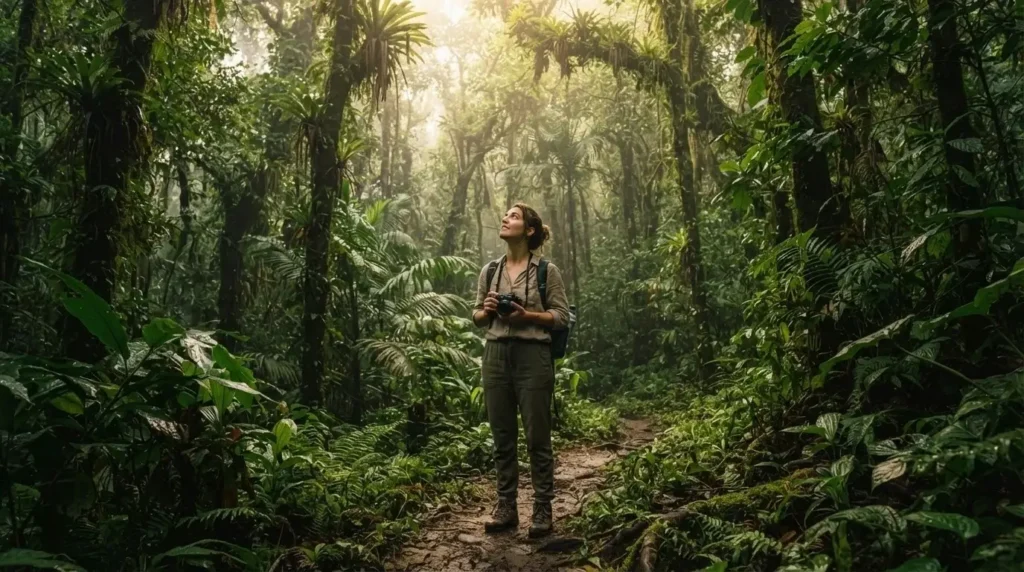
The country’s famous “Pura Vida” philosophy is not just a marketing slogan. Travelers consistently report a genuine culture of ease and hospitality, particularly in smaller towns and on the Osa Peninsula. The Pacific coast, particularly around Uvita and the Marino Ballena National Park, offers some of the most unspoiled natural scenery in Central America: whale watching (humpbacks migrate through from July to October), rainforest canopy, and beaches with almost no crowds if you move beyond the Guanacaste resorts. If you’re going to Costa Rica for the first time, flying into San Jose and heading south toward the Osa Peninsula will show you a different country entirely from the resort-heavy northern coast.
What to eat: gallo pinto (rice and beans fried together with Salsa Lizano) is the national breakfast, usually served with eggs, cheese, and fresh tortillas. It’s filling, cheap, and eaten everywhere from roadside sodas (local diners) to family homes.
Guatemala and Panama
Guatemala is for travelers who want to go deeper. The highland town of Antigua, with its cobblestone streets and Spanish colonial architecture set against three volcanoes, is one of the most visually striking places in Central America. Lake Atitlan, ringed by indigenous Maya villages, is the kind of destination that rewrites your understanding of beauty. Solo travel here is very manageable, with a well-established backpacker infrastructure and easy bus connections between major towns.
Panama works beautifully as a bookend destination, either starting or ending a Central American journey. Panama City has a surprising amount going for it: a UNESCO-listed Casco Viejo neighborhood, excellent ceviche, and the canal itself, which is one of those engineering feats that impresses even the most museum-fatigued traveler. Day trips from Panama City to the Chiriqui Province or Bocas del Toro add beaches and wild nature to what could otherwise be a purely urban stop.
South America: The Continent That Earns Every Effort:
Peru and Machu Picchu
Peru sits at the top of many South America itineraries, and Machu Picchu remains one of the most awe-inspiring places on earth, full stop. But planning a visit in 2026 requires more preparation than most people realize.
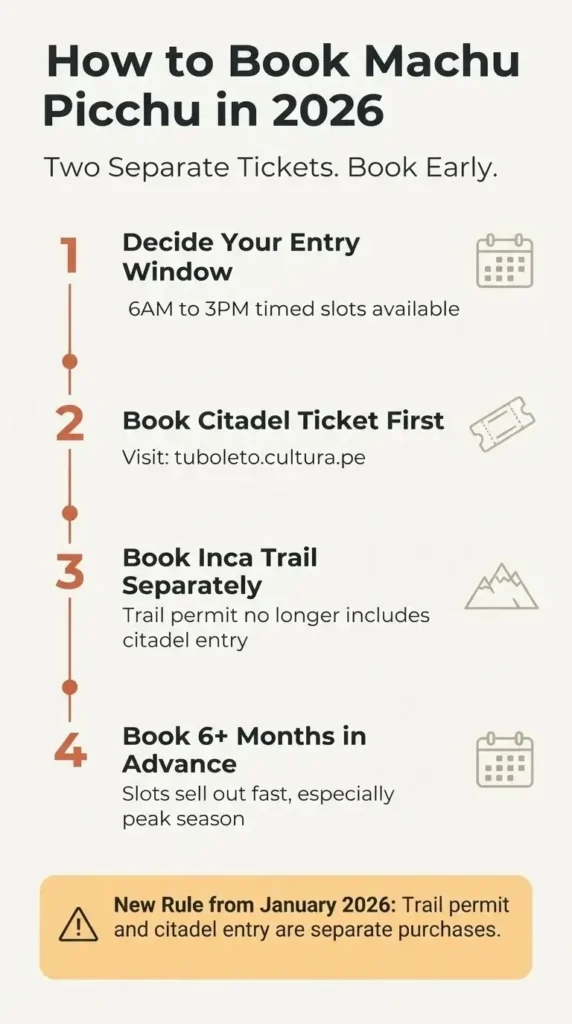
Starting January 1, 2026, the Inca Trail permit no longer includes entry to the Machu Picchu citadel. These are now two completely separate purchases, which means you can complete the full Inca Trail hike and still be turned away from the site if you haven’t pre-booked your citadel ticket separately. Tickets are sold through the official Peruvian government platform at machupicchu.gob.pe and entry slots are timed in 1-hour windows running from 6:00 AM to 3:00 PM. Permits regularly sell out 6 months or more in advance, so if Machu Picchu is on your list, go to that link now and treat booking it like you would a concert ticket.
Lima, as a base before heading south to Cusco, is a destination in its own right. The city’s Miraflores and Barranco neighborhoods are home to what many chefs and food writers consider the most exciting restaurant scene in South America. Ceviche here, made with fresh sea bass, lime juice, aji amarillo peppers, and a splash of leche de tigre, is not the same dish you’ve had anywhere else.
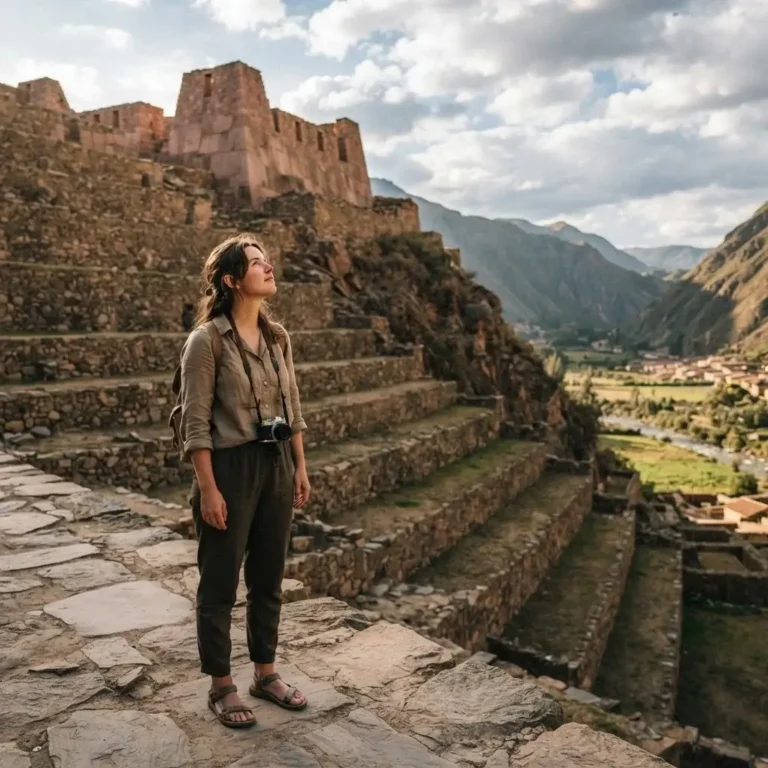
From Cusco, the Sacred Valley, Ollantaytambo, and the salt flats of Maras are all reachable on day trips. Give yourself at least two or three days in Cusco to acclimatize to the altitude (3,400 meters above sea level) before attempting any serious hiking.
Colombia
Colombia is one of those destinations that surprises travelers who arrive with cautious expectations. Medellin, in particular, is having a genuine cultural moment in 2026, with a vibrant dining scene, excellent public transport (including the famous gondola cable cars connecting hillside barrios to the metro system), and a creative energy that’s hard to articulate until you’ve spent a few days wandering through El Poblado and up into the murals of Comuna 13.
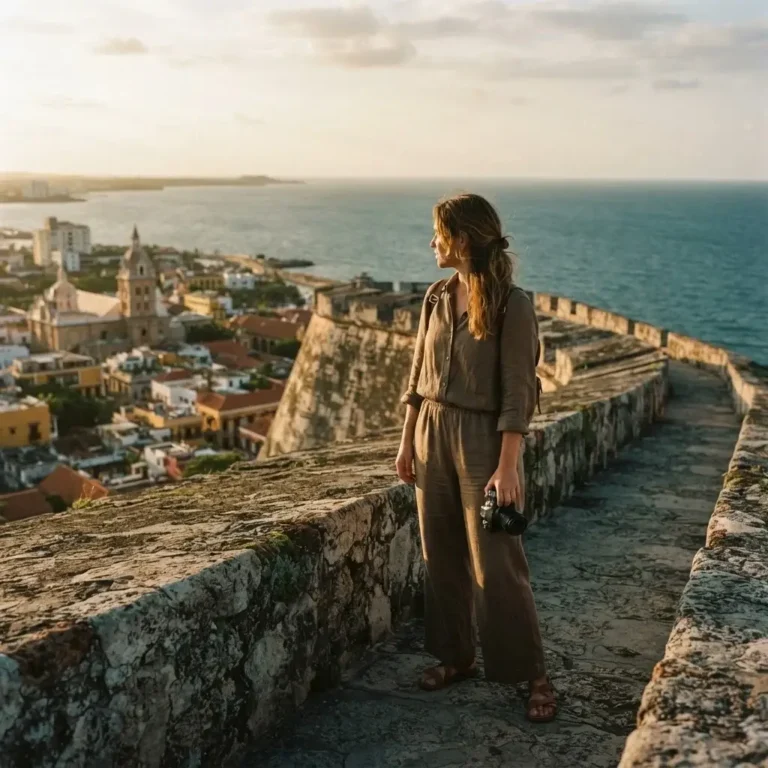
Solo travel here requires the same urban intelligence you’d apply in any major Latin American city: use Uber rather than hailing taxis, stay aware in unfamiliar neighborhoods after dark, and keep your phone out of sight in crowded areas. The US State Department advises travelers to “reconsider travel” to Colombia overall due to crime, terrorism, and kidnapping in certain areas, but the reality on the ground in Cartagena, Medellin, and Bogota’s popular neighborhoods is that experienced independent travelers move through these cities comfortably every day with proper precautions. Cartagena’s walled old city, the Ciudad Amurallada, is so visually magnificent that the walk from the Clock Tower to Getsemani neighborhood at golden hour feels like wandering through a painting.
Patagonia: Chile and Argentina
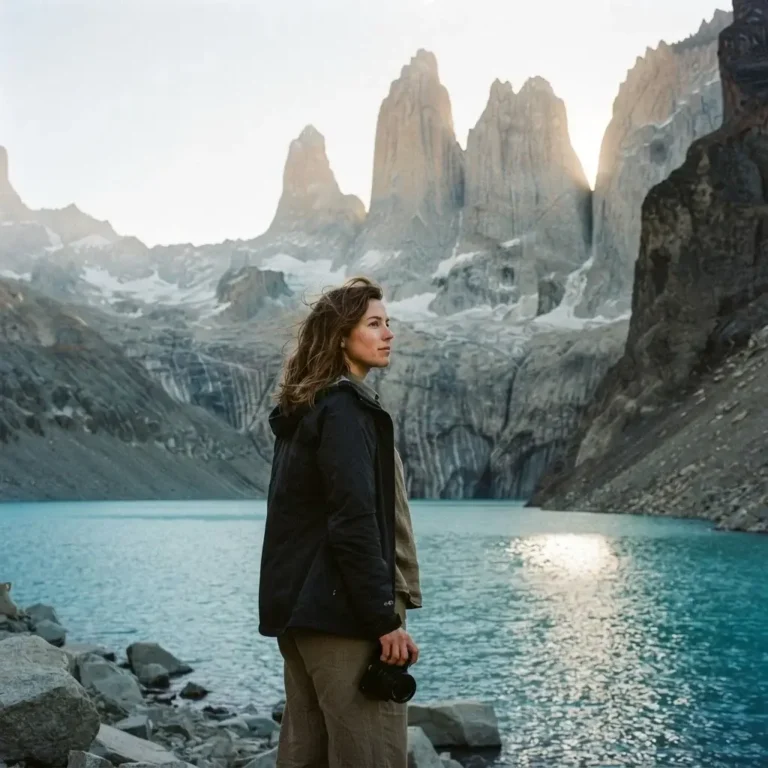
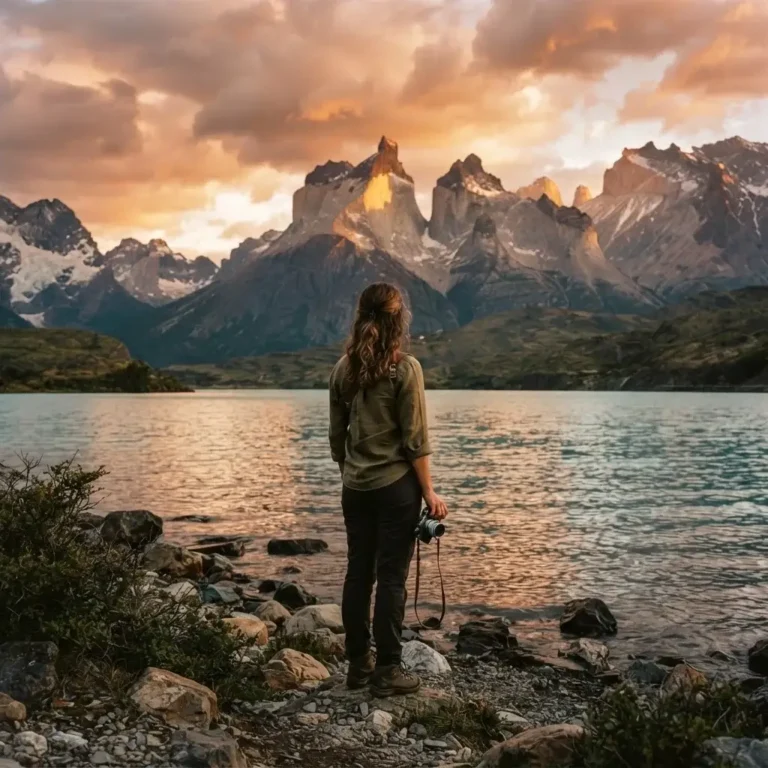
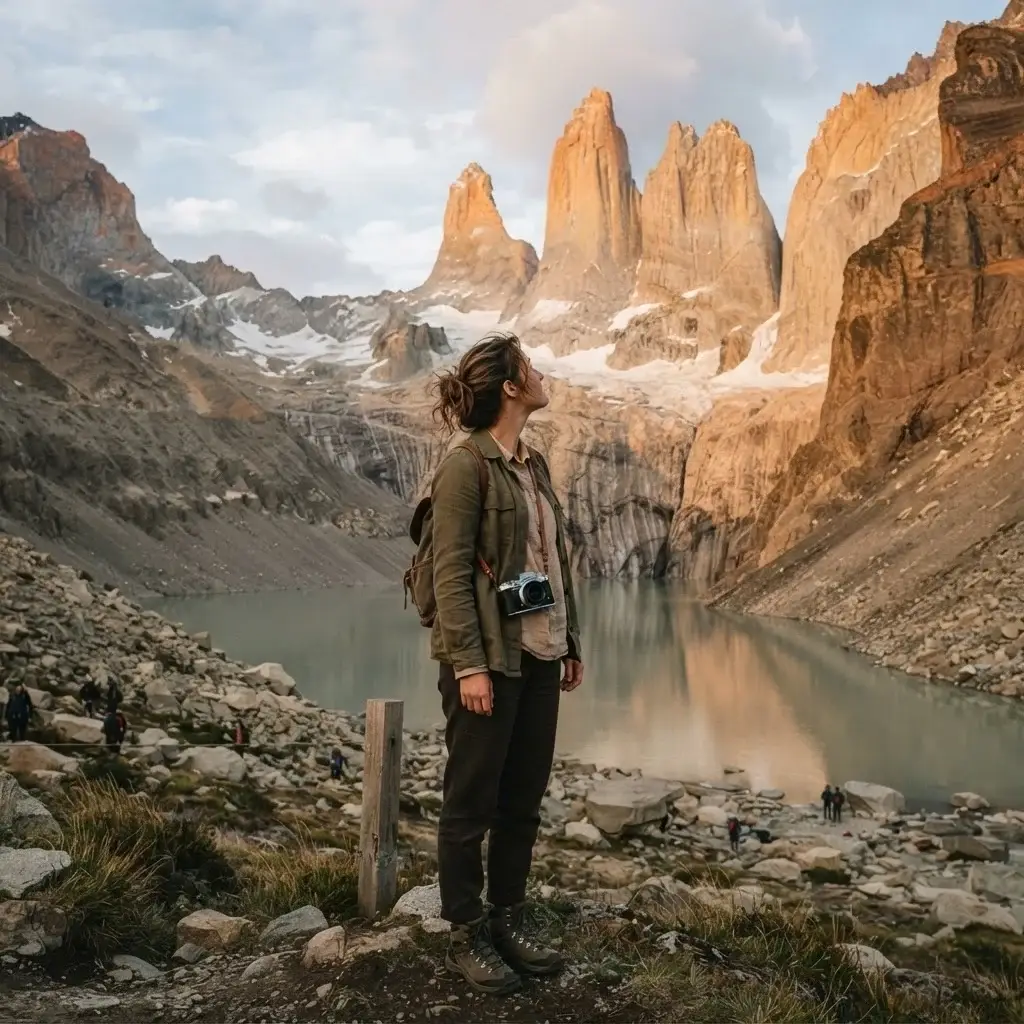
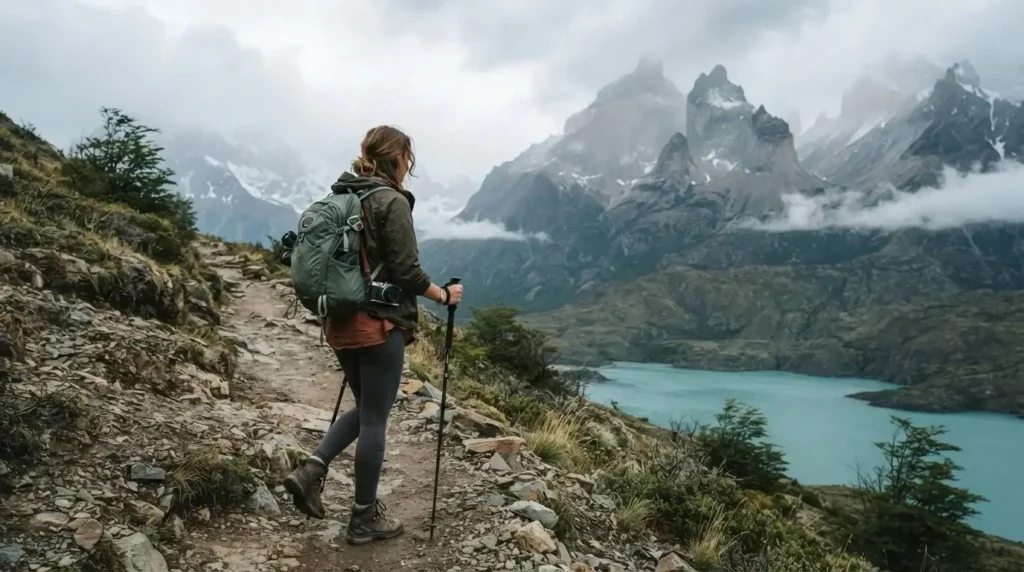
Patagonia is the Americas at its most raw and elemental. Shared between southern Chile and Argentina, this region of glaciers, granite towers, and wind-scoured steppe is the kind of destination that recalibrates your sense of scale. Everything is bigger here.
The best time to visit is between November and March, which is southern hemisphere spring and summer. December through February is peak season, bringing long daylight hours, warmer temperatures, and the best trail conditions. The Torres del Paine National Park in Chile is the centrepiece of most Patagonia itineraries, managed by CONAF (Corporacion Nacional Forestal), and it’s where the famous “W Trek” takes hikers through some of the most dramatic mountain scenery on the planet over four to five days. Camping spots and mountain huts (refugios) within the park book up months in advance, so registration via the official system is essential.
What to eat in Patagonia: the roasted Patagonian lamb (cordero al palo, slow-roasted over an open fire on a cross-shaped spit) is the regional specialty, and it’s as good as the Instagram photos suggest. In Chilean Patagonia, a bowl of cazuela (a slow-cooked meat and vegetable stew) on a cold afternoon after a long day of hiking hits differently.
On the Argentine side, El Calafate is the gateway to the Perito Moreno Glacier, one of the few glaciers in the world that is not currently retreating, which makes watching it calve enormous chunks of ice into Lago Argentino a surreal experience. No permit needed here beyond park entry.
Brazil
Brazil is often treated as its own separate trip, and logistically, it usually is. The country is the size of a continent within a continent. Sao Paulo is the culinary and cultural capital. Rio de Janeiro needs no introduction. But travelers who have moved through South America consistently highlight the northeast (Bahia, Recife, the colonial town of Olinda) and the Brazilian Amazon as the country’s most profound cultural and natural experiences.
From what solo travelers report, Brazilian cities require vigilance around petty theft, particularly in tourist areas and on crowded public transport. Taking Uber, staying aware of your surroundings, and avoiding carrying all valuables in one place are the standard precautions. The reward for navigating this learning curve is access to one of the warmest, most musically and culinarily extraordinary cultures on earth.
Planning Your Americas Trip: Practical Foundations:
Documents and Entry
Requirements vary by country and by the passport you hold. For US passport holders, most countries in the Americas allow visa-free entry for tourism, though the length of permitted stay varies. Costa Rica allows up to 180 days. Peru grants a 90-day tourist visa on arrival for most Western nationalities. For Colombia, most Western travelers receive 90 days on arrival.
Always check the current entry requirements for your specific passport before traveling, since rules can and do change. The US State Department’s travel advisory page and the official tourism boards of each destination are the most reliable sources.
Budget Reality by Region
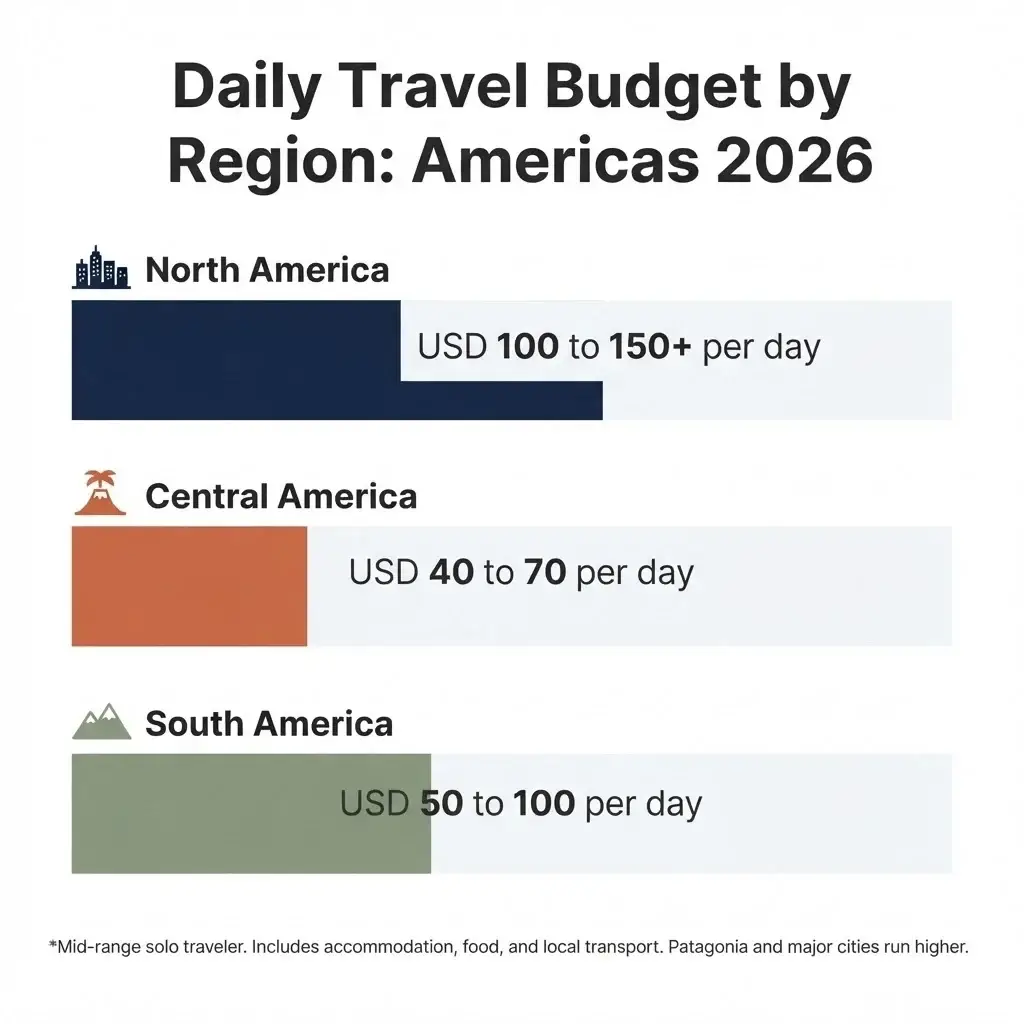
North America (particularly the US and Canada) is the most expensive region. Budget at least $100 to $150 USD per day for a mid-range solo traveler covering accommodation, food, and local transport in most major US cities. Mexico varies enormously by region, with Mexico City and tourist resorts costing more than smaller colonial cities.
Central America is significantly more affordable. In Guatemala, you can eat well and sleep comfortably for $40 to $60 USD per day. Costa Rica is pricier than its neighbors, particularly in the Guanacaste resort zone, but still very manageable if you stay in locally owned guesthouses and eat at sodas.
South America is mid-range overall, though costs vary significantly. Peru and Colombia offer excellent value. Argentina has experienced significant inflation fluctuation in recent years, so checking current exchange rate and pricing advice closer to your travel date is sensible. Patagonia, particularly the national park zone, is among South America’s more expensive areas once you factor in park entry, accommodation, and transport.
From everything solo travelers in the Americas consistently share: the fear is usually bigger than the reality, but the reality is not zero. The most consistent advice from people who travel South and Central America safely is to invest in awareness rather than avoidance. Know your neighborhoods. Use app-based transport. Don’t walk while looking at your phone. Keep a daily scanned copy of your passport saved digitally. Tell someone your rough itinerary. Get good travel insurance that covers medical evacuation, because health care costs and evacuation logistics in remote areas can be significant.
Uruguay, Chile, and Costa Rica are generally considered among the safest countries in the Americas for solo travelers. Colombia, Peru, and Brazil reward experience and street smarts. Mexico rewards knowing which specific areas you’re heading to, because the regional variation is significant.
Closing Thought:
The Americas will not wait for you to feel fully ready. I learned this the hard way when I first started planning big trips: the planning itself can become a form of procrastination that feels productive but isn’t. You don’t need to see all of it in one journey. You don’t need to choose the “best” destination. You just need to choose a destination, do the practical preparation I’ve outlined above, and go.
The Americas are one of the most geographically and culturally varied regions on earth. That’s not a reason to feel overwhelmed. It’s the whole point.
Start where the pull is strongest. Trust your instincts. The rest will follow.